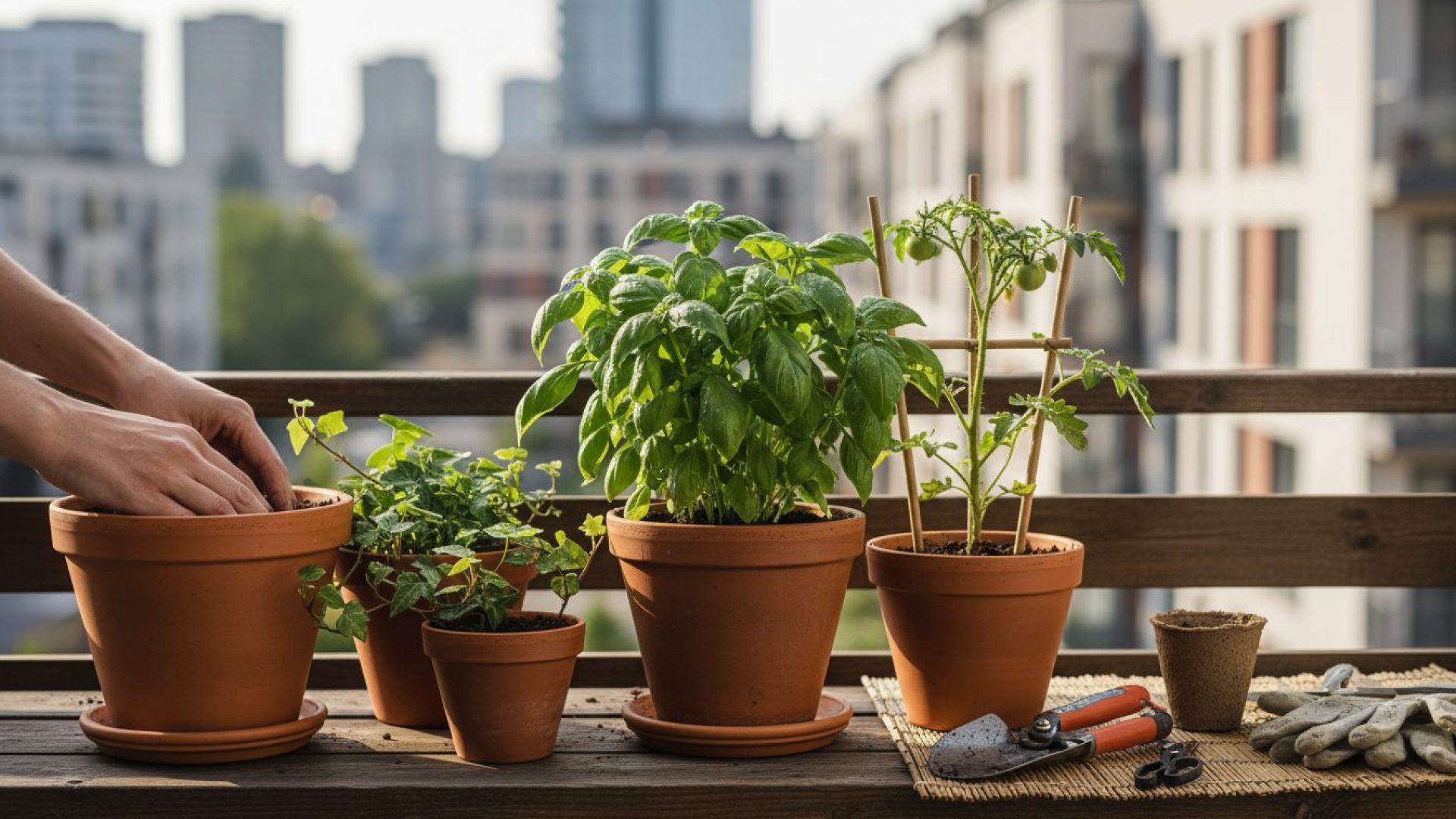
Picture it: you step out with your morning tea, take a deep breath, and the air smells earthy—alive. Yet, you’re not standing in a country garden. Nope, you’re three stories up, surrounded by city sounds, a few curious pigeons, and a patch of green you’ve grown with your own two hands. That’s the quiet magic of balcony gardening, and it’s absolutely doable, even with zero experience. If you’re hunting for balcony gardening ideas for beginners, you’re already halfway there: curiosity is the best fertilizer.
Why Balcony Gardening? A Personal and Practical Reality
Urban living usually means making the most of small spaces. I meet so many folks who think, “A proper garden? That’s only for people with backyard lawns and unlimited time.” Here’s where data flips the narrative: according to the National Gardening Survey, about 35% of city dwellers use balconies, patios, or rooftop spaces for plants. And there’s good reason—balcony gardens tick a surprising number of boxes:
- Low commitment: You can start tiny—a single pot of basil, or even a recycled coffee can with mint.
- Stress relief and air quality: Studies link plants on balconies to both cleaner air and better moods (even a few plants can help with indoor air toxins).
- Fresh herbs or veggies: Can you really harvest anything substantial? Absolutely. A well-placed tomato or lettuce pot can keep salads coming for months.
- Decor and privacy: Visual screens of trailing vines or bamboo can give you privacy or shade—plus, they look stunning.
I tried my first balcony garden as a broke college student—just a couple of mismatched pots raided from my parents’ garage. It grew (both literally and in ambition) every year. So let’s break down what actually works, what pitfalls beginners face, and how to make the most of any urban nook.
The Realities of Balcony Gardening: Space, Sun, and Stuff
Measuring Your Space and Microclimate
Balconies come in all shapes and sizes. Some face bright, relentless sun; others are shaded most of the day, or exposed to wind. Do a quick “site survey” with these steps:
- Watch where and when the sun hits different areas. Jot the hours in a notebook—this will decide everything you can grow.
- Check for draughty spots, puddle-prone corners, or ledges where rainwater runs off.
- Consider weight limits, especially for upper floors (most balconies easily support a dozen full pots, but use lighter plastic/fiberglass for big plants).
For instance, the hottest side of my 4th-floor apartment nearly baked my begonias that first year. I learned (the crispy way) to prioritize heat-loving plants like peppers and succulents in those sun-soaked spots and save the lettuce for my shadier corners. Yours will be different—that’s the charm and the challenge.
Creative Balcony Gardening Ideas for Beginners
1. Start with Easy, Rewarding Plants
The fastest route to discouragement is planting something fussy and watching it wither. Start with these beginner winners:
- Herbs: Basil, mint, chives, oregano. Mint even forgives forgetful watering.
- Leafy greens: Spinach, lettuce blends, arugula.
- Cherry tomatoes: Fast-growing and surprisingly prolific in pots.
- Radishes: About 25 days from seed to salad, which is almost instant gratification.
There’s something about plucking your own basil leaves for pizza that makes even a skeptic’s heart jump a bit.
2. Think Vertical, Not Just Horizontal
One of the slickest hacks is going up instead of out. Vertical gardening ideas for balconies can double or triple your useable space:
- Stackable planter towers—great for strawberries or lettuce.
- Wall-mounted pocket planters—a row of succulents, or a “living wall” of herbs.
- Recycled shoe organizers—yes, really! Each pocket can support a small herb or salad green.
- Hanging baskets—trail petunias or nasturtiums over the edge for color.
In a sense, you become part home designer, part urban farmer. And it genuinely transforms the feel of your outdoor space.
3. Container Gardening: Pots, Tubs, and Found Objects
If there’s any “rule” here, it’s this: nearly any vessel with a drainage hole can become a home for plants. I’ve seen lush balcony gardens grown in:
- Classic terracotta, lightweight resin, and old buckets (as long as they drain)
- Repurposed wooden crates (line them so they don’t rot)
- Even sturdy reusable shopping bags (good for root veggies like carrots)
Container size is key—small herbs can get by in coffee cans; tomatoes will want something closer to a 5-gallon pot. More soil equals less watering effort for you (and less chance of fried roots on a hot day).
4. Clever Balcony Garden Layouts and Zoning
Ready for a slight spatial puzzle? Every successful balcony garden has a layout plan, even if it comes together gradually. Some ideas to try:
- The Reading Nook: Cluster low-growing greens, aromatic herbs, and a chair into one corner.
- Edible Screen: Grow climbing beans or cucumbers up twine for a living privacy wall.
- Mini ‘Woodland’: Ferns, hostas, and impatiens for shady spots for a lush feel (and cool shade in summer).
- Sun Lovers’ Paradise: Mediterranean herbs, chili peppers, and creeping rosemary where heat is highest.
Mix-and-match as you like—it’s your canvas. I love seeing balconies that look “wild” but have hidden structure, with trailing vines hiding a compost bin or a cozy reading stool tucked among the tomatoes.
Small Budget? Upcycling and DIY Hacks
Cheap and Cheerful: Going Green with What You Have
Gardening can nibble at your wallet if you’re not careful—especially with trendy planters or fancy gadgets. But the truth is, most beginner balcony gardens thrive on upcycling and simple tools:
- Use plastic grocery containers for seed starting.
- Make watering cans from milk jugs—poke holes in the lid for a fine shower.
- Collect rainwater with a simple tub (good for eco points, too).
- Re-purpose old kitchen carts as plant stands for mobility and storage.
It’s a cozy feeling, honestly: knowing your greens grew with a little ingenuity and not so much cash. Plus, upcycling is as “eco-friendly” as it gets.
Secrets to Balcony Gardening Success (and Realistic Pitfalls)
Mastering Watering and Soil
Here’s an easy trap for beginners: overwatering. Containers drain fast, but sometimes slower than you think. Stick your finger in the soil—if it’s wet knuckle-deep, give it a break. Use a well-draining mix (look for bagged potting soil, not heavy ‘garden soil’).
- Self-watering pots make life easier but can cost more up front.
- Group pots to help them shade each other and prevent dry-outs.
- Mulch surface with straw or stones to hold moisture—it really works, especially on sunny balconies.
Quick Case Study: A friend set up five tomato pots on her fifth-floor balcony last summer. By early July, three were thriving and two sulked. The difference? The “happy” tomatoes had deeper pots and grouped together, while the others fried on the hottest corner alone. Even in small spaces, microclimates matter more than you’d think.
Plants vs. Pests: What Really Happens
One myth: city balconies are pest-free. Not quite. Aphids, spider mites, and even the odd bird or squirrel may visit. My trick is to check leaves every weekend—catching critters early means a quick squirt of soapy water is usually all it takes. (Aphids are especially fond of juicy new growth, so herbs and soft greens need a little scouting.)
On the plus side, urban pests are often much less ferocious than those in ground-level gardens. Still, I recommend:
- Isolating new plants for a few days before tucking them among your existing green friends.
- Encouraging “good bugs” like ladybugs, or sprinkling a little crushed eggshell to deter snails (if you ever spot any at this elevation).
Design Inspo: Personalize Your Urban Oasis
Your balcony garden isn’t just functional; it’s a tiny, changeable escape. Want Mediterranean vibes? Load up on lavender, rosemary, and a clay sun face on the wall. Dreaming of a fairytale forest? Pile up mossy stones, tiny ferns, and a solar lantern for nighttime ambiance.
- Foldable chairs or hammocks create “rest zones” among your greenery.
- Twinkle lights (solar is easiest) stretch gardening hours into dusk.
- Paint old pots in bright colors for a mood boost—you’ll see them every morning.
I once made a simple zen corner with just three stones, a tray of sand, and a trio of bamboo stems in water. It became my favorite spot for phone calls or sketching ideas in a notebook.
Expert-Style Tips: Turning Beginner Ideas Into Lasting Habits
- Start slow: Plant three pots, not thirty. Watch, learn, and add as you go. Gardening rewards patience more than ambition (at first).
- Keep a simple “garden journal”: Jot what works, what dies, when you water, or funny moments. Patterns appear quickly—like, “Why do my nasturtiums always droop after rain?”
- Celebrate the “imperfect” garden: Sometimes leaves brown, a pot tips in the wind, or squirrels sabotage your strawberries. That’s real life. Every garden is a work in unpredictable progress.
FAQ: Real Answers for Balcony Gardening Beginners
Can you actually grow vegetables on a tiny balcony?
Definitely! Small veggies—like cherry tomatoes, lettuce, or radishes—love containers. Even a few square feet can produce multiple salad bowls a month. The secret is matching plant size to the container and sunlight you have.
Do balcony gardens attract bugs or pests indoors?
Usually, no. Most pests prefer your plants over your apartment. Check leaves before moving pots indoors for winter, and you’ll avoid bringing in any uninvited guests.
Will my neighbors mind if I have a balcony garden?
In most apartment buildings, balcony gardens are welcome—provided you don’t block fire exits or let water drip onto lower balconies. If you’re worried, consider drip saucers and avoid hang-over-the-edge setups.
What’s the hardest part for beginners?
Managing sunlight and avoiding overwatering. Most new gardeners underestimate how much sun a spot gets, or keep soil soggy. Track sun patterns for a few days, and always check soil dampness before adding water.
How do I keep my balcony garden beautiful year-round?
Focus on “shoulder season” plants—pansies, kale, and herbs that handle cool temps. Add a few evergreens or hardy succulents for winter interest. Swap in fresh annuals as seasons change for easy color all year.
Final Thoughts: Learning to Love the Little Jungle
Honestly, what I love most about balcony gardening isn’t the harvest, the flowers, or even the Instagrammable views. It’s the chance to shape a living space with your own hands—to carve out green tranquility from the bustle. Some days your plants will surprise you; other days, they’ll frustrate and bewilder (those sudden caterpillar invasions—don’t get me started!). But each morning, stepping out to see what’s grown overnight, you realize you’re not just growing plants—you’re nurturing a piece of yourself, right outside your window.
If you’re just starting out, be ready for failures as well as surprises. That’s how all gardeners, beginners or not, end up with the best stories—and the happiest balcony jungles.