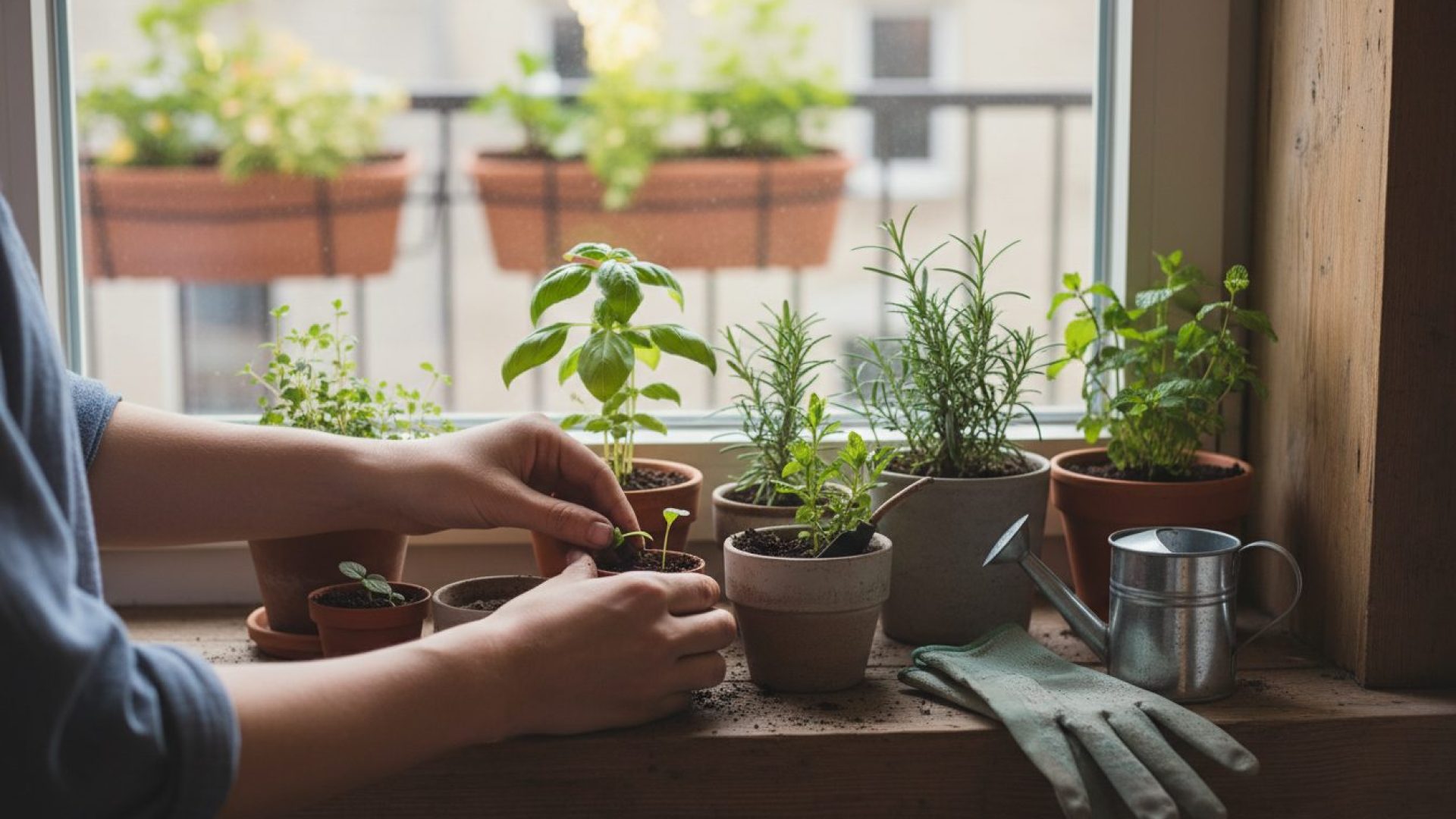
So, you want to start a garden, but you’re hemmed in by a tiny patio, a balcony, or maybe just a sunny windowsill. I’ve been there — shuffling pots on apartment steps, finagling tomatoes onto fire escapes, and learning the hard way that even half an hour of morning shade can mean the difference between a sad basil and a triumphant bouquet. But here’s the thing: beginner gardening tips for small spaces aren’t just bite-sized versions of the “normal” garden advice you see in big, glossy magazines. There are tricks, but there are also a bunch of surprising strategies and trade-offs that I wish someone had simply explained to me in plain English from the start.
Is Small Space Gardening Worth It?
I sometimes get this question from friends: “Is all the fiddling with little pots and tiny trowels… worth it?” As someone who’s harvested five cherry tomatoes at a time and grinned like I’d won the lottery, I say yes — but it’s not for everyone. Here’s my honest take:
- Yields vs. Effort: On average, a square foot of well-tended raised bed can grow 2-4 pounds of veggies a year. Compare that to a 10-inch pot — you’ll likely get just a handful per season per crop. But the emotional reward is way out of proportion to the harvest size.
- Control: Small-space gardens are easier to experiment with (think new varieties or unusual edibles), and pests are, surprisingly, a bit more manageable. Fewer places for critters to hide!
- Constraints: You’ll need to water more often (containers dry fast), and you’ll become obsessed with tracking the sun as it moves throughout the day or season. Sometimes I feel like a solar panel engineer more than a gardener.
Ultimately, it’s about using what you have, not resenting what you don’t. Let’s dig into some beginner gardening tips for small spaces that make the most of every inch — and every ray of sunlight.
Getting Real About Light: Your Garden’s MVP
Here’s something people underestimate: light doesn’t just make your plants taller. In small-scale gardening, I’ve learned that the number one predictor of success isn’t what you plant — it’s where. You can over-fertilize, forget to water, or crowd your roots, but if you cheat on sunlight, your plants will sulk and stunt.
- Minimum Needs: Most fruiting crops (think tomatoes, peppers, strawberries) crave 6-8 hours of direct sunlight. Leafy greens (like lettuce, chard, parsley) are fine with 4-5 hours. Herbs are forgiving, but “woody” types (rosemary, thyme) love the heat and direct sun.
- How To Measure: Set an alarm every hour on a sunny day and jot down where the light falls. I use sticky notes on sills and move a shoe around my patio as a “sun marker.” It seems silly until you realize you’ve been overestimating your sunlight by at least 30%.
- South-Facing Windows or Balconies: These are gold for most garden dreams. North-facing? You’ll do best with shade-tolerant greens and maybe some mint. East and west have their own quirks — morning sun is gentle, afternoon sun is hot but short-lived.
The difference between a thriving mini-garden and a string of wilted hope can be an hour or two of extra sun daily. Trust me — spend time learning this, and you’ll save weeks of frustration.
Choosing Containers: Not All Pots Are Created Equal
If you ask me, picking the right container is the small-space equivalent of planning your garden beds. Here’s what I wish I twigged to early on:
- Size matters: Don’t be shy — bigger is usually better. Roots want room. For tomatoes or peppers, start with at least a 5-gallon pot (about a standard bucket size). Herbs and salad greens are more lenient, happy in 6-10 inch pots. Tiny teacup “herb gardens” look cute, but dry out twice a day in summer and rarely produce much.
- Drainage is non-negotiable: Pots must have holes. If you fall in love with a decorative cachepot, make sure there’s an inner plastic liner with drainage, or you’ll drown your garden after the first enthusiastic watering. (Been there. A drowned thyme is a sad, gray thing.)
- Material choices: Clay breathes (good for most edibles but dries out fast), plastic retains water (handy if you travel or forgetful). Fabric grow bags are gaining fans for roots like carrots or potatoes because they promote air-pruning. I’ve even seen folks grow leafy greens in reusable grocery bags — it works in a pinch!
Efficient Use of Vertical Space
Once you run out of floor or railing space, it’s time to think vertically. This is a classic move in urban gardens, and there’s solid logic behind it. The vertical approach lets you triple or quadruple your growing area, and frankly, climbing vines like peas, beans, or cucumbers look pretty magical snaking up a trellis or netting.
- Pocket Planters: These fabric or plastic hanging systems often mount on fences or walls — great for shallow-rooted herbs, strawberries, or trailing flowers. I’ve seen 20+ plants squeezed into a panel no bigger than a television!
- Shelf Systems: Small bookcases or purpose-made plant racks can hold scores of pots if placed in the right light. Don’t crowd them (airflow still matters), but it’s efficient for lettuce, baby greens, or decorative annuals.
- Trellises and Stakes: Even a single stick shoved into a pot gives tomatoes, peas, or pole beans a path upward. Urban gardeners sometimes train squash and cucumbers up chicken wire towers—or even balcony railings.
Here’s a secret: the most productive small-space gardeners almost always have something climbing, hanging, or sprawling overhead. It draws the eye up, and gives you new areas to work with.
Smart Crop Choices: Edibles that Earn Their Keep
I’ve made this mistake: choosing what I wanted to eat… instead of what actually thrives in limited space! Some crops are “space expensive” — they need more root area, trellising, or time, and might only yield a few harvestable servings. Others are shockingly generous. Here’s a quick challenge: grow one of each below, and you’ll see what I mean.
Best Bets for Small-Space Beginners
- Leafy Greens: Arugula, baby kale, lettuces, spinach — fast, tolerant, and willing to regrow after repeated trims.
- Herbs: Basil, chives, cilantro, mint, and parsley. These require little space and, when regularly pinched, become bushier.
- Cherry Tomatoes: Especially “dwarf” or “patio” varieties. Far more productive in pots than slicer tomatoes, and even a single plant will keep you snacking for months.
- Radishes: About 30–40 days from seed to salad. They don’t mind crowding if their soil is loose and rich. If it’s a little spicy, that probably means it got hot and dry — a classic small-space challenge.
Space Hogs and Tricky Crops
- Squash and Melons: Even with vertical support, one plant will eat up a whole balcony. Loads of leaves, fewer fruits.
- Full-Size Corn: Needs a mini-field (around 16+ plants to cross-pollinate) and deep planters. Better to skip unless you want a novelty conversation piece!
- Potatoes or Carrots: Possible, but you’ll need tall, roomy “grow bags” or tubs, and yields per square foot aren’t as efficient as, say, growing lettuce in that same space. That said, I’ve yielded a pound of potatoes from a 5-gallon bucket.
Soil and Nutrition: The Backbone of Small-Space Yields
With limited root real estate, your soil needs to be a powerhouse of nutrients and structure. My verdict? Skip the “garden soil” for containers and go straight for a high-quality “potting mix.” Here’s why:
- Drainage: Potting mixes are engineered to stay fluffy, aerated, and not compact down. Garden soil in a pot often acts like cement, choking roots and inviting rot.
- Nutrition: Most mixes include slow-release fertilizer to get you started; after 4–6 weeks, supplement with a balanced liquid fertilizer.
- Renewal: Container soil gets depleted faster — try to top up with compost or worm castings every month, or refresh pots each season.
And here’s a clever trick: rotate your pots 90° every week so different sides get access to the sun. I’ve seen basil that leans like a tiny Pisa tower after just a few too many days of one-sided light!
Watering Wisdom: The Fast-Track to Healthy Pots
If I could only give one of my beginner gardening tips for small spaces, it’d be about watering. Containers dry out much faster than gardens in the ground, especially on breezy balconies or sun-drenched windowsills. But overwatering is just as common! It’s a balancing act. Here’s my rundown:
- Quick Check: Stick your finger an inch into the soil. If it feels dry at your first knuckle, it’s time to water deeply until you see it drain out the bottom.
- Morning is Best: Water early so leaves dry before dark (reduces mildew risk) — and because plants sip efficiently before the sun is harsh. Afternoon soaking can lead to steamy, stressed roots.
- Consistency Counts: Erratic watering (letting dry out, then flooding) leads to split tomatoes, bitter greens, and weak roots. Try for even moisture most days.
- Mulch, Even in Pots: A thin layer of straw, dried leaves, or even pebbles can help reduce evaporation from small containers. It’s surprisingly effective.
On an especially hot day, smaller pots and hanging baskets may actually need two waterings (morning and evening). Look for telltale signs: drooping, grayish cast, or leaves that feel crispy at the tips.
Microclimates: The Overlooked Secret to Small-Space Success
This is a bit of a nerdy one, but I’m convinced every garden nerd has this revelation: your space isn’t uniform. Balconies are breezy (sometimes beating up delicate seedlings), south-facing windows can become ovens, and shaded corners may stay cool well into midsummer. Recognizing these micro-niches is key.
- Wind Exposure: Build makeshift windbreaks (a piece of lattice or even a patio chair) for delicate seedlings or tall plants in breezy spots.
- Heat Reflection: Light-colored walls bounce warmth onto nearby plants — which can help tomatoes ripen a week or two early, but can also scorch basil in July. Move pots as needed.
- Cool Corners: That shady nook? Save it for ferns, salad greens, or try a pot of mint, which likes it moist and cool.
I often shuffle my containers seasonally, sort of like musical chairs for plants. Observe, experiment, and accept a bit of trial and error as part of the fun.
Harvest Timing: The “Rewards First” Philosophy
I used to wait and wait for “perfect” full-size produce. Seasoned small-space gardeners know: picking young, tender leaves or harvesting crops a bit on the early side actually improves production. Here’s why:
- Regrowth: Leafy crops regrow after picking, often bouncing back with sweeter, milder flavor if you harvest in the morning.
- Decluttering: Removing fruit or leaves that crowd or shade others lets more light and air reach the center of the plant — less disease, more vigor.
- Preventing Bolting: Many edibles “bolt” (go to seed) faster in heat, or when roots get crowded (classic balcony issue). Picking leaves and fruit young keeps things growing, sometimes doubling your potential yield!
For small gardeners, measure your output in little harvests, not one big showy crop.
Real-World Story: From Balcony Chaos to Salad Success
Let me share a quick story. An old neighbor of mine, Lora, started her balcony garden with every type of seed she could buy. Her first “crop” was a tangle of yellowed cucumbers and spindly lettuce. By the end of year two, after dozens of little lessons (and a “no corn on the balcony” rule), her method changed. Fewer plants, deeper pots, and weekly sun-tracking check-ins. By July of that year, I watched her harvest enough salad greens for sandwiches every week, and a parade of cherry tomatoes lasted until the leaves began to yellow in fall. She said it best: “It’s not about what fits — it’s about what thrives.”
Beginner Gardening Tips for Small Spaces: Quick Checklist
- Maximize direct sunlight — don’t overestimate partial light
- Invest in larger, well-draining containers
- Go vertical: shelves, pockets, trellises, and stakes
- Prioritize prolific, compact crops (herbs, greens, cherry tomatoes, radishes)
- Use high-quality potting mix; refresh soil with compost or worm castings
- Water deeply and evenly, using mulch to reduce evaporation
- Observe your microclimates — adjust plant locations seasonally
- Harvest early and often for regrowth and bigger overall yields
Frequently Asked Questions (FAQ)
What’s the easiest edible to start with in a small space?
If you want a sure win, start with leafy greens. Arugula, baby spinach, or lettuce will sprout quickly, aren’t picky about space, and can be snipped repeatedly. Basil and chives are also hard to beat for windowsills or compact patios.
How can I tell if my small containers are getting enough sun?
You can physically track the light with notes or take cell phone photos every hour to see where shadows fall. In general, if you’re getting at least 4-6 hours of direct sun, most herbs and greens will do well. Fruiting crops demand at least 6-8 hours. The plants themselves will “lean” toward the light — a little is normal, but strong leaning or pale, leggy growth means they need more sun.
Is it okay to mix different crops together in one pot?
Absolutely! This is called “companionship planting.” Just pair plants with similar light and water needs. For example, basil and tomatoes love sharing a big container. Avoid crowding root crops like carrots with sprawling veggies, though; roots need uninterrupted space.
How do I fertilize small-space gardens?
Most new potting mixes include some starter fertilizer. After the first 4-6 weeks, use a balanced liquid fertilizer every other week during the growing season. If you see pale leaves or slow growth, a top-up of compost tea or worm castings usually perks things right up.
What if I travel or forget to water?
This is a real challenge for city dwellers! Plastic or self-watering containers retain moisture longer, and mulching helps a lot. For trips, cluster pots out of direct sun and water deeply before leaving. (And I sometimes ask a neighbor to do a “basil check-in” for me.)
Do houseplants count as small-space gardening?
Of course! While leafy houseplants aren’t “edibles,” they still help clean air and boost your gardening confidence. There are even small peppers and tomatoes bred for indoor growing — just make sure to provide strong light.
Why Your First Small Garden Won’t Be Perfect — and Why That’s Good
Here’s my last thought: small-space gardening, especially for beginners, forces you to notice things you’d miss in a sprawling backyard plot. Every leaf is close at hand. You’ll see pests and pollinators up close, the impact of a hot weekend, and the silly joy of a fresh-cut herb on your pasta. Mistakes are part of the discovery — and thanks to the manageable scale, a flop is simply a chance to replant, readjust, or try a new variety next week.
Sometimes, those first few crops are crooked, tiny, or a little strange looking. But the habit of paying attention, carving out a little green space, and accepting the weird rhythms of sunlight and weather — that’s the real harvest. Small or large, everyone’s garden starts with a single pot. Yours just happens to fit by the window, and that’s more than enough.