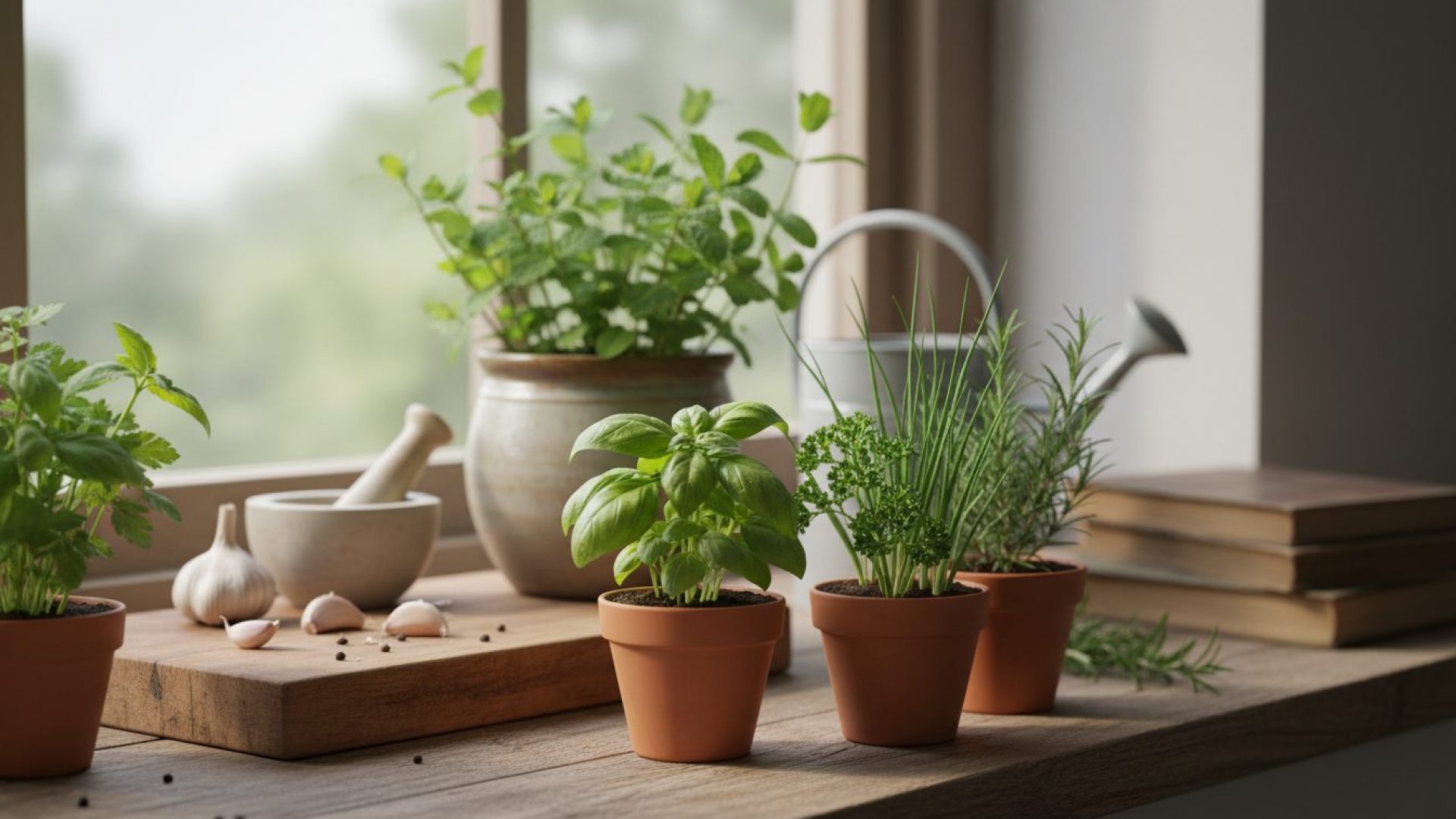
Have you ever brushed your hand against a pot of fresh basil on your windowsill and caught a burst of summer in the middle of February? There’s something quietly magical about having a mini edible garden indoors—especially when the world outside seems stuck in shades of grey. If you’re like me, you’ve probably dreamt of snipping fresh herbs right into a simmering stew or salad without ever putting on your boots. But—let’s be honest—choosing the best herbs to grow indoors isn’t as simple as grabbing any old seed pack. Some thrive effortlessly in a sunny kitchen, while others put up a fight. Let’s dig into which herbs really deliver, why it matters, and how to make the most of a modest indoor space—no green thumb required.
Why Grow Herbs Indoors? Patterns & Payoffs
Before we zoom in on specific herbs, it’s worth asking: why bother with indoor herbs at all, especially with grocery aisles overflowing with those plastic-wrapped bundles? For one, I’ve found having fresh greens within reach nudges me to cook healthier, more flavorful meals. Plus, it’s shockingly satisfying to say, “Oh, I grew that.”
- Freshness on Demand: Store-bought herbs wilt within days (sometimes hours), but homegrown can last weeks when snipped as needed.
- Cost Savings: Buying a $4 basil bundle each week adds up—growing your own pays for itself in a month or two.
- Mood Booster: Studies suggest indoor plants improve air quality and mood—a small basil bush can genuinely brighten a dreary morning.
- Zero-Waste: Harvest only what you need, skip the plastic wrap, and compost stems right at home.
Of course, not all herbs play nice with indoor life. Lighting, humidity, and temperature—factors we hardly notice—can make or break your kitchen garden. Let’s break down the top picks that consistently earn their keep indoors.
The Best Herbs to Grow Indoors: Practical Picks & Real-World Results
Through years of trial and (mild!) error, plus chats with other gardeners, I’ve watched some herbs thrive in sunny city apartments and north-facing suburban kitchens. Here’s a closer look at the indoor standouts, including firsthand quirks you’ll want to know.
Basil: The Classic Overachiever
Basil is, hands down, the MVP for indoor gardeners—if you give it what it craves. It adores warmth and lots of sunlight, so a south-facing window or a grow light is key. In the right conditions, you’ll be pinching fresh leaves for caprese salads or pasta every week. But here’s the catch: basil is quick to sulk when it’s too chilly or drafty. Leaves may yellow or droop—sometimes overnight!—if night temps fall below 60°F (16°C).
- Light need: 6+ hours of direct sunlight or a strong grow light.
- Trouble sign: Thin, leggy stems point to not enough sun.
- Pro tip: Pinch off flower buds as soon as you spot them to keep leaves lush and flavorful.
One year, I made the mistake of crowding basil on my kitchen counter with parsley and chives—basil got cranky, the others didn’t mind. Lesson: basil wants space and dedication, like the diva of your herb crew.
Mint: The Relentless Spreader
Mint is so easy it’s almost suspicious. I’ve seen it thrive in dim corners where most herbs give up. If anything, it’s a bit of a bully—roots quickly fill up any pot, often sending up surprise sprigs in neighboring planters if they’re close enough.
- Light need: Moderate; tolerates less-than-ideal light but thrives with 4–6 hours daily.
- Bottle-neck: Needs regular harvesting to prevent legginess.
- Pro tip: Always plant mint alone or with a solid root barrier. It’ll crowd out shyer herbs otherwise.
You might even need to trim back roots or divide mint every few months—a nice problem to have if you love mojitos or fresh mint tea.
Chives: Low-Maintenance Flavor Burst
Chives are the introvert’s herb: quiet, hardy, and surprisingly productive even with some neglect. They’re the perennial favorite in my house for scrambled eggs and potato soups. They don’t mind a bit of drought (handy if you get forgetful), and bounce back from heavy trims. A pot of chives will last for years with basic care—a gift that keeps on giving.
- Light need: 4–6 hours of sunlight or grow lights.
- Maintenance: Water when the top inch of soil dries out; snip low for tender new growth.
Parsley: The Slow and Steady Grower
If you want an earthy, vitamin-rich herb that just keeps going, flat-leaf (Italian) parsley is your friend. It’s slower to start indoors (roughly 3–5 weeks to germinate), but rewards patience with continuous leafy growth. I’ll confess: I sometimes neglect parsley for a week or two. It rarely complains, just waits for the next drink. That makes it great for busier cooks.
- Light need: 5–6 hours of direct sun, but tolerates partial shade
- Main issue: Slow starter from seed; consider buying a young plant to save time.
Thyme & Oregano: Mediterranean Workhorses
These two are like the reliable uncles at family gatherings—always steady, never flashy, but you wonder how you’d manage without them. Mediterranean herbs do well in pots, preferring a gritty, fast-draining soil (think: less moisture, more sand). They are forgiving if you forget a watering every now and then.
- Thyme: Loves warmth and bright spots. Drought-tolerant—don’t overwater.
- Oregano: More cold-tolerant but happier when not soggy.
I love adding a sprinkle of either to roasted vegetables. Indoor yields are smaller than outdoor beds (maybe 60–70%), but the flavor punch is concentrated—almost spicy compared to the dried version.
A Quick Data Snapshot: Herb Success Indoors vs Outdoors
I often get curious about just how much production I’m sacrificing by growing inside. From a few informal experiments and reading through gardener reports:
- Basil yields indoors: About 60–80% compared to outdoor, but lasts longer if you avoid heat waves and pests.
- Mint and chives indoors: Similar to outdoors, with nearly steady pickings year-round.
- Parsley: Slightly slower, but healthier overall (fewer leaf miners or aphids inside).
- Thyme/oregano: Less prolific in winter, but more intense flavor per leaf thanks to steadier temps.
Pattern: Indoors, you trade quantity for consistency and convenience. You’re rarely going to overflow with basil in December—but you’ll almost always have some green, which beats last-minute grocery runs.
Common Pitfalls (And How to Dodge Them)
It’s not all sunshine indoors—some common mishaps can spoil the fun. Here are real-world headaches and smarter ways to sidestep them:
- Low Light: Even sunny windows — especially north-facing — may not cut it in winter. Supplement with LED grow lights for best results.
- Overwatering: The #1 killer of indoor herbs. Roots suffocate fast—always check that the soil dries out between waterings.
- Pot Size: Tiny “gift shop” pots dry out too quickly. Upgrade to 6-inch minimum pots or grouped planters with separation.
- Pests: Yes, even indoors you can get aphids or fungus gnats. Bottom-watering and wiping leaves quickly deters outbreaks.
There’s nobody more surprised than me when tiny whiteflies showed up one winter. Turns out, that new house plant brought a few friends. Lesson learned: quarantine new plants for a week, even indoors, just to be cautious.
Getting Started: My Step-By-Step for Indoors Herb Success
- Pick Your Herbs: Start with basil, chives, and mint—reliable and forgiving.
- Select Pots: Choose containers 6–8 inches wide, with drainage holes for safety.
- Special Mix: Use indoor potting mix with perlite or coarse sand for Mediterranean herbs.
- Location, Location, Location: Place in the brightest window—south-facing is gold. Supplement with grow lights if below 6 hours sun.
- Water Wisely: Stick a finger an inch into the soil. Only water if it feels dry.
- Feed Modestly: Liquid fertilizer every 4–6 weeks is plenty during winter months.
My process isn’t flashy, but it rarely fails. And remember: sunlight beats everything, even fancy potting mixes. I once moved a lackluster basil six feet closer to the window and it rebounded within a week!
Choosing (and Using) the Right Herbs for Your Style
It’s easy to get excited and want every herb from the garden center—especially when supplies are stacked high in spring. But here’s something people often miss: your likeliest “winners” are the ones you actually use in your daily cooking. If you’re never reaching for sage, skip it! Invest the space and effort in herbs you love and use weekly.
- Do you make lots of Italian food? Go heavy on basil, oregano, and parsley.
- Are tea and cocktails your jam? Give mint and lemon balm prime real estate.
- Love eggs or potatoes? Chives earn their keep.
- Experiment with rosemary and thyme if you have the sunniest spot.
Myth-Busting: Indoor Herbs Edition
- “Herbs need loads of space to thrive.” Surprisingly untrue for most. As long as roots have room to spread and you harvest regularly, a pot or two does the trick.
- “Grow lights are cheating.” Not at all—herbs want light, and technology helps. LEDs use less energy than a lamp and yield better-tasting greens.
- “You can’t grow woody herbs like rosemary or sage inside.” With patience and bright light, even tougher herbs adapt indoors. They just take a little longer to get established.
FAQ: Indoor Herb Gardening Insights
What are the easiest herbs for beginners to grow indoors?
Based on years of trial and chats with other gardeners, I’d vote mint, chives, and basil as the most forgiving. Mint is almost impossible to kill, chives don’t care if you forget a watering, and basil (with enough sun) just wants to grow wild. Start with these, then branch out.
Do indoor herbs really last all winter?
Mostly, yes! Some (like basil) can get leggy by February without enough sun, but chives and mint really can be cut and regrown for 9–12 months straight. Occasional refresh (replanting or feeding) perks them back up.
Why are my herbs growing slowly inside?
Usually it comes down to light—or sometimes pot size. Even south-facing windows drop below optimal daylight in winter. Add a small grow light, or move herbs closer to the brightest spot. Avoid pots smaller than 6”, and check for compacted roots every so often.
Can I grow herbs from grocery store cuttings?
Sometimes, but not always. Basil and mint respond best to this trick—just snip the cutting, put it in water, and wait a week or two for roots. Once roots appear, pot it up in soil. For woody herbs like rosemary, success is less reliable but still worth a try!
How do I prevent pests on indoor herbs?
Start by inspecting new plants before bringing them inside. Only water when soil is dry, which keeps fungus gnats away. If you spot aphids, rinse leaves under the tap, and isolate affected plants for a week. Honestly, most issues resolve faster indoors since you can spot them quickly.
Final Reflection: Growing Flavor, One Window at a Time
There’s no one herb “best” for every windowsill—it’s about what brings you joy and fits your home. I’ve learned that watching chives bounce back after a rough haircut, or seeing basil perk up after moving it a few feet closer to sunlight, is its own quiet reward. Sure, you might lose a plant or two to overwatered roots or underfed soil on the journey. But part of the fun is in the trying—and those small daily harvests add up, teaching patience and offering a little bit of fresh green hope, even in the depths of winter. Happy growing!