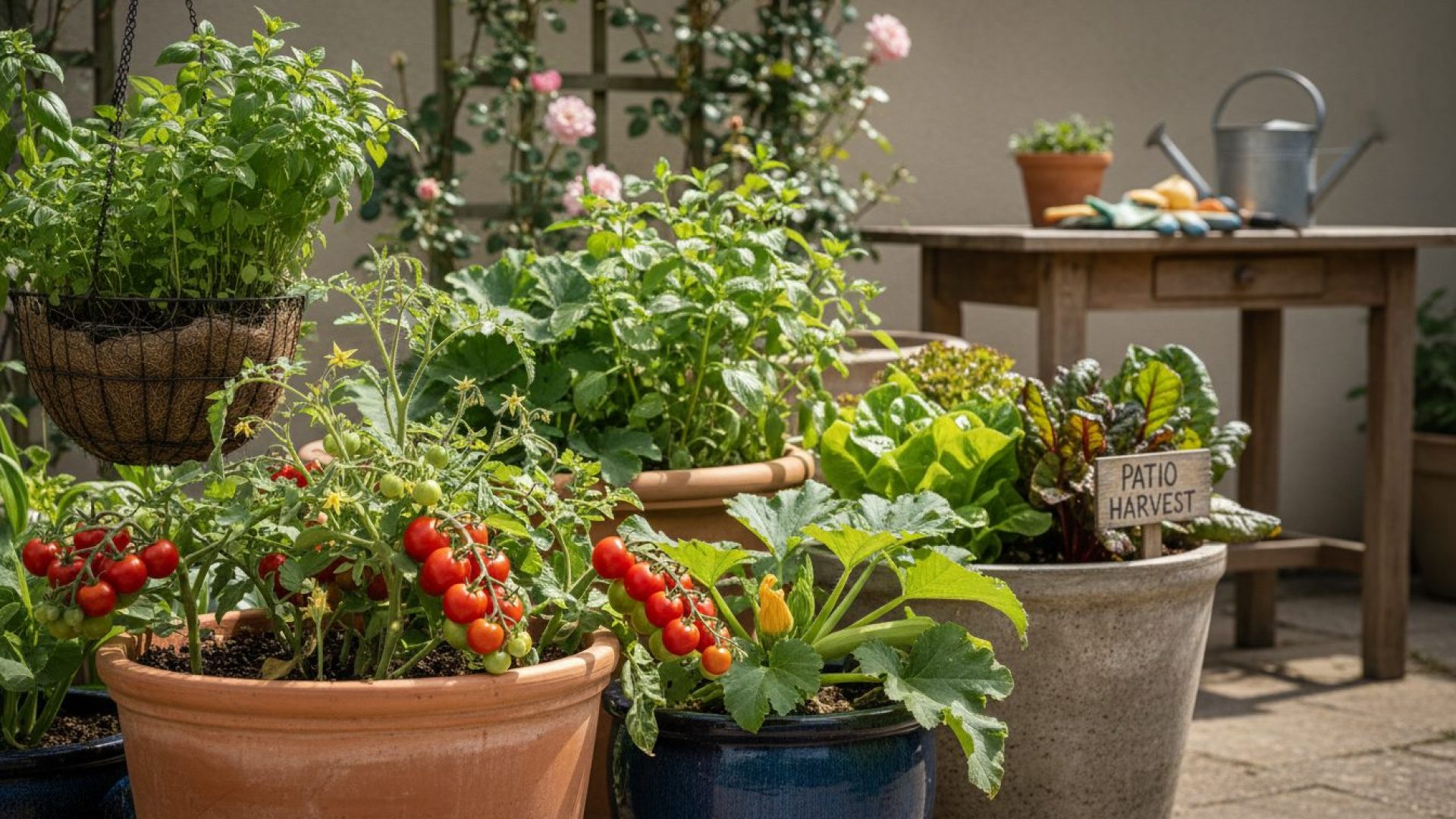
Let’s set the scene: It’s late spring, you’re staring at your tiny patio or scrappy balcony, and you’re daydreaming of fresh salads grown with your own hands—without a backyard. Maybe your windowsill is the only sun spot in your apartment. Or maybe, like me years ago, you bought seeds before you measured your actual growing space (a classic rookie move). When you wonder about the best vegetables to grow in pots, the question isn’t just “what grows?”—it’s how, and why, and what gives you the best bang for your buck (and effort) with limited soil and sun.
Container gardening isn’t just about improvising; it’s a strategy. I’m going to break down not only which vegetables thrive in pots, but also share some surprising comparisons, pros and cons I’ve learned the hard way, and a bit of why the answer depends as much on your habits as on sunlight and soil. Expect a mix of grounded advice, nerdy detail, and a few honest gardener stories you won’t find in slick catalogues.
Why Grow Vegetables in Pots? (And What Most Lists Don’t Say)
On the surface, the logic is simple: no yard, no problem—as long as you have a pot, a little soil, and a patch of light, you can grow food. But, there’s more going on under that potting mix. For one, container gardening lets you:
- Control your environment: Adjust soil, move pots, block pests.
- Grow in small, unexpected spaces: Tiny patios, balconies, porches, kitchen windows—all fair game.
- Harvest closer at hand: Want those fresh herbs while cooking? Snip basil right outside the door.
Let’s also be real—there are limits. It’s not always cheaper to garden in pots, and not every vegetable is happy being confined. I still shudder remembering my failed attempts with corn on a fourth-floor deck. (It turns out those roots want to roam!)
How to Judge “Best Vegetables” for Pots: The Key Criteria
If you’ve skimmed a few garden blogs, you’ll find the usual suspects—tomatoes, lettuce, peppers. But let’s break down exactly why some vegetables make the podium for pots:
- Shallow root systems: The less a plant wants to sprawl underground, the better it will do in a cramped container.
- Compact growth habits: Bush or dwarf varieties generally outperform gangly, space-hogging types.
- Fast maturity: Quick harvests mean more value per pot, especially if you like trying new things.
- Adaptability: Some vegetables just handle the stress and soil quirks of pots better (I’m looking at you, radishes).
And there’s your real-world filter. If you can check at least three of these boxes, a veggie is likely worth pot real estate—especially if you’re a beginner.
Top 8 Best Vegetables to Grow in Pots (With Stories & Data)
Here’s a curated list based on personal trials, failures, swaps with friends, and a ton of neighborhood garden tours. It’s not exhaustive, but these are the standouts—rated by real container success.
Tomatoes: The Classic, But Fussy Diva
I’ll start with tomatoes because, honestly, what’s more iconic? Compact ‘Bush Early Girl’ or sturdy ‘Patio Princess’ tomatoes will produce in pots, even as small as five gallons. But—most need support, heavy feeding, and more water than you’d expect (up to a quart a day in heat!).
- Pros: Big payoff, tons of varieties, flavor explosion.
- Cons: Sensitive to drought, disease-prone, finicky in small or shallow pots.
- Container size: Minimum 5 gallons, deeper is better.
Lettuce and Salad Greens: Fast, Forgiving, and Fresh
Lettuce is practically made for pots. Leaves mature in a month or less, roots are shallow (4–6 inches), and you can cut and regrow. I’ve tucked them into window boxes, old buckets, and even a broken wheelbarrow. Arugula, spinach, and mesclun mixes also shine.
- Pros: Nearly instant gratification, endless harvest, easy to move into/away from sun.
- Cons: Needs frequent watering, bolts in heat, doesn’t like to be crowded too much.
- Container size: Minimum 6 inches deep, wider is better for mixing types.
Peppers (Both Sweet and Hot): Small Plants, Big Flavors
Peppers surprised me. Even “jumbo” bell varieties top out at around two feet high. They love being warm, tolerate drought, and even the “ornamental” chiles deliver real harvest in pots as small as 2–3 gallons. ‘Cayenne’, ‘Jalapeño’, and ‘Lunchbox’ snack peppers have been particularly productive for me, especially against a sunny wall.
- Pros: Stunning colors, high yield-to-space ratio, persistent even with minor neglect.
- Cons: Slow to start in cool weather, roots can tangle if overcrowded.
- Container size: 2.5–5 gallons per plant, but go bigger if you can.
Radishes: The “Mood Booster” Quick Crop
Radishes are so quick (as little as 22 days from seed to harvest) that I suggest growing them just for the confidence boost—especially for kids or the easily discouraged. Pots let you control soil temperature and keep things loose, helping roots form properly.
- Pros: Immediate rewards, visually satisfying, good inter-planted with other veggies.
- Cons: Easily stunted in heat, needs consistent moisture, not a high yield per plant.
- Container size: 6 inches deep, but latitude in pot width—a shallow window box is perfect.
Carrots: Secret Success for the Patient (and Pot-Size Conscious)
I’m not going to sugarcoat this—carrots are tricky in hard soil or shallow pots, but in deep containers with loose mix? Absolutely. Go for ‘Thumbelina’ (round), ‘Parisian Market’, or ‘Nantes’ types. My best results came from an 18” deep pot left on a shaded patio (the deeper, the straighter the carrot).
- Pros: Root veggies are rarely bothered by pests in pots, fun “treasure hunt” harvest.
- Cons: Needs patience, uneven germination, fussy about water and consistency.
- Container size: At least 12” deep, ideally more.
Green Beans: Bush Types Rule in Small Spaces
Green beans (bush, not pole types) can be fantastically productive in containers. Three plants in a 12-inch pot kept me in beans for weeks that one memorable June. Focus on bush types like ‘Provider’ or ‘Contender’. They sprout fast, and their shallow roots suit container life.
- Pros: Productive, fun to pick, attractive foliage.
- Cons: Doesn’t love cold starts, needs regular picking to stay productive.
- Container size: 8–12 inches deep and wide, three to four plants per pot max.
Herbs: Basil, Chives, Parsley, and Beyond
Herbs are the “gateway” to vegetable container gardening. Basil thrives in warmth; parsley begs for a part-shade windowsill. Chives will tolerate cooler temps but bounce back when cut down. I’ve even grown compact rosemary and thyme in clay pots year-round with a little weather protection.
- Pros: Continuous cut-and-come-again harvests, unbeatable aroma, ultra-compact growth.
- Cons: Some herbs (like dill or cilantro) bolt quickly or get leggy; most don’t love soggy soil.
- Container size: Small pots (6+ inches for basil, a bit bigger for parsley), but they’re flexible.
Swiss Chard: Unexpected Color & Stamina
Chard might sound niche, but it’s a quietly powerful pot plant—vivid colors, strong growth, and harvests from spring through fall. Plus, unlike spinach (which bolts fast), chard tolerates heat and recovers after cutting. The variety ‘Bright Lights’ is both edible and showy.
- Pros: Highly productive, ornamental, versatile from baby greens to full leaves.
- Cons: Needs steady watering, big leaves can topple narrow pots.
- Container size: Minimum 8 inches deep, room to spread “shoulders.”
Quick Data Dive: Yield, Space, and ROI (Return on Investment)
If you’re a numbers type (or just like winning bets), here’s a snapshot of how these favorites perform in containers, based on university extensions and backyard trials:
- Lettuce: 6+ salads per square foot, per month (with cut-and-come-again types).
- Cherry tomatoes: 10–12 pounds per healthy container plant, peak summer.
- Green beans: 1.5–2 pounds per bush plant, if picked regularly.
- Herbs (mixed): $1–$2 worth per week per pot, just in grocery cost savings.
What does this tell us? The best vegetables to grow in pots aren’t just the prettiest or fastest—they’re strategic picks for multi-week, repeat harvests. Leafy stuff and compact fruiters (like cherry tomatoes and small eggplants) often beat “big one-off” crops (think corn or full-size cabbage) at squeezing more food out of every square foot.
Container Gardening Myths & Mistakes: A Dose of Reality
Before you load up your shopping cart, here are a few surprises I wish I’d known early on:
- Bigger isn’t always better. Sometimes, cramming too many plants in a giant pot is worse than several small pots. Fungal problems spread more easily in overcrowded soil.
- Drainage matters—big time. Pots without holes will make even the toughest veggies sulk. Root rot is the #1 silent killer in containers.
- Soil dries out fast. If it’s windy or your pots are dark-colored, you may need to water daily. (I set alarms during heat waves!)
- Use the right mix. Potting mix is lighter than garden soil for a reason: roots breathe. Garden earth in a pot can bake like a brick in the sun.
And don’t get discouraged by a couple of misfires. Even with experience, I’ll still lose a lettuce head to aphids or see a pepper sulk after a storm. That’s part of the charm—and the learning.
Expert Tips: Setting Up for Pot-Grown Veggie Success
Here’s a quick action plan from season-starters to long-term maintenance:
- Choose the right container: Minimum size for deep-rooted veggies (like carrots) is 12 inches; leafy greens need only about 6–8.
- Potting mix over garden soil: Loose, well-draining media sets roots up for success.
- Top dress with compost: Gives a slow-release nutrient boost as you water.
- Sunlight check: Most veggies want at least 6 hours, but greens tolerate less. Move pots if needed—mobility is your edge.
- Water deeply, not just often: Shallow watering = weak roots. Water until it runs out the bottom.
- Rotate crops and clean pots: Prevents disease buildup and soil fatigue.
My Oddest Container Success
One summer, desperate for space, I tried growing mini-cucumbers in an old plastic storage tote. They climbed a short trellis, shaded my lettuce, and the whole “container ecosystem” hummed along for weeks until powdery mildew took hold. Moral of the story: Don’t be afraid to experiment. Sometimes the best yields come from the quirkiest setups.
FAQ: Best Vegetables to Grow in Pots
- What’s the absolute easiest vegetable for container beginners?
Lettuce or radishes, hands down. They’re fast, forgiving, and the reward-to-effort ratio is unbeatable for a first try.
Usually, yes. Most potting mixes start strong but run out of nutrients after a month. I top dress with compost or use seaweed-based liquid feed every two to three weeks. Trust me, it shows in the flavor.
Bigger is safer for tomatoes, peppers, and deep-rooted crops (think a five-gallon bucket, at least). For leafy greens, a shoebox-sized pot works wonderfully.
You can, but refresh it by removing old roots, adding compost, and rotating crops. Every couple of years, I replace part or all of the mix if things seem sluggish or disease-prone.
Absolutely—just pair plants with similar water and light needs. For example, basil and tomatoes grow well together, but drought-loving rosemary might not enjoy a soggy lettuce pot.
Final Reflections: Why Pots Keep Teaching Me New Lessons
I’ve grown vegetables on fire escapes, under patio umbrellas, in toddler sandboxes, and in proper ceramic pots. Each season brings its own “aha” moments and unexpected success stories—the jalapeño that fruited for months, the carrots found only after I’d given up hope, the way a cherry tomato vine can turn a blank wall into a living pantry. If I had to frame what I’ve learned? Container gardening is equal parts science and improvisation; it rewards curiosity and patience more than perfection. Whether you’re filling a row of buckets on a sunny porch or tucking salad greens between patio chairs, the best vegetables for pots are the ones you’ll delight in tending, harvesting, and sharing—even if it’s just with yourself after a long day. Happy growing, wherever your pots may be.