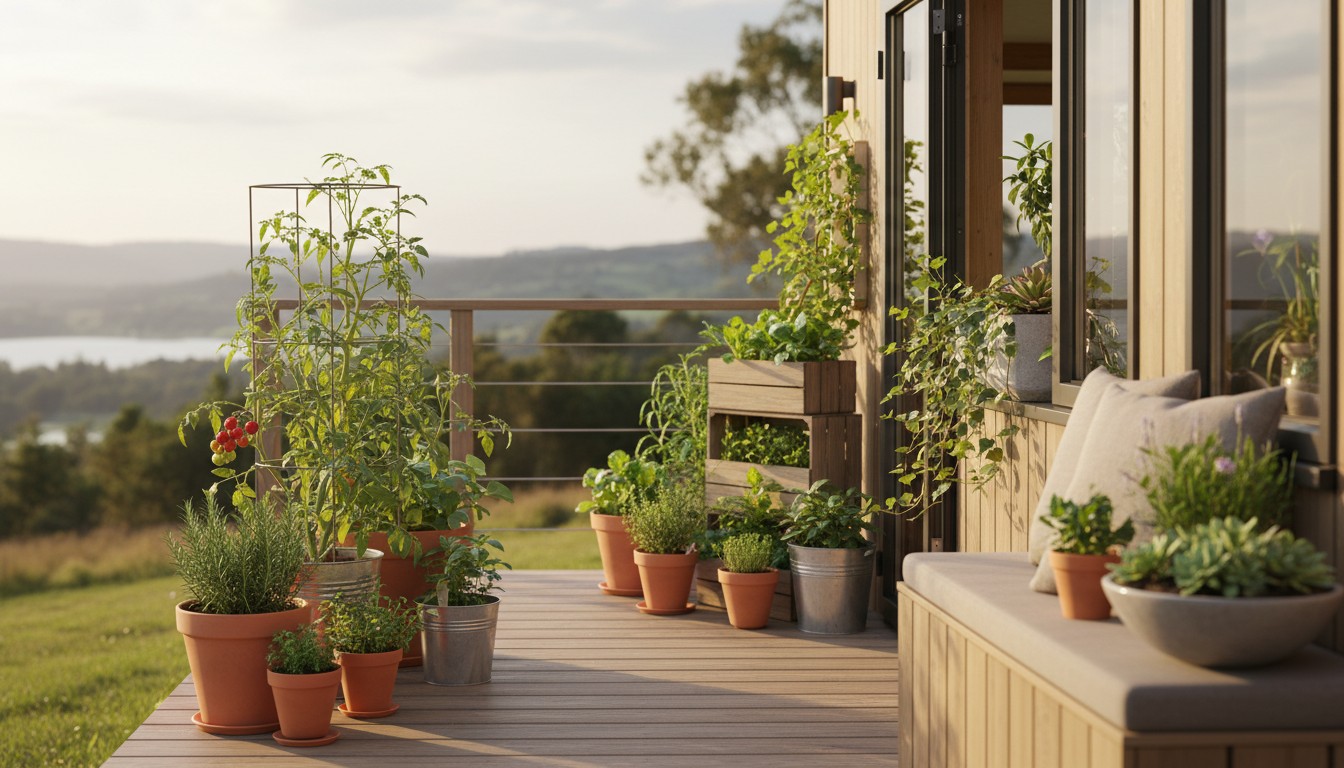
There’s something sort of magical about coaxing tomatoes out of a terra cotta pot on a sun-soaked balcony, or turning a windowsill into a leafy jungle when you only have a few square feet to spare. Container gardening for tiny homes isn’t just possible—it’s a quietly booming trend. And to be honest, it’s in these small spaces that gardening really gets creative. Let’s dig in and find what makes this approach so practical, satisfying, (and sometimes a little surprising) for people living small but dreaming green.
Why Container Gardening Suits Tiny Homes (And Busy Lives)
If you live in a tiny house, a studio, or just crave the simplicity of a low-commitment garden, you’re in good company. Urban dwellers and minimalists alike are swelling the ranks—according to the National Gardening Association, roughly 35% of food gardeners in the U.S. now use containers in some capacity, with many citing “limited space” as their number one reason. But it’s not just a compromise; there’s a logic and an art to container gardening that bigger backyards sometimes miss out on.
- Mobility: You can move your plants to chase (or hide from) the sun. If you move homes, your garden moves with you.
- Control: Individual pots mean you tailor care—drier soil for thyme, moister for basil. Less risk of disease and easier to troubleshoot problems.
- Microclimate magic: Containers warm up faster in spring, letting you start earlier. You can pamper tender plants by bringing them indoors for winter.
- Easy experimentation: Want exotic herbs, or unusual flowers? You don’t risk your whole garden—just try a single pot and see.
On the flip side, you’ll need to pay a bit more attention to watering (pots dry out faster), feed your soil with the right nutrients, and plan a little more because your square footage is precious. I’ll get to how to sidestep those headaches in a bit.
What Can You Grow? Busting the “Only Herbs” Myth
The stereotype is that container gardeners are limited to parsley on the windowsill. That’s not true—or, at least, not anymore. I’ve seen dwarf fruit trees thriving in whiskey barrels, green beans curling up string trellises in plastic totes, and even potatoes bursting out of old shopping bags. Here’s a quick breakdown:
- Herbs: Basil, thyme, chives, rosemary—all do brilliantly. (Honestly, sometimes I think basil was invented for window boxes!)
- Salad greens: Lettuces, arugula, and spinach grow fast in shallow trays.
- Tomatoes: Cherry or grape varieties love deep pots and a warm, sunny corner.
- Dwarf vegetables: There are “patio” versions of cucumbers, beans, carrots, and even zucchini now. Look for words like “bush” or “mini.”
- Flowers and pollinator plants: Nasturtiums, petunias, marigolds, lavender—pick colors that bring a bit of happiness every time you come home.
- And yes, even small fruits: Strawberries and dwarf blueberries can surprise you, especially if you’re patient!
The key is to check the mature size of anything you want to grow. The smaller the final plant, the more easily it’ll thrive in your allotted pot.
Designing a Tiny Home Container Garden: Where Art Meets Ingenuity
Here’s where things get fun—and a little personal. In tiny homes, every inch is territory worth fighting for. So, the most successful container gardens use layered thinking: vertical, horizontal, hanging, stackable. My neighbor once rigged up a “green wall” of herbs using recycled guttering on her fence, and her salads never tasted better.
Smart Placement for Maximum Yield
- Windowsills and Shelves: Perfect for herbs and microgreens. South-facing gets the most light (but east or west-facing works, too).
- Vertical Racks or Plant Stands: A 3-4 tiered stand can quadruple your plant capacity. Tomatoes or peas on the bottom, trailing or shallow-rooted plants above.
- Hanging Baskets: Trailing cherry tomatoes or strawberries can create a living curtain. (Just don’t forget to water them, as wind can dry them out fast!)
- Balcony Rail Planters: Great for maximizing sunlight and air circulation—ideal for Mediterranean herbs.
- Movable Pots on Casters: Larger containers (think dwarf fruit trees) can be shifted out of the way in a snap.
Mixing Aesthetics With Function
Let’s be honest: in a tiny space, clutter feels overwhelming. I always recommend pots in similar colors or materials (terracotta, galvanized metal, or even sleek white planters) to create a sense of order. Tuck in a fragrant rosemary next to ornamental violas, and suddenly your garden feels both useful and beautiful. Here’s a designer’s trick: odd-numbered clusters (3 or 5) look more natural than even rows.
The Nitty-Gritty: Soil, Fertilizer, and Watering
The biggest difference, in my experience, between “lively” container gardens and ones that fizzle out after a season is soil health. Good potting mix is like a luxury mattress for your roots—a mix of peat or coir, compost, perlite or vermiculite for drainage. It dries faster than ground soil, so you’ll need to water more often—sometimes daily in peak summer.
Quick-Reference Tips
- Check your pots for drainage holes. This is non-negotiable. Roots sitting in water will rot.
- Top-dress with compost or slow-release fertilizer. Container soil gets depleted faster, so replenish nutrients every 2-4 weeks during the growing season.
- Water deeply, not just the surface. I like to stick my finger in—if it’s dry two inches down, it’s time to water.
- Group plants with similar needs. (You don’t want a cactus and a lettuce jostling each other—they’ll both be miserable.)
“Can I Actually Feed Myself?” The Honest Yield Conversation
This is a question I hear a lot—usually from folks with high hopes and tiny kitchens. Is container gardening in your tiny home just prettiness, or can it really make a difference? Here’s the realistic take: you probably won’t grow all your veggies for the year (unless your diet is mostly microgreens). Still, you can supplement your meals and boost freshness in a way that’s honestly pretty satisfying.
Take salad greens. One standard windowbox can produce about a salad a week all spring and fall if you keep harvesting the outer leaves (“cut and come again” style). A single cherry tomato plant can yield dozens, sometimes over a hundred fruits if it’s happy. Herbs, though? The real MVPs. Even a single basil plant in summer can save you $10-$20 in grocery store purchases, and you’ll use more because it’s right there.
It’s less about feeding yourself entirely, and more about changing your relationship with fresh food—adding bursts of flavor, color, and a sense of self-sufficiency even in seven spare square feet.
Common Challenges—and How Tiny Home Gardeners Outsmart Them
If there’s one thing containers teach you, it’s humility. Things dry out, roots get crowded, aphids show up where you least expect. But the smallness is on your side: you spot things early, and one sick plant can be whisked away before its neighbors notice. Here’s what I’ve learned from trial and—let’s be honest—some error:
- Watering challenges: Invest in a lightweight watering can, and set reminders—especially during heat waves. Self-watering pots or a shallow tray under groups of pots can help keep things more consistent if you travel.
- Over-fertilizing: “More is better” doesn’t apply in pots. Go light—follow package instructions or even err on the side of slightly less.
- Plant crowding: Be ruthless. Seed packets oversell how closely you can plant things. Give each pot its own “territory.”
- Pest outbreaks: Wipe leaves with a damp cloth or spritz with a mild soap solution (test first). Spider mites and aphids pop up quickly in enclosed spaces, but you can usually respond faster than in a big garden.
- Leggy or pale plants: Often a sunlight issue. Rotate pots, and consider a grow light for a few hours a day in winter.
True Stories: Real-World Tiny Home Gardeners
Stories are better evidence than data sometimes, aren’t they? My friend Sam lives in a 220-square-foot tiny home with a four-foot-wide balcony and two cats. She grows nasturtiums, mint, spinach, and a dwarf tomato every year—she swears it keeps her sane during city summers. “It’s like a living art project,” she told me. “The plants change every day. Watching something grow in the middle of concrete… it feels like I’m cheating the city somehow.”
Or there’s Daniel, who moved to container gardening when his third-floor apartment made traditional gardening impossible. He turned old storage bins into a little salad bar outside his sliding doors. “I’d never tasted arugula like that,” he said. “It actually made me want to eat more greens because I’d grown them.”
Pros and Cons: A Tiny Table for Tiny Homes
- Pros:
- Flexible design—you can rearrange with the seasons or your mood.
- Less weeding (almost none, really).
- Easier pest and disease control.
- Access to gardening for renters, condo dwellers, or the ultra-mobile.
- Can be surprisingly productive with the right plants and attentive care.
- Cons:
- Higher upkeep, especially for watering and feeding.
- Somewhat limited in what you can grow (melons and pumpkins, for example, might be a stretch).
- Pots and soil can be up-front investments.
- Yield per plant is generally lower than in-ground gardens—but with more variety options.
Quick Experiments to Try (And Enjoy!)
- Salad Bar in a Tray: Sow a mix of lettuce, arugula, and radishes. Harvest greens by snipping leaves with scissors when they’re 3-4 inches tall.
- Mini Herb Wall: Use a shoe organizer (clean, of course!) on the back of a door or fence. Plant different herbs in each pocket—most need just 4-6 inches of depth.
- Shelf of Succulents: For pure ease, try a range of succulents or cacti. They need less water, but bring natural beauty to even a bathroom window.
- Trellised Cherry Tomatoes: One plant, a deep pot, a simple bamboo pole—or even sturdy chopsticks. Watch it climb and reward you with fruit.
FAQ: Container Gardening for Tiny Homes
Can I start container gardening if I have zero sunlight?
It’s a challenge—plants need some kind of light, but you have options. Most herbs and leafy greens (like lettuce and spinach) can tolerate moderate indoor light. For really dim rooms, a small LED grow light (15-30W) can fit on a shelf or tabletop and make a world of difference. I’ve even seen people grow salad greens on a closet shelf that way!
How often do I need to re-pot plants?
Depends on the plant. Fast growers (basil, lettuce) usually last one season in their original pot. Perennials or shrubs might want a slightly bigger pot every year or two. If a plant seems cramped, wilts frequently, or roots poke out the drainage holes, it’s probably time to “upgrade.”
Will I save money by growing in containers?
Let’s be real: some things, like basil or mint, pay off quickly because you use small amounts often. Others, like tomatoes, may cost about the same as buying them, once you count soil and pots. Still, the freshness, taste, and satisfaction—you can’t really put a price on that. And over several seasons, pots and even soil amendments can be reused, making the investment more worthwhile.
What about bugs inside my tiny home?
Good question! Most “indoor” bugs are more of a nuisance than a disaster. Catch problems early by inspecting plants each week. A sticky trap near your planters, and washing leaves with water or soapy solution, usually keeps things in check. Also, letting the top inch of soil dry out prevents fungus gnats—a common annoyance.
How do I avoid overcrowding my place with plants?
Ha, it’s tempting to turn your home into a jungle! Keep things orderly by limiting the number of big containers, using shelves or hanging planters, and choosing multi-purpose plants (like nasturtiums, which are both edible and lovely). In tiny homes, a well-chosen few—arranged thoughtfully—make the biggest visual impact.
One More Thought: Why Small Gardens Matter
If there’s a lesson I keep relearning through container gardening for tiny homes, it’s that beauty and abundance can spring from even the smallest roots. You don’t need acres or endless time—just a curiosity about plants, a bit of sunlight, and the willingness to try (and sometimes fail). There’s a real sense of kinship in growing a little green nook in a tiny home, knowing millions of others are doing it too. And maybe, in a world that sometimes feels overstuffed, a few carefully tended pots can offer the most space to breathe.