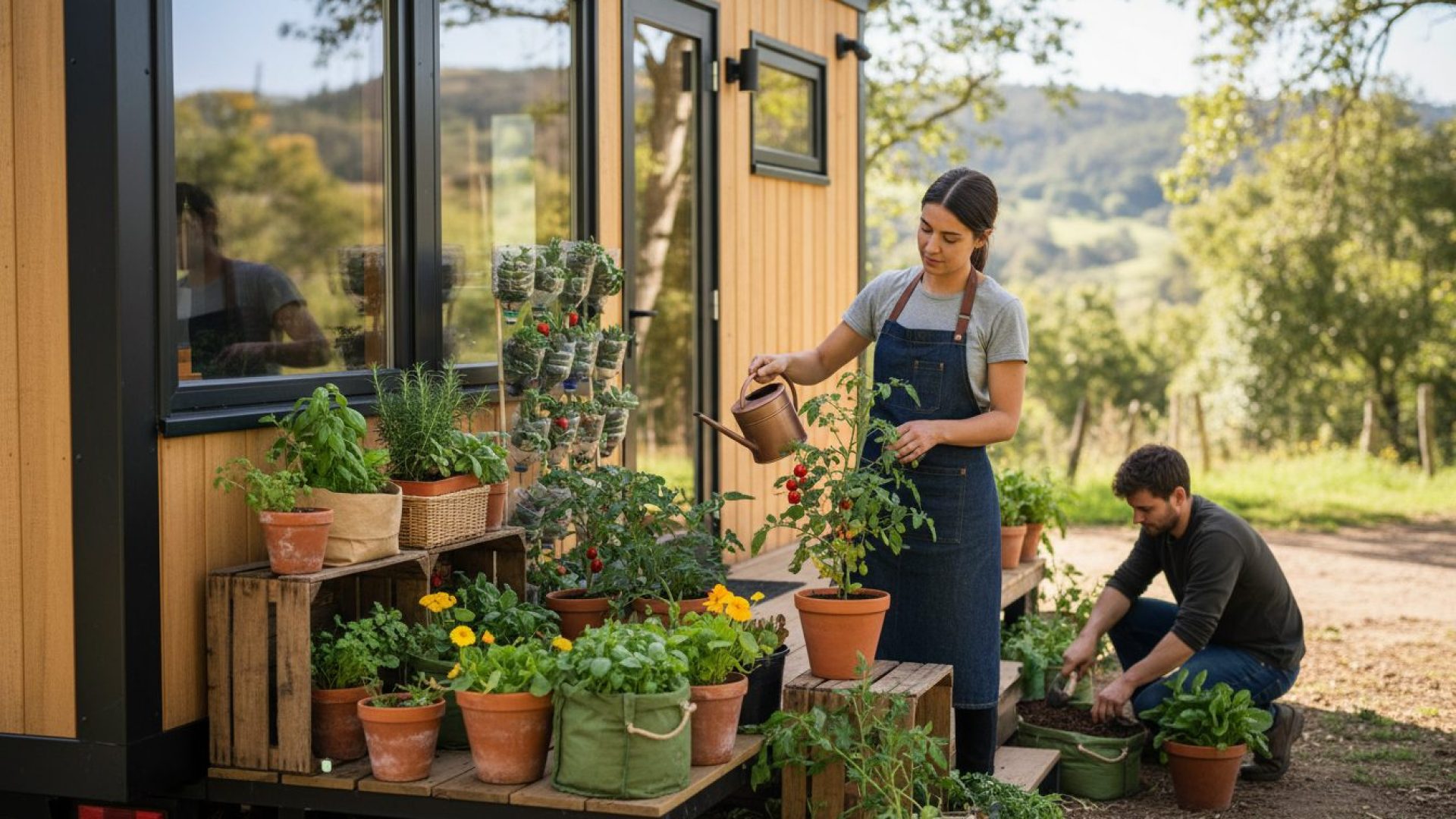
Let’s be real: living in a tiny home can feel like winning and losing at the same time. Sure, you’ve got clever storage, a smaller carbon footprint, and less to clean—but where, exactly, are those homegrown tomatoes supposed to go? If you’ve ever cursed your lack of a backyard while craving fresh basil or daydreamed about a lettuce jungle sprouting next to your couch, you’re definitely not alone. Container gardening for tiny homes is blooming, and honestly, it’s one of my favorite ways to turn tight spaces into lively, edible sanctuaries. You just have to see it with different eyes.
What Makes Container Gardening So Perfect for Tiny Homes?
It’s easy to think, “Hey, I’ve barely got room for a coffee table, let alone a garden!”—but that’s exactly why containers are the secret weapon. Unlike in-ground gardening, container gardening gives you full control: what you grow, where you grow it, and even when you “redo” a part of your garden. For tiny homes, especially those with limited outdoor space or none at all, the flexibility is a game-changer.
Here’s something I picked up after years of container trials: the average American apartment has just 36 square feet of usable balcony or patio. In a tiny home, sometimes you’re down to a mere windowsill or a narrow stoop. But a single 10-inch pot can host a full lettuce crop, and that’s just the start. It’s like playing real-life Tetris with plants—and there’s genuine satisfaction every time you fit a new “block.”
Why does container gardening work so well in small spaces?
- Portability: Move your pots around to chase the sun or change up your layout.
- Soil control: No mystery yard dirt—just the perfect mix for your plants.
- Pest management: Fewer pest issues compared to garden beds—they have a harder time discovering your “mini-farm.”
- Design freedom: Blend beauty and practicality. Edible plants, flowers, succulents—you name it.
- Year-round growing: Pots can come inside when frost hits, extending your growing season noticeably.
Rethinking Space: Every Inch Counts
You don’t need a sun-filled veranda. Think up, not out. I once lived in a converted school bus—yes, really—and managed to grow a surprisingly productive herb wall next to the door. The trick? Shelving, hanging baskets, and a few odd places you wouldn’t expect.
Unlikely Spots for Containers
- Windowsills (inside or out)
- Tiny decks or steps
- Hanging railings
- Vertical planters attached to walls
- Bathroom shelves (mints, ferns love humidity)
- Ladder shelves repurposed as multi-tier plant racks
- Even old drawers pulled out slightly under a window
I sometimes laugh when people assume you need special containers. Food-safe buckets, old tea tins, cracked mugs—so long as there are drainage holes, they’ll work. In fact, resourceful container selection is half the fun of tiny home gardening. Pinterest boards are full of ideas, but honestly, a repurposed yogurt tub works just as well and costs nothing.
What Can You Actually Grow in Containers?
This is where most beginner container gardeners get wide-eyed. I’ve seen folks pull off dwarf lemon trees inside shipping containers and raise full-on salad bars out of 12-inch pots. But there are a few rules.
- Choose compact or dwarf varieties. “Patio” tomatoes, “Little Gem” lettuces, and mini bell peppers do well.
- Mind your light situation. Leafy greens need less sun (4 hours), fruiting veggies more (6+ hours).
- Herbs are rockstars. Parsley, basil, chives, mint—these thrive with just decent window light and small pots.
Best Plants for Tiny Home Containers
- Leafy greens (spinach, arugula, lettuce)
- Herbs (rosemary, thyme, oregano, basil, mint)
- Cherry tomatoes (“Tiny Tim” or “Balcony” types)
- Radishes (astonishing how fast they mature!)
- Strawberries (especially trailing types for hanging baskets)
- Peppers (look for compact/dwarf varieties)
- Dwarf citrus (if you’ve got a sunbeam and patience)
I once knew a couple living in a 200-sq-foot shed who managed to grow cilantro, basil, lettuce, and dwarf cherry tomatoes—enough for multiple salads a week—from just five containers on their steps. It’s about picking plants that suit your sunlight and your appetite.
The Realities: Pros, Cons, and What I Wish I Knew
Pros
- Ultimate flexibility: Shift things indoors, outdoors, wherever the conditions are right.
- Limited weeding, fewer pests, and rarely any disease outbreaks.
- Minimal water and fertilizer needs compared to big garden beds.
- Decoration + function: Plants can lift spirits and purify air while feeding you.
Cons
- Pots dry out quickly (especially ceramic or small ones)—you’ll need to check moisture often.
- Some plants get root-bound, so choose the right size pot from the start.
- Space limits mean you’ll never grow a year’s worth of potatoes, sorry!
- Over-fertilizing can sneak up on you—“more” isn’t always better in small containers.
One thing I wish I had realized earlier: when you’re gardening in containers, the little details matter much more. The first year I got lazy with drainage holes, my basil died from root rot. The next same basil, new container, perfect drainage—lush and delicious. Tiny homes demand attentive, hands-on gardening, and there’s some learning curve. But the rewards come quickly, and sometimes, surprisingly strong.
Step-by-Step: Starting a Tiny Home Container Garden
Let’s break this down. If you want to kick off your own tiny home container garden, here’s how I’d do it:
- Survey your space. Is there at least one sunny window? A corner for a small shelf? Even the top of the fridge?
- Pick pots with drainage holes. If they don’t have any, make them—roots need air and can’t sit in swampy soil.
- Choose a premium potting mix. Avoid using plain dirt. Add perlite or coconut coir to keep it light and airy.
- Match your plants to your conditions. Low light? Go for mint, spinach, or lettuce. Full sun? Tomatoes, peppers, or strawberries.
- Water thoroughly, but not daily. Poke a finger a couple inches down—if it’s dry, water deeply. Pots tend to dry faster than ground beds.
- Feed with a diluted organic fertilizer monthly. Liquid fish emulsion works wonders, but yes, it can whiff a bit indoors. Try worm compost tea as a mild option.
- Keep an eye out for pests. Aphids and fungus gnats might show up—rub them away or treat with soapy water spray.
Mythbusting: Common Misconceptions
- Myth: “You can’t grow much in containers.” Reality: I’ve seen someone harvest 5+ pounds of mixed greens over a growing season from window boxes on a fire escape.
- Myth: “You need fancy self-watering planters.” Reality: Plastic food containers, with drainage, can match the performance of expensive pots for most herbs and greens.
- Myth: “Sun matters most.” Reality: Consistent watering and nutrition are just as, if not more, important for container success, especially indoors.
Design Tips: Making It Functional and Beautiful
Tiny home gardens pull double duty. They’re not just about food—they shape your mood and your space. How do you balance both?
- Mix colors and textures. Marigolds deter pests and look joyful next to oregano and basil.
- Go vertical. Mount shelves or use tiered plant stands to multiply your usable space.
- Find beauty in repetition. Three matching pots of parsley, basil, and chives can look intentional and tidy.
- Rotate your “crop” pots. When one set finishes (like spring lettuce), swap in flowers or summer tomatoes—it keeps things lively.
- Use upcycled containers. They tell a story and keep trash out of the landfill; just be sure they’re clean and food-safe.
Real-World Mini Case Study
I helped a friend settle into a 240-square-foot tiny house last year. She wanted cucumbers but only had one small deck railing. We went with three deep hanging baskets, each planted with a “Patio Snacker” cucumber and dwarf nasturtiums (which trail and repel bugs). By July, her outdoor brunches included homemade tzatziki with her own cukes—and pollinators flocked to the flowers. Maximum taste, minimum space. It’s always amazing seeing how flexible container gardening for tiny homes really can be.
Frequently Asked Questions About Container Gardening for Tiny Homes
Can you really grow food indoors with no balcony at all?
Absolutely! As long as you’ve got light—a sunny window is best (ideally south or west facing)—you can garden indoors. Stick to herbs, salad greens, microgreens, and even a few peppers; they don’t need massive pots and actually love the warmth and stability of indoor conditions. If you’re in a dark space, an LED grow light pays for itself in a season or two.
Which containers are best for tiny home gardening?
Almost anything with drainage! Clay pots look great but dry out fast. Plastic keeps soil moist longer. I’ve had great results with lightweight fabric grow bags—they fold flat for storage and “air prune” roots so plants flourish. Look for food-safe markers on upcycled buckets or bins, and always make sure excess water can escape.
How often should I water my containers?
It depends on the pot size, plant type, and your home’s environment. Small pots = faster drying. I usually check every two days, or daily during heat waves. Stick a finger in the soil—if it feels dry an inch below the surface, water deeply until excess runs out the bottom. Over-watering is actually more common than under-watering in tiny-home setups, so go by feel.
How much food can a tiny home container garden produce?
Enough for flavor, not full self-sufficiency. Think regular herb clipping, a few salads a week, or the thrill of your own cherry tomatoes popping in summer. Most tiny home setups yield extra nutrition and big satisfaction but aren’t meant to stock a pantry for winter. Still, there’s something soul-satisfying about snipping parsley you grew yourself while dinner bubbles on a single-burner stove.
What pests should I look out for?
The most common indoors: aphids, spider mites, and fungus gnats. Outdoors, you might run into slugs or the odd caterpillar. Early detection is everything—wipe them off or spray with a mild, soapy water solution. Healthy plants resist attack better, so keep your soil rich and don’t crowd your containers too closely.
Final Thoughts: The Joys (and Surprises) of Small-Scale Growing
If I’ve learned one thing from years of micro-gardening adventures, it’s this: container gardening in tiny homes is about creativity, not compromise. Some years, the basil bolts early or a rogue aphid invades. But mostly, you find new ways to fill empty corners with life, to wake up each morning to a row of green leaves reaching for sun—and, at least for me, to eat just a little fresher and happier.
You really don’t need a yard, just curiosity and a pot or two. Even the smallest space can burst into an edible jungle if you let it. Honestly, that’s pretty close to magic, no?