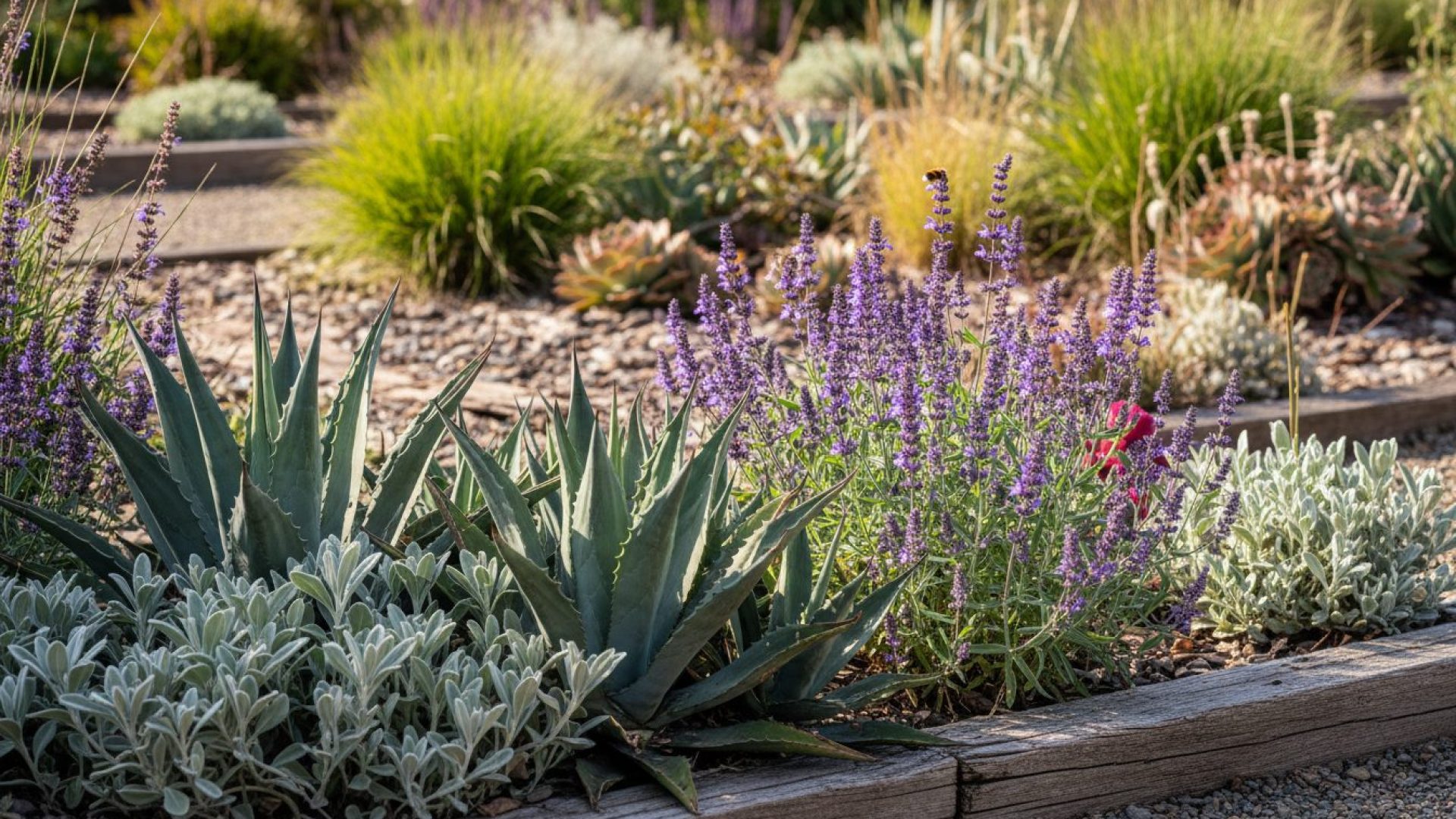
Have you ever tried keeping a garden alive through a long, rainless summer? If you have, you know that wilting leaves and parched soil aren’t just problems—they’re little heartbreaks. But here’s the hopeful twist: there’s a whole world of drought tolerant garden plants that can help your landscape survive—and even thrive—when the weather won’t cooperate. Whether you’re wrestling with water restrictions, sandy soil, or just hate dragging a hose around, these resilient beauties might be your garden’s new best friends.
Why Are Drought Tolerant Plants So Important Right Now?
It’s not just your backyard that’s feeling the heat—water shortages are creeping up all over. In the last decade, nearly 40% of the U.S. has experienced moderate to severe drought at some point each year. That means more gardeners (and city planners, and neighbors) are looking for smarter plant choices that can handle tough times.
This isn’t just about saving time or money—though, honestly, that’s a nice perk. It’s about creating home landscapes that make sense: supporting pollinators, slicing water bills, and bouncing back even when the forecast is bone-dry. I’ve noticed that when I mix more drought-tolerant plants into my own beds, the whole garden just gets steadier—less drama, fewer crises, and a lot more hummingbirds.
The Science Behind Drought Tolerance
Let’s break this down. What makes some plants tougher than others when rains disappear? Several plant superpowers help, like:
- Deep roots: Plants like lavender and Russian sage send roots deep, tapping hidden water.
- Waxy or fuzzy leaves: These surfaces, common on sedums and lamb’s ear, trap moisture and slow evaporation.
- Small, narrow leaves: Think of thyme or rosemary—less leaf area means less water loss.
- Dormancy: Some native plants “nap” through tough spells, then return with a vengeance after rain.
What’s fascinating to me is how evolution fine-tuned these tricks over thousands of years. It kind of makes you want to give these survivors a space in your own patch, doesn’t it?
All-Star Drought Tolerant Garden Plants
Picking the right plants is more art than science, but a few favorites win out again and again in dry-climate gardens. Here’s a personal short list you might spot in my own stubborn backyard. I’ll split them into types for clarity:
Perennials That Power Through
- Lavender (Lavandula spp.): Not only fragrant, but downright tough; bees can’t resist it.
- Russian Sage (Perovskia atriplicifolia): Pops with purple blooms and stays tidy in lean, dry soils.
- Blanket Flower (Gaillardia): Bold, daisy-like flowers that shrug off heat and neglect.
- Sedum: Succulent leaves mean this “stonecrop” barely flinches at drought.
- Coreopsis: Sunshine in flower form, perfect for wild or formal settings alike.
Tough Shrubs for Structure
- Butterfly Bush (Buddleia): Attracts pollinators and laughs at drought once it’s established.
- Smoke Bush (Cotinus coggygria): Showy, smoky plumes and striking color—little fuss required.
- Rockrose (Cistus): Mediterranean-native, so it thrives where summers are dry and hot.
Drought Smart Groundcovers
- Thyme (Thymus spp.): Edible, fragrant, and lots of varieties—creeps over stone, tolerates foot traffic.
- Lamb’s Ear (Stachys byzantina): Velvet-soft and silvery, it keeps looking good even when thirsty.
- Ice Plant (Delosperma): Dazzling flowers, super-succulent leaves; great for sunny hot spots.
Annuals, Grasses, and “Wow” Accents
- Zinnia: You get punchy, long-lasting color all summer with minimal watering.
- Blue Fescue (Festuca glauca): Cool blue-green tufts for a textured look, even in July heat.
- Purple Fountain Grass: Dramatic, arching plumes—perfect for containers or the edge of beds.
How to Plan a Drought Tolerant Garden (Without Sacrificing Beauty)
There’s a myth that xeriscapes—you know, water-wise gardens—are all rocks and sad, crispy shrubs. That’s total nonsense. Planning a drought tolerant landscape is about smart design, not sacrifice. Here’s my basic approach:
- Assess Your Space: Which spots get full sun all day? Which get some afternoon shade? Dry areas lean toughest on south and west sides.
- Group by Water Needs: Put thirsty plants closer to the house (where runoff helps), drought lovers farther away.
- Prepare the Soil: Quick tip: Well-drained soil beats clay every time for drought resistance. A 2-3” mulch layer helps retain moisture and keep roots cool.
- Choose the Right Plants: Start with a handful of proven survivors (like those above), then branch out based on style or local advice.
- Water Wisely: Deep, infrequent watering trains roots to grow deeper—think long soaks every 7-14 days, not a little splash every evening.
Here’s something people often miss: instant impact isn’t as important as long-term resilience. Give your garden a season or two—drought-tolerant plantings age like a good wine.
Real-World Results: A Mini Case Study
Beth, a neighbor of mine, switched half her front yard to drought tolerant garden plants after two consecutive dry summers. The results? She cut her outdoor watering by about 60% (yes, she tracked it)—and her new “dry” garden drew more butterflies and bees than her old lawn ever did. There were definitely awkward gaps and a couple of duds the first season, but by year two, the look was far more lush and lively than anyone expected.
I noticed another small trend: she spent noticeably less time pulling weeds—once you have dense groundcover and mulch, those empty, weed-friendly spots kind of disappear. Her biggest regret? Not swapping sooner.
Pros and Cons of Drought Tolerant Planting
- Pros:
- Much lower water bills
- Less time spent watering and fussing
- Wildlife-friendly (pollinators love natives and toughies)
- Often less disease and pest pressure (stressed plants get sick—resilient ones don’t)
- Surprisingly beautiful if planned well
- Cons:
- Some bloom less or look sleepy during very hot spells
- May require strategic mulching and the right soil prep to thrive
- Random plant losses—establishment year can be patchy
Personally, I find the tradeoffs totally worth it—but you’ll want to give yourself a season or two to see the full transformation.
Simple Maintenance Tips for Drought Smart Gardens
This might sound like cheating, but once your drought tolerant plants settle in, maintenance drops way down. Here are the tricks that save me time each summer:
- Mulch religiously in spring to trap moisture
- Trim and deadhead to encourage new blooms (but don’t stress too much)
- Weed early—resilient gardens still let in opportunists if you’re not careful
- Wait to fertilize: many tough plants hate “pampering” (too much nitrogen leads to floppy, weak growth)
- Keep an eye on new plantings their first year—after that, most are happy being left alone
Common Myths About Drought Tolerant Garden Plants
- They only work in deserts: Actually, many of these plants are stunners in temperate and even humid regions—you just water less.
- They’re drab or boring: Spend five minutes looking up ‘sedum autumn joy’ or ‘rudbeckia’ in bloom—you’ll see what I mean.
- They’re strictly native species: While natives excel, Mediterranean, South African, and Australian imports are incredible drought busters too.
- Once established, they need no water at all: Even tough plants need deep soaks in their first growing season—and sometimes during truly brutal dry spells.
Quick Tips for Gorgeous, Low-Water Plant Combos
- Pair spiky grasses with bold, flat-flowered perennials for contrast
- Mix silvery foliage (like artemisia or lamb’s ear) with deep greens for year-round color
- Use pots—annuals like zinnias and succulents are fantastic in containers that can be moved into or out of the sun
- Repeat one or two main plants through your design to keep the look cohesive
Want inspiration? Check out the Water Use It Wisely guide—it’s packed with plant lists and beautiful real-life examples.
FAQ About Drought Tolerant Garden Plants
- Q: Can I grow drought tolerant plants in clay soil?
Yes, but it takes a little extra prep. Mix in coarse compost or even some fine gravel to loosen up clay. Start small and always check which plants handle heavy soils best—many prairie-style perennials are surprisingly tolerant once established.
- Q: How long before these plants look “full” or established?
Most need a full growing season to settle, and some look awkward at first. By the second year, you’ll see real growth and density. Oddly enough, the waiting is part of the fun—watching that transformation beats instant results in my book.
- Q: Are drought tolerant plants deer resistant?
Some are! Things like lavender, Russian sage, and lamb’s ear are usually ignored by deer, but nothing is 100% safe when wildlife is hungry. Check local advice or watch what survives in your neighbors’ yards.
- Q: Should I fertilize these plants?
Go light on fertilizer, especially if your soil isn’t too poor. Overfeeding can make them floppy and weak. Many drought tolerant plants evolved in lean, rocky terrain—they actually do better with less.
- Q: What about combining drought tolerant plants with edibles?
Absolutely—herbs like thyme, oregano, and rosemary are both edible and super tough. Even some fruiting plants, like figs or prickly pear, can fit in low-water gardens with careful planning.
Thinking Ahead: Why Drought Tolerant Gardens Matter
Here’s what keeps me coming back to this topic year after year: when you plant for resilience now, you’re not just saving water or money. You’re creating a patch of the world that can handle uncertainty—a garden that invites life in, even when the weather lets you down. That kind of foresight feels extra important as we move forward into a warmer, drier world. And on those deeply satisfying mornings when the rest of the neighborhood’s lawns are wilting, you’ll notice—your garden just sits there, quietly beautiful, doing what it was always meant to do.
After all, isn’t that what we want from our gardens? Constancy, beauty, and a bit of effortless joy. I’d say that’s water well saved.