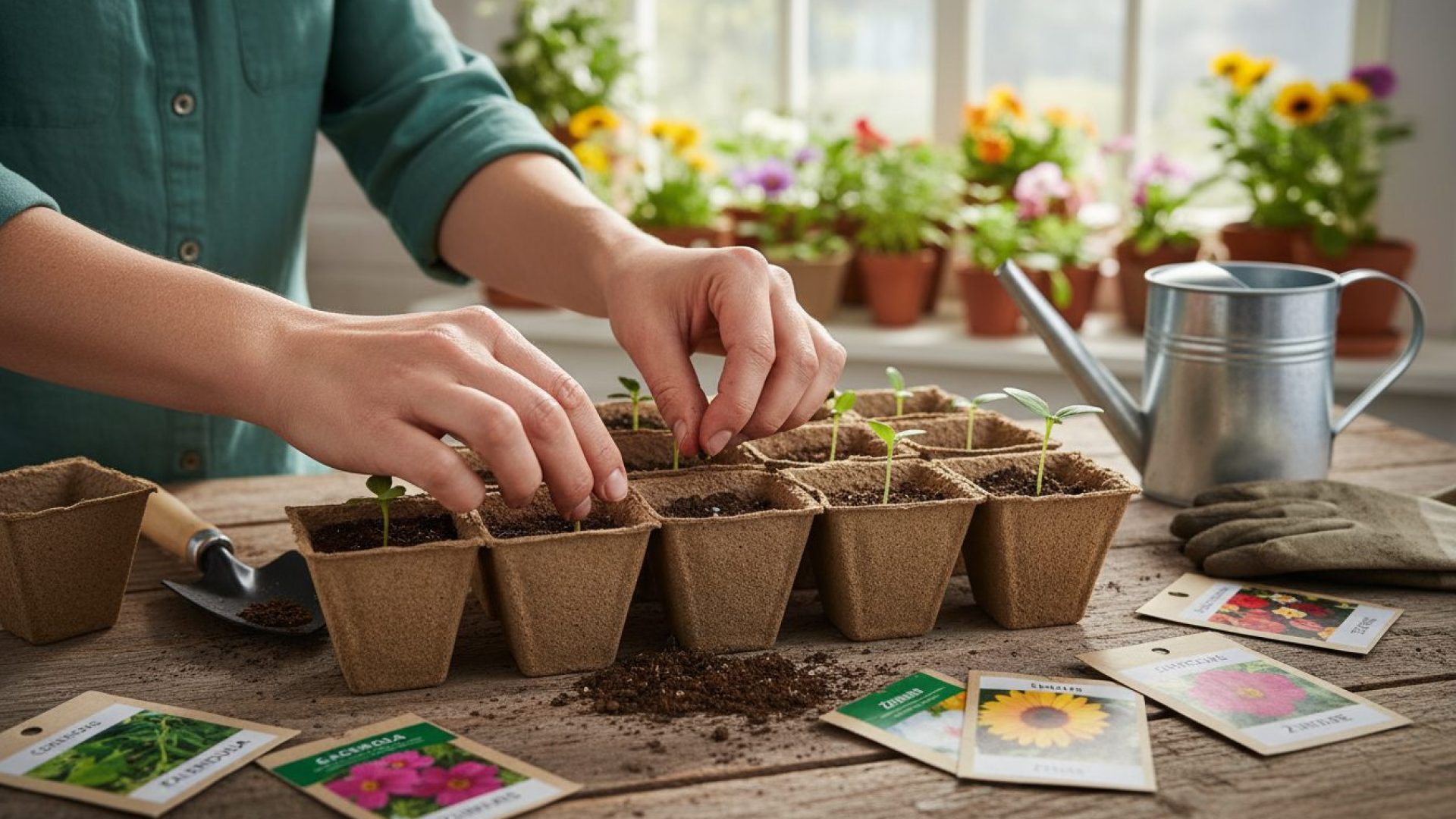
There’s something irresistibly hopeful about planting a plain old seed and waiting for it to burst into color. If you’ve ever thought, “I’d love to grow my own flowers, but I have no idea where to start,” you’re not alone. Easy flowers to grow from seeds really do exist—you just have to pick the right ones, know what to expect, and give them a little patience. You don’t need a horticulture degree, years of composting, or a greenhouse the size of your garage. Trust me; I’ve seen kids with a handful of soil and an ounce of luck end up with yards more vibrant than their parents’ fancy roses.
Why Grow Flowers from Seeds Instead of Buying Plants?
Let’s break it down: growing from seed isn’t just for the penny-pinchers or hardcore garden experimenters. There are solid reasons why many home gardeners (and even pros) still prefer tossing some seeds in the dirt, even with pretty potted annuals at every big-box store.
- Cost: One packet of zinnia or marigold seeds—often $2 or less—can produce a bursting row of flowers, while a single nursery-grown plant can set you back the same amount.
- Variety: You’ll find way more colors and shapes in seed catalogs (hundreds of cosmos types! Crazy sunflowers!), as nurseries pick only a few predictable varieties for resale.
- Resilience: Seed-grown flowers are often tougher. They adapt to your soil and weather from day one, instead of sulking about being moved from a comfy pot.
- Satisfaction: There’s honestly no contest: seeing that first sprout after a week of waiting is pure magic.
In my garden, direct-seeded annuals like cosmos and calendulas always outpace the storebought bedding plants by July. Plus, I’m not stuck dealing with peat pots, transplant shock, or accidental root damage (which, if you’ve ever heard a snap while potting up, you know the pain).
Choosing Easy Flowers to Grow From Seeds: Data and Patterns
When I talk to gardening newcomers, here’s what usually matters:
- Quick germination (nobody wants to wait months!)
- Forgiving about soil and sunlight
- Low pest/disease susceptibility
- Visible results (flowers in the first year, ideally in weeks)
Based on popular gardening resources, community plots, and national garden surveys (like the National Gardening Association annuals popularity report), the majority of successful beginner-friendly flowers are annuals—plants that go seed-to-seed in one season. About 70% of “starter flowers” you see at garden stores are these exact types. They don’t fuss much, and they don’t care if your soil isn’t pure magic. But a few perennials (like poppies and black-eyed Susans) make the cut, too.
The Top 7 Easiest Flowers to Grow from Seeds
I’m going to skip the predictable “sunflower, marigold, zinnia” list for a moment. Let’s dig into what makes these, and a few unsung heroes, so reliably foolproof—and where even the easiest can sometimes go wrong.
1. Sunflowers (Helianthus annuus)
Why they’re so easy: Massive seeds (hard to lose, fun for little hands), fast germination (5–10 days), and the plants grow aggressively—even in surprisingly poor soil.
- Direct sow anytime after frost danger is past.
- Tolerate most soil types—just make sure it drains well.
- Watch out for birds: they love the seeds! Cover with a little netting if necessary.
I’ve watched sunflowers grow six feet tall on ground that barely supported grass. A neighbor once planted a whole row along her picket fence, and within two months, you could barely see the fence.
2. Zinnias (Zinnia elegans)
Quick germinators: Seeds sprout in 4–7 days if it’s warm. Zinnias may be the friendliest annual—robust, dazzling in color, and generally unbothered by disease. They’ll even forgive a bit of drought.
- Crave sun—don’t try part-shade unless you want long, floppy stems.
- Deadhead regularly (remove faded blooms) and they’ll flower for months.
Data note: In informal garden club polls, zinnias consistently rate above 85% for “most successful direct-seeded flower” among beginners.
3. Marigolds (Tagetes spp.)
Absolutely classic for a reason: Marigolds are almost impossible to mess up. They like sun, handle heat, and shrug off most bugs (in fact, they’re often planted as a border to repel pests from veggies).
- Seeds germinate in 5–14 days; blooms start fast, too.
- Can struggle in heavy clay or soggy patches, so add compost if you can.
My own rows of marigolds attract pollinators and, oddly enough, neighborhood kids who want to pick ‘just one more’ for their moms.
4. Cosmos (Cosmos bipinnatus)
Breezy, effortless beauty: Cosmos seem to thrive on neglect. They love heat, need just average soil, and germinate in about a week. Plus, their feathery foliage and wildflowers look charming when other plants are too formal.
- Too much fertilizer equals lots of leaves, fewer blooms. Resist overfeeding.
- Will spill out of borders if not deadheaded—good or bad, depending on your style!
5. Nasturtiums (Tropaeolum majus)
Edible blooms with kid-proof seeds: Nasturtiums have chunky, easy-to-handle seeds and don’t mind poor soil (in fact, “pampering” them can mean fewer flowers).
- Good for garden beds, containers, or hanging baskets—trail nicely over edges.
- Entire plant is edible (flowers taste peppery!).
I toss nasturtium seeds in spots where nothing else will grow; inevitably, by midsummer there’s a riot of bright orange and yellow.
6. Calendula (Calendula officinalis)
An underrated option: Calendula, sometimes called “pot marigold,” offers cheerful golden flowers and a mild herbal scent. The seeds are larger, almost like little hooks.
- Tolerates cold snaps; can bloom almost year-round in mild climates.
- May self-sow if you let the flowers go to seed.
7. Poppies (Papaver spp.)
For drama and minimal effort: Scatter tiny poppy seeds on the soil surface in early spring, barely press them in—and walk away. Poppies don’t even need to be buried. They hate being moved (taproot issues), so sow them where you want them to bloom.
- Breathtaking color; some varieties re-seed for years.
- Seeds need light to germinate—don’t cover with too much soil.
Others Worth Mentioning: Hidden Gems and Underdogs
- Clarkia: Sometimes called “Godetia,” grows in any soil and bursts with pink or coral blooms. Great for cool springs.
- Alyssum: Tiny white or purple flowers, lovely as a border, highly fragrant when massed together.
- Bachelor’s Button (Centaurea cyanus): Blue tones and wild charm; can handle surprisingly dry conditions.
And if you’re craving the “classic cottage look,” larkspur and annual phlox are also quite forgiving—but they do best in cooler starts or spring-sowings.
The Real-World Side: Pros, Cons, and Occasional Weirdness
I wish I could tell you growing flowers from seed is always a breeze. But reality is reality. Here are a few honest pros and cons:
- Pros: Maximum variety, low cost, resilient plants, sense of accomplishment, good for pollinators.
- Cons: Waiting for blooms can feel excruciating if you start late; weeds sometimes outpace slow seedlings; a dry spell or slug attack can wipe out a whole row overnight.
This spring, my neighbor sowed a beautiful row of nasturtiums, only to have most of them eaten by ants—and yet, in her front yard, a trio of random cosmos that she didn’t even plant burst out of nowhere, overtaking the mailbox. Sometimes, plants have their own agenda.
How to Succeed: Practical Steps for Sowing Seeds Outdoors
Here’s a quick, human-friendly step-by-step that works for most “easy” annuals (sunflowers, zinnias, cosmos, etc.):
- Pick your spot: Most easy annuals need sun—at least 6 hours a day. Watch your yard midday before you plant.
- Remove weeds and loosen soil: Use a trowel or garden fork. Seeds don’t need perfect soil, but they do need to connect with it and not compete with grass/weeds.
- Sow seeds according to instructions: Large seeds (sunflowers, nasturtiums) go about 0.5–1 inch deep; tiny seeds (poppies, alyssum) just need gentle pressing.
- Water gently: Use a spray bottle or watering can with a rose head so you don’t “wash out” seeds.
- Watch and wait: Most easy flowers sprout in 4–14 days, depending on temperature.
- Thin your seedlings: When they’re a few inches tall, gently pull the extras so best plants have room (it’s a little heartbreaking, but worth it for stronger blooms).
Extra Hints for Success
- Label your rows—flower seedlings can look suspiciously like weeds, and it’s easy to forget what’s where.
- If you’re working with kids, let them handle the bigger seeds and “show off” when first sprouts appear.
- Expect some casualties. A 70–80% germination rate is normal, based on studies from major seed vendors (Burpee, Johnny’s Selected Seeds).
Data Bite: Which Flowers Are the Most Forgiving?
Based on informal surveys and community garden feedback, the most bulletproof three are usually:
- Marigolds
- Sunflowers
- Zinnias
To give you a sense of scale: at my local gardening club’s spring “seed swap,” nearly 60% of the seed packets are for these three flowers and their closest friends. Why? Because they almost always bloom—even when summer heat, squirrels, and forgetful watering try to intervene.
Small Stories: The Unexpected Joys (and Occasional Disasters)
I still remember the first time I scattered a handful of wildflower mix in a weedy corner, thinking nothing would happen. A few months later, cosmos were taller than me and the spot was buzzing with bees; a neighbor thought I’d hired a landscaper. On the other hand, I’ve had rainy springs where calendula seeds sat for weeks before showing any sign of life—patience truly is a gardening virtue.
There’s real beauty in these small experiments. Sometimes the only failure is never sowing at all.
Frequently Asked Questions About Easy Flowers to Grow From Seeds
Do I need special equipment to start flowers from seed?
No fancy tools are required. Just basic garden soil, a trowel or your hands, and a way to water (hose, can, or cup). Seed trays and heat mats help for fussier types, but not for the “easy” list above.
Can I grow these flowers in containers, or is the garden better?
Many easy flowers—zinnias, marigolds, nasturtiums—do great in pots or raised beds. The key is good drainage and enough room for the roots. Sunflowers grow massive, so pick a big pot or stick to garden beds for them.
How long does it take to see blooms?
With the fastest growers (zinnias, marigolds, sunflowers), expect first flowers in about 8–12 weeks from sowing. Some will bloom sooner if conditions are perfect. Poppies and calendulas can take a bit longer, especially if spring is chilly.
Are all flower seeds safe for kids and pets?
Most of the classic annuals are safe, but some (like certain poppy species) can be mildly toxic if eaten in large amounts. Always check seed packets if you have curious pets or toddlers who like to sample everything.
What if nothing grows? Does that mean I failed?
Not at all! Even expert gardeners have dud seasons. Sometimes seeds are old, or maybe a cold snap hits, or hungry critters get there first. Just try again—a new spot (or a different flower) usually fixes things.
A Final Thought: Why This Matters Beyond Gardening
I sometimes wonder if part of the appeal of growing flowers from seeds isn’t just the promise of a prettier yard, but the sense of possibility it brings. Every bag of flower seed is a tiny wager—on weather, on time, on the hope that something small can become beautiful if just given a chance. Maybe that’s a little poetic, but it lands true whenever I spy the first frill of green out of dark spring soil.
If you’re on the fence about trying, just scatter a packet or two. I honestly believe anyone can build a garden—whether it’s on a windowsill or a whole backyard—starting with nothing but seeds and a bit of faith. Let nature surprise you; it usually does.