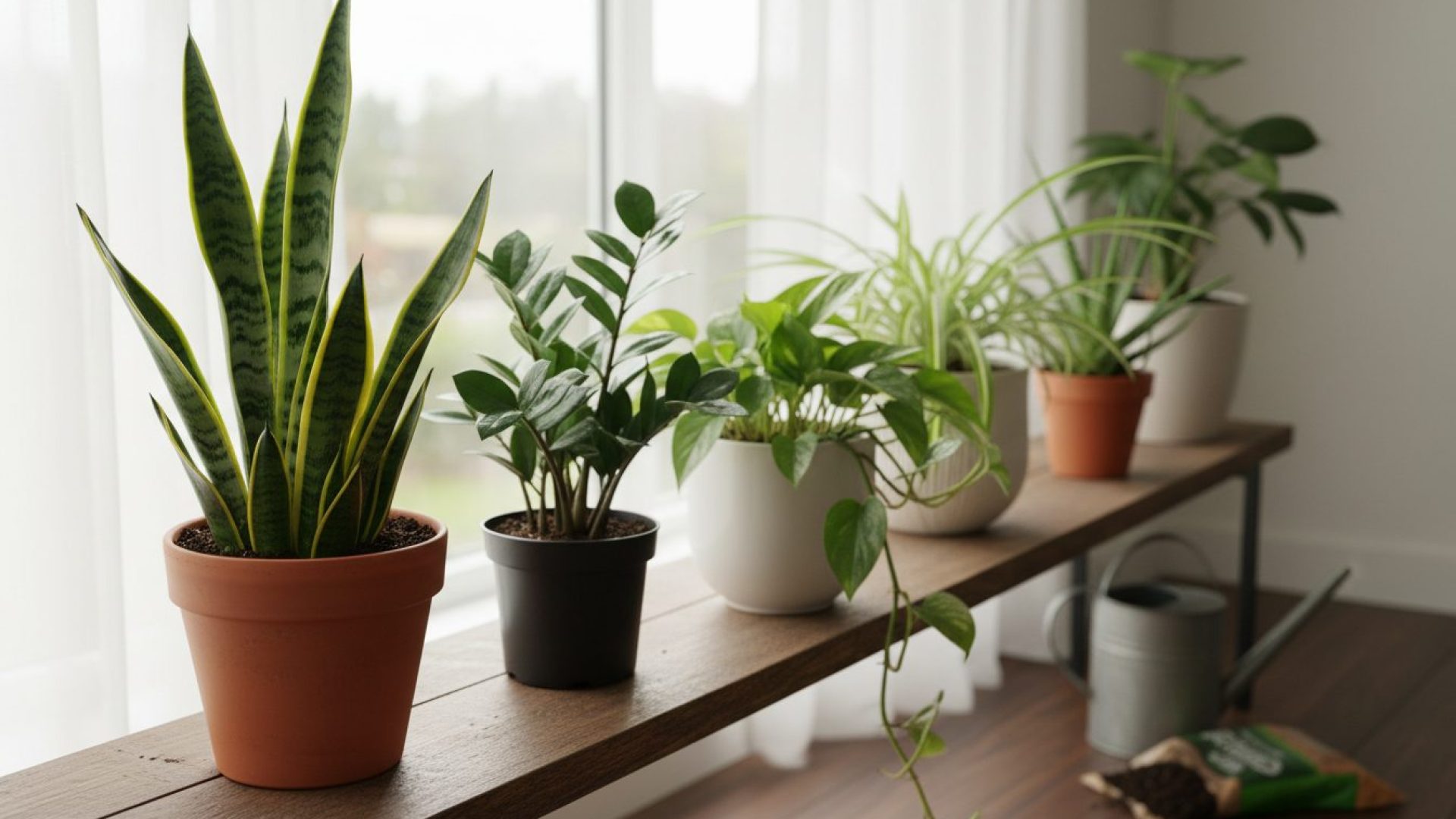
Every gardener — whether they know it or not — is chasing that little spark. The thrill of seeing green shoots poke out from the soil, the satisfaction of a flower bud swelling larger each day, that subtle pride when your hands are dirty for a good reason. But where does it all start? Most people, in my experience, have a story that begins with easy plants to grow for beginners. Maybe it’s a pot of basil on a kitchen windowsill, or a batch of wild sunflowers that unexpectedly take over a corner of the yard. What’s fascinating is that easy doesn’t always mean boring, and beginner-friendly doesn’t have to mean compromise. Let’s dig through what makes certain plants truly “easy” — with some data, a bit of personal perspective, and plenty of hands-on insight.
What Really Makes a Plant “Easy” For Beginners?
On the surface, “easy plants to grow for beginners” sounds self-explanatory. But when you scratch the surface (metaphorically, or with a trowel), easy is about more than just low effort. A plant is beginner-friendly if it:
- Tolerates common mistakes — underwatering, overwatering, or maybe a week of neglect
- Doesn’t need expert pruning, special soils, or rare fertilizer
- Thrives in a range of conditions (think: both strong sunlight and patchy shade, or city balconies and suburban lawns)
- Grows fast enough to keep motivation alive
My neighbor once tried growing orchids as her very first indoor plant. After three months of heartbreak and fungus gnats, she swapped them for a pothos. The change in her confidence (and living room vibe) was remarkable. It’s a reminder: what we label as “easy” isn’t just about biology, it’s about psychology too. When you see growth, you want more of it.
Top 7 Easy Plants to Grow for Beginners (With Real-World Notes)
Let’s skip the stuffy encyclopedias — here are seven plants that consistently make life easier for new gardeners. I’ll share not just features, but real pros and cons I’ve seen first-hand or from local gardening groups.
Spider Plant (Chlorophytum comosum)
- Good for: Forgetful waterers, north-facing windows
- Why it’s easy: Spider plants tell you when they’re thirsty (limp leaves) and bounce back within days. They don’t care if you miss a dose of fertilizer — they’ll still send out new shoots (“spiderettes”) like clockwork.
- Watch out for: If you use tap water high in fluoride, the tips may brown (but it’s cosmetic).
- Radishes (Raphanus sativus)
- Good for: Impatient growers, small garden beds
- Why it’s easy: Radishes germinate in 3-5 days, and you can often harvest them in less than a month. I’ve seen kids lose interest in most veggies…except radishes. Instant gratification crops, basically.
- Watch out for: Hot weather makes them ‘woody’ and bitter. Plant early spring or fall for best results.
- Pothos (Epipremnum aureum)
- Good for: Indoors, low-light areas, plant newbies
- Why it’s easy: Practically indestructible. Mine survived a two-week vacation with no care, and came back with a new leaf. Pothos tolerates little light and bounces back from almost anything except a deep freeze.
- Watch out for: If you overwater constantly, roots may rot. But the cuttings root in water, so even mistakes can be repaired.
- Sunflowers (Helianthus annuus)
- Good for: Big impact, kid-friendly gardens
- Why it’s easy: Plant the seed, watch them rocket upwards. Sunflowers tolerate poor soils and even city pollution. Their drama — sometimes growing 6+ feet — is a huge reward for little effort.
- Watch out for: Birds like the seeds, so you might need a netting if you want to enjoy the full flowerhead.
- Basil (Ocimum basilicum)
- Good for: Cooks, sunny windowsills
- Why it’s easy: Fast-growing annual herb. Snip leaves regularly, and the plant gets bushier. Plus, the smell is amazing.
- Watch out for: Cold drafts will kill it overnight. Warmth is absolutely essential.
- Marigolds (Tagetes spp.)
- Good for: Flowerbeds, pest deterrence (companion planting)
- Why it’s easy: Germinate quickly, flower for months, ignore most pests. I use them to border my tomatoes and they’re practically bombproof.
- Watch out for: Young seedlings are attractive to slugs in wet climates, but mature plants rarely suffer.
- Snake Plant (Sansevieria trifasciata)
- Good for: Offices, bedrooms, low-maintenance fans
- Why it’s easy: Snake plants survive both drought and shade. NASA even found they improve indoor air quality. If you forget to water for a month, it’s oddly happier.
- Watch out for: Overwatering is just about the only way to fail.
Easy Plants Versus “Trendy” Plants: Is There a Difference?
It’s worth writing a quick note here: easy doesn’t always mean fashionable. Take, for example, the infamous fiddle leaf fig (Ficus lyrata). They’re all over social media, but die in record numbers. Based on surveys from online gardening communities, up to 40% of first-time owners report losing their plant within a year. Compare that to pothos, with survival rates closer to 80–90%. That’s a huge contrast — and says a lot about beginner momentum.
If you want quick wins, stick to plants that have survived generations in windowsills and gardens. But if you’re drawn to a challenge (and happy to accept failures as lessons), mix a tough classic with one trendy risk-taker.
Potted, In-Ground, or Hydroponic: Where to Start?
Beginners often ask me, “Should I use a pot, garden bed, or try hydroponics?” Honestly, each setup offers a different introduction to plant care. Here’s my breakdown:
- Potted plants: Great for control. You can move plants, manage water, and see root issues early. Best for indoors or balconies.
- In-ground planting: Lower watering needs once established. Soil life (worms, microbes) helps. But you’re at the mercy of weather and wildlife.
- Hydroponics: Soil-free and clean indoors, but managing nutrients is trickier for absolute beginners.
In my first year, I accidentally drowned my Spider Plant twice (those saucers under pots hold way more water than they should!). Outdoor sunflowers, meanwhile, largely thrived despite my inexperience.
What Beginner Gardeners Get Wrong (And How To Sidestep It)
Here’s something people often miss: The majority of “plant fails” aren’t caused by exotic diseases or rare pests. It’s basics like:
- Overwatering or underwatering: A study from the University of Georgia found 65% of houseplant deaths are due to poor watering habits.
- Lack of light: Plants need far more light indoors than many realize. Even “shade-loving” plants want bright, indirect sun for part of the day.
- Ignoring plant labels: Those little nursery tags are pure gold. They tell you how big the plant wants to become, what soil it prefers, and its sunlight habits.
- “Set it and forget it” mentality: Even hardy plants want the occasional nudge. Rotate pots, check for pests, snip off sad leaves — you’ll keep them in great shape.
No matter how resilient your choices, learning to watch and respond is part of the fun. I often remind people: It’s less about having a “green thumb” and more about paying attention.
Why Soil (Still) Matters for Easy Plants
You’d be amazed how many folks think any dirt will do. But even the toughest “easy” plants benefit from good soil structure. Let’s break this down with a quick comparison:
- Poor, compacted soil: Drains badly, roots suffocate. Result? Plants grow slowly, leaves yellow, and you start worrying the plant ‘just hates you.’ (It doesn’t, by the way.)
- Light, well-draining soil: Roots can breathe, and water moves through. New growth appears faster, and you’ll water less often because the roots explore deeper.
For most indoor plants, a generic potting mix with a handful of perlite works. In the garden, start with a spadeful of compost. These small steps give beginners a much bigger margin for error — something I’ve seen over and over again.
Case Study: The 90-Day Windowsill Experiment
A group of students at my old middle school grew basil, lettuce, and marigolds from seed as a science project. The rules? Everyone got identical pots, soil, and seed packets, but could water and place their plants anywhere at home. After 90 days, about 70% had healthy plants. Who failed? Anyone who left their pots in genuinely dark corners, watered “whenever they remembered,” or (this made me chuckle) forgot their basil outside on a frosty night.
The lesson? Pick easy plants, yes — but even more so, embrace observation and curiosity. That’s what turned the experiment into a real hobby for several kids, who still send me photos of their basil years later.
Frequently Asked Questions About Easy Plants to Grow for Beginners
What’s the easiest houseplant for a total beginner?
Honestly? Pothos or snake plant. Both handle low light and uneven care. Pothos gives those quick, trailing vines for instant impact, and snake plant just shrugs off most mistakes.
Can I grow any vegetables indoors?
Definitely! Herbs like basil, mint, and chives do well in pots near a bright window. For actual veggies, salad greens and radishes are great fast growers. Tomatoes will need much more light (think: a bright south window or grow lights).
How fast do “easy” plants really grow?
This varies a lot! Radishes can be eaten after 25–30 days. Pothos might produce a new leaf every couple weeks in good light. Sunflowers shoot up quickly but bloom after a couple of months. Choose plants matched to your patience.
Is it OK to start from seeds, or should I buy small plants?
If you like watching the entire life cycle and don’t mind waiting, seeds are rewarding (and cheap). For instant results, young plants (seedlings or “starts”) are less work. I usually mix both approaches for variety.
Why do my leaves turn yellow, even if it’s an “easy” plant?
Yellow leaves can mean too much water, too little light, or simply old leaves dropping as the plant grows. Check for soggy soil, and move the plant to a brighter spot (but out of harsh sunlight if it’s a shade lover). And don’t panic — plants shed leaves naturally at times!
Final Thoughts: The Joy of “Easy” Wins
I sometimes wonder if gardening is less about the plants, and more about the surprising confidence boost you get from nurturing life — especially when you start with easy plants to grow for beginners. The journey doesn’t have to be complicated, and your wins — a new leaf, a tiny blossom, or a bowlful of homegrown salad — are all the proof you need. What matters isn’t being perfect, but being present and (dare I say) a little bit curious. Even the “easy” ones will teach you things; just be open to watching, learning, and laughing at failed attempts along the way.