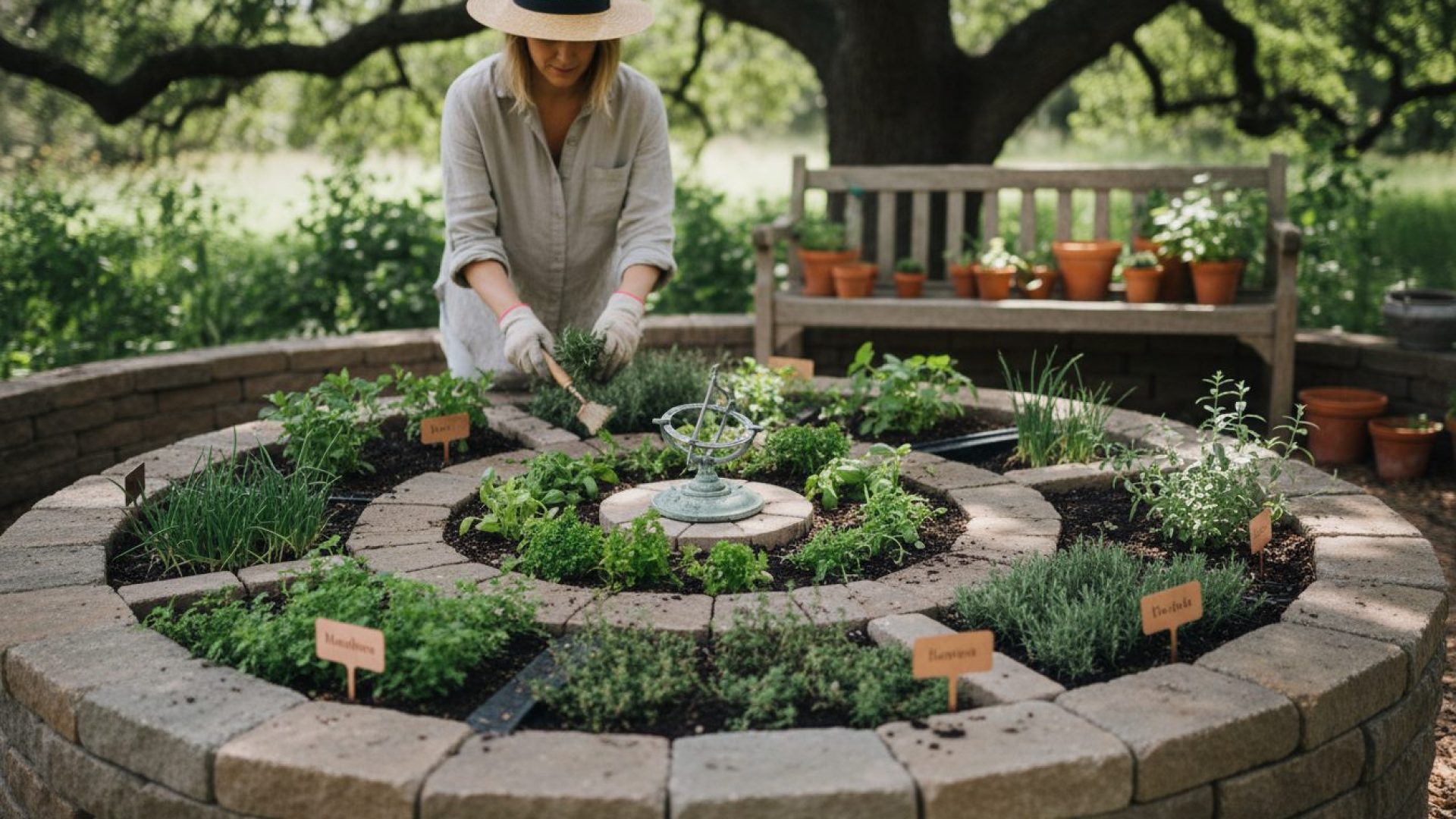
There’s something just a little magical about stepping outside (or leaning out your kitchen window!) and snipping fresh basil or rosemary for tonight’s dinner. I’ve always thought that herb gardens—big or small—are like living spice cabinets. They invite you to experiment, slow down, and literally savor the fruits (or leaves) of your labor. But setting one up isn’t as simple as tossing seeds wherever you have dirt. The layout you choose doesn’t just impact how your garden looks—it shapes how well your herbs grow, how easy your maintenance will be, and, honestly, how much you’ll use them. Let’s explore real-world, data-backed, and downright clever herb garden layout ideas for all kinds of homes, tastes, and growing conditions.
Why Layout Matters in Herb Gardening
Most folks picture a “herb garden” as rows of neat little plants. In practice, layouts are about so much more than prettiness. The right setup can affect:
- Sun exposure: Mediterranean herbs (think thyme, oregano, lavender) need 6+ hours of sunlight, but mints or chives are happy with a bit of shade.
- Watering needs: Some herbs downright sulk if their roots stay too wet. Grouping similar water lovers together limits drama.
- Accessibility: If you have to tromp through mud to get at your chives, you’ll just use dried. Functionality beats form every time.
- Maintenance: A layout that cuts down on weeding, pruning, or mowing edges? That one’s a lifesaver in mid-July heat.
At least 60% of home gardeners say ease of maintenance is a top priority—especially when life gets busy (see more at <a href="https://garden.org/learn/articles/view/3695/" target="blank” rel=”noopener”>National Gardening Association survey).
The Classic Kitchen Herb Border
Functional and Timeless
This one’s a perennial favorite (pun intended) and for good reason. A tidy line or curve of herbs right outside the kitchen door is as practical as it gets. You’ll find classic photos of this in old English garden books—herbs like parsley, thyme, rosemary marching shoulder-to-shoulder along a path.
- Best for: Medium-sized yards, cottage garden fans
- Layout tip: Taller herbs (sage, fennel) to the back, spilling ones (oregano, creeping thyme) at the front.
My neighbor, Jane, has a border just like this—she uses broken pots for edging and tucks in marigolds for color (and pest control). With the right mix, even a simple border can hold 8–12 different herbs in 10 linear feet!
Container Herb Gardens: Mix and Match for Small Spaces
Portable and Playful Designs
If you only have a stoop, balcony, or sunny window ledge, containers are your friend. About 40% of urban garden projects now use container-grown herbs, simply because they fit anywhere.
- Grouped pots: Arrange clusters of small terracotta pots of rosemary, basil, and mint. Rotate for sun, group by water needs.
- Stacked planters: Vertical stacks or “strawberry pots” maximize space—perfect for trailing herbs like creeping thyme or compact basil.
- Hanging baskets: Great for cascading herbs (oregano loves this!). Just be wary of wind-drying; they’ll need extra water.
As a bonus, containers make it easy to isolate the “thugs” like mint. (Trust me, once you’ve seen mint escape into your lawn, you’ll never put it in the ground again.)
Raised Bed Herb Gardens: Structure Meets Flexibility
The Square-Foot Grid
Ever heard of <a href="https://squarefootgardening.org/" target="blank” rel=”noopener”>square-foot gardening? It’s a game changer for beginners and maximizers alike. Draw an imaginary grid (like tic-tac-toe) inside a raised bed—say a 3’x3’ box. Pop a different herb in each square.
- Pros: No wasted space, organized harvesting, easy rotation
- Cons: Less “naturalistic” look, works best with compact herbs
A single 4’x4’ raised bed can comfortably hold 16 types of herbs, which is more than most folks realistically use in a year.
Classic Rows or Crescent Beds
Sometimes, I like mixing herbs with veggies—parsley along lettuce, basil beside tomatoes. But if I’m really focusing on herbs, I arrange beds in a gentle crescent to catch morning sun, tucking taller plants at the inside curve.
- Visually inviting, paths stay dry after rain
- Easy to personalize for kids or cooks with favorite herbs in front spots
The Spiraling Herb Garden
Form and Function in One Design
If you’re feeling creative (and don’t mind a bit of weekend work), try the famous herb spiral. This is literally a mound of soil or stacked stones rising in a spiral, each section for a different group of herbs.
- Top spiral: Sun-lovers (rosemary, thyme, savory)
- Shadier north/west: Parsley, cilantro, some mint
- Moister base: Chives, basil, chervil
I’ve seen studies suggesting spirals can boost space efficiency by 30–50% compared to flat beds. Plus, they’re true conversation pieces (be prepared to explain to curious walkers-by!). Just use bricks or rocks for the outer walls and fill with loose, fertile soil.
Edible Ornamental Herb Gardens
Pretty + Practical Plantings
Some herbs are downright beautiful—think silvery sage, purple basil, bright nasturtiums. Why not blend them into your flower beds? The “Herb Knot Garden” style, borrowed from Elizabethan times, arranges small hedges (like dwarf lavender) in geometric patterns with edible highlights.
- Good for front yards or formal settings
- Low-maintenance herbs like lavender or santolina make striking borders
- Interplant herbs for pollinators—borage and chives invite bees without looking “weedy”
Sure, knot gardens require a bit of clipping to keep those lines neat, but the payoff is a landscape that’s both ornamental and delicious.
Wild & Free: Permaculture and Companion Herb Planting
You don’t have to plant in straight lines. Some of my happiest herb patches look like organized chaos—herbs mingling with fruit bushes and pollinator flowers. Permaculture layouts group plants by function:
- “Pest-repellers” (basil, garlic chives) near veggies
- Low-growing herbs as living mulch
- Self-seeding annuals like cilantro or dill filling gaps
It’s a more natural way of gardening—less weeding, more resilience to weather swings (a real plus as patterns get wonky). And you end up with surprises—volunteer chive clumps or calendula popping up where you didn’t plant them, which I find oddly heartwarming.
Five Quick-Reference Herb Garden Layout Ideas (With Pro/Con Analysis)
- 1. Linear border along a walkway
Pros: Maximum access, classic charm. Cons: May get muddy if traffic is heavy.
Pros: Looks wild, uses microclimates. Cons: Needs some creative construction.
Pros: Good for renters, easy to rearrange. Cons: Dry out fast, need frequent watering.
Pros: Efficient use of space. Cons: Less flowy, more rigid look.
Pros: Boosts biodiversity, easy for wildlife. Cons: Harder to weed and harvest systematically.
Mini Case Study: A Real-Life Urban Herb Garden Layout
Here’s a quick example from my friend Alicia’s rooftop in Boston. Her layout:
- Three large pots: rosemary, thyme, and sage (for sun)
- Narrow window box: chives, cilantro, parsley (for partial shade)
- DIY vertical planter: alternating trailing oregano and marjoram, simple drip irrigation
She harvests at least 70% of her herbs right at home, even with only 25 square feet of space. Her main challenge? Keeping an eye on watering—the raised planters dry out faster than traditional soil beds. She now uses a cheap probe meter to keep soil moisture steady (her little hack: stick your finger in by 2 inches—if it’s dry, water).
Choosing Your Herb Garden Layout: Step-by-Step Thought Process
- Assess your sun and space: Sketch a rough map of your sunny spots. Herb gardens do best with at least 4-6 hours of sun (with few exceptions).
- Identify your most-used herbs: There’s no point growing cilantro if you hate it! Write a quick “top five” wish list using your favorite meals as inspiration.
- Research plant compatibility: Some herbs (like dill and fennel) prefer a little separation, while others (basil and oregano) play nicely together.
- Consider aesthetics vs utility: Do you want a showpiece or a “snip-and-go” kitchen patch? Prioritize accordingly.
- Decide on your maintenance commitment: Raised beds or containers mean less weeding but more frequent watering; in-ground beds need regular soil work, but hold water well in summer (typically saving 15–20% effort).
- Start small and iterate: Layouts aren’t set in stone—move pots, swap beds, and learn as you go. Every year, gardeners tweak things a little!
Greek Myths and Common Misconceptions About Herb Garden Layout
- “Herbs need special soil.” Most culinary herbs actually thrive in average, even slightly rocky, soil. In fact, rich soils can make thyme or sage floppy and bland.
- “You can’t mix herbs together.” With rare exceptions, most common herbs aren’t fussy about neighbors—just match them by moisture and sun needs.
- “Bigger is better.” I’ve grown more flavor in six pots on a step than in sprawling beds gone wild. Smaller layouts are easier to manage and more bountiful per square foot.
Frequently Asked Questions: Herb Garden Layout Ideas
- What’s the easiest herb garden layout for beginners?
-
Honestly, it’s hard to beat a group of containers near the kitchen. Start small: basil, parsley, and rosemary in separate pots. It gives you instant access, takes up minimal space, and lets you control watering. Once you get comfortable, expand outward—maybe tuck in some chives or oregano.
- How do I combine herbs with different sun or water needs?
-
Group “sun-lovers” (like lavender, rosemary) together and water lightly. Shade-tolerant or moister-soil herbs (mint, parsley) can go in another section or container. An easy trick: plant water-hogs in slightly shadier, lower spots, where moisture lingers longer.
- Are herb spirals really better than flat beds?
-
Not always “better,” but different! Spirals use vertical space and microclimates, making them ideal if you have limited area and want more variety in one spot. They do require some construction—and realistic expectations, since you’ll harvest in little bursts as you circle upwards!
- Which herbs work best in vertical or wall gardens?
-
Go for compact or draping types: thyme, oregano, chives, creeping rosemary. Avoid giant, taproot herbs like horseradish or fennel. Even basil can work if you keep it pinched back so it doesn’t topple over.
- My soil is rocky or poor—can I still grow herbs?
-
Absolutely! Many Mediterranean herbs prefer “tough love” soil. If drainage is poor, add compost, or grow in raised beds or pots. Mint, parsley, and basil appreciate richer, moisture-holding soil, so tailor your sections accordingly.
Reflection: What Herb Layouts Teach Us
I sometimes wonder if our choice of herb garden layout says as much about us as it does about our yards. Some people crave rows and neatness—others want a tangle of fragrance and bees buzzing everywhere. I’ve had fancy geometric patterns and rough containers cobbled from leftovers. Every version taught me something new, from “less is more” to “plant for your own habit, not what looks good in a magazine.” In the end, the best layout is the one you’ll walk through, snip a little something, and smile. It’s not about perfection, it’s about inviting flavor and green life into your daily routine—one thyme sprig at a time.