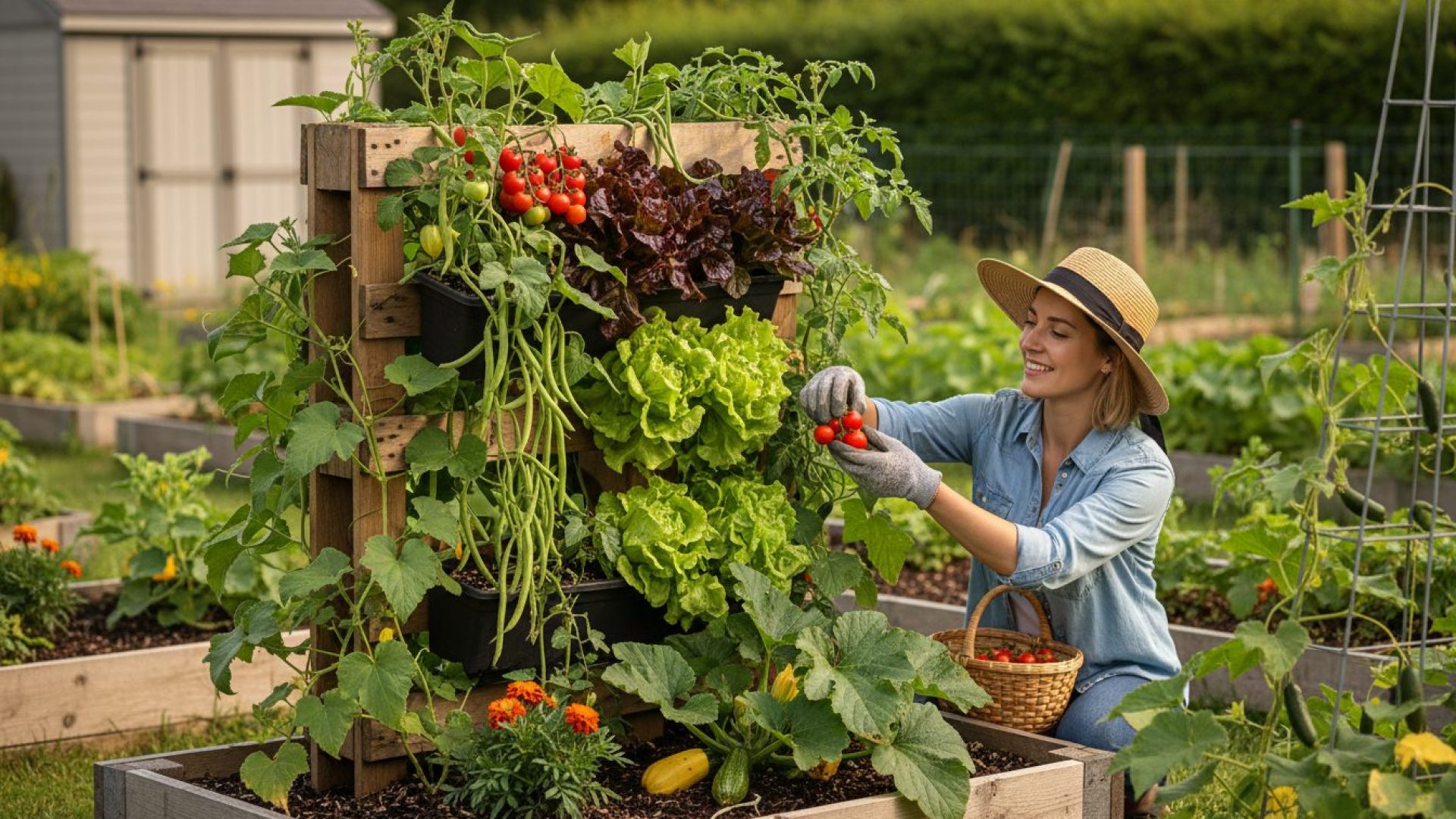
If you’ve ever gazed at your modest backyard plot or balcony planter and thought, “There’s no way I can really feed my family with this,” trust me, you’re not alone. The first time I started my own small garden, I was all hope and seed packets. But after a couple disappointing harvests—three shriveled carrots and what might have been a cucumber—I realized that gardening in small spaces takes more than enthusiasm. It’s about strategy, plant smarts, and a few practical tips I wish someone had told me from the start. So, here’s an honest, human look at high yield vegetables for small gardens, plus insights, hard data, and lessons learned from soil-under-the-nails experience.
Why “High Yield” Matters in Small Gardens
Let’s break it down. The term “high yield” isn’t about getting a brag-worthy pumpkin; it’s about getting the most food per square foot. With small gardens—or even just a handful of containers—you can’t afford crops that take up a lot of room but only give you one meal’s worth of veggies. Think about growing a single cabbage all season: it’ll look impressive, but that space could’ve given you a month’s worth of salad greens or a pile of radishes.
Here’s something people often miss: High yield vegetables don’t just pump out more produce—they also tend to mature faster, bounce back from harvests, or let you plant them in tight spaces. For tiny gardens (say, less than 100 square feet or even just a sunny balcony), this efficiency is absolute gold.
What Makes a Vegetable “High Yield” for Small Spaces?
I sometimes wonder why some plants seem to “earn their keep” in the garden, while others feel like freeloaders. Based on research, observation, and sheer trial-and-error, here’s what to look for:
- Quick Turnover: Fast-growing veggies allow for multiple harvests in one season. Think lettuce or radishes—some varieties grow from seed to table in under a month.
- Compact Growth: Bush beans or determinate tomatoes, for example, stay manageable instead of sprawling across your yard.
- Productivity Per Plant: Crops like zucchini or cherry tomatoes keep pumping out fruit for weeks, often giving 10-20 times the return of a single head of broccoli.
- Vertical Growth Potential: Pole beans, peas, or cucumbers can be trained upward, freeing up ground space.
Let’s get granular and look at individual choices next.
High Yield Vegetables for Small Gardens: Top Contenders
Here’s a list that’s grown out of years of garden experiments, watching what works (and what withers).
1. Leafy Greens (Spinach, Lettuce, Swiss Chard)
Leafy greens might not feel “exciting,” but wow, do they reward you. For every 1 square foot, you can usually fit 4-6 lettuce plants or direct-seed a dozen leafy baby spinach. With cut-and-come-again varieties, one patch keeps giving. According to the University of California, a single spinach plant can produce up to 3 ounces of greens per month if picked regularly. Multiply that with density, and a couple window boxes can mean a fresh salad every week.
2. Tomatoes (Especially Cherry or Grape Types)
Maybe it’s nostalgia (who doesn’t love the smell of tomato vines?), but there’s real data here. A single indeterminate cherry tomato plant, properly supported, can produce upwards of 10 pounds of fruit over a season. And patio/bush varieties are compact enough for containers, yielding plenty without the yard-wide sprawl of a beefsteak variety.
3. Pole Beans (Green Beans, Yard-Long Beans)
This is where vertical thinking really pays off. With a trellis or simple teepee, pole beans can be packed in tightly—about 9 plants per square foot if you stagger them. Regular harvesting stimulates more pods. I’ve had a 6-foot pole bean teepee produce a bowlful every other day at peak in midsummer.
4. Zucchini and Summer Squash
Maybe you’ve heard the joke about trying to give away excess zucchini. There’s truth to it: one healthy plant routinely produces 6-10 pounds per season, competing with—even outpacing—most other crops for sheer food volume. Look for patio or bush zucchini if you only have a container.
5. Radishes and Fast Beets
Radishes are a classic for a reason: sow to harvest is often under 4 weeks. You can fit 16-20 per square foot, and after they’re pulled, replant with lettuce or herbs. Some beet varieties are ready in about 50 days—another efficient pick for rapid turnover.
6. Cucumbers (Especially “Bush” or Trellis Types)
Compact cucumber varieties have been game-changers, especially since they climb with a little coaching. “Bush Slicer” and “Salad Bush” can yield 10-12 fruits per plant. Trellised vines can mean more than 20 cucumbers per square foot, using mere vertical real-estate.
Other Worthy Mentions
- Peas: Earlier crops, and both the pods and shoots are edible.
- Green Onions (Scallions): Easy to tuck into corners and tight rows, harvested as needed.
- Herbs (Basil, Parsley, Cilantro): Enormous yield per inch, constant use in meals, can be “cut and come again.”
How to Maximize Yields: Tiny Garden, Big Harvest
Choosing the right vegetables is half the battle. The other half? Smart growing methods. Here’s a little toolbox of tricks, based on trial, university extension advice, and pure neighborly wisdom.
Intensive Planting: Densely Without Suffocating
Square foot gardening is all about planting intensively—think 4-9 lettuce plants per square foot, or even 16 carrots. The trick is rich soil and regular watering, since crowded plants drink and eat more. Watch for suggested spacings on seed packets, but don’t be afraid to experiment on the tighter end, as long as airflow is good.
Vertical Growing: Use the Air Above
If you’ve got a sunny fence, balcony railing, or can rig some twine and poles, vertical gardening is your secret weapon. Beans, peas, cucumbers, even small tomatoes and melons will climb or drape when gently trained. You’d be surprised how much “hidden” harvest you can get this way—sometimes 2-3 times what you’d eke out in a horizontal patch of the same soil.
Successive Sowing: More Crops from the Same Space
Here’s something people forget: You can re-use your space. Radishes finish in a month, then in go lettuce seedlings. Early peas are done by late June? Replant with bush beans. Some mathematically minded gardeners figure you can get 150-200% more food by “double-cropping” beds this way, especially in regions with long, warm growing seasons.
Container and Window Box Gardening: Micro-Scale with Macro Results
Even the classic “herb on the windowsill” experiment can pack a punch if you choose the right plant. Dwarf varieties of kale, tomatoes, peppers, and lettuce all work in 2-5 gallon pots. Just keep in mind: containers dry out quicker, so mulch and frequent waterings are your friends. Personally, my patio tomatoes in 5-gallon grow bags have outperformed ground-grown ones some years, especially when I keep the soil fluffy and moist.
Real World Stories: Big Harvests in Small Patches
Let’s add a dash of story. My neighbor, Evelyn, grows all her season’s salad greens in a 2×6 foot bed. That’s it. With monthly plantings, she’s harvesting about three-quarters of a pound of greens and herbs every single week, from March through October. The key? Succession planting, close-spacing, and relentless picking.
And in community gardens, I’ve seen folks turn tiny 4×4 or 4×8 plots into mini jungles of pole beans, chard, and patio tomatoes, with trellises and interplanting. The average yield? Often 20+ pounds per season—enough to meaningfully cut down on grocery trips.
Trade-Offs: High Yield vs Variety
Here’s the thing: If you go all-in on the highest-yielding crops, you might wind up with a lot of the same veggie (hope you like salads and zucchini bread!). Mixing in lower-yield favorites—eggplants, peppers, fancy heirlooms—can make gardening more personally rewarding, even if it means a little less overall food weight. It’s your garden; balance abundance with happiness.
These Myths Just Won’t Die
- “Small gardens can’t give real harvests.” Believe me: with planning, I’ve seen 50-100 pounds of produce come out of backyards under 100 square feet.
- “Only one plant per pot.” Not true for most greens, onions, or even carrots—just mind the mature spacing and soil nutrients.
- “You have to stick to bush varieties.” Sometimes indeterminate or vining types, trained vertically, are even more productive (looking at you, pole beans and cherry tomatoes).
Quick Tips for Consistent, High Yields
- Enrich soil with compost—better food in means more food out.
- Water deeply—but less often—to grow deep, resilient roots.
- Pinch back herbs and leafy greens to encourage bushier, more productive plants.
- Mix in flowers or herbs that attract pollinators—tiny gardens need bees too.
- Rotate crops if you can; even in containers, this helps keep diseases and pests in check.
FAQ: High Yield Vegetables & Small Garden Know-How
Can I really feed my family from a small garden?
Absolutely, though it depends on how small “small” is and what you grow. A well-tended 4×8 foot bed (32 sq. ft.) can offer regular salads, herbs, and a steady trickle of beans, tomatoes, or squash. It won’t replace all your groceries, but it makes a dent—and the freshness is unbeatable.
Leafy greens like lettuce or spinach are hard to top for sheer pounds per space. But cherry tomatoes or zucchini edge them out over a long, hot season. It really comes down to your tastes and climate.
Bulky crops—cabbage, sweet corn, pumpkins—are the usual culprits. They spread, hog nutrients, and yield less food per inch. If space is a premium, skip them in favor of multi-producing, fast-maturing plants.
Vigilance! In small plots, pests can devastate a harvest quickly. Use netting, companion plants (like basil with tomatoes), and squish or pick pests by hand. Weekly walkthroughs are your best defense—stuff happens fast at small scales.
Yes—nutrients deplete and soil structure breaks down over time. Mix in compost or all-purpose organic fertilizer every few months, and change out part (but not all) of the mix each season for best results.
A Final Thought: Little Spaces, Big Satisfaction
I never expected a 2×4 foot box of soil could shift the way I think about food (and nature, and even my own patience). But every year, watching the same patch burst with green and color, I’m reminded that abundance isn’t just about bushels and pounds. It’s about feeling connected to the patch of earth you have, however small, and maximizing what it gives. Small gardens demand creativity, attention, and hope—but they give back in ways you can’t always measure with a scale.
If you’ve got a few square feet, a handful of seeds, and a dash of stubborn optimism, you’re already halfway to harvesting more than you thought possible. Here’s to high yields, tiny gardens, and the magic of making something big out of something small.