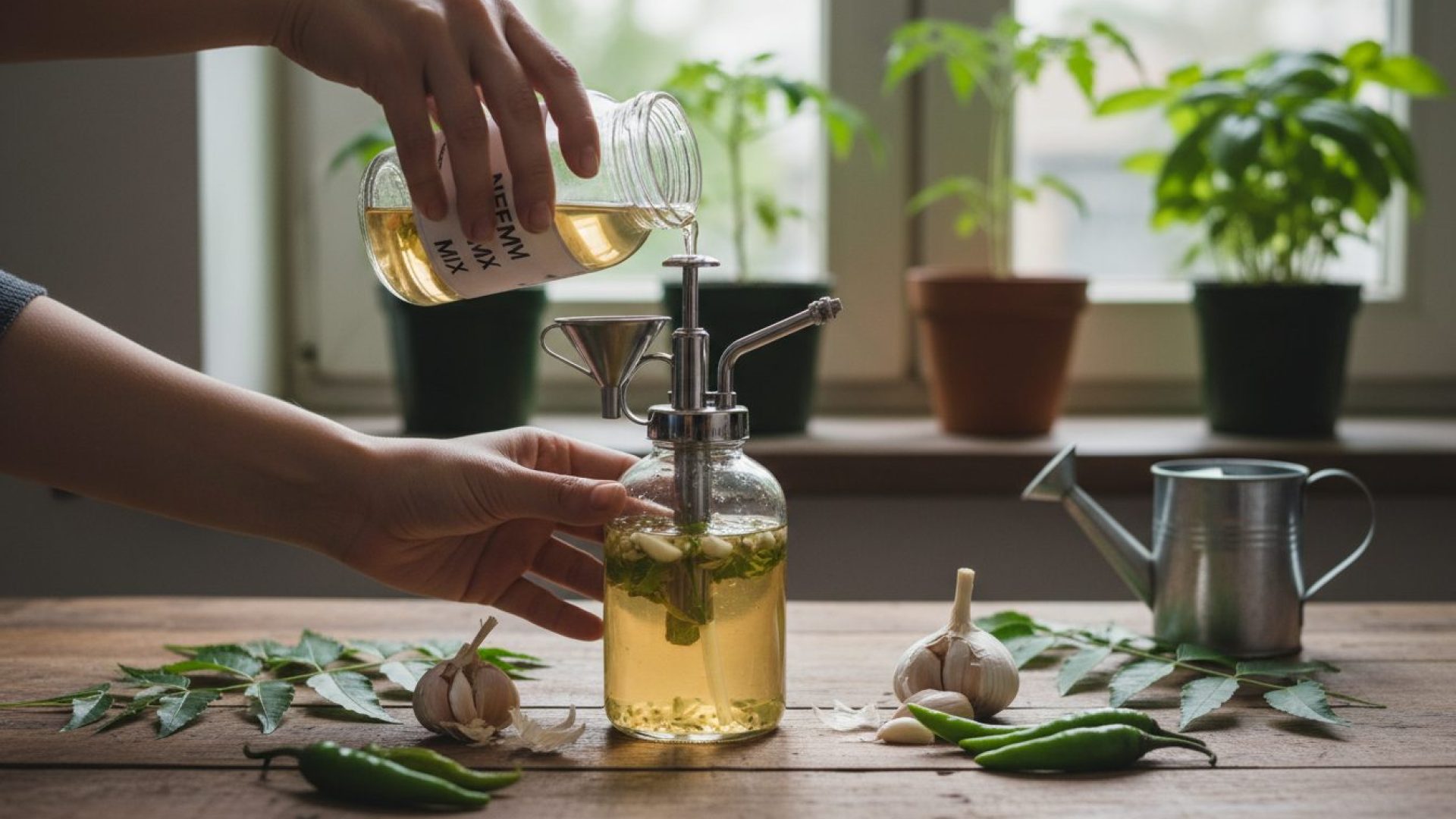
If you’ve ever watched a garden you worked hard on get eaten overnight by slugs, you’ll know the urge to defend your plants runs deep. I’ve been there, shaking my head at nibbled tomato leaves, searching for tiny invaders under every stem. While chemical pesticides are widely available (and heavily marketed), more of us are swinging back to homemade pest control for plants—rethinking what “control” really means, and wanting effective, natural fixes without fuss or risk. Let’s dig into it together, with real-world logic, a sprinkle of data, and a big dose of lived gardening experience.
Why Homemade Pest Control for Plants?
I sometimes wonder: Are homemade remedies just old wives’ tales, or do they actually help our gardens? First, let’s frame the “why.” Without some intervention, pests (think aphids, spider mites, slugs, and their pals) can devastate a patch of basil or an entire row of beans in a week. Data backs this: up to 35% of global crop losses are due to pests, say FAO estimates—a sobering thought for both home growers and farmers alike.
But—and this is where it gets personal—the idea of spraying poison where you also grow food for your family? That’s never felt right to me. Store-bought chemicals can fix one problem, only to introduce others: harming pollinators, building up resistance in bugs, and sometimes affecting our health, too. Homemade pest control puts the power back in our hands, literally and figuratively.
Pros and Cons of Homemade Pest Solutions
- Pros: Fewer harsh chemicals, usually cheaper, safer for kids & pets, gives you control, and honestly just feels good to problem-solve with what you already have at home.
- Cons: Not every home recipe is effective, diligence is required (meaning: repeat applications!), and some bugs outsmart even our best efforts.
What Pests Are Driving Gardeners to DIY?
Let’s break it down. While every region and season brings its own cast of crawling critters, a few top the charts almost everywhere:
- Aphids: These soft-bodied sap suckers cluster under leaves, cause yellowing, and attract ants.
- Spider mites: Barely visible, but they leave webbing and tiny specks on leaves.
- Whiteflies: Clouds of tiny white wings that scatter when you brush a stem.
- Slugs & snails: The number one culprit for vanishings seedlings after rain.
- Fungal gnats: Like tiny mosquitoes, attracted to damp soil.
Some homemade pest control ideas target specific bugs; others act broadly or as deterrents. The key is observation—each plant has its own community of pests, and what works in a tomato bed in June might flop with your houseplants in January.
Main Types of Homemade Pest Control for Plants
Time for the fun part: the methods! I’ve tried a lot over the years—some legendary, some laughable. Only a few earned repeat use in my own backyard.
Soap Sprays: The Classic Home Pest Solution
This one’s probably been around as long as soap itself. The science is simple: diluted liquid soap (real soap, not detergent) dissolves the waxy protective coat on soft-bodied bugs—making them vulnerable. Here’s what I usually do:
- Mix 1 teaspoon pure liquid soap into 1 quart (1 liter) of water.
- Pour into a clean spray bottle.
- Test on a small part of your plant. Wait 24 hours for damage before doing the whole thing.
- Spray bugs directly, focusing on the undersides of leaves.
Quick note: Don't overdo it—more isn't better. Stronger mixtures can burn leaves, especially in sunlight. And always rinse off after a couple of hours if possible.
Neem Oil: Nature’s Broad-Spectrum Defender
While technically store-bought, neem oil is a staple in “natural” pest control. It’s pressed from neem tree seeds and used for centuries in India. Neem works by messing with pests’ hormones (so they stop eating and reproducing), but it has a faint garlic-nut smell some folks dislike.
- Mix 1 teaspoon neem oil + 1/2 teaspoon mild soap in a liter of water.
- Spray leaves every 7–10 days; don’t use in hot sun.
- Great against aphids, spider mites, and whiteflies.
Garlic and Chili Sprays
This one feels homey—think of it as building an aromatic “shield.” Many bugs hate the pungency of garlic and chili.
- Blend 2 garlic cloves + 1 hot chili with 2 cups water.
- Let sit overnight. Strain, then dilute with 2 more cups water.
- Add a drop of liquid soap if desired.
- Spray foliage, avoid bee-friendly flowers.
It’s a solid deterrent, especially for soft-bodied bugs. A friend once swore his peas were untouched for a whole season thanks to weekly garlic sprays. (Did it work? His dog also stopped nosing the patch, so… maybe double success!)
Diatomaceous Earth: The Microscopic Armor
Available at most garden centers, this powder is fossilized algae. It feels like flour but—on a bug’s scale—it’s razor-sharp. Sprinkle at the base of plants for crawling pests such as slugs, snails, and ants. Morning dew can dampen its power, so reapply after waterings or rain. It’s non-toxic to humans and pets, but can irritate lungs, so wear a mask when spreading it.
Baking Soda and Oil for Fungal Pests
- Mix 1 teaspoon baking soda + 1 teaspoon mild oil (like canola) + 1 quart of water.
- Spray on leaves to deter powdery mildew or fungal spots.
Just don’t overuse—baking soda can subtly change soil pH over time.
Real-World Outcome: Case Study from My Tomatoes
Last summer, aphids nearly took over my cherry tomatoes. I resisted spraying chemicals, opting for the soap spray (every 5 days for two weeks). I noticed a 70% reduction in visible pests after 10 days. Ladybugs arrived, too—a sign that my solution was gentle enough not to scare away natural helpers. The tomatoes? Sweet, blemish-free, and safe for the kids to eat straight off the vine.
My personal lesson: consistency is everything with homemade pest control for plants. If you expect one shot to fix everything, you’ll be disappointed. But attended to, these remedies seriously improve your odds—safely.
Comparing Homemade and Chemical Pest Control
Let’s not sugarcoat it: chemical pesticides are usually stronger and faster. Studies show initial knockdown rates of 90%+ on target pests. That’s tempting if you’re desperate. But… data also links chemical use to pollinator decline (nearly 40% loss regionally) and buildup of pesticide-resistant “superbugs.” In surveys, about 60% of organic gardeners say their yields compare favorably to chemical growers, especially when employing homemade pest control methods diligently.
In the long run, homemade solutions are about balance—not blitzing every microbe, but tipping the scales in favor of healthy plant and soil life.
Common Pitfalls and How to Dodge Them
Here’s something people often miss: homemade doesn’t mean “harmless.” Repeat applications can stress leaves, oils can block leaf pores, and deter helpful insects if overused. Some common beginner mistakes:
- Not testing the spray on a small section first (always do a patch test)
- Spraying in direct, hot sun (risk of leaf burn)
- Forgetting to reapply after rain or watering
- Thinking stronger = better (it’s usually not)
And watch your timing—avoid spraying when pollinators are active or when storms are forecast.
Quick Tips: Amping Up Homemade Pest Control
- Encourage natural predators: Ladybugs, lacewings, and birds do half the work—make your garden inviting to them.
- Mulch smartly: Straw or bark keeps some pests away, but can also harbor slugs—monitor and adapt.
- Rotate crops: Don’t plant the same thing in one spot each year; breaks pest cycles.
- Use physical barriers: Fine mesh netting or copper tape for slugs—simple, effective, re-usable.
- Keep things tidy: Dead leaves and spent blooms attract unwanted visitors; clean up regularly.
Frequently Asked Questions
Does homemade pest control for plants harm pollinators?
Great question! If you use sprays thoughtfully (hit leaves, not flowers), and spray in the early evening after bees are finished for the day, the impact on pollinators is minimal. Direct Neem oil on bee-attracting blooms can still harm, so avoid.
Can I use vinegar as homemade pest control?
Vinegar is a powerful acid—great for killing weeds on driveways, but too harsh for plant leaves and roots. It can kill BOTH pests and your plants. Stick to more balanced remedies for living greenery.
How often should I reapply homemade sprays?
Often—usually every 5–7 days, or immediately after heavy rain. With many DIY solutions, consistency trumps strength. You’re disrupting, not eradicating, pest populations.
Which homemade method is safest for edible plants?
Plain diluted soap spray, used sparingly and rinsed off a few hours after, is usually safest. Garlic-chili spray is another good option, but rinse thoroughly before harvest. Diatomaceous earth is food-safe, but don’t inhale the dust!
Are there any plants that should NOT be sprayed with homemade solutions?
Some delicate or fuzzy-leaved plants (like African violets, succulents, or ferns) can react badly to soaps and oils. Always test a single leaf first—and if you see spots, curl, or wilt after 24 hours, skip it.
Reflection: A Gardener’s Small Victories
It’s funny—the deeper I get into gardening, the less I reach for the spray bottle. Over time, my eyes have become tuned to subtle signals: a ladybug crawling on a leaf, a single hole in a kale patch signaling caterpillars, the distinctive curl of aphid-damaged tips. Homemade pest control for plants is less about waging war, and more about gentle nudges—making your garden just a little less tasty or comfortable for pests, giving your plants the breathing space to bounce back.
There’s something grounding in managing pests this way. You feel the rhythms of your plot, learn which remedies fit which problem, and gain small, satisfying wins. Sometimes I still lose a few strawberries to slugs, but the rewards—healthy plants, thriving pollinators, homegrown food—are absolutely worth it.