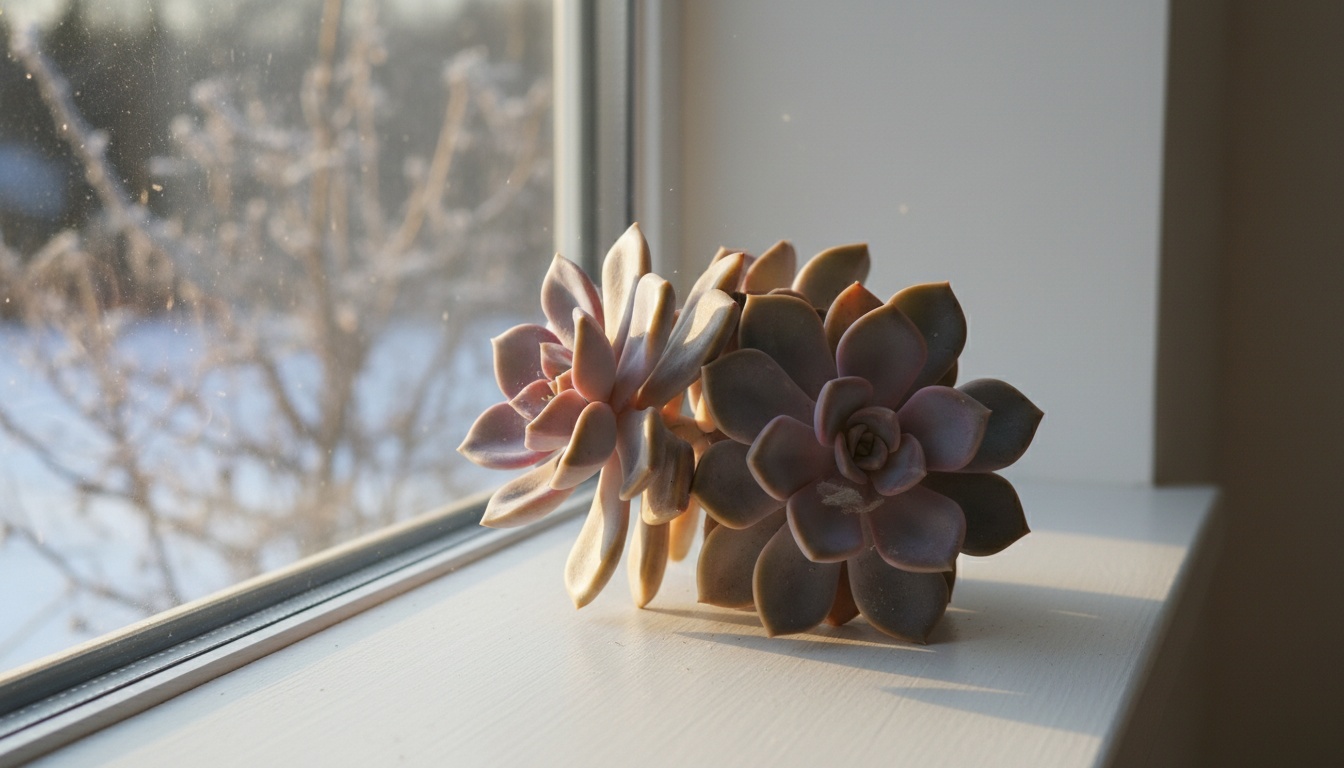
Sitting on my windowsill in mid-February, an Echeveria ‘Perle von Nurnberg’ stretches ever-so-slightly toward the glass, her pale rosettes collecting every winter sunbeam she can. It’s a familiar sight for anyone growing indoor succulents—these plants are equal parts easy-going and baffling. They crash hard if you neglect the basics, yet thrive when you treat them right. If you’ve ever wondered how to care for indoor succulents and keep those plump little leaves looking picturesque instead of patchy or shriveled, you’re not alone. In this article, let’s unravel the realities of succulent TLC: beyond the memes, beyond the Instagram myth, into the nitty-gritty of what these desert beauties truly need in a human home.
The Succulent’s Story: Why They Are So Hot (and Cold!) Indoors
Have you noticed succulents popping up everywhere—boutique shop windows, office desks, even as party favors? According to 2023 gardening surveys, over 35% of people under 35 have tried growing succulents indoors in the past year. (It’s kind of the houseplant starter kit now.) Why such craze?
- They’re “low-maintenance”: or so everyone says.
- They have mesmerizing shapes: from geometric rosettes to fat jelly-bean leaves.
- Minimal watering needs: perfect for busy or forgetful types.
Here’s the first secret: Succulents aren’t as no-fuss as they look, especially indoors. Their natural habitats (think sun-blasted cliffs and dry deserts) are nothing like your living room. They’re fighting our humidity, tricky window light, and our understandable urge to “mother” them a little too much.
How to Care for Indoor Succulents: The Essential Foundations
1. Light: More than Just a Windowsill Guest
Let’s be blunt: Lack of sunlight is the #1 killer of indoor succulents. Most varieties—jade, echeveria, haworthia, zebra, you name it—need bright, direct light for 4 to 6 hours daily. South- or west-facing windows are your MVPs. (If you’re a northern window person, you’ll almost always need a grow light.)
- Common sign of not enough light: Leggy, stretched-out growth (called etiolation).
- Too much? Bleached or crispy patches, especially on leaves closest to the glass.
In my apartment, the difference is dramatic: Two identical sedums on opposite sides of the room look like siblings from different universes. One is tight, plump, and perfect in the sunny spot; the other is lanky and pale, practically waving for help from across the room.
2. Water: “Less is More” Isn’t Just a Saying
It’s tempting to treat a succulent like your other houseplants and stick to a weekly schedule. I get it—it’s easier on the brain. But indoor succulents are masters of water hoarding. Their leaves and stems are literally their rainy-day piggybanks.
- Let the soil dry out fully before watering. Stick your finger in. If the bottom half still feels moist, wait.
- Water deeply (when needed), then drain thoroughly. No misting!
- Frequency: Every 2-3 weeks in winter, maybe every 7-10 days in sunny, warm months. But go by touch—not calendar.
Overwatering is the silent assassin of succulents indoors (I’ve lost half a tray to this mistake, and the guilt lingers). Around 60% of all indoor succulent casualties are due to soggy roots and fungus—trust the “forgetful gardener” approach here!
3. Soil: Think Fast-Draining, Not Fancy
If you pot succulents in standard houseplant soil, you’re basically signing up for heartbreak. These plants need mix that dries out quickly. Why? In the wild, their roots never sit in wet soil—even after rain, it drains off rapidly.
- What works best? Cactus/succulent potting mix, often with added perlite, pumice, or horticultural sand.
- DIY tip: Mix regular potting soil with equal parts perlite and sand. Skip the compost or moisture-retaining chunks.
- Container matters: Always use pots with drainage holes. No negotiation on this!
Here’s a wild statistic: Succulent roots, on average, absorb water about three times slower than those of tropical plants. That means water hanging around is pure danger. When in doubt, err on the side of “almost too dry.”
The Subtle Art of Indoor Succulent Success
The Light Dance: Rotations and Seasonal Adjustments
It’s not just about picking a window and walking away. The sun’s path shifts every season, and those glass panes amplify heat and UV. I rotate my succulents every two weeks—otherwise Echeveria ‘Lola’ starts leaning so hard she practically topples over.
In summer, sometimes the afternoon rays scorch leaves, especially through thin glass. I’ll drape a sheer curtain or move pots back a few feet. Even small shifts (southeast vs. southwest) can change everything. Think of your plant as a solar panel: you want even “charging.”
When to Feed (and When to Forget)
Succulents do benefit from gentle feeding, usually during active growth (spring to early fall). But too much fertilizer is nearly as bad as too much water—it can cause weird, soft, floppy growth or even root burn.
- Use a balanced, liquid fertilizer at 1/4 the recommended strength, every 4-6 weeks in growing season.
- NEVER fertilize in deep winter or during dormancy (for most species that’s November through February).
I’ve seen well-intended plant parents “love” their succulents to death with overfeeding. A little push is good; a shove is disaster.
Pest Patrol: Don’t Ignore the Creepy Crawlies
Succulents indoors don’t usually draw big pest crowds, but mealybugs and fungus gnats do make unwanted appearances. White, cottony lumps at the stem are usually mealybugs. If you spy them, act fast:
- Dab infested spots with isopropyl alcohol on a Q-tip.
- Isolate new or infected plants until clear.
- Let soil dry between waters to avoid gnats.
Quick observation: The biggest pest outbreaks I’ve seen pop up right after a stress event (overwatering or repotting during winter) when the plant’s defenses dip. Stress less, and so will your succulents.
Real-World Succulent Care: Mini Case Study Stories
Let me give you two quick case studies from my own window ledges, since nothing teaches like an experiment gone right—or wrong.
Case #1: The Overzealous Waterer
My friend Jamie inherited a pot of jade (Crassula ovata) from her grandma and wanted to “honor” it by watering every week. Within a month, leaves turned yellow and mushy—not a good sign. I suggested drying it out, repotting in cactus mix, and giving it harsh, direct light. Four months later, it’s compact and lush again, with new baby shoots. The lesson? Grandma was right in spirit, but the plant wanted a little neglect.
Case #2: The Not-Enough-Light Problem
My own string of pearls plant, placed in a north-facing bathroom, steadily lost its plump look. By the time I realized, half the pearls had shriveled. Once I moved it to a bright window and started rotating, it slowly revived—though noticeably “thinner” than if I’d caught the issue sooner. Sun isn’t a luxury for succulents; it’s mission-critical.
Common Mistakes & How to Dodge Them
- Leaving plants in cute, pot-without-drainage setups. Looks great! But you’ll have dead roots in weeks.
- Watering on a schedule, not checking soil. Plants don’t follow our calendars.
- Using regular indoor plant food at full strength. Over-fertilizes and stresses roots.
- Ignoring the changing seasons. Less light means less water—simple as that.
- Getting “succulent envy.” Sometimes your space isn’t bright enough for certain types—and that’s okay. Haworthia and snake plant (yes, it’s actually a succulent!) tolerate lower light a bit better.
Beyond the Basics: Advanced Tips for Nerdy Growers
- Summer Vacation: If conditions allow, set succulents on a balcony or patio (acclimate them gradually to prevent sunburn!). The intensity of outdoor light works wonders for colors and shape.
- Propagating your own: Many common types (like echeveria and sedum) propagate from a single leaf or stem cutting. Let cuttings dry for a few days until the base “calluses,” then stick in barely moist soil. Success rates are usually 60-80% with patience.
- Grouping for humidity: If your air is super dry (below 30% humidity, which winter heat often causes), cluster succulents together to slow leaf moisture loss. Don’t add pebble trays or mist—remember, dry air is preferable over dampness for succulents.
FAQ: Real Questions from Succulent Growers
- How do I know if I’m overwatering or underwatering my succulent? Great question! Overwatered succulents get yellowing, mushy, or transparent leaves (think mushy grapes). Underwatered ones get dry, wrinkled, or crispy leaves. Always check soil moisture before watering.
- Can I use regular potting soil for my indoor succulent? Not recommended. Regular soil holds moisture too long. You want a cactus/succulent mix or DIY blend with sand and perlite. Fast drainage is key!
- What are the best succulents for low-light rooms? Haworthia, snake plant (Sansevieria), and some types of Gasteria are the champs for shadier spots. But even they like occasional bright light boosts.
- Is it normal for lower leaves to shrivel up and fall off? Yes, as long as the growth tip and upper leaves look healthy. Succulents regularly shed old leaves—kind of like “pruning themselves.” If you see mushy stem or all the leaves dropping, time to adjust water or light.
- Should I mist my indoor succulents? Nope! Misting is for rainforest plants, not desert ones. Succulents really only need water at the root zone, not on the leaves; otherwise, you risk fungus or rot.
- Can I grow succulents in terrariums? Only if the container is open at the top and has drainage. Closed glass terrariums hold in too much humidity—succulents will rot over time.
Final Musings: Learning to Listen to Your Succulents
Caring for indoor succulents is a balancing act between observation and restraint—a mild practice in letting things be a little wild and imperfect. No matter how many guides you read or tips you absorb, nothing beats tuning in to your own plants: noticing how leaves feel in different seasons, what “thirsty” really looks like, how sunlight moves across your room. It’s a quirky relationship, honestly. For me, that moment of noticing a new rosette tucked behind a parent leaf—that’s the quiet joy that keeps me coming back for more.
So whether your window ledge is crowded with quirky little pots or you’ve got just one aloe on the kitchen counter, remember: Succulent care isn’t about perfection. It’s about paying attention, staying curious, and letting these scrappy survivors teach you a little about adaptability every single day.