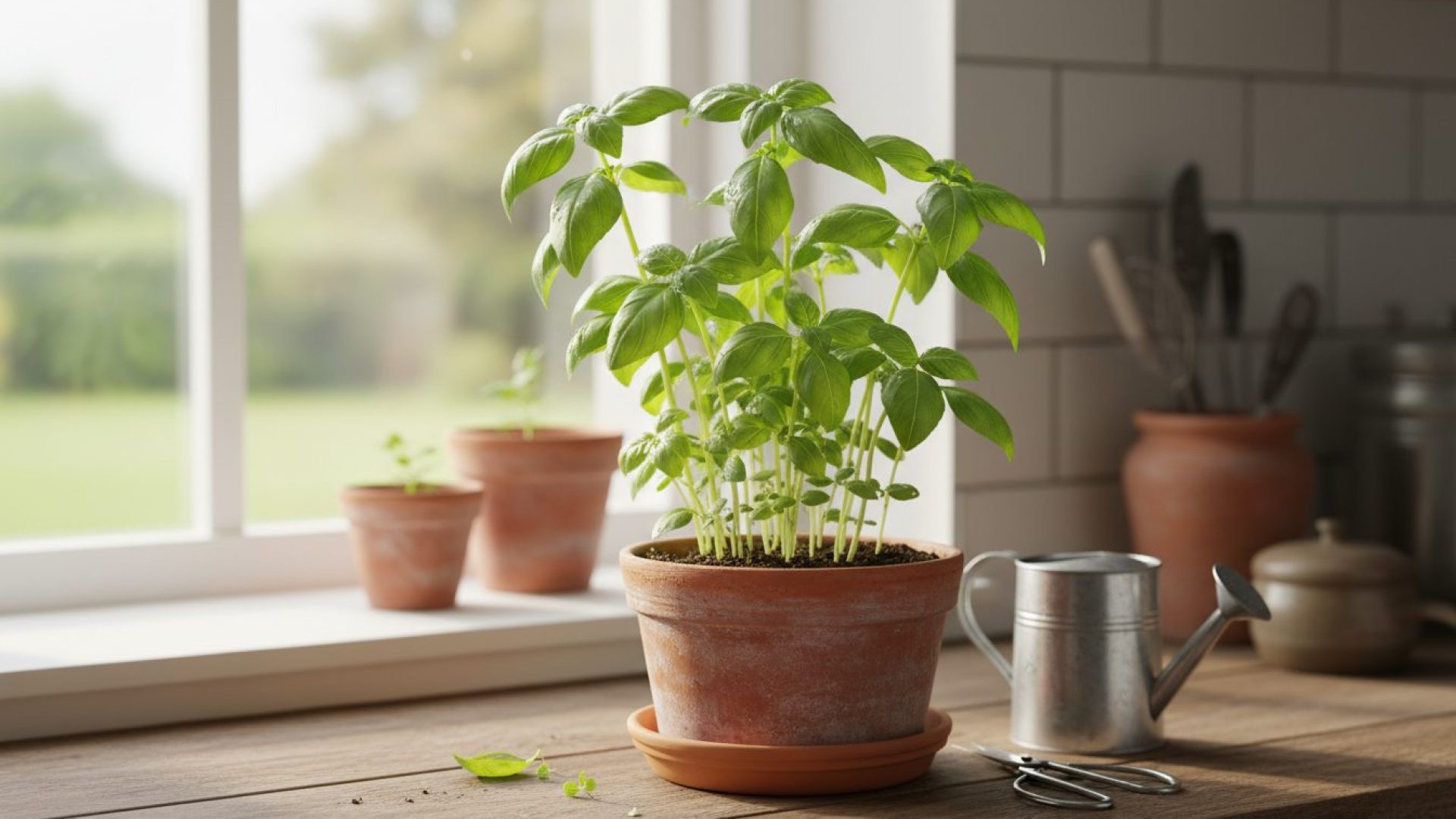
Have you ever picked up a sprig of fresh basil and instantly imagined your kitchen transformed? Maybe it’s wishful thinking, but the scent of basil—earthy, slightly peppery, almost sweet—is like an edible passport to summer days and Mediterranean meals. “How to grow basil at home?” is one of those deceptively simple questions that opens up a world of discovery. Whether you’re nursing a grocery store basil plant or eyeing a packet of seeds, there’s more to success than tossing some green leaves on a windowsill and hoping for the best.
I’ve been growing basil for over a decade—in everything from plastic pots perched on apartment sills to raised beds sunk in backyard sunshine. In that time, I’ve learned what thrives, what flops (spoiler: soggy roots will break your heart), and what tricks make basil bolt with happiness even if you have zero outdoor space. Let’s dig in, and I’ll share a mix of practical steps, expert tips, and a few small confessions about what actually works at home.
What Makes Basil Such a Home-Garden Favorite?
Basil isn’t just another “herb.” It’s practically a rite of passage for new gardeners. Here’s why:
- Fast payoff. With good conditions, you can go from seed to snip-able leaves in 4-6 weeks. Compare that to tomatoes—delicious, but a test of patience.
- Low space demands. Many basil varieties (like sweet, Genovese, or Thai) do amazingly well even in modest containers.
- Flavor and flexibility. Fresh basil wakes up pizza, pasta, salads, and even cocktails. I can count on one hand the herbs with that kind of range.
Over 70% of home gardeners try basil at least once (according to various home gardening surveys I’ve seen). Why? Because it’s the gateway herb. It teaches you a lot about plant needs while giving you ample reward.
Choosing Your Basil: Seed, Starter, or Grocery Store?
First big decision: Will you start basil from seed, pick up a starter plant from a nursery, or rescue a leggy supermarket pot?
Sowing Seeds
If you like seeing the full lifecycle (and you’re a little patient), sow seeds. There’s something magical about watching those first tiny leaves unfurl. Seeds also give you options—purple basil, lemon basil, ‘Genovese’ for Italian dishes, or Thai for spice lovers.
Starter Plants
Nursery or farmers market plants are great for instant gratification. Just check for healthy roots and avoid plants that already look top-heavy or are flowering—it means they might be stressed or old stock.
Grocery Store Pots
Grocery store basil is tempting, but it’s often overcrowded in shallow pots, grown for quick sale, not long-term survival. I’ve had the best luck splitting these up into several small pots and trimming off half the leaves right away. This forces the plant to regrow and settle in.
Light: The Real Secret to Thriving Basil
Here’s a pattern I noticed: folks with the most robust basil usually have one thing in common—a sunny spot. Basil craves light, like a cat stretching out in a warm sunbeam.
- Ideally, basil wants 6+ hours of direct sun each day.
- Without enough light, you’ll get tall, leggy, pale stems and tiny leaves—edible, but not the lush, bushy basil you crave.
- If your only window faces north or is shaded by buildings, consider a small LED grow light. Modern grow lights are incredibly efficient (using about 10-20 watts) and can make all the difference indoors.
I can’t emphasize this enough: every time I move a tired-looking basil into a sunbeam (or under a grow light), it perks up drastically within a week. There’s no substitute for adequate sunlight.
Soil and Containers: Don’t Drown Your Dreams
Basil’s not overly picky, but it hates soggy roots. This is where most home-growers slip up. Here’s what matters:
- Use well-draining potting mix, not heavy garden soil. Look for “vegetable and herb” blends or a classic all-purpose potting mix.
- Aim for a container at least 6-8 inches deep, with good drainage holes.
- If you’re reusing a pot, wash it first. Old soil can hide fungal spores or gnats.
I learned the hard way that basil gets fussy in compacted, waterlogged dirt. Once, I attempted basil in a cute but shallow mug without drainage… Let’s just say, root rot is a lesson best learned once. Water should flow freely and not pool at the bottom.
Bonus Tip: Mix in a Little Compost
Basil isn’t overly greedy, but a scoop of homemade compost or worm castings adds slow-release nutrients and helps hold some moisture—without becoming swampy. My healthiest basil beds always get a sprinkle each spring.
Watering Basil: Not Too Much, Not Too Little
Think “evenly moist” rather than “constantly wet.” Basil roots breathe, and sitting in water makes them cranky.
- Stick your finger in the soil. If the top inch is dry, it’s time to water.
- Water deeply, letting excess drain out, but avoid letting the pot sit in a saucer of standing water.
- In high heat (over 85°F / 29°C)—especially in smaller pots—basil dries out quickly and may need water up to once a day.
Interestingly, overwatering is the #1 basil killer in indoor settings. It’s easy to want to “nurture” your green friend, but basil likes to dry out slightly between drinks. In outdoor beds (with summer rain), you’ll find you water less—perhaps 2-3 times per week, depending on your soil and weather. Everything’s a bit of a balancing act.
Pinching, Harvesting, and the Art of Basil Bushiness
Many new growers make the same mistake: waiting too long to harvest. But here’s the trick—regular pinching is how you get lush, bushy basil (and a longer harvest window).
- Once your basil plant has 4-6 sets of leaves, pinch off the growing tip (the topmost pair of leaves). This encourages “side shoots,” creating a bushier, higher-yielding plant.
- Never strip all the leaves off at once. Always leave a few sets so the plant can keep photosynthesizing and regrow.
- When you harvest, pinch just above a pair of leaves—not down at bare stems—which signals the plant to make two new shoots.
Every time I do this, I feel like an architect shaping a green tower. The difference is dramatic: unpinched basil grows tall and thin, while pinched basil gets bushy and produces five to ten times more harvest.
Harvesting Timeline
- You can start picking leaves as soon as the plant is about 6-8 inches tall.
- For continuous harvest, pinch 1-2 inches from the top, snipping just above where two leaves join the stem.
- Once flowers appear (they’re pretty, but flavor fades rapidly), pinch off flower buds to keep leaves coming.
Common Basil Problems (and Honest Solutions)
- Pale leaves and slow growth? Usually low light, or possibly hungry plants. Move to a sunnier spot and offer a mild liquid feed every few weeks.
- Black spots or mushy stems? Very likely overwatering or poor airflow. Trim damaged bits and let the soil dry before watering again. A small fan (even on low) can help indoors.
- Leaves full of holes? Outdoors, watch for slugs and Japanese beetles (the latter skeletonize leaves in days). Handpick at dusk, or use copper tape for slugs if you’re feeling determined.
- Leggy, floppy growth? Move into brighter light or pinch frequently to redirect growth down low.
I once lost half a bed to a sudden aphid attack—tiny green bugs clustering at the stem tips in spring. A gentle rinse with water and a few ladybugs released did the trick (plus some manual squishing—it’s all part of the job). Basil’s usually low-maintenance, but get ahead of problems early and you’ll have fewer headaches.
Indoor vs. Outdoor: Key Differences
People often ask, “Is it easier to grow basil indoors or outside?” Here’s the real answer—it depends on your space, climate, and light.
Growing Basil Indoors
- Great for year-round harvest, especially with supplemental grow lights.
- Less exposure to pests, but watch out for gnats and the risk of overwatering.
- Air indoors can be drier (especially in winter), so occasional misting helps.
Growing Basil Outdoors
- Sun is usually more intense and direct—perfect for basil’s needs.
- Watch the weather; basil hates cold drafts or nights below 50°F (10°C). Cover or bring pots inside if a chilly front comes through.
- Outdoor humidity can be a bonus, but pests and rainfall need closer watching.
I’ve compared basil in a sunny window versus a patio pot—honestly, outdoor basil (with good weather) always grows bigger and tastier for me. But in winter, indoor basil is a lifesaver. Both can work if you adapt to the space.
Myth Busting: Does Basil Thrive on Neglect?
A surprising number of people think basil is “impossible to kill.” In reality, I’d say basil tolerates a little benign neglect, but too much and it simply fizzles. Here’s what actually happens:
- Basil left unharvested bolts (flowers and goes bitter) far quicker than you’d expect—sometimes in just four weeks if heat is high or you forget to pinch.
- Underwatered basil can wilt badly and never recover fully—the amount of leaf lost to stress is noticeable, and you’ll taste the difference.
- Overcrowded plants grown in too little light end up spindly, with thin, flavorless leaves.
Honestly, 60% of beginner basil losses are due to over-love (watering every day) or under-care (leaving in the wrong window to languish). There’s a sweet spot: regular checks, quick harvests, and adjusting care to conditions. Plants are like pets… minus the vet bills.
Quick Reference: Step-by-Step to Homegrown Basil
- Choose your start: Seeds, nursery plant, or split up a store-bought pot.
- Pick a bright, direct-sun spot or set up a grow light.
- Use a 6-8 inch deep pot with well-draining potting mix.
- Water when the top inch of soil dries out—never let roots stay soggy.
- Once basil is 6-8 inches tall, harvest by pinching the top stems just above a leaf pair.
- Fertilize lightly once a month with liquid seaweed or compost tea for extra vigor.
- Watch for pests, and pinch off any flower buds ASAP to keep leaf flavor at its peak.
Follow these, adjust for your home’s quirks, and you’re golden.
Frequently Asked Questions: Basil Troubleshooting
What’s the easiest type of basil for beginners?
Sweet basil (‘Genovese’ or Italian large-leaf) is the most forgiving. It’s slower to bolt, makes big leaves, and handles indoor windowsills as well as outdoor beds. There are showier types (Thai or purple), but those tend to want more warmth and can go woody faster.
Can I grow basil year-round inside the house?
Absolutely! If you have a sunny window or a small, inexpensive grow light, basil can produce edible leaves all year. During the winter, growth slows with less light, but as long as room temperatures stay above 60°F (16°C), your basil will keep plugging along. Just be sure not to overwater in winter, since evaporating moisture slows.
How do I keep my basil from flowering and turning bitter?
Pinch off the flower buds as soon as you see them. Most basil shoots upward before flowering, so regular pinching not only gives you more harvest but postpones bitterness by a good 2-4 weeks. Once a plant goes to seed fully, the leaves lose most of their rich aroma and texture, so keep up with the harvest!
Why does my basil keep dying after a few weeks?
This is usually a problem with either root rot (from overwatering/no drainage) or insufficient sunlight. Check your pot for decent drainage, and move your basil to the sunniest window available. Sometimes store-bought plants are simply root-bound and need splitting to give each start a better chance.
Are there any organic ways to fight off bugs on basil?
Definitely! Spraying a mixture of diluted dish soap (few drops per quart of water) or neem oil on the leaves helps with aphids and soft-bodied insects. For outdoor basil, attracting ladybugs or using a row cover is a solid strategy. I also handpick pests like slugs or beetles early in the morning—nothing fancy, just a cup of coffee and a quick patrol.
Final Reflection: Basil’s Humble Magic at Home
Sometimes I look at my little basil patch—spilling from a worn-out clay pot or creeping in between tomatoes—and realize it’s a quiet lesson in patience, adaptation, and reward. No matter how high-tech or rustic your setup, basil responds to care with almost immediate gratitude. Sure, plants have personalities (mine always get a few clumsy cuts in spring, and somehow forgive me by summer). But growing basil isn’t just about seasoning your salad or making pesto for the first time—it connects you to something slower, hopeful, and a bit delightful in everyday life.
If you’ve ever wished for a garden you could taste, start with basil. Caring for it might bring a bit of sunshine into your home—sometimes literally, sometimes on your pizza. Happy growing!