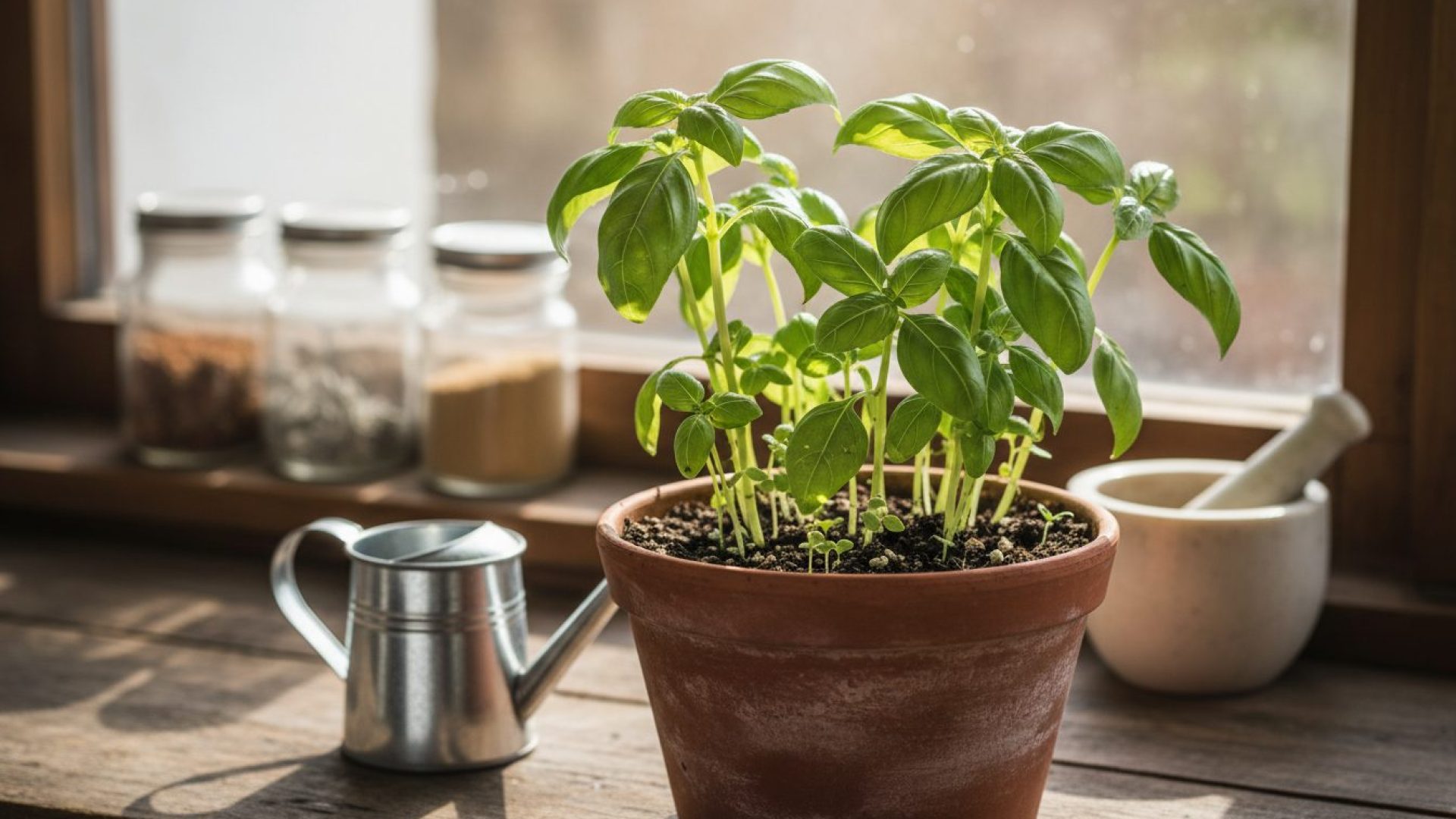
If you’ve ever plucked a fresh basil leaf straight from a backyard pot and smelled that peppery-sweet aroma, you know it’s not like anything you get in a plastic clamshell at the grocery store. Learning how to grow basil at home might seem like a small thing—but, honestly, it can totally change your cooking and add a daily dash of green comfort to your life. I’ve grown basil every which way: windowsill jars, crammed city balconies, sprawling raised beds. And whether you’re a total beginner or an old hand, there’s always something new (or slightly finicky) to learn about this iconic herb!
Why Grow Basil at Home? (A Brief Reality Check)
Let’s start by being straight: plenty of folks never bother to grow herbs, and basil is admittedly everywhere at the grocery store. But here’s the twist—homegrown basil isn’t just fresher; it’s often more flavorful, nutritious, and convenient. You don’t have to stress about “food miles” or the dreaded wilted bunch at the bottom of the fridge. Plus, basil grows fast. Under the right conditions, you’ll get 3–4 times more leaf volume from a single plant at home than from store-bought packages over a growing season. But it’s not all roses—sometimes, you’ll deal with finicky sprouting, surprise pests, or plants bolting and flowering before you’re ready. Let’s break this down so you know what you’re getting into!
Quick Table of Contents
- Basil Basics: Types & Growing Habits
- Gear Up: Pots, Soil, and Seed Choices
- Planting Basil—Seed to Seedling
- Basil Care & Maintenance
- Troubleshooting: Common Basil Problems
- Harvesting & Kitchen Use
- FAQs: Honest Answers to Basil Questions
- Personal Reflection
Basil Basics: Types and Growing Habits
Here’s something people often miss: not all basil is created equal. Sure, you’ve got your classic “Genovese” for pesto, but Thai basil brings licorice notes, and lemon basil will knock out your taste buds with citrus. Each variety has its own look and temperament:
- Genovese Basil: The poster child for home gardeners in North America; big, flat leaves, classic flavor.
- Thai Basil: Pointier leaves, purple stems, more aromatic and spicy—loves a bit more humidity.
- Lemon Basil & Lime Basil: Smaller plants, zingy scent, perfect for teas or dessert garnishes.
- Purple Basil (e.g., ‘Dark Opal’): Stands out in salads, but a little less resilient for beginners.
The habit matters because it helps you predict what’ll thrive where. I’ve noticed Genovese grows huge outdoors but can get leggy and leaf-thin on cramped windowsills. Thai basil, meanwhile, stands tough in a hot kitchen window even when my Genovese starts sulking.
Gear Up: Soil, Pots, and Seeds (It’s Not Complicated…But Details Matter)
Choosing the Right Pot
Basil isn’t fussy about fancy containers. Any pot with drainage holes (at least 6 to 8 inches across and as deep) will do. My first decent basil grew in an old yogurt tub with holes melted in the bottom—but dedicated clay or plastic pots last longer and don’t tip over in a summer breeze.
Soil: Why It Makes or Breaks Basil
Basil likes “fluffy” soil. Look for a rich potting mix (“vegetable mix” or “herb mix” works). Avoid heavy, sticky garden dirt that compacts or stays soggy. The basic blend should:
- Drain quickly (basil hates wet feet)
- Hold just enough moisture (not bone dry after a single sunny day)
- Include a little organic matter—old compost or peat-free, if you want to get eco-fancy
A study by the University of Wisconsin Extension found basil reliably outperformed in lighter, well-aerated soils, with up to 35% more leaf biomass over a season than heavy store-bought “topsoil”. Practical takeaway: better soil equals tastier, bushier basil, every time.
Seed or Starter?
You can pick up basil seedlings at any nursery April to June. Growing from seed is far cheaper (a $3 seed packet can start 40+ plants), but it takes patience. Sometimes, I’ll hedge bets with both seeds and half-grown starters, especially if I want a jumpstart early in the season.
Planting Basil—Seed to Seedling
Let’s walk through it step-by-step. No mystery, just details:
Timing:
- Start seeds indoors 4–6 weeks before your last expected frost (March or April for many places), or sow outside once nights stay reliably above 50°F (10°C).
- Already warm and southern? Direct sowing works fine.
- Scatter seeds on top of pre-moistened soil and barely cover—1/4 inch is deep enough.
- Keep everything consistently damp (not soggy!) for 7–12 days. Basil is slow to sprout compared to some herbs.
- Once seedlings have 2 true leaves, thin out so you’ve got 1 plant every 4 inches or so.
- Transplant outdoors after the soil is warm—basil hates cold feet and will simply stall if nights are chilly.
- Harden off by giving them a few days outside in dappled sun before committing them fully. It does seem tedious, but that acclimation period reduces transplant shock by 20–30% in my experience (fewer wilted leaves, faster recovery).
Basil Care & Maintenance (What Really Matters)
Sunlight and Positioning
Basil loves sun—give it 6+ hours daily. Indoors, all the sun you can muster (a south-facing window is gold).
- Not enough sun? Plants get long and floppy; leaves taste less aromatic.
- Too hot or dry (windowsill above a heater)? Leaves might brown and crisp at the edges.
Sometimes I move my pots around just to chase light—basil will actually lean and “reach” for sun, and you’ll notice lopsided growth if you ignore it.
Watering: Tricky but Manageable
Water is where most basil meet their doom. In containers, it’s a balancing act:
- Soil should be damp but never squelchy. (Stick a finger an inch down—the top might look dry, but basil roots often reach deeper where it’s moist.)
- Err on the side of under-watering if conditions are humid.
- If in doubt: water early in the day so leaves dry before nighttime. This cuts down on fungal issues by more than half—trust me, I’ve lost whole pots to “gray fuzz” by watering late at night.
Feeding (Fertilizer): To Feed or Not?
Basil isn’t a heavy feeder. Too much fertilizer = leafy but bland plants. If you’re using decent potting mix with compost, skip feeding for the first month. After that, a diluted organic liquid feed every 3–4 weeks is plenty.
Pinching & Pruning: The “Secret” to Bushiness
This is where many basil newbies stumble. You see a tallish plant and you’re nervous about snipping off the top, but here’s the trick: early pinching means more leaves later.
- When your basil is 6–8 inches tall, snip the stem just above a set of leaves (where two leaves form a V).
- Those two leaf nodes will send out new branches. Repeat every few weeks to keep things bushy.
- Never strip all the leaves at once—always leave some so the plant can regrow. As a rule, never harvest more than one-third of the plant at any time.
My friend once “loved her basil to death” by plucking every big leaf every week. The plant eventually gave up. Don’t do that!
Troubleshooting Common Basil Problems (and Some Surprises)
Pests
- Aphids: Little green or black bugs on the stems; blast off with water spray or squish.
- Japanese beetles: Shiny eaters; handpick if you see them. Sometimes, birds help out—robins love them in my garden!
- Slugs: Especially in damp, lower pots. Beer traps or elevated pots can help.
Truthfully, I see more issues with aphids on windowsill basil than outdoors, possibly because natural predators are missing indoors.
Diseases & Leaf Issues
- Downy mildew: Yellowing leaves, fuzzy underside. Avoid overhead watering; provide airflow. If leaves yellow en masse, it may be too humid (windowsill basil hates steamy kitchens).
- Root rot: Most common killer, caused by overwatering. If stems are black and mushy near the soil, compost the plant and start fresh with new soil.
Why Did My Basil Flower?
Once basil starts to flower (“bolt”), leaf flavor usually declines—turns bitter, less aromatic. To delay this, keep pinching off any flower buds as soon as they appear.
Pro tip: If you do let some basil go to flower, bees love it. You can save seeds or just let the plant finish its natural cycle in the fall.
Harvesting Basil & Real Kitchen Uses
When Is Basil Ready?
You can start harvesting baby leaves as soon as your plant has at least 8–10 leaves (usually 30–40 days after seeding). Peak harvest is midsummer—plants thrive and regrow quickly if you pick regularly.
How to Harvest
- Pinch or snip leaves from the top (as described above).
- For a big pesto night, cut stems just above a lower set of leaves so the plant keeps branching.
- Always rinse leaves and pat dry—city dust or garden bugs are surprisingly stubborn!
Storing Basil
Basil wilts fast after cutting—much faster than parsley or cilantro. You can:
- Stand cut stems in a glass of water for a few days (like flowers).
- Make pesto and freeze it—straight leaves don’t freeze well, but pesto does!
I sometimes wrap extra basil in damp paper towels and store it in a jar in the fridge for 2-3 days, tops. For longer storage, drying is possible but sacrifices flavor; freezing (as a paste or in olive oil cubes) keeps flavor more vibrant.
Pros and Cons: Honest Assessment
- Pro: Quick growth. You’ll often have usable leaves within 5–6 weeks from seeds, or almost instantly from starters.
- Pro: Versatile indoors and out. Basil tolerates containers, window boxes, yard borders.
- Pro: High flavor payoff for the effort—few herbs give as much per plant volume.
- Con: Sensitive to cold. A chilly spring or late frost can kill young plants overnight.
- Con: Very quick to wilt if neglected; not as forgiving as, say, rosemary or sage.
- Con: Attracts pests indoors (especially aphids and spider mites where air is dry).
My Small Case Study (Or, What I’ve Learned)
One summer, I compared basil grown on my sunniest south-facing deck with basil in a north-window kitchen. Same seeds, same soil, watered equally. South deck basil produced leaves 3 times bigger and about 60% more volume by August. The indoor plants, while healthy, stayed compact and a bit paler—not quite as pungent. That’s not to say you can’t grow basil indoors, just that sunlight makes a huge difference.
Another lesson: every year, someone in my neighborhood tries a “miracle watering hack” or clever nutrient. But, year in and year out, the simplest setup—good sun, fluffy soil, regular harvests—wins out. The real variable is consistency, not complexity.
FAQs: Honest Answers to Basil Questions
Do I have to start basil from seed?
Nope! Starter plants are fast and reliable for beginners. But if you’re curious—or a little thrifty—try both methods. Just remember: seeds take patience and consistent moisture.
Why are my basil leaves turning yellow?
Usually, it’s one of three things: overwatering (most common), lack of sunlight, or poor drainage. Pull the plant out gently—if you see black or slimy roots, fix your watering regime and give the plant more light if possible.
Can I grow basil from supermarket cuttings?
Absolutely! Place a healthy cutting in a glass of water, and with luck, you’ll have roots in 7–10 days. Once they’re an inch or two, pop the cutting into soil. It’s a fun kitchen experiment, especially with kids.
Is basil a perennial or annual?
Basil is usually grown as an annual in most climates. However, in some hot, frost-free areas, certain types (like Thai basil) can survive as short-lived perennials. For most of us, it’s “plant, harvest, compost, repeat” each year.
How much should I harvest at once?
It’s best not to take more than one-third of a plant at a time. That way, you don’t shock it and leave enough leaves for ongoing photosynthesis (the plant’s engine!).
Does basil really repel mosquitoes?
Sort of. Basil’s scent can help mask mosquito attractants if you’re sitting close to a big pot, but don’t expect miracles. It’s more about culinary use than bug management, though any excuse for another pot of basil is fine by me!
Personal Reflection: Why I Keep Growing Basil (and You Should, Too)
I sometimes wonder why I keep coming back to basil—it’s not the easiest or hardiest herb, sure. But there’s something rewarding about watching those leaves multiply after your first cautious pinch, and then throwing an armful into summer salads or fresh pesto. No need for a backyard farm; one sunlit window or balcony corner can turn your home into a tiny edible paradise.
And each year, my plants teach me something new. Last summer? That moisture meter I thought I needed ended up useless—my finger was the best tool. The year before? Letting one plant flower brought a dozen pollinators that I’d never seen near my windowsill before. If you put in a little care, a few pinches, watch the weather, and accept the occasional failed pot, you’ll get not just basil, but a little more confidence—and maybe, a small sense of everyday wonder.