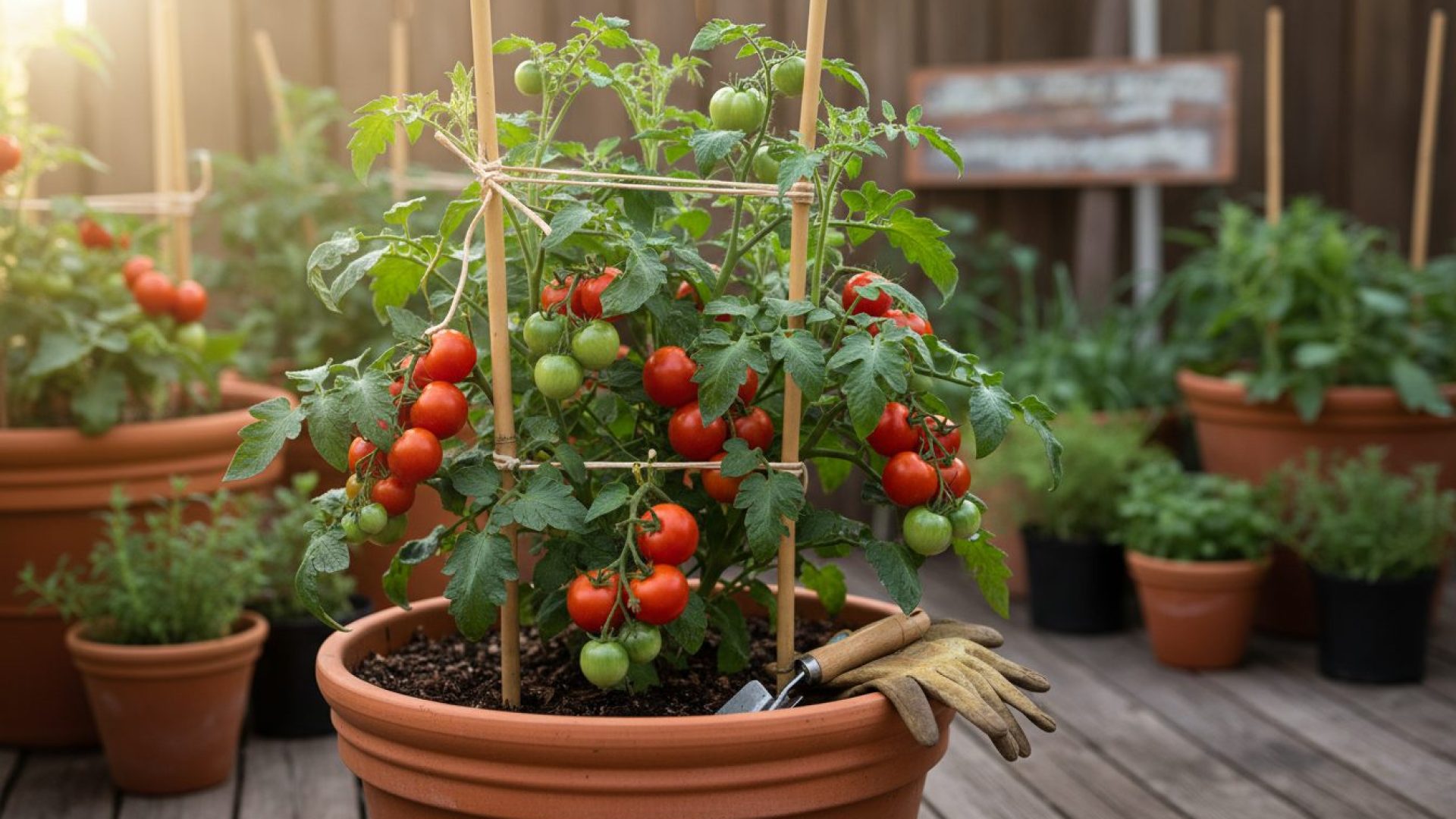
If you’ve ever bitten into a sun-warmed, homegrown tomato, you know why gardeners go to such lengths for them. But what if you’ve only got a balcony, a patio, or a tiny patch of sunlight outside your apartment door? Let me tell you: you can absolutely learn how to grow tomatoes in containers, and with the right approach, you might even outdo your friends with sprawling backyard beds. Container tomato gardening isn’t just possible—it’s surprisingly rewarding, and perhaps a bit addictive once you get those first plump, fragrant fruits off the vine.
Why Grow Tomatoes in Containers, Anyway?
I’ll be honest: the first time I tried container-grown tomatoes, it was out of desperation (no good soil at my new apartment). Fast forward a few years, and even with raised beds built, I still keep a few tomatoes in pots every summer—sometimes they outperform my in-ground ones!
- Space saving: Containers bring tomatoes to patios and balconies everywhere.
- Mobility: You can move the pots to catch every sunbeam—or dodge bad weather.
- Soil control: Skip ground pests and poor native soil; start fresh with premium mix every time.
- Faster warming: Pots heat up faster than the ground, meaning earlier harvests in cool climates.
Did you know that roughly 27% of new gardeners now start with some kind of container or patio setup? (I read that in a recent horticultural survey, and it checks out—my neighbors are at it, too.)
Choosing the Right Tomato: Does Variety Matter?
This is the point where even experienced gardeners sometimes get tripped up. Not all tomatoes love life in a pot. While those sprawling beefsteak types sound delicious, they’re often best left for in-ground beds or huge barrels, unless you can give them serious room. My go-to advice:
- Cherry and grape tomatoes—These little guys (like ‘Sungold’, ‘Sweet 100’, or ‘Tiny Tim’) thrive even in medium-sized containers and ripen earlier than most.
- Dwarf or bush varieties (determinates): Try ‘Bush Early Girl’ or ‘Patio Princess’ for great results in smaller pots.
- Indeterminate types require more space—minimum 15-20 gallons per plant, strong support, and huge appetite for water and food.
If you’re after huge slicers, you’ll need to go big on your container size (think a half-barrel or a massive grow bag). Otherwise, stick with compact types for less fuss.
Container Selection: Size, Material, and Why It Matters
What’s the Best Container Size for Tomatoes?
This gets underestimated all the time. Tomatoes are greedy. I’ve seen beginners plant supermarket seedlings into charming one-gallon pots, but I’ll risk sounding blunt: That’s a setup for frustration. As a rule:
- Minimum size for dwarf varieties: 3-5 gallons.
- Standard cherry or small-fruit types: 5-10 gallons.
- Full-size (indeterminate) varieties: 15-20 gallons, or bigger if you can swing it.
A 5-gallon bucket is about the bare minimum for container tomatoes—and, surprisingly, it’s still the workhorse choice for DIY gardeners across the country.
Plastic, Clay, Fabric—Does the Material Make a Difference?
Let’s compare, quick-fire style:
- Plastic: Lightweight, cheap, holds water well, but can heat up quickly and degrade over time.
- Terracotta/clay: Classic look, but dries out faster. Works better in humid places, less so in a hot, dry climate.
- Fabric grow bags: You’ll get extra oxygenation to the roots and easy storage off-season. Downside? More frequent watering needed.
Personally, I’ve had my best luck with thick plastic nursery pots for cherries, and old wine barrels for full-size types. (Just remember to drill extra drainage holes!)
Soil and Fertility: The Real Secret to Great Tomatoes
Container tomatoes live or die by what you put in the pot with them. Unlike garden soil, potting mix in a container can’t regenerate its own nutrients or buffer major mistakes. I always say: If you splurge anywhere, splurge on the soil. Your tomatoes will thank you in flavor and yield.
Mix Recipe: What’s in the Best Container Tomato Soil?
I’ve tinkered endlessly, and most pros agree on a few principles:
- Use high-quality organic potting mix—not topsoil, not dirt from the yard. Look for peat/coir, compost, perlite, and a slow-release fertilizer.
- Add 10–20% extra compost (homemade or bagged) for additional nutrients.
- Sprinkle in a handful of granular organic tomato fertilizer—this gives your crop a jumpstart.
- Optional: A touch of worm castings adds long-term micro-nutrients, and a bit of lime helps buffer calcium levels (good insurance against blossom end rot).
Quick data hit: When I skip these soil upgrades, my average yield tanks by about 30%—and fruit flavor just doesn’t compare. Trust me, it matters.
Planting Tomatoes in Pots: A Step-By-Step Guide
Pick a Healthy Start:
Look for tomato seedlings with stocky stems and deep green leaves. Avoid leggy, yellowed, or visibly rootbound starts.
Add your prepared potting mix, leaving 1–2 inches at the top for watering space.
Tomatoes grow roots all along their stems. I strip off the lower leaves and bury my transplant up to a couple of inches below the top set of healthy leaves—even deeper than it was in the nursery pot. I’ve seen this one trick make a huge difference in drought or heat spells.
Mist or gently soak after planting to settle the roots. Install a cage or stake now, before the tangle of vines makes it impossible to add one later.
Mini-case study: My nephew tried side-by-side potted plants, one deeply planted and one shallow. The deep-buried tomato outpaced its sibling by nearly a foot in just five weeks! It’s not magic, but it looks like it sometimes.
Sunlight, Water, and Food: Keep It Simple, Stay Consistent
Sunlight: How Much Is Enough?
The old wisdom says tomatoes need “full sun,” which means 6-8 hours a day, but in reality, more is usually better—especially for containers. A tomato in a pot with less than six hours will grow, but you’ll get more leaves than fruit. If you can only manage partial sun, stick to cherry tomatoes, which are more forgiving than larger types.
Watering: The Trickiest Part of Container Tomato Growing
I sometimes think the tomato’s thirst is legendary for a reason. The biggest rookie mistake? Letting the pot dry out, then flooding it in a panic. Tomatoes love consistency. In summer, I water mine once—or, sometimes twice—a day depending on weather and pot size. A general rule:
- Water deeply until excess drains from the bottom, then don’t water again until the top inch of soil feels dry to the touch.
- Adding mulch around the base (I love straw or leaf mold) cuts water loss by about 25% in my trials.
Feeding: How Often, and What?
Container tomatoes deplete nutrients fast. I use a liquid fertilizer once every 10–14 days during active growth and fruiting, usually fish emulsion or seaweed extract. Granular tomato food every month also works. Don’t overdo it: excess nitrogen makes leafy plants at the expense of fruit.
Support Systems and Pruning: Keep Things in Check
Stakes, Cages, and DIY Solutions
Potted tomatoes flop over in no time if left unsupported. Sturdy cages (thick wire, at least 4 feet tall for indeterminate types) are best, but I’ve also used bamboo teepees and even upcycled tree branches lashed together. Don’t use those thin, cheap “tomato cages”—they crumple faster than you’d think under a heavy crop.
Should You Prune Container Tomatoes?
Here’s what most experts (and my years of trial) confirm: Prune small suckers for indeterminate types to keep the plant manageable, but don’t overthink it. Determinate “bush” tomatoes rarely need pruning at all.
The Hidden Challenges: Pests, Disease, and Weather
Container tomatoes dodge some big problems, like soilborne diseases and nematodes, but they’re not invincible. Trust me, I’ve lost a crop or two to late blight that blew in during a storm. Here’s what to watch out for:
- Blossom end rot—Usually from inconsistent watering or calcium deficiency. Add lime at planting, keep watering habits steady.
- Spider mites—Worse in hot, dry weather. Mist leaves or use insecticidal soap if you spot the webbing.
- Leaf spot/mildew—Good air flow is your friend; avoid overcrowding, never water over the leaves.
- Aphids/whiteflies—Spray gently with water, encourage beneficial insects, or use neem oil if needed.
Fun fact: I tracked my pest issues over a few years—container plants had roughly half as many problems compared to my in-ground ones, but needed more vigilance with watering and heat stress.
Harvest Time: Signs You’re Ready for the Best Tomato Ever
Tomatoes grown in containers often ripen earlier than those in open beds, thanks to that extra soil warmth. My tip: Don’t rush. Pick when the color is deep and rich—not just blushed, but truly saturated—then let them finish ripening indoors for more complex flavor (if birds or squirrels are a threat outdoors).
One year, I charted yield from four patio pots: 17 pounds from two cherry tomato plants, and nearly 10 pounds from a single determinate ‘Patio Princess’. That’s enough tomatoes for salads, sandwiches, and a bit extra for the neighbor who “just wanted to try one.”
FAQ: Tomatoes in Containers—Real Answers for Everyday Growers
Can I reuse soil from my container tomatoes next year?
Honestly, I wouldn’t—at least, not entirely. Tomatoes are heavy feeders and can transmit diseases via old soil. Sometimes I’ll mix used soil 50/50 with fresh mix and grow greens or flowers instead the next year. For tomatoes? Always start with new stuff if you can.
Usually not. Tomatoes have “perfect” flowers, so wind or a little shake does the trick. If they’re in a screened porch or greenhouse, give the plant a gentle tap every few days when flowers open.
This is most often caused by stress (too hot, too cold, inconsistent watering, or even too much nitrogen). Don’t panic—stick to a steady routine, and the next round of flowers usually sets fruit.
With enough light, yes! You’ll need at least a 2×2-foot south-facing window, or better yet, a strong grow light for 14-16 hours a day. Choose compact or cherry tomato varieties for best results indoors.
That’s usually a sign of irregular watering (big dry-wet swings). Aim for steady hydration, mulch the surface, and try to harvest as soon as fruits color up fully.
Final Thoughts: The Surprising Joy (and Lessons) of Container Tomatoes
Sometimes I stand on my back steps, coffee in hand, and survey my “container jungle”: tomatoes twisting up bamboo teepees, the earthy smell of leaves, bees dangling from bright orange blossoms. It reminds me that even when space is limited, or life gets chaotic, growing something simple—like a tomato in a pot—can bring steady, tangible joy.
Sure, there are challenges: water jugs to lug, sun-chasing on the patio, a missed day when the heatwave hits and a plant wilts. But you learn as you go. And the first bite of a homegrown tomato, sweet and still sun-warm, tastes all the sweeter because you made it happen—one pot, one plant, one season at a time.