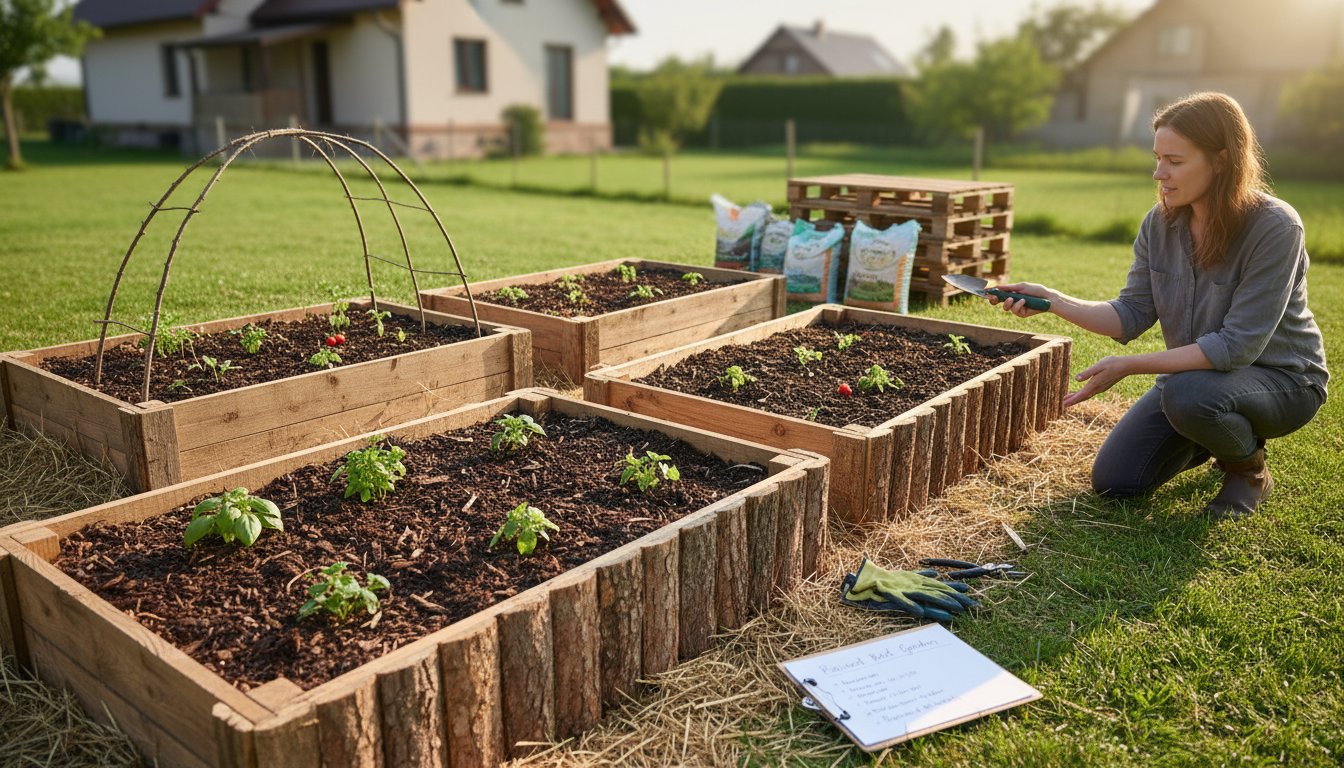
There’s something magical about the idea of growing your food, even just a few tomatoes or herbs, right outside your kitchen door. But let’s face it—when you start looking at all those glossy photos of raised bed gardens online, it can feel like you need a big wallet to match your big dreams. I’ve been there! Luckily, figuring out how to start a raised bed garden cheap is way more doable than the glossy catalogs (and some YouTubers) make it seem. Whether you’re in it to save on produce, eat healthier, or just need a new hands-in-the-dirt hobby, this guide will break it all down—real numbers, shortcuts, little wins and all.
Cheap Raised Beds: Why Bother?
I’ll be honest, you don’t have to go the raised bed route if you have good soil and no digging restrictions. But many of us deal with lousy hardpan, hungry tree roots, or weird rental rules. That’s where raised gardening beds really shine. They’re like instant “good soil” on top of whatever’s lurking underneath. Studies have shown home gardens, especially raised beds, can boost veggie yields by up to 25% compared to traditional in-ground plots, thanks to better drainage and root space.
- Raised beds warm up faster in spring—early tomatoes, anyone?
- They often use less water than big garden rows.
- You can skip or minimize tough digging.
- Easy for anti-weed fabric underneath (and way less weeding, trust me).
But here’s the catch: store-bought beds can cost $100–300 each, not counting soil! The key is rethinking what’s “good enough”—and using smarts instead of cash.
How to Start a Raised Bed Garden Cheap: Step-by-Step
This isn’t rocket science, but there are a few places beginners waste money. Here’s a walk-through, with notes from my own experiments and what I’ve seen work for neighbors.
Step 1: Sourcing Your Raised Bed Materials—On a Dime
The wood aisle at a big box store makes my wallet nervous. So here’s a pro tip: Most home gardeners don’t need “fancy” cedar or redwood—especially if you’re okay replanting after a few years. Here are some dirt-cheap alternatives:
- Upcycled lumber: Wooden pallets (untreated), old fence panels, or deck boards from Craigslist/Freecycle. Always check for “HT” (heat-treated) stamp, not “MB” (methyl bromide treated – that’s a no-go for food!), and avoid painted wood to sidestep lead risk.
- Concrete blocks: Sometimes called cinder blocks—but look for the holes. They’re heavy but last forever and often free after a building project. Downside: Not quite as “pretty.”
- Sheet metal/roofing scraps: If you spot corrugated steel at a salvage yard, you can shape it into a cheap bed using stakes. It does get warm in full sun.
- Old bricks, stones, or even logs: Rustic and free if you’ve got them on your property (or a neighbor wants them gone).
Honestly, my favorite “cheap” beds are made of scavenged deck boards. They last 3–5 years and cost next to nothing. A couple friends and I once built three 8’x4’ beds for under $20 total—they just needed a little elbow grease and patience with mismatched corners.
Step 2: Picking a Good Bed Size (and Why It Matters)
Think small to start—even a 4’ by 4’ bed can grow a surprising amount. Here’s something I realized after watching too many beginner beds fail: bigger isn’t always better. Small beds mean cheaper filling, less weeding, and manageable maintenance. As a rule:
- Width: 3–4 feet (easy reach from either side)
- Length: Whatever fits your space—6–8 feet is common
- Height: 8–12 inches works for most veggies; taller (18”) for root crops if you have the soil or materials
Side note: If you only have concrete or a tiny yard, you can “containerize” with even less—an old washtub or a broken laundry basket can give you radishes and greens. Raised doesn’t have to mean huge.
Step 3: The Art of Dirt Cheap Soil
This is the step where budgets most often fall apart. Around my area, bagged garden soil runs $8–10 for just two cubic feet—and you’ll need 10+ bags per average raised bed. Ouch. That’s where “lasagna gardening” (layering organic stuff) and local resources save the day.
- Base Layer: Cardboard or newspaper (skip the glossy stuff) to smother grass/weeds.
- Compost & Fillers: If you have access, pile in homemade compost, semi-rotted leaves, straw, or well-aged animal bedding. Mix it up—diversity keeps plants happy.
- Topsoil & Store-Bought: Use the good stuff near the surface (top 6–8”), but bulk up most of your bed with what’s free or cheap. Often, you can split truckloads of “screened fill dirt” or “compost” with neighbors—sometimes $20–30 per cubic yard, versus $80+ per cubic yard in bags. That’s a big gap!
Here’s an example: Last spring, my neighbor and I split a pickup load of mushroom compost. It cost less than $25 each and filled two medium beds up to a foot deep. My greens were lush, his tomatoes happy, and neither of us went broke.
Step 4: Planning Plants for Maximum Bang-for-Buck
This is the fun part, and where personal taste meets cold, hard logic. Want to know a secret? Some plants are garden cheapskates, and others are penny drainers (looking at you, hybrid tomatoes and weirdly-pricey seed potatoes).
- Best value plants: Leafy greens (spinach, kale, lettuce), green onions, bush beans, herbs (basil, parsley, cilantro), cherry tomatoes, radishes, and even a zucchini or two.
- Seeds vs. starts: Seeds are crazy cheap—often 50-100 plants per $2 packet, versus 4–6 plant “starts” for $4–$8. I always use seeds for small stuff and splurge only for trickier transplants like tomatoes.
- Skip pricey gimmicks: No need for fancy “grow bags” or “blueberry barrels” the first year. Focus on what goes far for your effort and palate.
Why does this matter? Savings scale up fast if you grow what you already eat. Even a single 4’x4’ bed of greens can yield $100+ worth of salad in one spring/summer (I checked prices at my grocery store and stopped buying most salad bags mid-June).
Data Dive: Is Raised Bed Gardening Really Cheaper?
I love a good spreadsheet, so here’s what you might expect to spend—side by side. Let’s break it down:
| Store-Bought Kit | D.I.Y. from Scrounged Materials | |
|---|---|---|
| Bed Materials | $110–$200 | $0–$40 |
| Soil | $80–$150 | $30–$60 |
| Seeds/Plants | $15–$30 | $10–$25 |
| Total (per bed) | $205–$380 | $40–$125 |
Of course, results vary. The cheapskates (that’s a compliment!) I know usually hit the $60–$80 range per bed—including some “splurge” seeds or topsoil. The year I did it for under $50, I relied on free mulch, old boards, and a few buckets of dirt from a communal project at our local park. Even small habits—like swapping seeds with friends or hitting discount/free bins—add up over time. That’s a 60-80% savings!
Myths (and Realities) About Cheap Raised Bed Gardening
Let’s bust a few myths I hear all the time when talking about how to start a raised bed garden cheap:
- “You must use cedar, or it’ll rot in one season!”
Not true! Untreated pine lasts 3–5 years, and by then you’ll know if you like gardening enough to upgrade. Pallet wood in my yard is going strong at three years.
- “You need to buy organic garden soil or it’s not safe.”
Quality varies, sure, but most city compost or screened fill is fine for flowers and most veggies. Just avoid anything contaminated or with thick clay. If you’re paranoid, let it sit a year (“solarize” with a tarp) before planting edibles. - “You’ll save hundreds the first year.”
Not always, especially if you buy tools or full-price soil—but you will learn quickly and scale up savings over time. Within two seasons, most home-raised beds pay themselves off in food and fun.
Mini-Case Studies: Cheap Raised Beds That Worked
It’s easy to dish out advice, harder to show real outcomes. Here are quick snapshots from my neighborhood:
Case Study #1 – The Pallet Bed Experiment
Susan, down my street, wanted 2 small herb gardens but couldn’t spend more than $40. She scored 4 free heat-treated pallet sides behind a hardware store (asked for permission), lined with cardboard, and filled with a mix of leaf compost and bagged garden soil. Her mint and parsley thrived the first year (mint almost too much! Lesson learned: always contain mint). Cost? About $12 per bed, plus some sweat equity.
Case Study #2 – Concrete Block Corners
A father-son duo in our community garden managed to build a sturdy 4’x8’ bed with 16 scavenged cinder blocks ($1 each, used). They spent $40 on compost and leaf mulch from the city yard, and their bed has outlasted two wood-framed neighbors so far.
Case Study #3 – Fill Dirt and Raised Rows
Not technically a “box,” but my first year, I dug up my old flower garden “row-style” and used rotting logs as makeshift borders. I added layers of rescued compost and grew more beans in that 3’ by 8’ mound than I expected. Is it pretty? Not exactly, but it’s proof that budget builds can produce the goods.
Clever Shortcuts & Cheap Gardening Tricks
- Ask at local hardware or grocery stores for old pallets—most are happy to see them go.
- Check Facebook groups, Freecycle, or Craigslist for “curb alerts” on untreated wood or bricks.
- Coordinate soil buys with neighbors. Many municipalities offer “free compost days.”
- Use seeds whenever possible. Seed swapping can cut costs to pennies per bed.
- Old milk jugs or soda bottles can be turned into mini greenhouses or cloches—great for hardening off seedlings early or keeping slugs out.
- Mulch with leaves or straw from fall yard cleanup for free weed control—skip fancy wood chips or commercial products unless free or discounted.
FAQ: Real Questions About Cheap Raised Bed Gardening
Is it really safe to use old pallets for vegetable beds?
Typically, yes—as long as they’re stamped “HT” (heat treated) and not chemically treated or painted. Avoid pallets with “MB” (methyl bromide) or unknown history, especially when growing edibles.
How deep do cheap raised beds actually need to be?
Surprisingly, most veggies grow just fine in 8–12 inches. Roots like carrots and potatoes do better in at least a foot. If you have hard clay, even “shallow” beds with fluffy mulch on top can help.
Can I build a raised bed without any tools?
Definitely—concrete blocks or even stacked bricks/stones require zero fasteners. For wood, a simple hand saw and a cordless drill make it neater, but you can use a hammer and long nails (or even sturdy zip ties in a pinch!).
What if I have pets or tiny kids—will cheap beds hold up?
It depends on the sturdy factor! Concrete or stone lasts longest (and is hard for dogs to dig through), while scavenged wood works fine for a season or three. Use taller beds or add fencing if critters are an issue.
How do I keep costs down on fertilizer and amendments?
Rely on compost (your own or city-provided) and mulch with what’s free (leaves, grass clippings). Only amend with a handful of generic fertilizer if plants look pale. Most beds thrive on good organic matter alone.
Final Reflections: Why Cheap Always Matters More Than Perfect
You know, after years of digging in the dirt and watching hopeful beginners, I’ve noticed the most resilient gardeners always improvise. There’s an odd pride in telling a friend “those tomatoes grew in a bed made from an old shipping crate and filled with last year’s leaves.” In a world that endlessly peddles expensive solutions, starting a raised bed garden cheap isn’t just practical—it’s almost a quiet rebellion. And honestly, when you walk outside and see peas or basil growing in your own scrappy garden, the value goes way beyond dollars.
So don’t stress about having all the right gear, or “Instagram-worthy” setups. Start where you can, try what’s free or close to it, and add improvements as you go. I’ve seen amazing gardens start with nothing but heart, sweat, and a little creative scrounging. Who knows? A few seasons from now, you may be the one giving away compost, seeds, or pallet wood to the next hopeful gardener down the block.