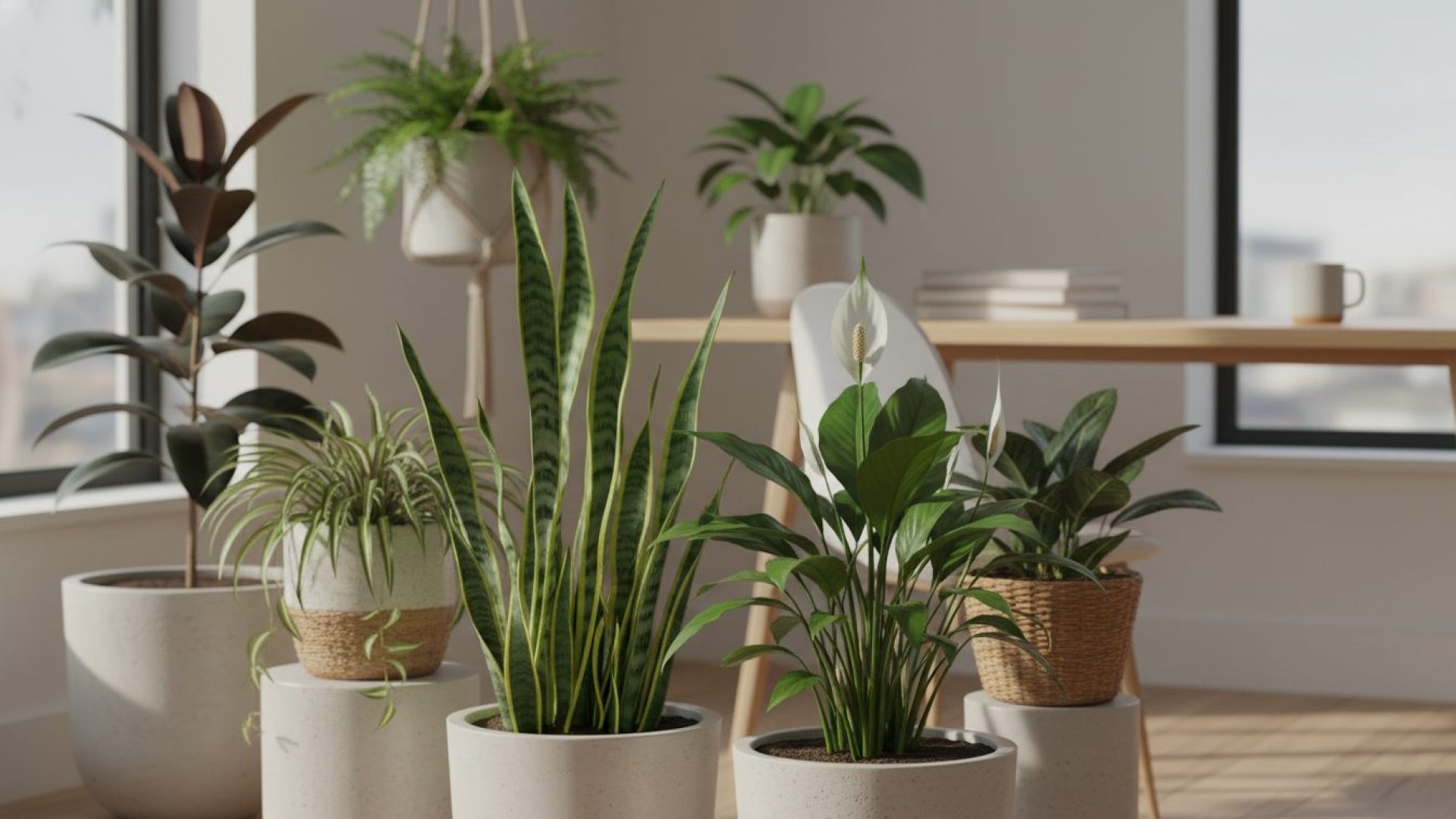
There’s something oddly thrilling about stepping into a room and instantly feeling the air lighter, fresher—almost as if the place just breathed. That’s what first nudged me down the rabbit hole of indoor plants that clean air naturally. Sure, I’d heard the NASA studies, the buzz about snake plants in offices, or the ever-present spider plant hanging in your grandma’s kitchen. But does this green magic really work—especially in the chaotic landscape of a real home?
Let’s get honest and practical about which houseplants pull real weight as air cleaners, what that even means in your living room, and the small but mighty details that most plant blogs never mention. Ready? Let’s take a stroll through the real side of cleaner indoor air—with leaves, roots, and, occasionally, a little dirt under our fingernails.
Why Do We Even Need “Air Cleaning” Indoor Plants?
I sometimes wonder if this is all marketing hype… but then I walk into an old building or somebody’s stuffy apartment after winter and—wow. Modern homes are little vaults, trapping not just warmth but also sneaky pollutants: formaldehyde (from furniture or carpet), benzene (from paints), and even trichloroethylene (from dry cleaning or some plastics). According to the EPA, our indoor air often has 2-5 times more pollutants than outside. So yeah, it’s worth caring about.
Air-purifying plants promise a natural, aesthetic way to help—literally filtering chemicals and dust as they grow. But do they really make a difference? Let’s break it down:
- Plants absorb gases (VOCs—volatile organic compounds) through tiny pores in their leaves.
- Microbes around their roots can also help break down toxins.
- Some plants release more moisture (humidity), which can help with dust and respiratory comfort.
But here’s something most lists gloss over: The effect is modest. You’d need a jungle (think 1 plant every 10 square feet) to get NASA-level air improvements, but even a handful can make you feel better, and that’s real.
Breaking Down the Science—What’s Hype, What’s Real?
Back in the ’80s, a NASA team tested dozens of plants in sealed chambers—and yes, snake plants, peace lilies, pothos, and others removed up to 90% of common pollutants in 24 hours. But guess what? Our homes aren’t sealed chambers and pollutants come and go. More recent studies show the right leafy lineup can still help—mainly by reducing VOCs and increasing humidity.
I’ve seen it firsthand: After adding four large plants to my small home office, I had fewer headaches and that dry, itchy nose feeling disappeared. The difference won’t register on a laboratory air meter, but it feels different—the air smells fresher, more alive, almost like stepping outside after a gentle rain.
7 Indoor Plants That Clean Air Naturally—And Actually Survive Indoors
Okay, let’s get to the real stars. Each of these indoor plants naturally purifies air, works in typical home conditions, and has survived my occasionally forgetful watering habits.
1. Snake Plant (Sansevieria trifasciata)
This spiky character is a classic for a reason. Snake plants are nearly indestructible, tolerate low light, and, unique among indoor plants, release oxygen at night. That’s a one-two punch for bedrooms. They’re proven to absorb formaldehyde, benzene, and trichloroethylene.
- Care: Water once every 2–3 weeks. Avoid soggy soil.
- Air benefits: Excellent VOC absorption, especially for bedrooms.
2. Spider Plant (Chlorophytum comosum)
If you’ve ever seen those tiny “spiderettes” trailing down from a hanging basket, you know why I always think of this one as the plant that keeps on giving. Spider plants excel at removing xylene and formaldehyde, often found in furniture glue and paint.
- Care: Low-fuss, drought-tolerant, and pet-friendly.
- Air benefits: Absorbs up to 95% of certain VOCs in lab studies.
3. Peace Lily (Spathiphyllum spp.)
There’s something peaceful (pun intended) about those crisp white blooms emerging from glossy leaves. NASA put peace lilies near the top for pulling benzene, formaldehyde, and ammonia from the air. Just watch out: these beauties are toxic to pets if nibbled.
- Care: Likes shady corners and frequent waterings.
- Air benefits: Tackles the widest range of toxins.
4. Pothos (Epipremnum aureum)
This one is my go-to when someone says, “But I kill every plant.” Pothos is the forgiving friend in the houseplant world—growing anywhere from dark corners to kitchen shelves, trailing or climbing. It grabs formaldehyde, benzene, and xylene with ease.
- Care: Can go 2–3 weeks without water (trust me, I’ve tested).
- Air benefits: Acts as a living air filter, especially in living rooms or offices.
5. Rubber Plant (Ficus elastica)
Big, waxy leaves make the rubber plant both a statement piece and an efficient air purifier, with a knack for soaking up formaldehyde (from carpets and vinyl, for example). I love mine for its steady growth and almost zero pest issues.
- Care: Needs indirect light; water when the top inch of soil dries.
- Air benefits: Great for larger rooms thanks to bigger foliage.
6. Boston Fern (Nephrolepis exaltata)
These ferns are humidity heroes, adding much-needed moisture to dry air and targeting formaldehyde and xylene. They do need regular misting—think bathroom windowsills rather than dry living rooms.
- Care: Likes bright, indirect light and consistent moisture.
- Air benefits: Best for homes with dry, heated winter air.
7. Areca Palm (Dypsis lutescens)
Nothing transforms a dull corner like a lush indoor palm. Areca palms not only look tropical, but they’re also top-tier natural humidifiers and air cleaners—removing formaldehyde, toluene, and xylene.
- Care: Prefers bright, filtered light and regular watering.
- Air benefits: Subtlety increases both air moisture and purity.
How Many Plants Do You Really Need?
This is a good one. NASA’s clean air study used one plant per 100 square feet. In real homes, even two or three well-placed plants in a single room can help you notice fresher air—especially if you group them near seating areas, or wherever you hang out the most.
- Small rooms: 1–2 medium plants (six-inch pots)
- Large living areas: 3–5 large plants (think waist-high palms or rubber plants)
- Bedroom/office: 1 snake plant or peace lily on the nightstand works wonders
Of course, you don’t have to turn your home into a greenhouse. Grouping several plants together can have a “compound effect”—not just better filtration, but also more humidity and visual therapy. (Let’s not underestimate how much seeing something green can boost your mood after a long winter, right?)
The Hidden Upsides (And Limitations) of Living With Indoor Air Cleaning Plants
So, will a pothos or two instantly rescue you from dust, sniffles, or chemical headaches? It depends. Here are some lived truths I’ve gathered:
- Pros:
- Noticeable boost in humidity—especially useful in heated, winter air
- Lower dust levels near clusters of plants (I can track it on my bookshelves!)
- Emotional benefits: Lower stress, boosted focus, a sense of care
- Aesthetic lift—rooms simply feel “fresher” and more alive
- Real air purification requires multiple plants and consistent care
- Some plants (peace lily, rubber plant) are toxic to pets or children if chewed
- Ferns and palms need more regular misting or watering than low-maintenance succulents
- No plant can replace proper ventilation (open those windows when you can!)
Mini-Story: How I Noticed a Difference After One Month
I’ll admit, I used to be skeptical. But last winter, stuck working from my closed-up living room, I introduced a pothos, a snake plant, and a pair of spider plants. After about three weeks, the room just… felt less stuffy. Friends started saying, “Your apartment always smells so clean!”—and I noticed fewer headaches and less static shock (signs of better humidity). Give it a try in your main space for a month and track what you notice. Sometimes, it’s the subtle changes that end up mattering most.
Quick Tips for Getting the Most (Real) Benefits From Air-Cleaning Indoor Plants
- Aim for variety: Mix leafy, upright, and trailing plants for best effect
- Check for toxicity: Place pet-unfriendly plants out of reach
- Mist or wipe leaves: Dust blocks air-purifying pores; wipe them monthly with a damp cloth
- Don’t overwater: Root rot kills more plants than dry air—when in doubt, wait a day
- Group your green team: Plants work better when clustered together for both air and humidity boost
- Let in fresh air occasionally: Plants assist with—not instead of—proper ventilation
Frequently Asked Questions About Indoor Plants That Clean Air Naturally
Do air-purifying plants really improve indoor air quality?
It’s not magic, but yes—they help! Scientific studies (like NASA’s) show improved VOC levels in plant-filled rooms, but only with enough greenery and in real-world conditions, the effect is subtle but noticeable. Think of them as a team player, not a solo hero.
Which indoor plant is best for bedrooms?
Snake plants are my top pick for bedrooms—they release oxygen at night, require almost no light, and are robust enough to survive even if you forget a watering (or two). Peace lilies are also excellent but do need more attention.
Are air-purifying plants safe for pets?
Some are safe—spider plants and Boston ferns are okay for cats and dogs. But plants like pothos, peace lily, and rubber plant are toxic if chewed. Always check before adding anything leafy to a home with roaming pets.
Can one or two plants make a difference?
Absolutely, especially in smaller rooms! While you won’t get clinical air-purity stats, people consistently report fresher smells, fewer symptoms of dry air, and a happier vibe once they add just a couple. It’s about enjoying incremental upgrades—not instant miracles.
Is it better to group air-cleaning plants together or spread them out?
Grouping works best. Plants naturally raise humidity for each other and (in my experience) appear to foster healthier growth. Place groups near main seating areas or where you work or sleep for maximum personal benefit.
A Personal Reflection—Why “Better Air” Isn’t Just About Science
I’ve come to believe that caring for a handful of indoor plants goes well beyond just air quality stats. Yes, science supports their gentle purification powers, but there’s also something healing in giving them a spot by your desk, wiping their leaves, watching a new tendril unfurl. Maybe that’s the real secret—plants connect us to the spaces we live in, making us notice both the air and ourselves. And at the end of the day, who couldn’t use a bit more of that?