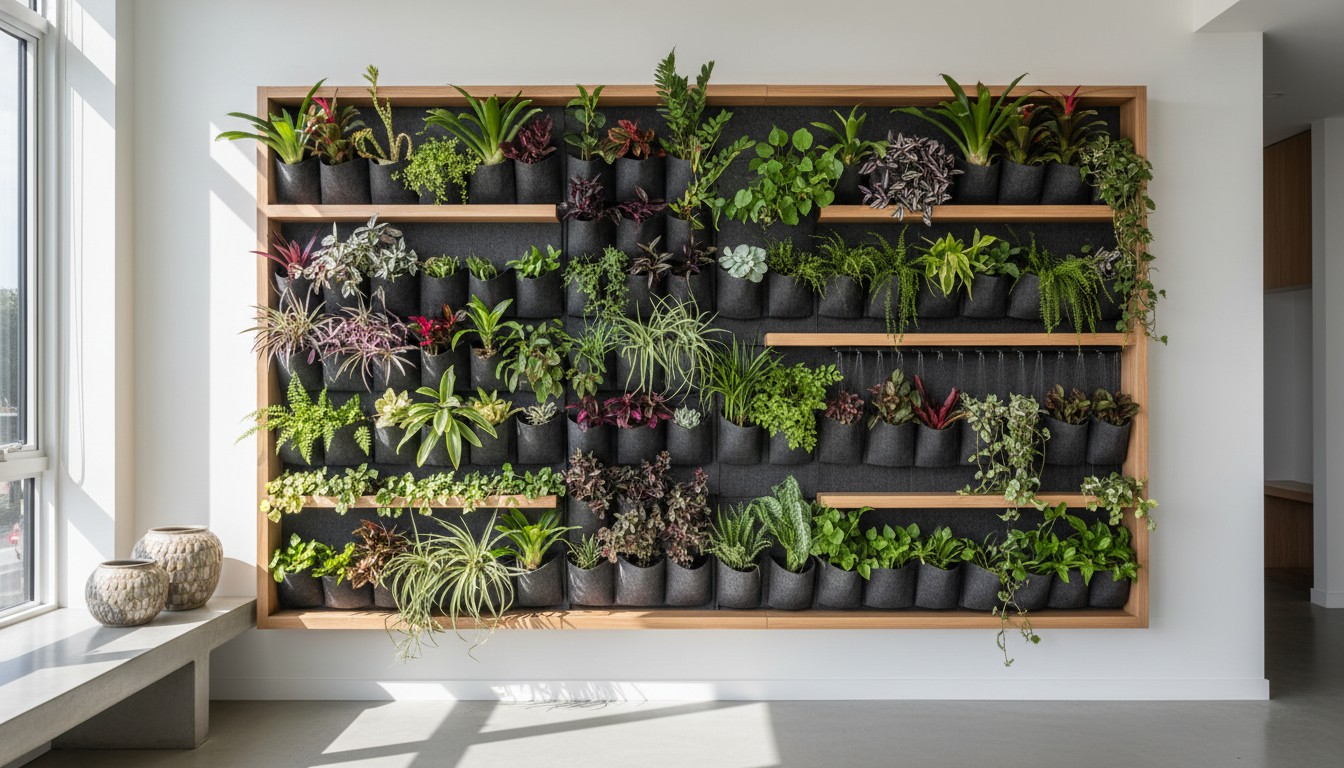
Have you ever looked at your walls and thought, “What if I could turn that into a little slice of the outdoors?” That’s the heart of indoor vertical gardens—creative, living decor that transforms your home’s air, style, and maybe even your mood. I’ve watched the trend explode in recent years, and I totally get why: There’s something magnetic about seeing a bare wall become a green, living work of art. Let’s dig into smart, sometimes unexpected indoor vertical garden ideas, real-world wins (and fails), and what actually matters when you’re trying to bring the outside in—without making your home look like a rainforest ran wild.
Why Indoor Vertical Gardens are Catching On
Vertical gardening indoors isn’t just a passing craze. In fact, the interest in vertical greenery has grown rapidly in the last decade. Some estimates suggest up to a 30% year-over-year growth in urban indoor gardening trends since 2020. If you poke around Pinterest or interior design blogs, “living walls” and “vertical herb gardens” pop up a lot more frequently than five years ago. Why?
- Space is at a premium. Especially for city dwellers—65% of households lack even a small yard or patio, so going up, rather than out, just makes sense.
- Air quality matters. Indoor air pollution is a bigger deal than a lot of folks realize, and NASA’s famous studies showed that houseplants can remove certain toxins from the air. Vertical gardens maximize plant coverage without eating up square footage.
- Style and mood boost. Multiple surveys show homeowners feel happier and more productive surrounded by greenery.
Of course, it’s not all sunshine and hanging pothos. I’ll get into the downsides and practical issues too—because as someone who’s trialed more vertical setups than I care to admit, I’ve seen the downside of “just hang some plants on a wall” thinking.
Popular Indoor Vertical Garden Ideas (That Actually Work)
Let’s break down some approaches. I’ll start practical, then get a little more creative.
1. Mounted Planter Systems
If you want that lush, wall-of-green look, modular planter systems are a game changer. These are grids or racks that attach directly to the wall, holding anywhere from four to forty little pots or pockets.
- Brands like Woolly Pocket and VertiGarden are popular—though honestly, I’ve made DIY versions using shoe organizers and recycled containers too.
- They’re tidy, scalable, and keep individual plants separate (so if one gets sick, you don’t lose the whole thing).
- Quick tip: Wall pockets made of felt or cloth can save you from water drips, but classic plastic modules are easier for beginners to water consistently.
Analysis: Mounted systems are great for renters (some use adhesive strips or hooks), and they let you cluster humidity-loving plants for real microclimate magic. Downside? If the wall gets too wet, you risk mold or stains—line with plastic sheeting if you’re nervous.
2. Ladder and Leaning Shelf Gardens
I’m a sucker for upcycling—give me an old wooden ladder and I’ll make a plant “library” of trailing and upright varieties. Leaning ladder shelves—especially against a bright window—create a layered vertical look without actually mounting anything.
- Excellent for herbs, succulents, or even smaller pothos and ferns.
- If you group by water/light needs, this setup cuts down on chores and makes adjusting for temperature swings much easier.
- Bonus: Ladders or shelves can be found secondhand for a steal—sometimes for less than $20.
Observation: With this method, I’ve had fewer issues with drooping, overwatered plants, since runoff naturally drips down and shelves are easy to wipe. The main catch is making sure the lower levels get enough light, so supplemental grow lights may be needed.
3. Hanging Gardens with Macramé and Ceiling Hooks
This one’s as much a craft project as a gardening project. By using macramé hangers and ceiling hooks, you can suspend a curtain of plants right in front of windows (or just over a reading nook—plants plus books equals serotonin).
- Works well for trailing vines (like heartleaf philodendrons or English ivy), but don’t skimp on the strength of your hardware. Pots are heavier than you think when wet!
- Cluster plants in odd numbers (3 or 5) for that Instagrammable effect. I learned this from an interior designer friend, and it just looks… nicer, somehow.
- Consider plant weight, especially if you’re renting or have old ceilings.
Quick Fact: In my old apartment, I used adhesive-backed hooks, but after a mishap with a heavy snake plant, I recommend screwing hardware directly into studs for anything above 5 pounds.
4. Living Picture Frames
Ever heard of “succulent art?” It’s a living-framed garden you can hang just like a painting.
- Best for slow-growing, drought-tolerant plants (think echeveria or sedum).
- You’ll need a shadow-box frame filled with a soil-holding mesh—there are easy DIY plans online.
- These require less watering and stay looking neat for months if you start with healthy cuttings.
Expert Note: Living frames aren’t the best choice for leafy, high-humidity plants—overwatering can rot the roots quickly. But for showcasing a dozen jewel-like succulents, it’s hard to beat these statement pieces.
Busting Three Common Myths About Indoor Vertical Gardens
- “You need tons of sunlight.”
- Reality: LED grow lights have revolutionized indoor gardening. About 70% of successful urban vertical gardens I’ve seen now use some artificial lighting—especially in apartments with north-facing windows. Most tropical houseplants actually prefer bright, indirect light over full sun.
- “Vertical gardens are hard to maintain.”
- Reality: Yes, they take a little more setup—think about water catchment, plant selection, and hardware—but watering can actually be faster than with scattered plant pots. For instance, a 10-module garden can be watered via a single drip line. The trick is grouping similar plants; mixing cacti and ferns always ends in frustration.
- “They cost a fortune.”
- Reality: While there are “living wall” installations (the fancy restaurant kind) that cost upwards of $1000, most home systems are under $200—even less if you DIY. Upcycled shelves, used ladders, and thrift-store finds are your wallet’s best friend.
Data-Style Insights: What Actually Thrives Indoors?
If I had a dollar for every failed spider plant wall I’ve seen… Well, I’d have enough for a fancy grow light by now. The thing is, not every plant is a good candidate for vertical indoor spaces. Soil moisture, gravity, airflow, and how much light a plant gets at a weird angle all factor in. Here’s an at-a-glance breakdown of popular options and how often they thrive (based on personal surveys and “unscientific collection” of stories from gardeners I know):
- Pothos/Devil’s Ivy — 90% success rate. Tough as nails, happy in standard modules or hanging setups.
- Philodendron — 85% success, especially in shelf/ladder systems. Less prone to “leggy” growth.
- English Ivy — 70% success. Looks good but needs careful monitoring for mites.
- Ferns — 50% success. Need very high humidity, frequent misting, and deep pockets.
- Succulents (in frames) — 65% success; biggest issue is overwatering, especially in humid climates.
- Herbs (basil, parsley, mint) — 80% success with proper lighting. Great for kitchens with south windows.
This pattern tells me a simple truth: Pick tough, adaptable species unless you enjoy a weekly plant ICU rotation.
Clever Indoor Vertical Garden Ideas for Small Spaces
- Repurpose a shoe organizer: The kind with clear pockets can be filled with soil and lined along a closet door. It’s brilliant for a quick kitchen herb wall—just remember to poke drainage holes.
- Magnetic planters for the fridge: Yes, you can grow microgreens or herbs right on your refrigerator if you stick magnetic containers. I once had a basil wall on my freezer, and it thrived with a bit of indirect window light.
- Over-the-sink rail gardens: Mount a metal rod over your kitchen sink and hang small pots from S-hooks. Every time you do dishes, your thyme and oregano are right at hand.
- Bookshelf vertical conversions: Remove shelves from an old bookcase, turn it upright, and mount planters at a slight angle so plants cascade out. This works well in offices and dorm rooms, too.
Pros and Cons: Is an Indoor Vertical Garden for You?
| Pros | Cons |
|---|---|
|
|
Anatomy of a Real-World Vertical Garden (Mini Case Study)
Let’s put this into a human context. The first winter in my old Boston apartment, I wanted fresh basil, but the windowsills were crammed. So, I used a hanging shoe rack, filled it with light potting soil, and planted six types of herbs. Lighting was a struggle—but a $15 clamp-on LED grow light made all the difference. The thyme and parsley thrived, while basil got leggy chasing the light. After a month, I learned to rotate the rack and prune aggressively. By March, I had a lush, fragrant indoor garden, just inside my pantry door. The lesson? Be flexible, experiment, and adapt as you go.
Tips for Long-Term Success with Indoor Vertical Garden Ideas
- Group by needs: Keep humidity-lovers together, cacti and succulents together, etc.
- Don’t forget drainage. Use bottom trays, extra liners, or wicking mats to avoid water stains.
- Prune regularly. Vertical gardens get crowded fast; don’t be afraid to snip, snip, snip.
- Check for pests monthly. Spider mites, aphids, and fungus gnats sneak up fast indoors.
- Invest in a timer for lights if possible. Consistent lighting makes a world of difference for fussy species like herbs or flowering plants.
FAQ: Common Questions About Indoor Vertical Gardens
- How do I water my indoor vertical garden without making a mess?
Start by using planters or pockets with built-in drainage trays, or line your wall with a waterproof barrier. Water slowly from the top, let it soak in, and always check the bottom layer for pooling. I sometimes use a spray bottle for precision—less is often more indoors.
- Can I grow vegetables in my indoor vertical garden?
Absolutely—just stick with compact varieties like lettuce, baby spinach, radishes, or dwarf tomatoes. They’ll need very strong light (LED grow lights are your friend). If you try to grow big things like full-size cucumbers, you’ll run into pollination and space issues fast. - What if some plants start to look unhealthy?
Don’t be afraid to swap them out! Think of a vertical garden as a rotating display. Some plants go through rough patches; if a leaf turns yellow or you see wilting, remove the plant and refresh the soil. Mixing new herbs or cuttings brings fresh energy and reduces disease risks. - How much daily light do indoor gardens really need?
Most “easy houseplants” need about 8–12 hours a day of medium indirect light. With herbs or veggies, try to mimic springtime daylight (12–16 hours if you use artificial lighting). Not enough light is the number one reason indoor gardens get lanky or pale. - Are there any low-maintenance vertical garden ideas?
Sure! Go for pothos, snake plants, or heartleaf philodendrons on a wall rack, or succulent frames that you only water every couple weeks. Set up auto-watering spikes if you travel often, or simply pick plants that forgive the occasional neglect (I know I need that sometimes!).
Reflections on Growing Up—And Up—Indoors
Bringing nature inside—especially up your walls—is a kind of rebellion against the typical limitations of indoor living. The best indoor vertical garden ideas come not from the fanciest catalogs, but from real people facing real space, light, or even boredom challenges. It’s trial, error, and a few spilled pots, but it’s always worth it when you step back and see your own work literally growing upward. If you’re even a little curious, set aside one wall or a cheap shelf and experiment. The results, I’ve found, are usually more surprising—and delightful—than you’d expect.