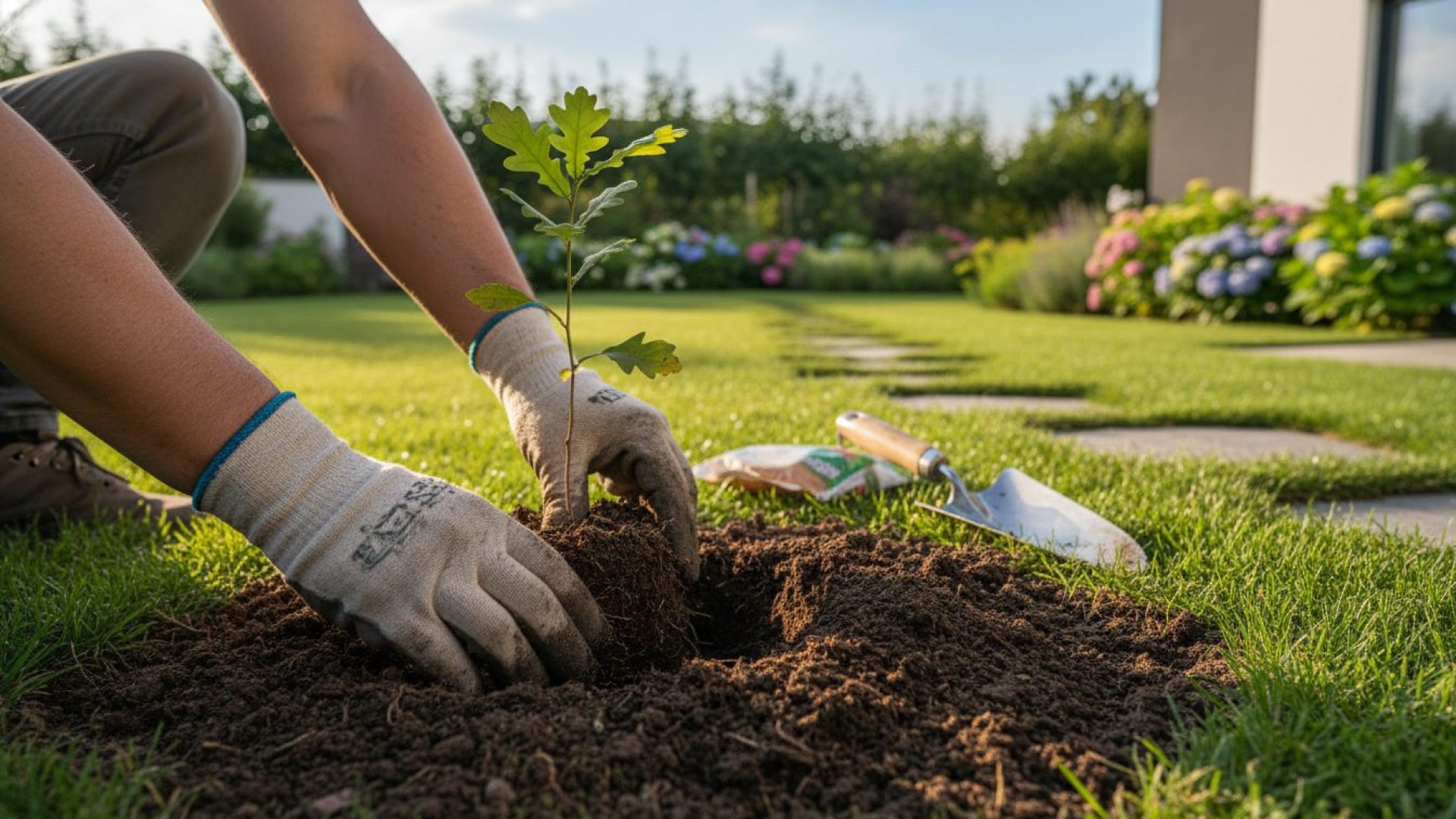
Let’s talk about lawn & landscaping—not that picture-perfect magazine cover, but the corner of the world you step into every morning, shoes dew-wet, mug in hand. Whether your yard sprawls across half an acre, squeezes between city sidewalks, or curls along a shady suburban fence, understanding the science and soul of this green space makes all the difference.
My first real landscaping challenge was a yard with more clay than Kansas, stubborn weeds that clearly planned to stay, and a patchy lawn that didn’t so much “grow” as it did “clump.” I learned early—there’s no one-size-fits-all. Still, there are smart moves, small wins, and a surprising number of choices buried in every square foot. Let’s dig in.
The Foundations of Modern Lawn & Landscaping
What Do We Really Mean by “Lawn & Landscaping”?
Strip away the fancy terms, and it’s simple: lawns are usually those uniform swaths of grass—often fussy, sometimes wonderful—while landscaping covers everything we add, shape, or nurture outdoors. That includes trees, shrubs, flowers, walkways, patios, water features, even garden sculptures. All these pieces work together, ideally, to create a space you love and that makes sense for your climate, your habits, and—let’s not kid ourselves—your weekends.
A Surprising Statistic or Two
- Did you know that lawns cover about 40 million acres in the United States alone? That’s more land than any single crop besides corn.
- The average American household spends nearly 70 hours a year on lawn care and gardening chores. Think about it: that’s almost two full weekends per month from spring through fall.
- Water usage? During peak summer, lawn irrigation can account for up to one-third of all residential water use in many communities.
(Sources: NASA Earth Observatory, EPA)
Why Lawns? Why Landscaping? A Little History and Some Honest Pros & Cons
A Short Story: From Aristocratic Lawns to Suburban Patches
Lawns started centuries ago as symbols of wealth—only the rich could afford big stretches of land that didn’t produce food (or graze sheep). Fast forward, and they’ve become almost a default expectation in many neighborhoods. But is that necessarily a good thing?
- Pros of a Lawn:
- It’s soft, playable space for kids and pets (until the dreaded mud season).
- Feels cooler than hardscape or dirt in summer.
- Can soak up rainfall, reducing runoff, if healthy (and if it isn’t just packed clay).
- High maintenance if you want that golf-course look—think mowing, weeding, watering, fertilizing, sometimes weekly.
- Lots of lawns are “chemical junkies”—turfgrass gobbles up more fertilizer and pesticide nationwide than any other landscape plant.
- Regular watering costs money and, in some regions, can stress local water supplies.
- Diversity? Not so much. A traditional lawn is a monoculture, which means it’s not great for pollinators or wildlife habitat.
What Makes a Landscape More Than Just a Lawn?
The Pieces of a Thoughtful Landscape
I sometimes picture landscaping as a pie chart: the lawn is just one wedge. The rest could be:
- Flower beds—think color and pollinators.
- Shrubs and trees—shade, structure, maybe even fruit.
- Paths—practical, plus they guide the eye.
- Mulch areas—for weed suppression and moisture management.
- Water features (if you’re lucky, or persistent!).
- Veggie or herb patches—landscapes can feed your table too, not just feed your sense of what the neighbors want.
And the magic? Good landscaping brings these together so they make your yard feel intentional. Not random, not sterile, not “where grass just happens.”
Case Study: The Patchy Lawn Turned Wildlife Magnet
Here’s a quick story. In my old place, I had one spot where grass refused to take. Instead of endless reseeding, we made a small shade garden—ferns, hostas, and blanketing groundcovers. Within a summer, it went from eyesore to little ecosystem. By year two, native bees were visiting; I found a toad sheltering under a rock. Not only did this cut my mowing time, but also, it showed how letting go of “perfect grass” grows something a little more interesting (and, quietly, easier to care for).
Patterns, Trends, and How Science is Changing the Way We Landscape
The Rise of Eco-Friendly Landscaping
If you comb through landscaping mags, town ordinances, or neighborhood Facebook groups (a wild ride, by the way), you’ll see a clear trend: more homeowners are swapping all-grass lawns for landscape diversity—natives, edibles, even mini-meadows.
- Native plants: Require less maintenance long-term, support pollinators, and often handle local weather extremes better than imported ornamentals.
- “No-mow” lawns and groundcovers: Creeping thyme, clover, even wild violets. Less mowing, more color, easier on water and fertilizer.
- Rain gardens: Specially designed low spots for collecting and filtering runoff—helping reduce flooding and pollution.
- Edible landscaping: Why not get a salad or some berries out of your backyard?
But let’s not sugarcoat it. There’s sometimes pushback—neighbors who prefer the old-school look, or HOAs with strict regulations. Shifting mindsets (and policies) can take time.
Data Point: The Cost Factor
Establishing a new traditional lawn (seed, sod, labor, irrigation) can range from $2 to $5 per square foot. A more layered landscape (shrubs, perennials, mulch, minimal grass) may cost a little more up front, but typically pays off with less annual care expense (less water, fertilizer, mowing gas). Studies show homeowners can reduce landscape maintenance costs by up to 50% after switching away from a conventional all-grass approach within several years.
*(Based on analysis from University of Minnesota Extension)
Step-by-Step: Rethinking Your Yard’s Balance
So you want a landscape that’s good for you, good for nature, and manageable year after year. Here’s how I think about it:
- Observe before you dig.
- Spend a week watching sun and shade patterns.
- Look for soggy spots, dry areas, places kids or pets trample most.
- Note the view from your windows. What would you like to see more of?
- Play space? Privacy from neighbors? Flowers for cutting? Space for a hammock?
- Be honest—how much time (and money) do you want to spend?
- Even a small yard can have lawn, flowerbeds, shrubs, and a vegetable corner.
- Mix it up for seasons: bulbs for spring, perennials for summer, some evergreens for winter structure.
- Can a problem spot become a pollinator patch? Can you add a tree or a pocket garden?
- Mulch helps a ton with weeds and water (I’m a convert).
- Drip irrigation, smart timers, and rain barrels make watering smarter, faster, and less wasteful.
- No need to abolish it! Just size it for your actual use, not tradition’s sake.
Common Lawn & Landscaping Myths (And the Truths Behind Them)
- Myth: A lush, green lawn always means a healthy yard.
Truth: That lushness can come from chemical boosters or overwatering. A healthy yard is about soil balance, diversity, and overall ecosystem health.
Truth: Good landscaping can prevent erosion, reduce flooding, support local wildlife, and even improve your mental health. (I’d argue the sense of refuge a wild corner gives in summer is worth more than any “perfect” lawn.)
Truth: A well-maintained grass area, with proper soil, aeration, and mowing, often fills out on its own. Overseeding is great for big bare spots but not always a yearly must-do.
Truth: With a bit of structure (edges, paths, mown borders), natives can be just as polished as traditional beds—and far easier on your back!
Unexpected Challenges: What Gardening Shows Won’t Tell You
Here’s something people often miss: real life throws curveballs. You’ll have a beautiful plan, and then a sudden drought, a rabbit invasion, or a neighbor who edges your garden with weedkiller “just to help.” Seasonal shifts, soil surprises, and the unpredictable behavior of living things can keep you humble. I’m always a little amused by how one year’s “impossible” spot becomes next year’s lushest corner after a wet spring or a good layer of compost.
Quick Tips for Healthier Lawns & Smart Landscaping
- Mow high. Set your mower blade at 3–3.5 inches—this shades roots, suppresses weeds, and builds healthier grass.
- Compost, mulch, repeat. Nature doesn’t leave ground bare. Add organic matter. Your soil (and worms) will thank you.
- Water deeply but less often. Early morning is best. Infrequent deep watering encourages stronger roots.
- Create edges. A mown strip or stone border turns wildflower beds from “messy” to “intentional.”
- Plant for the pollinators. Even a small patch of bee-friendly flowers is a win.
FAQ: Real Answers to Lawn & Landscaping Questions
Why does my grass always turn brown in summer, even though I water it?
This is a classic head-scratcher! Some grasses naturally go dormant (brown) during heat waves, saving energy. Sometimes it’s a sign of shallow roots—watering deeply (but less often) encourages roots to go deep, making grass more drought-tolerant. Also, check your mowing height—a grass cut too short (“scalped”) burns out fast. Mulching clippings (instead of bagging) actually helps hold soil moisture and adds back nutrients.
Is switching to a no-mow lawn really worth it?
It depends on what you want! No-mow and low-mow lawns (like fescues, clover) save time and resources over the years, but might not tolerate soccer games the way classic turf does. They’re generally better for the environment and can look great if you embrace a slightly wilder look. Think about your yard’s main uses before you commit.
How expensive is it to switch from a traditional lawn to a more diverse landscape?
The up-front cost can vary—a few hundred dollars for some perennial plugs, several thousand (or more) for a landscape overhaul. But replacing even 20-30% of lawn area with beds or natives typically pays for itself in 3–7 years via lower water, fertilizer, and mowing costs. DIYing it (slowly, one bed at a time) is always cheaper than a contractor-led transformation.
Are there easy ways to make my landscape more eco-friendly?
Absolutely! Start by watering less and mulching beds. Swap part of your lawn for native grasses or flowers. Avoid “weed and feed” chemicals—spot-treat instead. Install a rain barrel if you can. Every little change adds up, especially when your neighbors start to notice (and maybe copy!).
Can I still have a neat yard without lots of grass?
Yes! The key is structure—add paths, defined beds, tidy borders, and focal points. Even a wildflower patch feels organized with a crisp edge. Shrubs and small trees can give shape and privacy. Less grass doesn’t mean less curb appeal.
A Human Reflection: Why Lawn & Landscaping Still Matter
If I’m honest, my favorite parts of any yard are usually the imperfect ones—the rough mown paths, the corners where bees linger, the shade from a tree planted years ago “just to see if it’d make it.” The best landscapes, I think, balance personal taste with local nature and the rhythms of real life. Lawn & landscaping aren’t just chores or trends; they’re invitations to pay attention, to notice the small changes and the quiet resilience right outside your door. That, to me, is worth more than a perfect lawn ever could be.