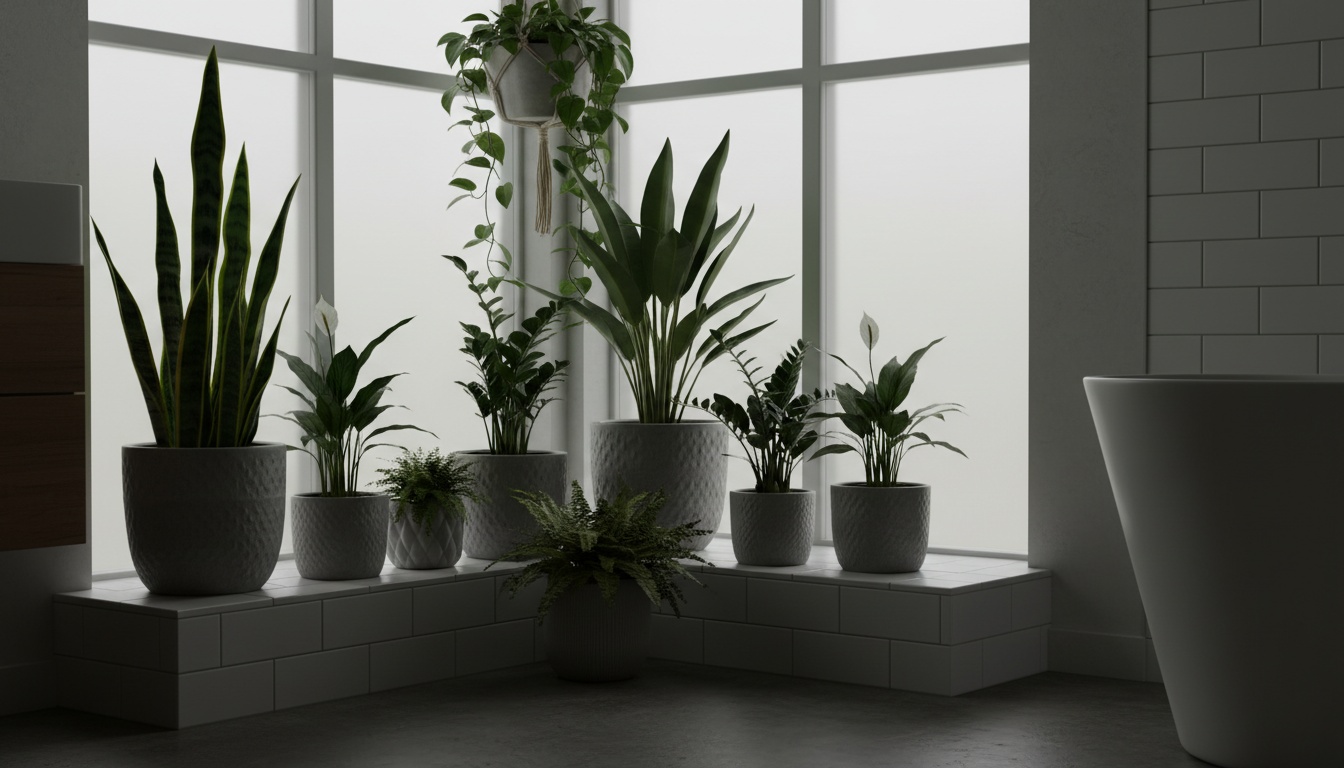
Some people seem to have a magic touch when it comes to houseplants. I’m not one of them—at least, not in the dark corners of my home. You know the spots I mean: those cozy corners, bathrooms with tiny windows, or basement offices where the sun never really comes to visit. But there’s good news: you don’t have to be blessed with big, bright windows (or secret plant wizardry) to enjoy greenery in your space. A smartly chosen low light indoor plants list can turn any shadowy nook into a lively, calming retreat. The key? Knowing which plants actually thrive—not just survive—where sunlight is in short supply.
How Low Is “Low Light,” Really?
Let’s pause a sec and get real about what “low light” means. If you can comfortably read a book during the day without extra lights, that’s medium light for most indoor plant standards. Low light is when a room stays a bit dim or you’d rather reach for a lamp come afternoon. Think offices with only overhead lighting, north-facing rooms, or spaces several feet from a window. Direct sunlight doesn’t hit these spots—at all.
According to a 2022 survey by the American Society for Horticultural Science, almost 40% of urban dwellers describe their homes as “below average” for natural light. Yet, houseplant sales in these areas keep ticking upward. Clearly, plant lovers aren’t letting a lack of sun slow them down.
My No-Nonsense Low Light Indoor Plants List
Let’s get straight to what you came for—the best plants for low light, with side notes from my own experience (and some hard-won plant survivor tales). These aren’t just guesses; these are the leafy companions I’ve seen thrive where others wilt. This is your real-world, low light indoor plants list for any room craving a touch of green:
Snake Plant (Sansevieria trifasciata)
- Nicknames: Mother-in-law’s Tongue
- Hard to kill (almost suspiciously so), snake plants will soldier on in almost any lighting—low, fluorescent, you name it. They even tolerate a week or two of neglect for good measure. I’ve left mine in a windowless bathroom for months, and not only did it survive, it put out new shoots. Plus, NASA’s famous clean air study points to their air-purifying qualities.
- ZZ Plant (Zamioculcas zamiifolia)
- If plants had secret agents, the ZZ plant would be it. Its glossy leaves stay perky in spaces where nothing else lasts, and you can get away with watering every 2–3 weeks. In my own office (which I half-jokingly call “the cave”), the ZZ outlasted two pothos and a peace lily.
- Pothos (Epipremnum aureum)
- An all-time favorite on “best office plants” lists, pothos vines forgive forgetful waterers and thrive without direct sun. Their trailing habit adds visual appeal, and according to several studies, they’re tops for removing indoor toxins. I’ve rooted cuttings in a jar of water on a bookshelf, no window in sight.
- Cast Iron Plant (Aspidistra elatior)
- The name says it all. These broad-leaved beauties were popular in Victorian-era homes especially for their ability to tolerate low light, cold drafts, and outright neglect. They’re rare in modern garden centers, but if you see one, grab it—it’ll handle the darkest corners, even by the front door.
- Peace Lily (Spathiphyllum spp.)
- With elegant white blooms and lush foliage, peace lilies are both decorative and low-maintenance. They do well in indirect light but adapt to much dimmer spots. The trick: don’t overwater (I learned that the hard way—yellow leaves are a dead giveaway).
- Chinese Evergreen (Aglaonema)
- I call this my “set it and forget it” plant. There are gorgeous varieties with pink, silver, or deep green leaves, and they’re forgiving of subpar conditions. A University of Florida study spotlighted them as a low light champion, with survival and growth nearly equal to brighter settings.
- Parlor Palm (Chamaedorea elegans)
- If you want an “instant jungle” vibe in a shady spot, choose the parlor palm. It grows slowly, yes, but is remarkably tolerant, and won’t mind low light so long as you avoid soggy soil. Mine anchors the end of a long, windowless hallway, and it’s thrived for years.
- Philodendron (Heartleaf and Others)
- Another classic vine with a reputation for thriving under fluorescent lights and limited sun exposure. I find these seem to “reach” toward light, so rotate them occasionally if you want even growth.
- Dracaena (Dracaena spp.)
- With spiky leaves and sculptural looks, dracaena species vary in color and size. They adapt surprisingly well to dim corners, though their growth will slow (which I actually like—less pruning!). Just don’t use tap water if yours is high in fluoride, as they’re sensitive.
What Makes a Plant “Low Light Tolerant”?
Here’s a bit of plant science: true shade-loving plants (scientists call them “sciophytes”) evolved thick, broad leaves to absorb more light, slower growth habits, and higher efficiency at photosynthesis even with limited sun. Many of our most popular indoor options originated from forest understories or shady tropical regions, where direct sunlight is more of a rare event than a daily guarantee.
But (“here’s something people often miss…”), no plant lives entirely without light. All need some energy to photosynthesize and keep growing. In my experience, even the hardiest low light houseplants will benefit from being shifted to brighter quarters a few days a month—or at least given a chance to bask under a grow light every now and then.
Real-World: What Happens If You Go Too Dim?
- Growth slows, then halts—plants may go months without new leaves
- Leaves lose luster or turn pale/patchy
- The plant grows “leggy,” stretching toward the nearest light
- Roots may rot if the soil stays soggy (less sun = slower drying!)
So, the goldilocks zone is dim, but not pitch black.
Expert Tips: Getting the Best from Your Low Light Plant List
- Water less than you think: Plants in low light drink more slowly. It’s easier to kill with kindness (overwatering) than drought.
- Use well-draining soil: Soggy roots are the enemy of all shade-loving species.
- Clean leaves gently: Dust can block precious light. A soft cloth every month helps.
- Rotate your pots: Even minimal light from different angles encourages balanced growth.
- Occasional vacation in brighter spots: Don’t be afraid to move your plant to a sunnier window now and then. Think of it as their spa day.
I sometimes joke that my snake plant is less needy than my coffee habit. But, like anything, a touch of thoughtful care goes a long way.
“Low Light” Plant Myths & Missteps
- Myth: “Low light” means no light.
- Truth: Even the toughest shade lovers will eventually decline in darkness. Think of them as “survivors,” not miracle workers.
- Myth: All houseplants in garden centers do well in low light.
- Truth: Many popular plants need more sun than you’d suspect. For instance, succulents and most cacti will gradually fade and stretch in dim rooms.
- Misstep: Watering on a fixed schedule.
- Your plant’s “thirst” depends on light and season. Always check soil moisture before reaching for the watering can.
Mini-Case Study: My Office Jungle (Without Any South-Facing Windows)
Walk into my work-from-home office, and you’ll spot three resilient supports from my low light indoor plants list: a chunky old ZZ plant, a pothos cascading off a bookshelf, and a small peace lily. There’s only a north window, and it’s half-blocked by a neighboring fence—and yet, these plants keep growing (albeit at a chill, steady pace).
After six months, here’s what stood out:
- The pothos put out two new leaves and rooted cuttings even in water alone
- The ZZ plant barely needed water (maybe once every three weeks)
- The peace lily bloomed but needed more frequent rotation or it turned lopsided
- Relative humidity stayed steady around 45%, which seemed comfortable for all three
This isn’t a scientific experiment, but it’s a genuine peek at how a handful of hardy foliage can make any dim room feel more alive.
Practical Upgrades: When Your Nook Needs a Little Extra Help
- Try LED grow lights: Compact, energy-efficient, and most modern options can be tucked into a lamp or bookshelf. Even just 6–8 hours a day can make a radical difference.
- Use reflective surfaces: Mirrors, glossy tiles, even shiny white furniture bounce light back onto leaves, stretching what little sun you get.
- Pay attention to color: Plants with deep green leaves often tolerate dim space better than variegated, pale, or purple-leafed varieties (which need more sunlight to maintain their colors).
Best Low Light Indoor Plants by Mood & Function
For Clean Air:
- Snake plant, Peace lily, Pothos
- For Decor Statement:
- ZZ plant, Cast iron plant, Calathea (can handle lower light but needs consistent humidity)
- For Easy Living:
- Chinese evergreen, Heartleaf philodendron, Parlor palm
Low Light Plant Care Table: Quick Comparison
| Plant | Needs Water | Grows in Fluorescent Light? | Air Purifying? | Difficulty Level |
|---|---|---|---|---|
| Snake Plant | Every 2-3 weeks | Yes | Yes | Very Easy |
| ZZ Plant | Every 2-3 weeks | Yes | Moderate | Very Easy |
| Pothos | Weekly | Yes | Yes | Easy |
| Peace Lily | Every 7–10 days | Yes | Yes | Moderate |
| Parlor Palm | Every 2 weeks | Yes | No | Easy |
FAQ: Real Answers about Low Light Indoor Plants
How do I know if I have “low light” conditions?
Try this test: Stand in your intended plant spot at midday. If you can’t see your shadow, or it’s a smudgy blur, that’s low light. Also, north-facing windows or rooms with no direct sunlight at all generally count.
- What’s the easiest low light indoor plant for beginners?
Honestly, ZZ plant or snake plant. They tolerate almost every mistake (except wet feet). I started with both in my first apartment—minimal fuss but always lush.
- Do low light houseplants grow slower than sun-lovers?
Definitely. You’ll notice less frequent new leaves and slower changes overall. I see my pothos put out maybe half as many leaves in my office as it does in a bright kitchen. But that’s a bonus—less pruning and fewer messes.
- Is there a way to “boost” plant health without more sunlight?
Yes! Try adding a grow light, using reflectors (like a mirror), and making sure to dust leaves regularly. Even moving plants for a few hours of brighter light each week helps.
- Why are my low light plants’ leaves turning yellow?
Usually too much water or, less commonly, not enough light. In low light, plants drink more slowly—cut watering in half, and wait until the top inch of soil is dry before you water again.
Final Thoughts: Why Embrace Plant Life in Shady Spaces?
I’ve always found something quietly hopeful about keeping green things alive when the odds seem stacked against them. There’s a simple, steady magic to seeing new leaves unfurl in a dim hallway or watching a parlor palm catch stray sunbeams in the winter gloom. A good low light indoor plants list isn’t just a workaround for tricky rooms—it’s a little act of defiance against lifeless corners and gray days. So don’t let a lack of sun dim your home’s spirit. There’s a plant (or two, or ten) ready to thrive, right alongside you—no bright window needed.