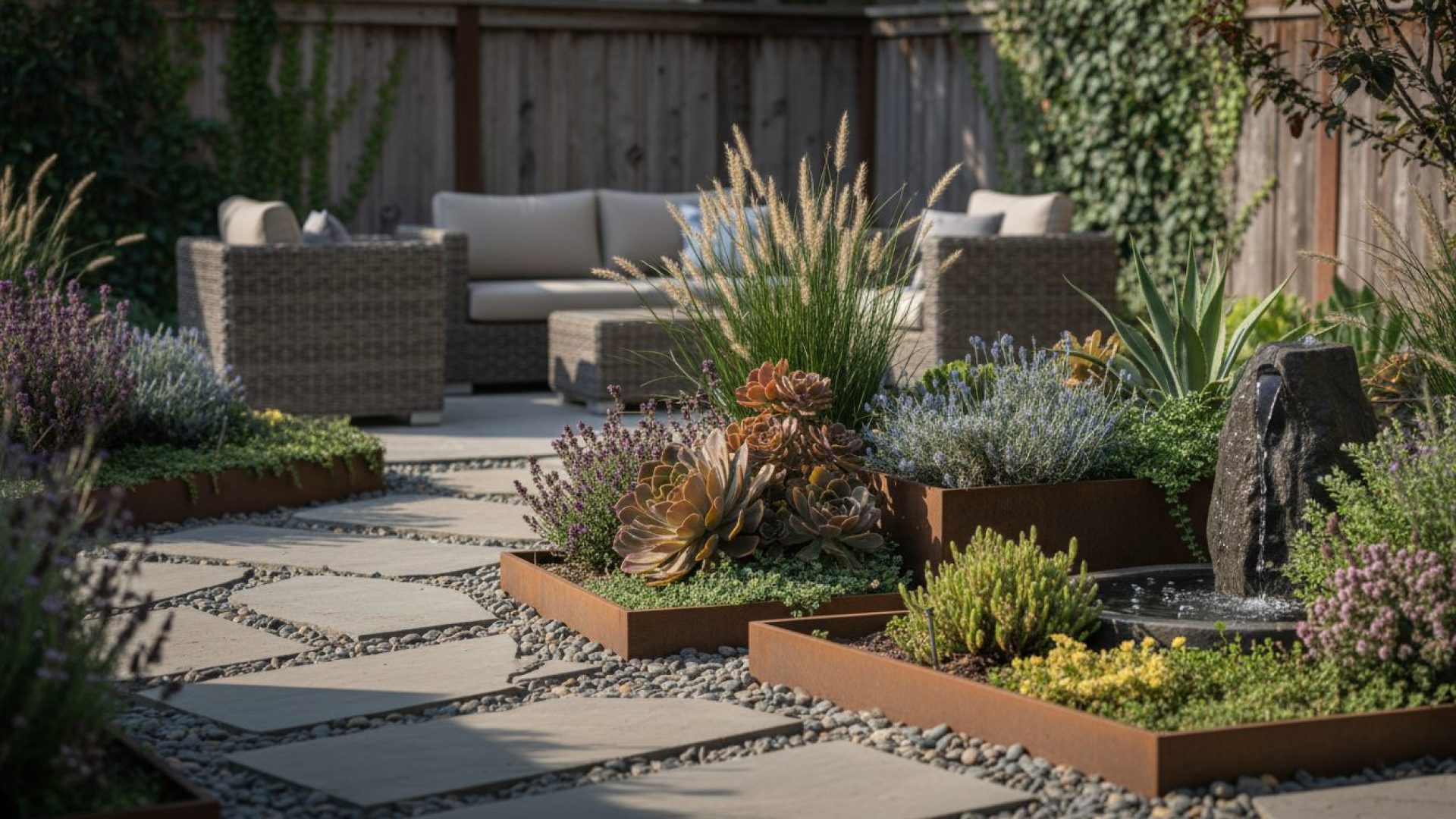
Every spring, I get the urge to do something amazing in the backyard. But let’s be honest: most of us don’t have the time—or energy—to constantly weed, prune, and fuss over high-maintenance gardens. That’s why the idea of low maintenance backyard garden ideas is so wildly appealing. You can have a beautiful outdoor escape without giving up your weekends to extra chores or stress. If that sounds like your kind of gardening (it’s certainly mine), let’s dig into what really works, what doesn’t, and why some “easy” garden tips aren’t as effortless as they seem.
What Does “Low Maintenance” Actually Mean in Gardening?
Sometimes, people think “low maintenance” just means “no maintenance.” If only! The truth is, even the most care-free yard needs a little attention once in a while. Think of it like brushing your teeth: you don’t have to be obsessed, but you do need to do it. In gardening, low maintenance means minimizing things like:
- Frequent watering
- Regular fertilizing or feeding
- Lots of pruning or trimming
- Endless weeding
- Constant pest patrol
But getting there isn’t just about “low effort plants.” It’s also about setting your garden up so nature does most of the heavy lifting. We’ll get there—promise.
Before You Plant: Smart Planning Saves You Hours Later
I can’t emphasize this enough: a little planning up front transforms your whole experience. Here’s something I learned the hard way—if you choose plants and layouts that suit your yard as it is (sun, shade, soil, weather), you practically set your garden to autopilot. If you don’t? You’ll be out there rearranging, troubleshooting, and getting frustrated. Trust me, been there.
Assess Your Site (Like a Detective)
- Sun Patterns: Notice where the sun hits different parts of your yard throughout the day.
- Soil Type: Sandy, clay, or loamy? It matters—some “easy” plants die quickly in the wrong soil.
- Water Drainage: Is there an area where puddles linger? Or spots that dry out instantly?
- Wildlife & Pests: Rabbits, deer, or slugs can wipe out new plantings fast.
This detective work sets you up for low maintenance success—because your garden won’t be in a never-ending battle with its own environment.
Low Maintenance Backyard Garden Ideas That Actually Work
Let’s break these down not just by “plant this” or “install that,” but by why each idea takes less work over time. Sometimes there’s a little investment upfront, but you reap the benefits for years.
1. Mulched Beds: Nature’s Weed Blocker
A thick layer of mulch is magic. It holds in moisture (cuts down watering by about 20-30% in my own beds), smothers out many weeds, and keeps the soil temps more stable. Organic mulches (like shredded bark or wood chips) even feed the soil as they decompose. Yes, you’ll have to refresh it now and then, but compared to weeding every week? No contest.
- Pros: Fewer weeds, less watering, healthier soil
- Cons: Needs topping up each year
- Expert Tip: Keep mulch 2-3 inches deep and don’t pile it around plant stems!
2. Native Plants: The Power of Local Adaptation
If I could give just one tip, it’s this: natives know how to handle your weather and soil. In my garden, I swapped out some thirsty imported perennials for native coneflowers and prairie grasses. They shrugged off droughts. Wildlife visits soared—bonus!
- Low maintenance because: They rarely need fertilizing or extra watering once established
- Cost factor: May be pricier at specialty nurseries, but save money on maintenance and replacements
3. Shrub Borders: Set-and-Forget Structure
Bushes like ninebark, boxwood, or even hydrangea (if you’re patient) can form the backbone of a low-effort backyard. Once they’re established, they mostly just get a little trimming once or twice a year. Compare that to a border of annuals you replant every spring—no contest.
- Great for: Privacy screens, wind protection, four-season interest
- Consider: Choose slow-growing varieties for truly minimal pruning
4. Groundcovers Instead of Grass Lawns
I’ll admit—this one’s not for everyone, but hear me out. Typical lawns need weekly mowing (about 30-40 hours of work per year for most homeowners). Swapping some or all for creeping thyme, sedum, or clover means no mowing, no fertilizing, and way less hassle with drought.
- Comparison: Groundcovers require maybe a few hours of annual trimming/weeding, vs. 30+ hours mowing grass
- Bonus: Many bloom and attract pollinators (great for bees—and I get a kick out of a little lime-green sedum streak in the yard)
5. Perennial Grasses: Drama With Zero Fuss
Ornamental grasses like switchgrass, feather reed grass, or little bluestem bring movement, drama, and sound that shifts with the breeze. These are practically “plant and ignore.” Once they settle in, you cut them back once in late winter or early spring, and that’s about it.
- Low maintenance rating: 9/10 for established clumps
- Caution: Some invasive grasses or running bamboo are not low maintenance—always check local recommendations
6. Smart Hardscaping: More Time To Relax
This one might sound obvious, but patios, gravel paths, large pavers, and tidy stone beds mean no mowing, fertilizing, or mulching needed. When I added a pea gravel sitting area last year, it cost a bit upfront but instantly shrank my work area. I sit and enjoy coffee out there instead of lugging hoses and fighting weeds. That’s time—truly—well spent.
- Calculate: Every 100 sq ft of hardscaping saves you about 15 minutes of maintenance per month (less weeding, mowing, watering)
- Mix: Combine with planted borders for a balanced look
7. Self-Watering Solutions & Drip Irrigation
Let’s get practical: even drought-tolerant gardens need water sometimes. Setting up a drip irrigation kit or self-watering planters means you can skip daily watering (especially on hot weeks when forgetfulness leads to crispy leaves).
- Investment: About $70–$150 to set up, but hundreds of hours (and stress) saved over the years
- Sneaky pro tip: Use a timer and never think about watering again—especially handy if you travel!
Mini-Case Study: Real Backyard, Real Results
My friends Dan and Maria were drowning in their old garden—constant lawn drama, endless annuals, and a border that seemed to be only for weeds. A year ago, they ripped out half the grass, mulched deep, switched to mostly ornamental grasses and shrubs, tossed in native asters and bee balm. The change was dramatic: watering dropped by 50%, time weeding went from “all the time” to about a half hour a week in peak season. They still garden. But now they enjoy it.
Low Maintenance Doesn’t Mean Boring: Breaking the Myths
People sometimes picture “low maintenance” as dull or empty—just rocks and a lonely juniper. Not so! Here’s something people miss: diversity is actually easier, once you pick tough plants from the start. Three or four types of well-chosen shrubs, layered with natives and mixed with some bold grasses, can be breathtaking and still low effort.
- Bloom cycles: Choose plants that flower at different times—spring bulbs, summer perennials, fall grasses
- Wildlife: Low-effort gardens actually support more pollinators, birds, and butterflies (a 2019 study found “wild-style” gardens had up to 70% more insect species than plain grass lawns)
Compare: Grass-Heavy vs Low Maintenance Backyard
- Traditional Lawn/Yard: Weekly mowing, regular watering, fertilizing 2-4 times a year, frequent re-seeding
- Low Maintenance Garden: Watering only in extreme drought, spring cleanup, spot weeding, prune/tidy once or twice a year
Quick Tips: Making Any Backyard Garden Lower Maintenance
- Group plants by water and sunlight needs (“hydrozoning” saves both time and water)
- Edge beds with brick, steel, or stone. Less grass invasion, less weeding
- Limit annuals. Plug in established perennials instead
- Install a rain barrel to take advantage of free water—nature’s irrigation system
- Use raised beds (if you have heavy clay soil or want even less weeding)
Practical Problems: What Trips Up Most Low Effort Gardens?
I wish every garden was as easy as tossing out seeds and walking away. But, predictably, there are a few bumps even in “easy” gardening. Here’s what I’ve seen and what to watch for:
- Cheap mulch vanishing act: Some “budget” mulches blow away or decompose into nothing by midsummer. Go for slightly pricier, chunkier types.
- Underestimating spread: Some low maintenance plants (like mint, or certain groundcovers) will take over if not edged or managed. Don’t trust labels—ask local gardeners!
- Poor plant placement: One drought-lover + one moisture-lover in the same spot? One will look sad, guaranteed.
FAQ: Low Maintenance Backyard Garden Ideas
Can I really skip all weeding and watering with a low maintenance backyard?
I love the optimism, but the reality is—even the best low-maintenance garden needs some attention here and there. Mulch will keep most weeds down, smart plant choices cut watering a ton, but nature always tries to sneak something in. The upside: it’s manageable, not overwhelming.
Are there low maintenance edible garden options?
Definitely. Perennial herbs like thyme, rosemary, and chives need almost no care. Berry bushes (raspberries or blueberries) are another great choice once established—they offer fruit with minimal fuss. Annual veggie patches, though, tend to need more attention.
What’s the simplest way to start a low maintenance backyard?
Begin by cutting back your lawn area or clustering plants in easy-to-mulch beds. Start small. Even one or two mulched, well-planted borders with natives can show visible results—the key is not trying to overhaul everything at once.
Do low maintenance gardens attract pests?
In my experience, gardens that use more natives and diverse plants actually attract less pest damage overall—nature keeps a better balance, especially if you avoid lots of chemical sprays. Still, nothing is completely immune. A little monitoring helps.
How much should I budget for a low maintenance garden?
It’s a wide range. If you DIY and focus on mulching, natives, and some small shrubs, you might spend as little as $200–$500 for a medium-sized area. Adding lots of hardscaping or established trees can cost more, but typically the long-term maintenance savings outweigh the upfront investment.
Final Thoughts: Why Lower Maintenance Feels So Much Better
I sometimes think about how my relationship with my yard changed once I stopped fighting it and found the joy in a few sturdy plants, good mulch, and a place to just sit with a book. The real beauty of low maintenance backyard garden ideas isn’t that you never do any work—it’s that your time spent outdoors feels less like a chore and more like a reward. You get to watch bumblebees, enjoy the swing of grass in the breeze, and know your weekend is still yours. To me, that’s the very best kind of garden there is.