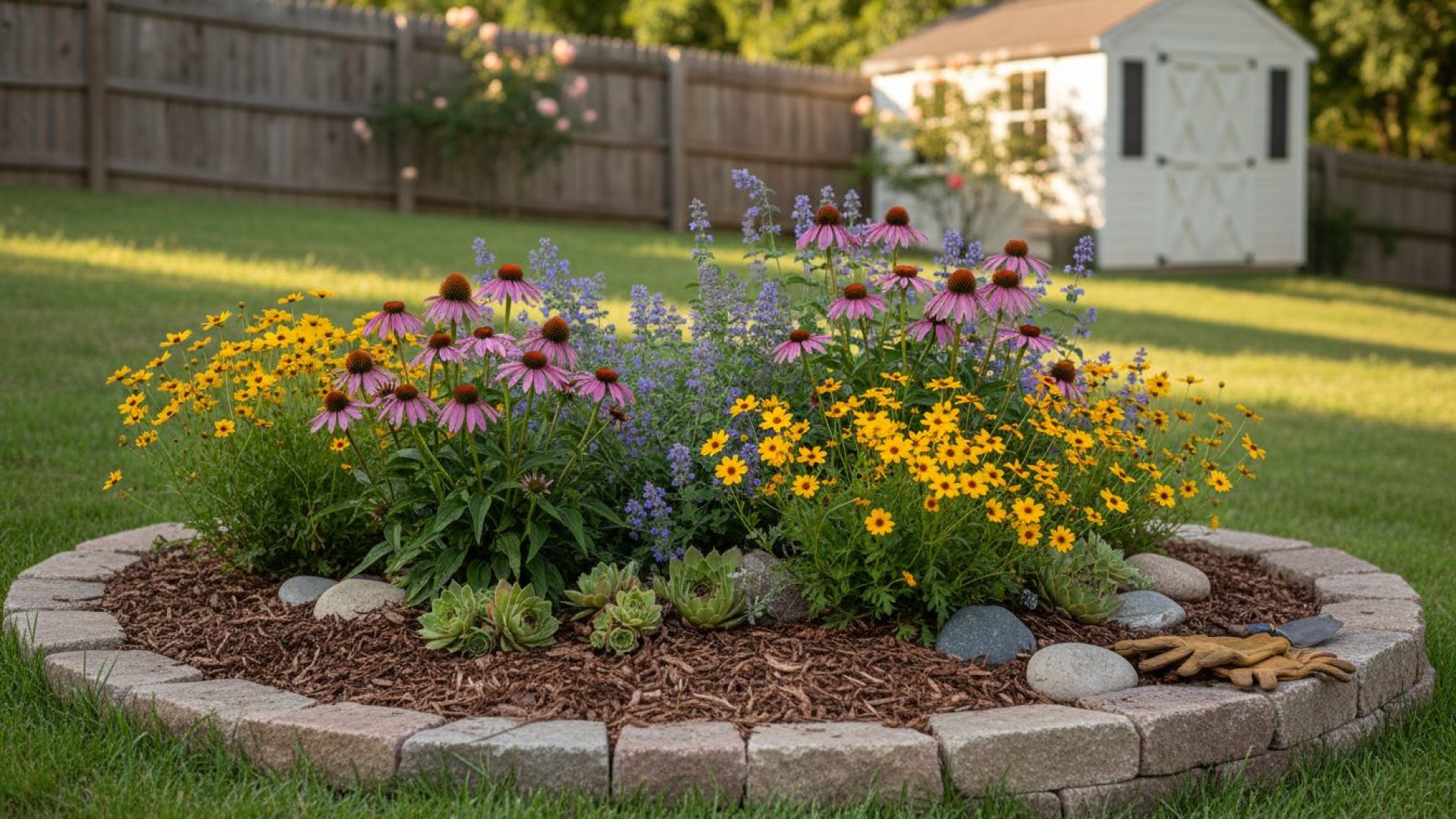
When I first dipped my toes into gardening, I assumed flower beds were either time-consuming perfection or total chaos. Turns out, there’s a sweet spot—low maintenance flower beds that look beautiful without swallowing every spare hour. Today, I’ll share some surprisingly easy ideas (tested in my own backyard and by countless other real-world gardeners) to help you build a vibrant, resilient flower bed that doesn’t become a chore. We’ll chat plant choices, design tricks, and even a few myths that deserve busting—all with honest, hands-in-the-dirt lessons. Sound good?
What Makes a Flower Bed “Low Maintenance”?
It’s an interesting question, because what’s “low effort” to some is a hassle to others. But generally, a low maintenance flower bed should:
- Need very little weekly attention. (Think: watering, weeding, deadheading)
- Remain attractive even if you skip a few tasks.
- Withstand heat, rain, insects, and occasional forgetfulness.
- Not require annual replanting or constant soil amendments.
For context, a well-planned “lazy” bed might take me less than 15 minutes a week in July, versus an older mixed border that demanded half an hour every few days. That’s about a 60% time savings—pretty significant!
Smart Design Principles for Effortless Flower Beds
Let’s break down the tricks that make or break low maintenance beds—because even a “tough” plant can become high maintenance if it’s in the wrong place or surrounded by chaos.
1. Grouping by Needs
I’ve learned (sometimes painfully) that putting a dry-loving sedum next to thirsty hostas means someone’s always unhappy. Instead, cluster flowers with similar water, light, and soil requirements. It’s classic companion planting, but it saves time and frustration in the long run.
2. Compact, Layered Planting
Bare soil is a magnet for weeds. Packing in plants—not overcrowding, but a cozy fit—shades out weeds and locks in moisture. Picture a layered lasagna: tall perennials at the back, medium beauties in the middle, trailing groundcovers up front. I noticed my weed load dropped by about 70% after properly layering one bed.
3. Mulch Magic
Never underestimate a couple inches of organic mulch. Wood chips, bark, leaf mold—they not only keep weeds down but keep moisture in, regulate soil temperature, and break down over time to feed the plants. It’s the single biggest boost to low-effort gardening, hands down.
4. Choose Curved or Simple Shapes
Oddly, beds with sweeping curves or straightforward lines take less time to edge, mow, and maintain. Intricate shapes mean more fiddly work. One client switched to a broad kidney-shaped border and cut edging time in half. Lesson learned: simple is smarter here.
Plant Heroes: Best Choices for Low Maintenance Flower Beds
Okay, onto the plants themselves—maybe the most fun part. I’ll share favorites from my own garden and neighbor-tested winners that can handle a bit of neglect.
- Daylilies (Hemerocallis): Nearly indestructible, bloom for weeks, and shrug off poor soil.
- Russian Sage (Perovskia atriplicifolia): Airy, lavender-blue blooms, deer-proof, drought-loving.
- Black-Eyed Susan (Rudbeckia): Cheerful yellow flowers, pollinator friendly, spreads happily.
- Catmint (Nepeta): Long flowering, grey-green aromatic foliage, beloved by bees and cats alike.
- Coneflowers (Echinacea): Tough prairie natives, minimal irrigation, come in many colors.
- Sedum (Stonecrop): Succulent groundcovers or upright types, thrive on neglect.
- Hostas: For shade beds, there’s really no easier perennial (just protect from slugs early on).
- Lamb’s Ear (Stachys byzantina): Silvery, fuzzy leaves, great in hot, dry spots.
Beds planted overwhelmingly with perennials like these can go 5–10 years between major reworks, compared to annual-heavy beds needing constant replanting and fussing. That’s what I call a real time bargain!
Keen on Year-Round Interest?
Try adding ornamental grasses (like Miscanthus, Panicum, or Festuca) for winter structure. Shrubs like dwarf spirea or hydrangeas also deliver drama without much work.
Common Flower Bed Mistakes (And How to Dodge Them)
Let’s be honest: plenty of “easy” flower beds get out of hand fast, all because of these classic traps.
- Packing in too many annuals. Gorgeous, but they’ll double your work. I only use a few for pops of color.
- Ignoring site conditions. For example, putting sun-lovers in deep shade—a rookie error you only make twice.
- Skipping mulch or leaving bare soil. Weeds move in like uninvited relatives.
- Overcomplicating with too many plant types or colors. Oddly, too much variety becomes a weed-in-waiting zone (and design headache). Repeat groupings work wonders!
- Poor edging or maintenance of boundaries. Without clear edges, grass and weeds creep in, and you’re trimming constantly.
Recognize any of these from your own experiences? I sure do. The fix is usually simplifying, not adding more steps.
Real-World Flower Bed Case Study: The 15-Minute Rule
Here’s a mini-case from my own street: A neighbor with a classic “cottage mess” ripped everything out and replaced it with layered drifts of catmint, daylilies, and grasses, mulched thickly and given simple stone edging. She spends less than 15 minutes a week weeding and watering. Her front yard still looks lush and inviting almost all year—without her needing a weekend blitz or a gardener’s budget.
Tough-But-Beautiful Flower Bed Combos
If you’d rather follow a formula, here are three planting combos that nearly always work for minimal care:
- Sunny Border Blend: Russian sage, black-eyed Susan, sedum, coneflowers, ornamental grasses
- Shady Retreat: Hostas, ferns, foamflower, heuchera, Japanese forest grass
- Pollinator Magnet: Catmint, bee balm, salvia, echinacea, coreopsis
Mix and match based on your spot’s light and soil. Better yet, stroll your neighborhood and jot down ideas from beds that seem to thrive even when their owners are away!
Step-By-Step: Creating Your Low Maintenance Flower Bed
- Assess your site. Sun? Shade? What’s the soil like? Any waterlogging or dry pockets?
- Sketch your shape. Curves or simple lines are easiest—use a hose or rope to mark before digging.
- Remove existing grass and weeds. Deep mulch or a sheet-mulch (cardboard + compost + wood chips) jumpstarts a blank slate.
- Improve soil if needed, but don’t overdo it. Most perennials don’t want super-rich soil. Just break up heavy clay a bit and add compost if it’s sandy or poor.
- Arrange your plants. Do a test layout with pots before digging—they should fill most available space. Group repeating clusters for harmony and easy care.
- Plant, water in well, then mulch thickly. A two-inch layer is ideal for suppressing weeds and keeping roots cool.
- Set up a simple maintenance routine. Once a week: a quick check, pull stray weeds, deadhead if you like. Twice a year: top up mulch and divide any overcrowded perennials.
Low Maintenance Flower Bed Ideas: Myths Versus Reality
Let’s challenge a couple of persistent myths that muddy the waters:
- Myth: “If you only plant perennials, you won’t need to weed.”
- Reality: Even perennials need an occasional tidy, especially as they spread and self-seeders sneak in. But the workload goes down dramatically after year one.
- Myth: “Mulch once and you’re done for years.”
- Reality: Most mulches break down after a year or two. A spring refresh helps keep weeds at bay—think of it as insurance, not a magic blanket forever.
- Myth: “Low maintenance means no pests.”
- Reality: Tough plants do resist most major problems, but no garden is truly pest-proof. The goal’s to choose resilient, pest-tolerant species and keep your expectations realistic.
Quick Tips for Flower Beds That Practically Run Themselves
- Choose disease-resistant varieties—modern cultivars are bred for toughness.
- Install a simple drip line or soaker hose under mulch for easy, efficient watering in dry spells.
- Edge beds with stone or steel strips to create crisp boundaries—less grass creep!
- Favor native plants for your zone; they’ll thrive with less coddling and support local wildlife.
- Don’t get seduced by the latest “miracle” flower every spring—stick to proven workhorses for most of your bed.
Still Curious? FAQ – Low Maintenance Flower Bed Ideas
What are the best flowers for a truly “set-and-forget” bed?
Honestly, sturdy perennials like sedum, catmint, coneflowers, ornamental grasses, and daylilies are as close as it gets. Add a few evergreens or shrubs for winter interest and you’ll have a bed that asks very little.
Is it possible to have lots of color without high effort?
Absolutely! The trick is using long-blooming perennials (like coreopsis or Russian sage) and repeating them in clusters. Also, scattering some self-sowing annuals like cosmos or California poppy adds surprise splashes while keeping things laid-back.
How do I keep weeds out without chemicals?
The best “hack” is dense, layered planting and mulch. If you keep every inch covered with plants or mulch, there’s just not much room for weeds to sneak in. Hand-pulling the rare invaders takes minutes, not hours.
Can low maintenance beds be pollinator-friendly?
Yes! Most pollinator favorites—like coneflowers, bee balm, and black-eyed Susans—thrive with minimal fuss. Avoid heavy pesticide use and plant diversely, and you’ll notice more buzzing friends all summer.
My soil’s terrible. Can I still have an easy flower bed?
Yes, but choose plants that match your conditions. For poor, dry soil, go with sedum, coreopsis, and ornamental grasses. For heavier or moist soils, look at Siberian iris, hostas, and some native wildflowers. Amending helps, but matching plants to your site saves time and frustration in the long run.
Final Thoughts: Why Less Can Be So Much More
You know, when I walk past flower beds that are brimming with resilience, not perfection, I always feel a little relieved. Gardens shouldn’t demand all our attention; they should reward us, not punish us for missing a week. That’s the real spirit behind low maintenance flower bed ideas—a union of tough love, creative thinking, and a small leap of faith. Don’t stress over the odd weed or lopsided plant. In my own garden (and in others I admire), a bit of messiness just adds to the charm. Here’s to more beauty, less busywork, and flowers that flourish even when life gets busy.