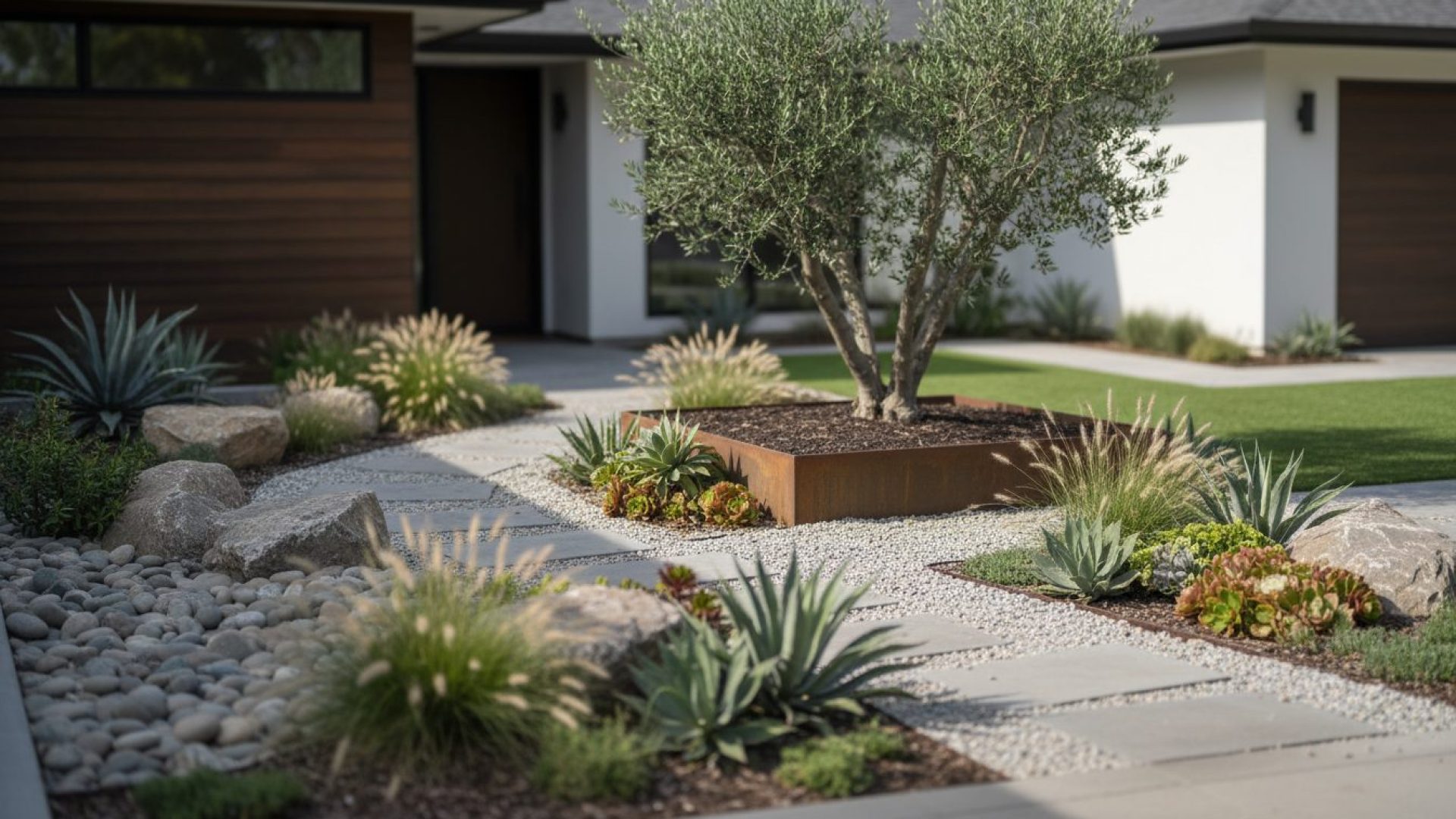
Ever caught yourself gazing across the street, a cup of coffee in hand, eyeing that tidy neighbor’s front yard and thinking, “How do they keep it so neat… and do they even weed?” Yeah, we’ve all wondered. Honestly, not everyone has the time (or desire) to be out every weekend mulching, mowing, and pruning. The good news? With the right low maintenance front yard ideas, you can have a lovely front garden that doesn’t eat up your Saturdays or your sanity.
Let’s dive into real-life choices, smart plant picks, and simple strategies that keep your curb appeal strong, while your to-do list stays nice and short.
Why Go Low Maintenance With Your Front Yard?
I hear this question often: “Isn’t landscaping a lot of work, no matter what?” And sure, any garden takes some upkeep. But there’s a huge difference between a 10-minute weekly stroll to snip a few spent flowers, versus wrestling with the mower, battling weeds, or dragging hoses in August heat.
Over the last decade, I’ve noticed a shift: about 60% of new homebuyers specifically request low maintenance landscaping (according to a 2023 National Association of Realtors survey). The reasons? Time poverty, water restrictions, climate shifts, or plain old disinterest in yard work. Personally, I see it as a way to reclaim a bit more peace in our everyday routines.
Benefits of a Lower-Maintenance Front Yard
- Less Time Commitment: You’re not chained to week-in, week-out chores.
- Water and Resource Conservation: Smart plant selection can slash water usage by up to 50% compared to traditional grass.
- More Consistent Curb Appeal: Well-chosen, easy-care plants look tidy even with minimal attention.
- Financial Savings: Less fertilizer, pesticides, and equipment needed over the long haul.
- Environmental Value: Native and drought-tolerant plants support pollinators and local wildlife.
Key Principles of Low Maintenance Yard Design
Let’s break it down. At the root, it’s about making life simpler by working with nature, not against it. Here are some pillars of an easy-care front yard:
- Plant Selection: Opt for perennials, natives, and shrubs adapted to your climate.
- Smaller Lawn Footprint: Reduce turf area (or eliminate it altogether!)
- Mulching: Smother weeds, retain moisture, and improve soil with organic mulch.
- Grouping by Water/Sun Needs: Put similar plants together so irrigation is efficient.
- Hardscaping: Patios, paths, and rock features reduce maintenance zones.
I admit, the first time I ripped out a patch of useless sod in favor of gravel paths and native grasses, I was nervous. But by that autumn, I counted just three weeds in the entire front yard. Now that felt like a win.
15 Clever Low Maintenance Front Yard Ideas
1. Swap Out Traditional Lawn for Groundcovers
Classic lawns are thirsty and needy. In contrast, groundcovers like creeping thyme, sedum, or mondo grass offer a green carpet effect, but require a fraction of the mowing and watering. I’ve found that even a 200 square foot patch of creeping thyme—for example—needs trimming just twice a year and never browns out in drought.
2. Embrace Mulched Planting Beds
Using a 2–3 inch layer of shredded bark, pine straw, or even decorative stone mulch deters weeds and helps soil retain moisture. It breaks down to feed soil critters, too (at least, the organic types). Set and forget, minus a top-up every spring.
3. Go Native (Plants, That Is)
Plants native to your region evolved to thrive with your rainfall, sun patterns, and local soils—think coneflowers, black-eyed Susans, prairie dropseed, and so many more. I noticed in my own garden, the native flower bed was hands-down the healthiest part of the yard after a tough, dry summer.
4. Choose Shrubs for Structure
Shrubs like boxwood, dwarf yaupon holly, or hydrangea provide form and year-round color but only need an annual trim. Clustered at the foundation or corners, they act like living furniture for your landscape.
5. Incorporate Hardscaping for Instant Impact
Add a stone path, gravel patio, or a few boulders to reduce planting space (and provide places for guests to walk or sit). Bonus: no dead patches from too much foot traffic, and zero watering needed!
6. Drip Irrigation: Set It and Forget It
A basic drip system sounds fancy, but it’s actually pretty DIY-friendly—and you can cut water bills by up to 30%. I helped my neighbor install one (for less than $150 using an off-the-shelf kit), and we both marveled at how her azaleas perked up without daily hand-watering.
7. Wild, Not Weedy: Embrace Meadow Strips
If your HOA allows, a mini wildflower meadow or “no mow” fescue strip can dramatically cut your work. Just be sure to choose seed mixes that suit your region, and know that meadows look a bit wild—intentionally. If you like structure, border the meadow area with mowed edges or a neat row of rocks.
8. Container Gardens for a Splash of Color
Containers aren’t just for patios! Fill a few large planters near the front steps with drought-tolerant annuals or perennials—swapping contents with the seasons if you want. When I want to shake things up, I move my pots around (let’s be honest: sometimes just a little change feels like a brand new garden).
9. Rock Gardens: Artful and Nearly Maintenance-Free
You’d be surprised how stylish a well-designed rock garden can look. Combine gravel, river stones, and a few sculptural succulents or ornamental grasses, and you’re looking at a front yard centerpiece that needs little more than the occasional leaf cleanup.
10. Evergreen Appeal With Little Effort
Sweeps of juniper, boxwood, or arborvitae mean reliable greenery—even in winter. I love the subtle way their needles or leaves catch frost, adding texture and color well into the colder months.
11. Drought-Tolerant Favorites
Plants like lavender, Russian sage, and ornamental alliums attract pollinators and survive on neglect. In fact, overwatering is a bigger risk than underwatering! I once tucked a flat of lavender starts into my hellstrip (the one patch barely anyone ever tends), and they’ve been going strong for five years.
12. Smart Edging for Polished Perimeters
Physical barriers—steel, stone, brick—create crisp lines between mulch and paths. Not only do they keep mulch where it belongs, but they make routine trimming a breeze. Think of edging as your landscape’s outline in a coloring book: it helps everything else “pop.”
13. Perennial Power for Effortless Color
Perennials (like daylilies, peonies, salvia) come back year after year without replanting. They’re the backbone of any low effort garden—pick varieties for your climate, arrange by bloom time, and enjoy “plant and play” color with minimal fuss.
14. Lighting for Nighttime Attraction
Solar path lights or low-voltage LED uplights show off garden structure at night, require next to zero maintenance, and even help deter nighttime critters. I can’t overstate what a difference a bit of gentle lighting makes for nighttime curb appeal—and safety.
15. Limit Your Plant Variety for Simplicity
I’ve made (and seen) this mistake often: cramming in dozens of plant types. Stick to a short palette—just three to five species in mass plantings. Not only does this look harmonious, but you master the care routine quickly, and shopping for replacements is a cinch.
Common Mistakes (and fixes) in Low Maintenance Front Yards
Everyone stumbles at first, but it’s easier to dodge rookie errors when you see them coming:
- Going All Rock, No Plants: A front yard of nothing but gravel may sound easy, but it heats up fast and gets dull. Temper with shrubs or containers for balance.
- Planting Water-Hogs Where It’s Hot: Hydrangeas in a sunny, dry spot = disappointment. Always check plant tags or local extension office charts for best placement.
- Using Fabric Under Mulch: Landscape fabric may seem handy, but it compacts soil and rarely stops weeds long-term. Organic mulch alone does a better job in most regions.
- Ignoring Growth Habits: That sweet little shrub could engulf your sidewalk in three seasons. Space for mature size, not what fits in your car trunk at the nursery.
Real Front Yard Before-and-After: A Short Story
Here’s a quick tale to illustrate—my uncle’s 90s tract home had an awkward patch of patchy turf that he hated mowing. We pulled out the old grass, added beds with three types of native perennials, a river rock dry stream for drainage, and a cluster of evergreen shrubs by the porch. His first full season? Less than 3 hours of upkeep all year—mostly tidying the porch. Zero regrets, and his porch coffee tastes better with a good view!
Quick Comparison: Grass vs Groundcover Maintenance
- Traditional Lawn: Weekly mowing, quarterly fertilizing, frequent watering, regular edging—totals >40 hours/year for a small 1000 sq ft front yard.
- Creeping Thyme (or similar groundcover): Annual trim, spot weeding, and watering only during drought—averages 6–10 hours/year for the same area.
The difference? Spare weekends, lower water bills, less equipment clogging your garage.
Frequently Asked Questions About Low Maintenance Front Yard Ideas
What’s the lowest maintenance lawn alternative?
Honestly, groundcovers like creeping thyme, dwarf mondo grass, or clover win out. They rarely need mowing, need less water, and can handle some foot traffic, too. Just avoid options that spread too aggressively unless you love surprises.
How do I keep weeds under control in mulched beds?
Thick organic mulch is key. The first year, weed thoroughly before mulching, and reapply mulch every spring. After that, most weeds just can’t get established. And don’t skimp—less than two inches won’t block the sunlight those weed seeds crave.
Which plants give color with next-to-no work?
Look for natives like coneflowers, black-eyed Susans, or bluestar. Daylilies and yarrow are also tough and showy. I love mixing in ‘Autumn Joy’ sedum: it’s pink in summer, coppery in fall, and honestly, the dried flower stalks look great even in winter.
Do I need drip irrigation for low maintenance yards?
You don’t need it, but it does make life easier—especially if you have larger beds. If you prefer hose watering, design your beds so everything’s within easy reach (or use soaker hoses, which are super affordable).
Will my front yard still look good in winter?
That depends on plant choices! Go for a mix of evergreens, ornamental grasses, and woody perennials. Even when flowers fade, you’ll have texture and structure—plus, less raking if you skip broadleaf deciduous trees up front.
A Thoughtful Reflection for New Landscapers
If you’ve ever stood at your window, eyeing the weeds poking out and thinking “There’s gotta be a better way,” you’re absolutely not alone. Crafting a beautiful, low maintenance front yard isn’t about perfection; it’s about creating a space that gives back more than it takes. The best landscapes, I’ve found, are ones that let you slow down and truly enjoy your home—not just work on it. Each season, you’ll find small adjustments make all the difference. And if you ever crave a little more challenge? Well, the rest of the plant world is out there, waiting. But your weekends? Those are yours to keep.