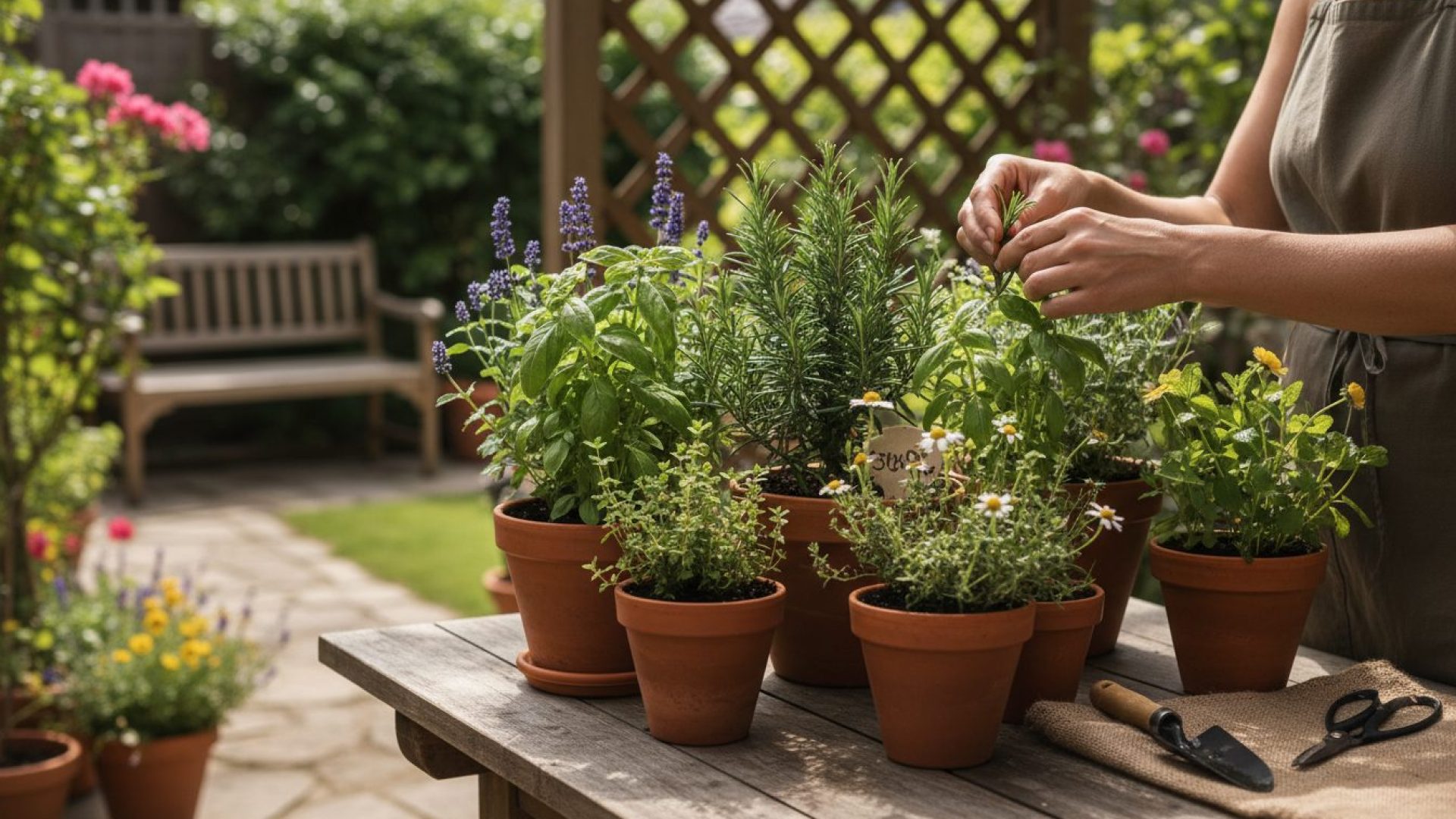
If you’ve ever meandered through a garden and paused at the scent of mint or reached down to brush your fingers along fuzzy sage leaves, you know there’s something quietly powerful about plants. They’re more than backgrounds for flowers or salad toppings. For centuries, people have used medicinal herbs for home gardens—like chamomile for sleep or lavender for stress—right outside their kitchen windows. These green remedies might seem old-fashioned, but they’re gaining fresh momentum these days. I personally started growing a few basic herbs after a rough allergy season and, honestly, I never looked back.
Let’s dig deep and explore how (and why) adding a handful of medicinal herbs to your home garden can be a rewarding, practical step for both beginners and seasoned growers. You don’t need countryside acreage or a greenhouse to grow a surprisingly powerful “green first-aid kit” right at home.
Why Medicinal Herbs Are Trending in Home Gardens
First, a bit of context: Over the last 20 years, there’s been a steady uptick in people planting their own herbs—not just basil for pasta, but plants like echinacea or calendula. According to the National Gardening Association, home-grown herb gardens rose by about 30% in the past decade alone. That’s a big leap! What’s driving it?
- Desire for natural remedies: Many folks want options beyond over-the-counter meds (especially for common issues like colds, cuts, or anxiety).
- Control over quality: When you grow your own, you know exactly what’s going on the plants—no mystery pesticides or weird additives.
- Cost savings: A $3 packet of seeds equals months (or years) of herbal tea or ointment.
- Hands-on learning: Growing, harvesting, and using your own herbs is deeply satisfying—like a mini science experiment you can actually use.
But is it really as simple as buying a few seeds, tossing them in dirt, and waiting for nature’s medicine cabinet to bloom? Let’s break down the practical—and sometimes surprising—realities.
9 Beginner-Friendly Medicinal Herbs for Home Gardens
There are hundreds of so-called “medicinal herbs,” but let’s focus on nine reliable, versatile, and easy-to-grow options. These thrive in most home gardens, offer genuine wellness perks (supported by research or tradition), and don’t require advanced horticultural skills.
1. Mint (Mentha spp.)
Mints are famously tough—I joke that they’ll survive a toddler’s soccer ball or a forgetful waterer. The leaves are packed with menthol, soothing for digestion and excellent for calming teas. But a warning from personal experience: mint spreads like wildfire, so grow it in containers unless you want a mint-only yard.
- Medicinal uses: Eases indigestion, nausea, headaches; great as a calming tea.
- Growing tip: Partial shade is fine. Pinch tops for bushy growth.
2. Calendula (Calendula officinalis)
Sometimes called “pot marigold” (but not a true marigold!), calendula’s cheerful orange-yellow blooms brighten gardens and can be turned into healing salves. I love adding petals to salads for a splash of color—it’s a practical, edible flower with skin-soothing properties.
- Medicinal uses: Skin healing (minor cuts, rashes), anti-inflammatory, supports wound care.
- Growing tip: Loves full sun. Deadhead for more blooms.
3. Chamomile (Matricaria chamomilla or Chamaemelum nobile)
You’ve probably had chamomile tea. Real, home-grown chamomile smells like apple and sunshine on a good day. Its gentle nature makes it a family favorite—it’s my go-to for stressful weeks and mild stomach upsets alike.
- Medicinal uses: Promotes sleep, relaxes nerves, helps with mild digestion issues.
- Growing tip: German (annual) and Roman (perennial) both work; likes well-drained soil.
4. Lemon Balm (Melissa officinalis)
This mint cousin has a bright, citrusy scent and is easy to grow—even in pots. Studies show lemon balm can visibly reduce anxiety in some folks (up to 18% decrease, according to a small study in Complementary Therapies in Medicine). I often drop fresh leaves in water for a subtle caffeine-free boost.
- Medicinal uses: Calms nerves, may help with cold sores (applied topically), gentle digestive aid.
- Growing tip: Can tolerate shade. Like mint, it likes room to spread.
5. Sage (Salvia officinalis)
Sage is one of those herbs with double-duty value: tasty in recipes, yes, but also antimicrobial and used traditionally for sore throats and memory support. I’ve found it needs good drainage, or the roots rot—so go easy on the watering.
- Medicinal uses: Gargle for sore throats, helps lessen hot flashes, antimicrobial properties.
- Growing tip: Needs full sun and drier soil.
6. Lavender (Lavandula angustifolia)
Everyone recognizes lavender’s scent—few things are more relaxing than brushing your hand along a bushy lavender on a warm day. It’s widely studied for stress reduction (some clinics use lavender oil diffusers with patients), and it dries beautifully for sachets, teas, or homemade bath soaks.
- Medicinal uses: Eases stress, aids sleep, mild antiseptic for minor burns.
- Growing tip: Loves full sun, poor soil, and hates soggy roots.
7. Thyme (Thymus vulgaris)
I think of thyme as the “low-key hero” of herb gardens—tiny leaves, understated scent, but surprisingly potent. People use thyme tea for coughs, and it’s a mild disinfectant. Several herbalists even recommend it for homemade syrup.
- Medicinal uses: Helps with coughs, antimicrobial, supports immunity.
- Growing tip: Perfect for hot, sunny spots; trim often for fresh growth.
8. Echinacea (Echinacea purpurea)
Echinacea is a classic “immune booster”—though research is mixed on how effective it really is, especially for preventing colds. The purple cone flowers attract pollinators and make cheerful cut flowers. It’s one perennial that’ll stick with you for years if you find the right spot.
- Medicinal uses: Supports the immune system, shortens common cold duration (possibly).
- Growing tip: Prefers full sun, not too rich soil.
9. Holy Basil (Ocimum tenuiflorum, aka Tulsi)
This fragrant basil cousin is revered in Ayurvedic medicine for its adaptogenic effects—i.e., it can help your body handle stress better. I like a cup of tulsi tea after a bad day; it’s both calming and somehow invigorating.
- Medicinal uses: Stress relief, immune support, anti-inflammatory.
- Growing tip: Grows like standard basil; loves summer warmth.
Garden Design: Where and How to Grow Medicinal Herbs
You might wonder—should you stuff these herbs together, create a dedicated “medicine” bed, or mix them with veggies? There’s no single answer, but here’s what works well for most home spaces:
- Mix with ornamentals: Many medicinal herbs (like lavender and calendula) are stunning enough for flower borders.
- Use containers for spreaders: Mint and lemon balm should stay in pots, unless you want a full herbal lawn.
- Window boxes for quick access: Keeping herbs near the kitchen makes daily use easier—plus, it’s satisfying to pluck mint for tea or basil for salad literally within arm’s reach.
- Sunny is usually better: Most herbs need six hours of sunlight, but a few (lemon balm, mint) handle part-shade. Just watch how the light shifts in your space—herb placement matters more than people think!
Realistically, a 4×6-foot bed can supply enough herbs for a family’s teas and home remedies all summer. Last year, I tucked a dozen plants among my tomatoes and marigolds—I barely needed a separate plot at all.
Harvesting, Drying, and Using Homegrown Medicinal Herbs
This is the part most people are nervous about: what happens after you grow them? In reality, it’s mostly about timing, cleanliness, and gentle drying.
- Harvest in the morning. The essential oils (the compounds responsible for flavor and medicinal action) are at their peak just after dew dries but before midday heat.
- Use sharp scissors or snips. Snag leaves, flowers, or stems as needed. Try not to strip more than 1/3 of the plant at a time to avoid stress.
- Rinse and pat dry. A quick dunk removes bugs or dust; dry thoroughly to prevent mold.
- Dry gently. Small bundles can hang in a warm, dark, well-ventilated place. Herbs like mint and basil dry fast—within a week. For thick bouquets (lavender, sage), turn bundles every day. Alternatively, use a dehydrator on the lowest setting.
- Store in glass jars or paper bags. Label with the date. Dried herbal potency is best within 1-2 years, less for highly aromatic leaves (like basil).
Once dry, your herbs are ready for teas, salves, simple tinctures, or even bath soaks. Experiment with blending—for example, dried chamomile and lavender make a stress-busting tea blend like nothing you’ve tasted from a store shelf.
Expert Insights: Pros and Cons of Growing Medicinal Herbs at Home
I’ll be honest: gardening always has a flip side. While the benefits of cultivating medicinal herbs for home gardens are real and rewarding, there are real-world snags too. Here’s my take, plus what I’ve seen in neighbors’ and clients’ gardens over the years.
- Pros:
- Unmatched freshness and potency (I once did a taste test—homegrown mint was easily twice as fragrant as store-bought).
- Zero-waste: Leaves and stems that aren’t pretty still go in the compost, completing the cycle.
- Personal empowerment: There’s something uniquely comforting about having a living apothecary at home, especially during flu season.
- Bees and butterflies love them, adding pollinator value to your space.
- Herbal efficacy varies—what calms one person can agitate another (I’ve seen it happen with valerian root).
- Misidentification is possible—especially with wild plants. Stick to labeled, known varieties if you’re new.
- Seasonal constraints: Some herbs are annuals; you’ll need to dry or freeze extras for offseason use.
- Pest pressure: Aphids love new growth, and powdery mildew can hit mints in humid regions fast.
Still, every gardener I know says the trade-off is worth it—especially when you sip your own lemon balm tea under the same plant that grew it.
Common Myths About Medicinal Herbs for Home Gardens
- Myth: “Herbs are always safe.” Not so. Some (like comfrey or pennyroyal) aren’t recommended for regular internal use. Always double check!
- Myth: “You need fancy soil or equipment.” Nope. Most medicinal herbs thrive in average garden dirt and standard pots.
- Myth: “All herbs taste good in tea.” Ha! Have you ever steeped pure sage or oregano? Some flavors are an acquired taste—blend with sweeter herbs at first.
- Myth: “Results are instant.” Some benefits build over weeks (especially with adaptogens like tulsi); others, like mint for nausea, are quicker.
Short Case: How a Tiny Herb Patch Improved One Family’s Wellness
Let me share a quick story: My neighbors, the Garcias, started with a three-by-three-foot garden square—just six plants, mostly mint, thyme, and chamomile. By midsummer, they had enough homegrown tea for the whole winter and used calendula salve on bug bites and scrapes. Their 12-year-old, Lila, even learned to make a lavender sleep sachet for her anxiety. By year two, they’d expanded into containers on the porch and gifted lemon balm cuttings to friends. It wasn’t a miracle cure, but they all say they get sick a little less and sleep a little better. What more could you ask for?
Frequently Asked Questions About Medicinal Herbs for Home Gardens
Can you grow medicinal herbs indoors?
Absolutely. Windowsills and sunny nooks are perfect for pots of mint, basil, and thyme. Some people use grow lights to get more harvest in winter.
No. Always research any plant before using it medicinally, and avoid anything you’re not 100% able to identify.
For most, harvest just before they flower for the highest essential oil content. If in doubt, taste and smell—leaves should be fragrant and perky, not wilting.
Both have perks. Fresh herbs are most potent for teas and first-aid, but dried herbs store well and are more concentrated for some remedies. Try both and see what fits your needs.
Store them in a cool, dark place for up to a year (up to two for harder leaves like sage and thyme). After that, the flavor fades, but composting is always an option.
Reflecting on the Roots of Healing
When I think about medicinal herbs for home gardens, I don’t just picture jars of dried leaves or pastel flower beds. I remember the feeling of planting something simple, watching it grow, and—almost without noticing—building a small but powerful circle of care around my home. In a world where so much about healthcare feels distant or complicated, growing your own healing herbs is like whispering to yourself: You’re more connected and capable than you realize. That’s a lesson worth planting—season after season—no matter what’s growing outside your window.