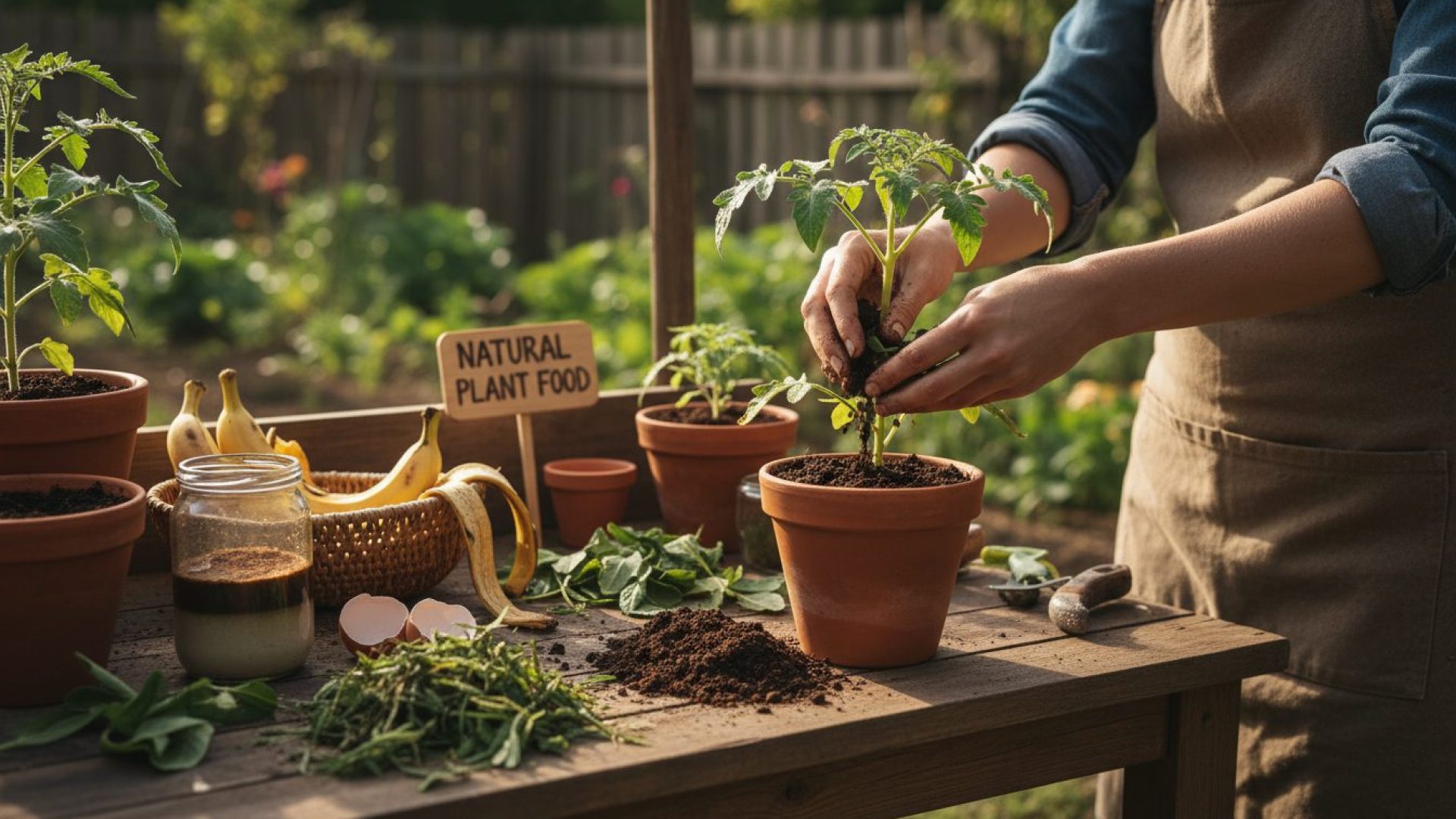
Have you ever dug your hands into your garden soil, only to wonder if your plants are really getting what they need? Sometimes, that bag of synthetic fertilizer from the garden store just doesn’t sit right—the label’s a tangle of numbers and long words, and honestly, it kind of smells like trouble for the bees and the worms. That’s why I keep coming back to the old-school stuff: natural fertilizer for home garden life. There’s something deeply satisfying about letting kitchen scraps or leaves become food for your tomatoes, or discovering that coffee grounds can give your hydrangeas that deep blue color. But beyond the “feel-good” angle, does natural fertilizer really work? And what’s the best way to use it?
Natural Fertilizer: What Does It Even Mean?
Let’s break this down. Not all fertilizers are created equal, and the line between “natural” and “synthetic” isn’t just about marketing. Natural fertilizers come from organic sources—think compost, manure, seaweed, bone meal—whereas synthetic options are chemically manufactured to deliver specific nutrients fast. Both feed plants, but in truly different ways.
Natural fertilizers usually include a mixture of:
- Decaying plant matter (like leaf mulch)
- Animal manure (chicken, cow, horse—each a bit different!)
- Compost made from kitchen scraps and yard waste
- Mineral supplements (rock dust, greensand)
What sets natural fertilizers apart? For starters, they feed not just your plants but also the whole soil ecosystem—the living web of microbes, fungi, and insects that make soil healthy. According to studies, well-composted manure can boost soil organic matter by up to 25% after just two growing seasons. That’s not just good for this year’s harvest, but for every season after.
Why Gardeners Make the Switch: Pros and Cons Analyzed
When I started gardening, I admit—I was impatient. I used to want quick results and big, lush plants. But over the years, my priorities changed. Frankly, I noticed some subtle (and not-so-subtle) shifts when using natural fertilizer in the home garden:
Natural Fertilizer Pros
- Soil Health: Builds structure, which means better drainage and less compaction over time.
- Long-Lasting: Releases nutrients slowly, so plants don’t get an unhealthy “sugar rush” all at once.
- Reduced Pollution: Leaches fewer nutrients into waterways (less algae bloom, more clear creeks).
- Encourages Biodiversity: Invites earthworms, beneficial fungi, and other helpers back to your garden bed.
- Circular Resource Use: Turns kitchen and yard waste into something valuable.
Cons Worth Considering
- Slower Results: Don’t expect instant, dramatic growth spurts—this is the long game.
- Variable Nutrient Content: Unlike synthetic, there’s less control; a bucket of compost changes with every batch.
- Heavy Work: Composting, mixing, and spreading takes time and a fair share of shoveling (arms get a workout!).
- Odor: Some manures and teas can produce “aromas” only a gardener could love.
Common Types of Natural Fertilizer for Home Garden
Honestly, there’s a dizzying array of options—sometimes the hardest part is just picking a lane. I’ve tried most, and here’s the quick rundown:
Compost
No surprise here. Compost is the MVP, made from food scraps, grass clippings, and leaves. It’s rich in organic matter, balancing nutrient ratios and boosting microbe populations. Based on a rough average, good compost contains around 1-3% nitrogen, 0.5-1% phosphorus, and 1-2% potassium—safe enough not to burn delicate roots.
Animal Manure
Chicken manure is nitrogen-rich (up to 3% N), but needs to be aged before use. Horse and cow manure are milder. I learned the hard way—fresh manure can “toast” seedlings, so compost it well for at least six months. If you’ve ever noticed enormous pumpkin vines, odds are good manure was involved.
Worm Castings (Vermicompost)
My favorite for containers! Worm castings are gentle, odorless, and packed with beneficial enzymes and microbes. It’s a kind of time-release packet for seedlings—one handful per pot is usually plenty.
Bone Meal and Blood Meal
These are powerful extras. Bone meal (mainly phosphorus) helps bulbs, flowers, and root crops. Blood meal is high in nitrogen, giving a real jumpstart to leafy greens. Use with care—too much can lead to lush leaves but little fruit.
Seaweed and Fish Emulsion
Seaweed is like a multi-vitamin for plants—trace minerals for days. Fish emulsion smells fishy (shocker), but the boost to tomatoes and peppers is real. I dilute it and use as a foliar spray; growth jumps about 10-15% by late summer compared to untreated beds, at least in my plot.
How to Use Natural Fertilizer in Your Home Garden: Step-by-Step
Ready for the “how”? Let’s walk it through.
Choose the Right Fertilizer.
- For veggies and annuals, compost and manure shine.
- For flowers and bulbs, try adding bone meal at planting time.
- For potted plants, worm castings work wonders without mess or smell.
- Best worked in early spring or fall, before new growth takes off.
- Sidedress fast-growing crops (like tomatoes or squash) mid-season.
- Start light—about half an inch of compost per square foot for beds; a small handful per pot for containers.
- Manure: One-half to one inch, well-aged.
- Bone and blood meal: Follow package instructions, usually a tablespoon or two per plant.
- Work gently into soil, or mulch over top.
- Foliar sprays (like fish emulsion): Dilute well and mist in early morning or late evening.
- Watch for yellowing leaves (could need more nitrogen) or slow growth.
- Every batch of compost/manure is unique. Don’t be afraid to tweak your mix!
Observational Field Notes: Real Garden Outcomes
Okay, here’s the real “dirt.” Over the past decade, I’ve run side-by-side beds—one with only natural fertilizer, one with synthetic. Here’s what stood out, season after season:
- Flavor: Tomatoes and carrots from natural fertilizer beds tasted sweeter, with deeper color (neighbors agreed in blind taste tests—unscientific, but fun!).
- Pest Resilience: Fewer aphids and fungal issues long-term, likely because of stronger plant immunity and healthier soil.
- Effort: Composting is work, but weed pressure drops—mulched beds hold moisture better, so less summer watering needed.
- Wildlife: Earthworms, bumblebees, and even the occasional toad or songbird show up where soil is rich and living.
I’ll admit, I’ve overdone it (hello, dense, soggy beds), but each season is a lesson. There’s real peace in knowing your fertilizer isn’t burning out the soil, but rebuilding it. I sometimes wonder how much land could be healed if every backyard gardener just sprinkled a little compost once a year.
Debunking a Few Natural Fertilizer Myths
- “It’s too weak to really work.” Not true! Natural fertilizers support slow, steady plant growth—which is often better for flowering and fruiting. Quick shots of synthetic nitrogen can pump up leaves, but at the cost of flavor or yield.
- “It’s expensive or too hard.” Apart from initial compost bin setup, most natural fertilizers are actually free—they turn food scraps and yard waste into garden gold. Community gardens often swap or share materials too.
- “It brings in pests.” If your compost is hot enough (130-150°F), weed seeds and pathogens die off. Cover bins, bury food scraps, and you won’t draw raccoons or mice.
Quick Tips for Getting Started (and Sticking With It!)
- Start a small compost pile—even just a covered bucket under your sink is a good beginning.
- Mix materials: green (kitchen scraps, grass), brown (leaves, cardboard)—aim for a ratio of about 2:1 browns to greens.
- Don’t stress the “perfect.” Nature is forgiving. Try, observe, adjust—that’s half the fun.
- Share your surplus: a little compost goes far, and many neighbors will swap or barter for extra manure or seaweed.
- Keep learning. Each plant, each summer, is a new experiment. Embrace the unknown—some of my best harvests have come after my messiest mistakes.
FAQ: Natural Fertilizer for Home Garden
- What’s the best homemade natural fertilizer for vegetables?
-
Honestly, it depends on your garden’s needs. I find a mix of compost and worm castings works best for most veggies. Tomato plants love a little fish emulsion, while leafy greens thrive with a handful of well-aged manure. The key? Observe what your plants respond to and trust your nose—healthy soil just smells “alive.”
- How often should I use natural fertilizer?
-
Most gardeners apply compost once in spring and again in fall. Quick-growing vegetables (like lettuce or squash) can use a mid-season boost. Avoid overdoing it—too much organic material can actually suffocate plant roots. Watch your soil texture and plant health, and dial back if things look soggy or stunted.
- Will using natural fertilizer attract pests?
-
It can, if you pile on fresh kitchen scraps or don’t cover compost. But with proper composting—hot piles, covered bins—it’s rarely a problem. Bury food scraps, balance “greens” and “browns,” and don’t overwater. I’ve found natural fertilizers, if handled right, actually make plants sturdier against insect attacks.
- Can I use coffee grounds or eggshells directly?
-
Coffee grounds (sparingly!) add nitrogen and slightly acidify soil, which some plants (like blueberries) love. Sprinkle thinly, or mix into your compost. Eggshells are great for calcium but break down slowly—crush them well before adding to soil, or compost for faster results.
- Which is better overall—synthetic or natural fertilizer?
-
Synthetics deliver fast, measurable results, but can degrade soil health and harm pollinators over time. Natural fertilizers build healthy soil, promote sustainability, and support wildlife. In my experience (and observation of long-term gardeners), the garden feels more vibrant and resilient with natural fertilizers—even if it takes a little longer to get there.
Final Thoughts: Why Natural Fertilizer Really Matters
I’m not here to paint a perfect picture. Sometimes, going natural means more work, more waiting, and the occasional batch of “mystery” compost that just won’t heat up. But standing in my garden—watching bees hover over sunflowers, tugging up a carrot that glows orange in the sunlight—I keep coming back to this: natural fertilizer isn’t just about healthier plants. It’s about mending the unseen life in the soil. It’s about more flavor, more birdsong, and a little less waste on this earth. And honestly, every time someone bites into a tomato and says, “Wow, that tastes different!”—I know I’m hooked for another season. Give it a try. Your plants (and maybe your soul) will thank you.