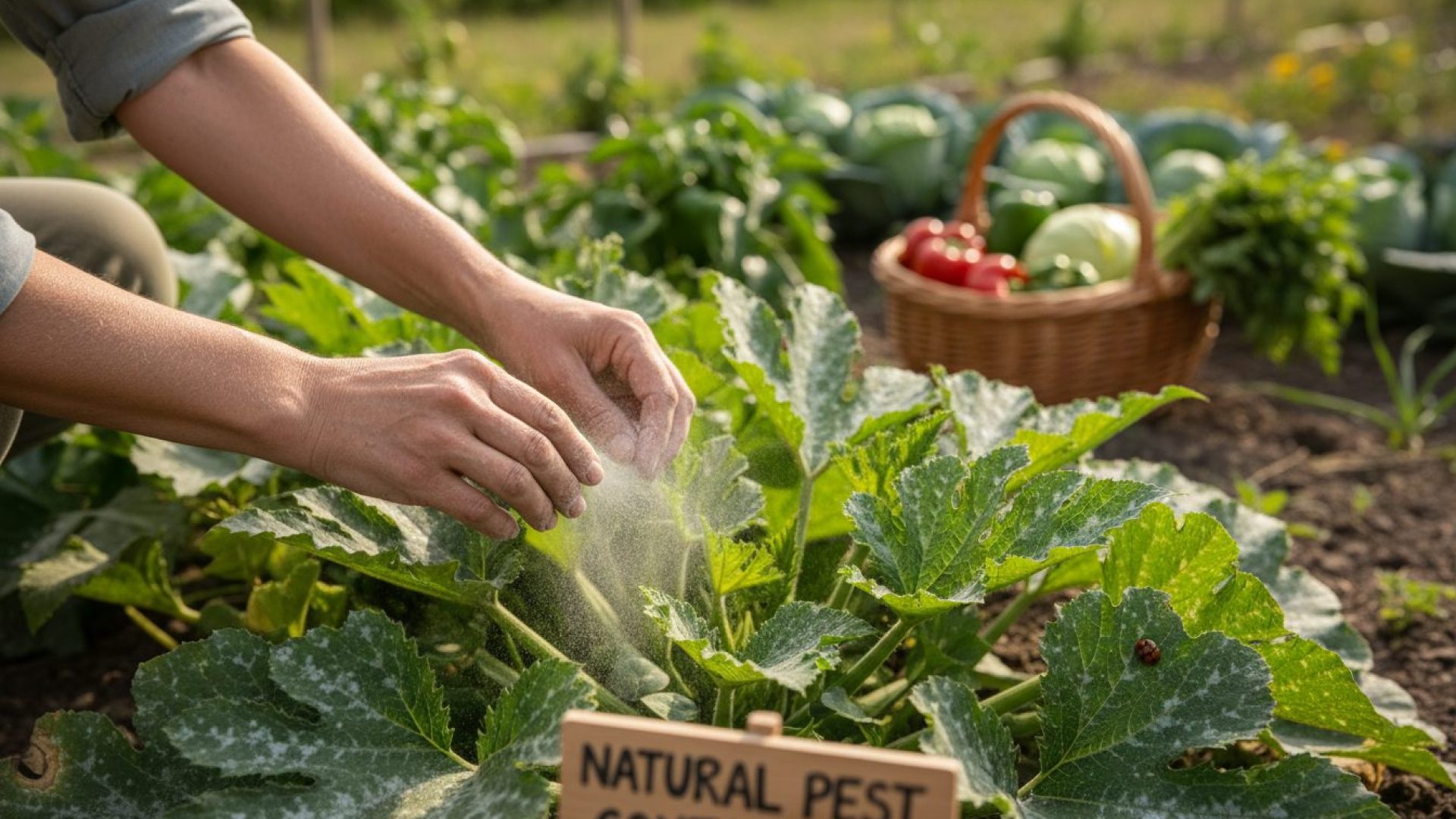
There’s nothing like the first tomato you pick yourself, sun-warmed and perfect—except when you turn it over and find a cluster of chewing holes or a hungry caterpillar waving back at you. Growing vegetables is such a simple joy, but the battle with pests? Well, that part keeps even seasoned gardeners humble. So let’s dig into the real world of organic ways to prevent vegetable pests: what works, what doesn’t, and why it matters—whether you’re just starting or you’ve got years of dirt under your fingernails.
Groundwork: Why Go Organic with Pest Control?
Let’s zoom out for a second. Why do gardeners bother with organic prevention at all? We’ve all seen those “spray and forget” chemicals at the garden center—easy, cheap, and guaranteed to clobber bugs. But they’re a bit like swatting a fly with a sledgehammer: you might get your bug, but you risk breaking the whole ecosystem in your backyard. That’s why so many home gardeners (roughly 48% in the U.S. as of 2022, according to NGB) are leaning toward natural or organic pest management.
Here’s why it matters:
- Health: Organic methods don’t leave chemical residues on food.
- Pollinators: Bees, butterflies, and ladybugs survive—and even help out.
- Soil vitality: Fewer chemicals means healthier microbes, which means veggies get their nutrients the way nature intended.
- Long-term success: Sustainable gardens tend to be more resilient year after year—less disease, less havoc.
I’ve seen neighbors switch to organic practices and notice not just an uptick in ladybugs, but also fewer problems with tough-to-kill pests like whiteflies and spider mites—simply because their gardens became a bit more balanced.
How Pests Sneak Into Your Vegetable Garden
Let’s break this down. Pests don’t come from nowhere. Sometimes it’s a hitchhiker on a new seedling, sometimes it’s in the wind, often it’s simply the right (or wrong) weather. Dry spells bring aphids; wet summers come with a bloom of slugs and snails.
Think of your garden like an open buffet. If you’re not paying attention, word spreads in the insect world. So, before fighting pests, it helps to understand the typical entry points:
- Cracks in row covers
- Compost or mulch piles that aren’t fully decomposed (sometimes hiding earwigs or pillbugs)
- Transplants or seedlings from nurseries carrying aphid eggs or tiny caterpillars
- Nearby weedy patches serving as “insect hotels”
It’s rarely about “bad luck.” It’s usually about opportunity—so closing those doors is your first organic defense.
Organic Ways to Prevent Vegetable Pests: Top Methods That Work
There’s no magic bullet—sorry. Instead, think “many small shields.” Here are my top organic pest prevention methods, with stories and insights from real gardens.
1. Healthy Soil, Healthier Plants — The Foundation Strategy
Ever notice how the same aphids can decimate one tomato plant but leave another untouched? Nine times out of ten, the healthy plant fights back. Rich, living soil teeming with bacteria and mycorrhizal fungi helps plants defend themselves. According to Rodale Institute studies, crops in healthy organic soil had up to 25% fewer pest infestations versus those grown with synthetic fertilizers.
How to boost soil health organically:
- Mulch with compost, shredded leaves, or straw
- Rotate crops each season (tomatoes this year, beans next)
- Add organic matter (compost, worm castings) every season
- Grow cover crops in the off-season—they fix nitrogen and break pest cycles
Personal note: The year I started mulching with compost instead of bark, I saw a sharp drop in early-season cutworm damage. Maybe coincidence, maybe not—but it’s stuck with me ever since.
2. Beneficial Insects: The Garden’s Hidden Security Team
You don’t need to raise an army—nature already has one. Ladybugs feast on aphids, lacewings gobble up whiteflies, and parasitic wasps handle caterpillars. Sometimes you can buy these helpers, but honestly, the most lasting approach is to attract them.
- Plant pollen-rich flowers like yarrow, dill, and alyssum near veggies
- Leave a few wild patches—beneficials need habitat, too
- Avoid broad-spectrum sprays, organic or not (even soap sprays can harm the good guys if overused)
After I added a strip of calendula to my beans, I started finding ladybug larvae—not just adults. They look like little orange alligators, feisty and much more effective than the grownups. It’s a real sign your garden’s ecosystem is working for you.
3. Crop Rotation & Companion Planting: Nature’s Puzzling Patterns
Just like you get tired of the same dinner every night, pests crave variety, too. Repeating the same crop in the same spot is basically sending engraved invitations to every pest in the neighborhood.
- Rotate crops: Keep a simple four-bed system—roots, fruits, leaves, legumes—and swap each season. Studies report up to 40% reduction in soil-borne pest outbreaks this way.
- Companion plant: Intermix strong-scented herbs like basil, rosemary, or onion with vulnerable crops. Marigolds near tomatoes? Not a myth—they repel root-knot nematodes and attract pollinators.
Don’t obsess over the rules: even random mixing makes it harder for pests to set up shop.
4. Physical Barriers: Row Covers, Collars, and Traps
I underestimated row covers for years—until I finally draped them over my broccoli. No cabbage worms. Zero. Fine mesh lets sun and rain in, but keeps flying pests out, and as long as you remove the covers when plants flower for pollination, they’re nearly foolproof.
- Row covers: Great for lettuce, kale, carrots (protects from root maggots and leaf miners too)
- Cardboard collars: Around young stems to block cutworms and root borers
- Beer or grapefruit traps: Old classics for slugs and snails (but doesn’t replace other methods)
Physical barriers shine for spring crops, but in late summer—when it’s blazing hot—sometimes you need to swap to another approach.
5. Keep It Clean and Scan Regularly
I’m a bit of a messy gardener (aren’t we all?), but ignoring weeds and fallen leaves is like leaving the fridge open in July—trouble soon arrives. Dead plant matter shelters pests and diseases, so a 15-minute sweep through your veggie beds every week prevents 90% of “random” outbreaks.
- Clean up overripe fruit
- Pull weeds that serve as “pest bridges”
- Check undersides of leaves for eggs (especially squash, cucumber, cabbage)
This habit almost always keeps my squash plants borer-free—except that one especially damp year (nature gets the final say).
6. Organic Sprays: The Last Line—Use Wisely!
When prevention isn’t enough, even the best organic gardens need a targeted response. Here are the safest “last-ditch” options:
- Insecticidal soap: Disrupts soft-bodied pests like aphids and spider mites; spray in morning or evening to avoid harming bees or burning leaves
- Neem oil: Interferes with insect hormones; avoid spraying during pollination
- Bacillus thuringiensis (Bt): Bacteria harmless to humans but deadly for caterpillars—only use if damage is severe
Remember: even organic sprays can harm beneficials if overused. Treat only what’s necessary, and always check the label for safety with edible plants. The truth? In my own garden, spot treatments paired with the above prevention methods have cut spray use to maybe once a year, if that.
Real Roots: Two Mini Case Studies from My Neighborhood
Let’s get practical. Here are two quick stories that show organic pest prevention isn’t a “one size fits all” deal:
The Tomato Takeover
Jenna, a neighbor down the street, lost almost every tomato to hornworms one summer. After adding basil and marigolds as companions, plus a few sacrificial “trap tomatoes” away from the main bed, she found fewer hornworm eggs the next year—a 70% drop, just by changing planting patterns and observation habits.
Slugs in the Lettuce Patch
Last rainy spring, the north side of my own garden practically crawled with slugs. I used iron phosphate pellets (OMRI-rated for organic), but the real improvement came from thinning dense rows, lightly dusting with crushed eggshells, and mulching with rough straw. Slug numbers never hit zero, but I lost maybe 10% of my lettuce that year instead of half—proving that stacked tactics beat “magic” quick fixes every time.
Myths, Mistakes, and Lessons Learned
- Myth: “Organic means doing nothing.”
Truth: Organic gardening is active prevention—not just luck or laziness.
Truth: Most outbreaks start small; catching them early is everything.
Usually a waste. Focus your time on building soil and routine monitoring first.
Organic Pest Control: The Pros, Cons, and The Honest Middle Ground
- Pros:
- Safe to eat straight from the plant
- Keeps pollinators and pets safe
- Less chance of building resistant superbugs
- Tends to build soil and garden health over years
- Slower results: You might lose a few plants before balance is restored
- Requires vigilance: Organic prevention isn’t ever “set and forget”
- Sometimes involves more labor: Think netting, hand-picking, frequent checks
If you want a harvest that’s both delicious and truly safe, the advantages of organic methods easily outweigh the downsides—but only IF you’re willing to play the long game.
FAQ: Real-World Answers About Organic Pest Prevention
What’s the best organic way to stop tomato hornworms?
Answer: I recommend regular checks (look for tiny black droppings!), handpicking when you see them, and encouraging beneficial wasps by planting nectar-rich flowers. Sprays like Bt work, but physical removal with gloves often beats everything else—especially if you catch the first few.
Can I use neem oil safely on all my veggies?
Answer: Mostly, yes—but follow the label. Don’t spray during the heat of day or when bees are foraging. If overused, neem can burn sensitive leaves and may harm some beneficial insects. Use it as a backup, not your main defense.
How do I attract more ladybugs without buying them?
Answer: Grow a patch of alyssum, dill, or yarrow near your vegetables, let some wildflowers bloom, and avoid broad-spectrum sprays. Ladybugs will show up if there’s food (aphids) and a safe place to lay eggs.
Are “DIY garlic/chili sprays” really effective against pests?
Answer: They can help deter some soft-bodied pests, but their impact is temporary and often mildly irritating to the gardener (and sometimes the plant!). Better results come from regular cultural controls—cleanliness, monitoring, and diverse plantings.
Is it ever okay to lose a few plants to pests?
Answer: Absolutely! Organic gardening is about balance—not perfection. Giving nature time to catch up often means sacrificing a few leaves or fruits. Resilience (and a bit of patience) pays off in the long run.
Quick List: 10 Organic Ways to Prevent Vegetable Pests
- Enrich your soil with compost every season
- Rotate crops and plant diverse companions
- Use row covers, collars, and mesh to block major pests
- Attract beneficial insects with flowering plants
- Remove weeds and dead plant material regularly
- Spot-check and handpick pests early
- Try organic sprays (soap, neem, Bt) only as needed
- Maintain healthy watering routines—avoid stress on plants
- Encourage birds with birdbaths or feeders nearby
- Grow sacrificial “trap crops” (like nasturtium for aphids)
I sometimes wonder if the best pest control is simply giving nature more time (and less interference) to show off what it can do.
Final Thoughts: A Gardener’s Perspective on Pests and Patience
Ask any gardener who’s stuck with it for years, and you’ll hear the same refrain: pests are as much a part of the garden as the harvest is. The trick isn’t eliminating them, but learning how to outsmart, outwait, and occasionally even admire them (from behind a row cover, preferably). Over time, as the birds, bugs, and balance build up, the desperate rush for “solutions” fades—replaced by rhythms, small surprises, and, yes, the occasional loss. That’s organic gardening. And honestly? It’s the only way I want to grow.