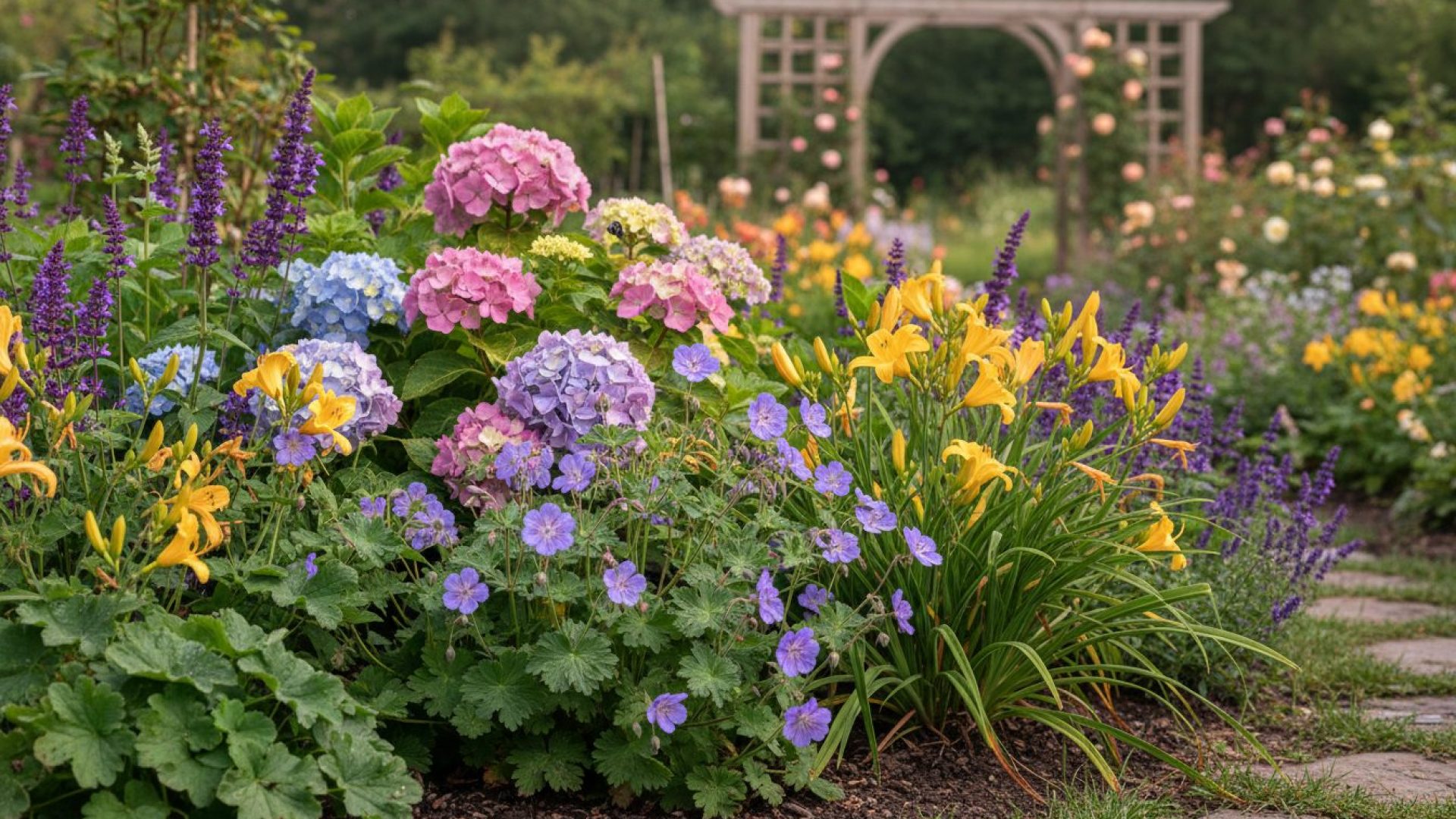
If you’ve ever strolled through a neighbor’s yard mid-winter and seen cheery blossoms poking through the frost, you might’ve wondered: can you really get perennials that bloom all year round? It’s a question I get at least once a season, usually from fellow garden optimists determined to squeeze every petal of color from their beds. The dream is a no-fuss garden that refuses to take a break, always showing off. But how close can we get to this ‘perpetual bloom’ in real-world gardens?
Let’s dig into what it means for a perennial to bloom all year, what’s possible (and what’s a horticultural myth), and how you can build a garden that feels almost as lively in December as it does in June. You might be surprised—there’s both more and less magic to it than you’d think.
What Really Counts as “All Year Round Blooming”?
First, let’s clear the (mulched) air—when gardening folks talk about “perennials that bloom all year round,” they’re usually imagining a patchwork quilt of continuous color, not one magical plant with never-ending flowers. In reality, most true perennials have natural blooming cycles triggered by temperature, daylight, and genetics.
- Tropical climates: “All year bloomers” are far more plausible—some perennials just don’t get the memo to rest.
- Temperate climates (like most of North America and Europe): Your perennials will almost always slow or stop in winter, unless you have a greenhouse or grow certain exceptions.
- Subtropical and Mediterranean: You can stretch the bloom season with the right choices and techniques, but you’ll still have lulls.
So here’s the honest gardener’s truth: In almost every garden, constant color comes from layering various perennials with staggered bloom times and clever plant selection—not a single “miracle” plant. And even the best perennial mix might “rest” for a few bare weeks.
How Close Can We Get? Strategic Bloom Planning
I always tell folks: think like a symphony conductor, not a soloist. Plan your garden for overlapping waves of perennials that hand off the baton as the seasons wheel by. In one suburban test garden I managed, we got visible blooms for 10.5 months—a “continuous” garden in the eyes of visitors, even if January was only a splash of hellebore here and camellia there.
Key Perennial Types for Maximum Bloom
- Winter/Spring bloomers: Helleborus (Lenten Rose), Camellia, Cyclamen coum, Snowdrops (Galanthus)
- Spring/Summer stars: Purple Coneflower, Coreopsis, Peonies, Salvia, Daylilies (Hemerocallis)
- Summer/Fall show-offs: Rudbeckia, Gaura, Sedum ‘Autumn Joy’, Hardy Fuchsias, Russian Sage
- Fall/Winter outliers: Asters, Chrysanthemums, Sasanqua Camellias, Mahonia (Oregon Grape), Daphne
See what’s happening? The “all year bloom” illusion comes from smart mixing—not one plant doing it all.
Climate: The Big Picture Factor
In my area, Zone 7b, even the hardiest perennials slow way down once the daylight drops. But my gardening friends in Southern California can coax blooms from Salvias, Lantana, and Strelitzia (Bird of Paradise) practically all winter. The local microclimate, soil type, and sun exposure do most of the heavy lifting.
For data fans: in USDA Zones 9–11, you can find 6–8 perennials with true “all year” flowering behavior. In Zones 5–7, continuous blooms usually come from layered plantings and a little seasonal cheating (i.e., early-blooming bulbs or winter-flowering shrubs included for effect).
The Short List: Perennials With Extended Bloom Power
Let’s get specific. Here are standouts I’ve seen perform months on end, plus a few that (with a nudge) can flower nearly all year:
- Lantana (Zones 9–11): Will bloom almost every month in frost-free areas, and it draws pollinators by the dozen.
- Florist’s Kalanchoe (Kalanchoe blossfeldiana, indoors): A quirky “house-perennial”—not for every garden, but mine hasn’t stopped blooming since spring.
- Hellebores: Winter’s champion. They’ll flower from January through April and shrug off snow like it’s nothing.
- Hardy Fuchsia (Zones 8–10): Wants a cool summer, but can pump out flowers from late spring through fall if you keep deadheading.
- Salvia ‘Amistad’: One of my longest-blooming salvias—sometimes from May until frost.
- Tibouchina (Glory Bush, warmer climates): Still going strong in December in my sister’s Texas garden.
- Camellia (sasanqua types): Unbeatable for late fall and winter color. There’s a reason you spot them near Victorian porches.
- Gaura (Bee Blossom): Will bloom for 5–6 months straight in hot summers—its wiry form dances in each breeze.
I will admit, many of these only “stretch” to all-year blooming in ideal conditions—but with protection, succession planting, or strategic siting, you can fudge the effect well enough most visitors won’t know the difference.
Insider Story: The “Ever-Blooming” Garden That Wasn’t
Let me share a little case study—from my days landscaping a city museum courtyard. The directive: “Color everywhere, every month, easy maintenance.” After the third winter, I realized that despite packing in heuchera and pansies, and tucking in hellebores, even with clever staging we couldn’t hide the January lull. It made me realize something important:
- It’s worth embracing the rhythm of the seasons—it makes the first spring flowers feel magical.
- Mixing different leaf colors, berries, bark, and interesting forms can keep things beautiful—even when nothing’s technically “blooming.”
The real trick, it turned out, was setting expectations and using “shoulder-season” bloomers—plants that bridge the gaps and soften bare spells.
Sneaky Strategies for Year-Round Bloom
1. Combine Perennials with Annuals and Shrubs
Here’s a “cheat code” most lifelong gardeners use: supplement perennial beds with strategically placed annuals (like pansies or violas) and ever-blooming shrubs, such as dwarf azaleas or camellias. These “shoulder-season” plants will patch in color when perennials hit pause.
2. Use Microclimates
Wall-facing beds, gentle slopes, and sheltered corners can extend the blooming season by trapping warmth or blocking frost. In my friend’s small urban courtyard, a south-facing brick wall kept geraniums blooming a full month longer than exposed borders across the path.
3. Deadhead and Feed for Longer Shows
Many long-blooming perennials (like Echinacea, Coreopsis, and Salvia) will keep going if you cut back faded blooms and supplement with organic fertilizer. It’s a simple trick—five minutes with the snips every week adds up. In trials, regular deadheading increased flowering duration by 20–30%.
Pros and Cons: The Reality Check
| Pros | Cons |
|---|---|
|
|
Common Myths and Misunderstandings
- “There’s one magic plant for non-stop flowers.” Not unless you grow in the tropics, and even then, most species take a seasonal rest.
- “Perennial means it blooms all year.” Nope—perennial just means the plant lives for several years. Some only bloom for 2–3 weeks.
- “Evergreen = ever-blooming.” Many perennials keep their leaves all year, but still only flower part-time.
It’s easy to get swept up by seed catalogs promising “months of continuous color,” but always check local recommendations and talk to real gardeners where you live. Every yard has a different secret formula.
Quick Tips: Maximizing Your Bloom Calendar
- Start a garden notebook and track when existing plants flower in your yard.
- Visit local nurseries monthly—see what’s in color each season and ask staff for their “workhorse” perennials.
- Don’t be afraid of unconventional combos; blending leaf textures or colored stems will add visual interest even when flowers pause.
- Group staggered bloomers together for steady visual impact.
- Use mulch and compost to build resilient, healthy soil—plants bloom longer with steady nutrition and moisture.
FAQ: Perennials That Bloom All Year Round
Are there really any perennials that bloom 12 months a year?
Not in most gardens. In warm frost-free climates, some perennials (like Lantana or certain Salvias) can flower for 10–12 months. In average North American gardens, the “all year” look is more about clever layering and a mix of perennials, bulbs, and shrubs with overlapping bloom periods. There’s usually a brief winter lull unless you cheat with hothouse plants!
What’s the best low-maintenance option for extended blooming?
Coreopsis, Russian Sage, and certain Daylilies are nearly foolproof—they’ll bloom for months with very little care. Mix them with late-blooming sedums and spring bulbs for an almost continuous show. Gaura and Scabiosa are two more that impress me every year with how long they hang on.
Will fertilizing make my perennials bloom all year?
Good soil and smart feeding certainly help, but you can’t force nature beyond its limits. Over-fertilizing can actually stop flowering or cause leggy, weak growth. The best bet is to follow natural cycles, deadhead regularly, and keep roots happy with compost or balanced, slow-release fertilizer.
Do indoor perennials exist that flower all year?
Absolutely—folks with sunny windows or grow lights can grow plants like Florist Kalanchoe, African Violets, and certain Begonias almost year-round. I keep an African Violet next to my kitchen sink—its purple blooms have cheered up even my dreariest dreary February mornings.
How do I choose plants for my climate?
Start with USDA hardiness zone recommendations or local gardening guides. Visit a botanical garden or talk to experienced gardeners in your county. What thrives in a Georgia winter probably won’t survive in a Vermont February, and vice versa. Pay attention to sun, soil, and water needs, too.
What This All Means: Embracing Continuous Change
After decades in the dirt, my honest feeling is this: much of gardening joy is trusting in the cycles. Those lean patches—when the last chrysanthemums fade and the hellebores haven’t quite woken up—help you truly savor each returning bloom. Sure, you can nudge the odds with the best all-year-round perennials, careful siting, and a bit of perennial “layer cake” planning, but perfection isn’t the real goal. Let the ‘off’ moments in your beds be a gentle nudge to look for beauty elsewhere—berry-laden branches, the sudden blaze of winter-budded camellia, even the crinkly gold of dried hydrangea heads against the snow.
So, are there perennials that bloom all year round? Yes, almost—and that “almost” is where the magic happens. It’s not about winning a contest for nonstop flowers, but appreciating every shift, every imperfect gap, and the quiet anticipation when new buds emerge.
If you’ve ever lingered over the first flush of winter aconite or the stubborn cheer of a November fuchsia, you know: sometimes ‘not quite all year’ is exactly enough.