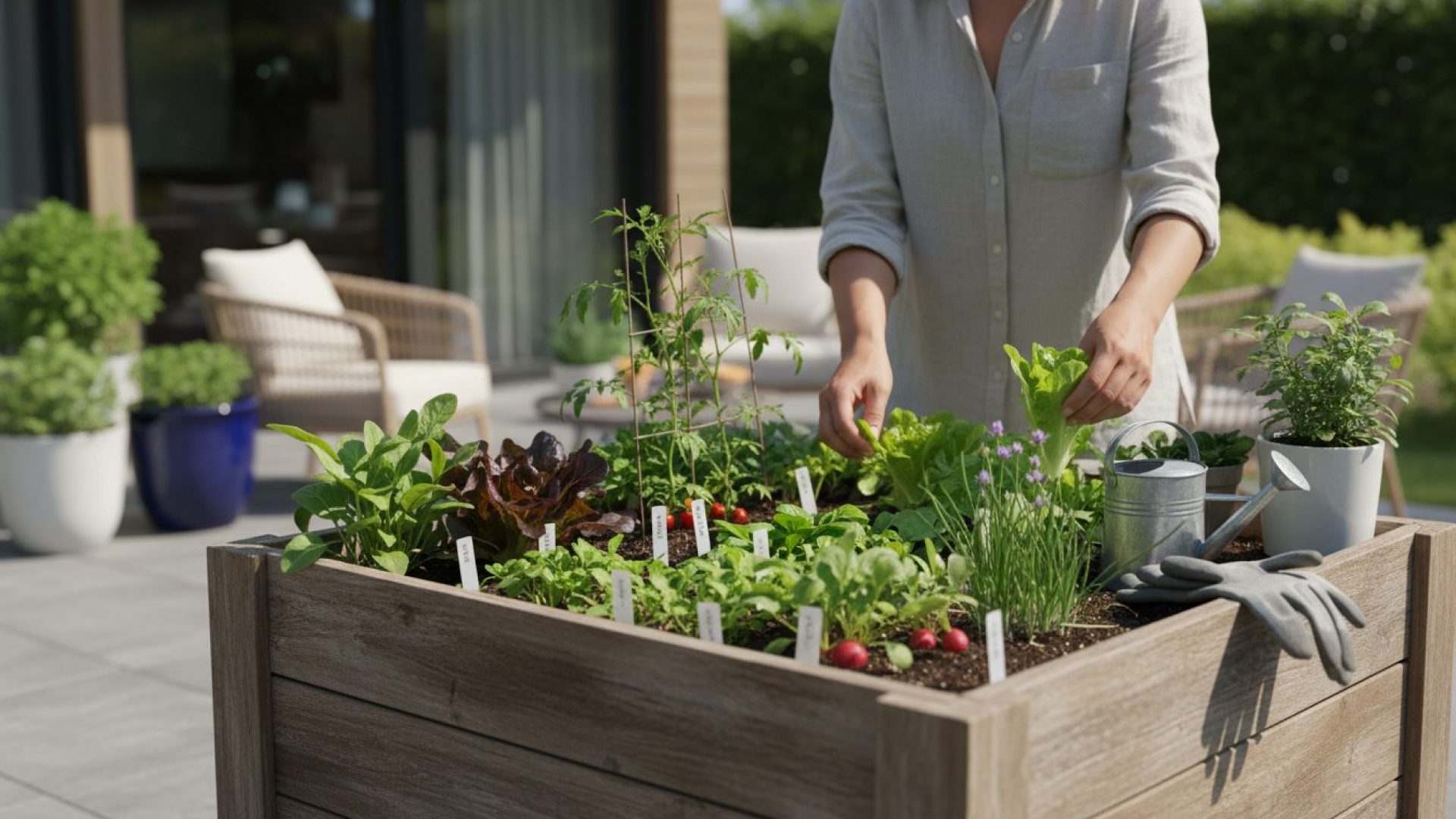
If you’ve ever dreamed of picking your own crunchy lettuce and ruby tomatoes right from the backyard—even on a small patio!—you’re in the right place. “Salad garden ideas for beginners” isn’t just a buzz phrase; it’s a real path into gardening that’s surprisingly accessible, satisfying, and, honestly, kind of addictive. I’ve built everything from raised beds to clustered container gardens, and I still get a childlike jolt of joy seeing those first sweet greens peek up through the soil. Let’s dig in (figuratively, unless you want to grab a trowel too) and unravel what makes a salad garden so beginner-friendly, how to set one up, and the subtle art of making it not just functional but delightful.
Why Start With a Salad Garden?
I like to say salad gardens are to gardening what omelets are to cooking: simple, forgiving, and infinitely customizable. There’s a reason first-timers gravitate toward salad greens: they’re fast to grow, don’t need constant fussing, and most can thrive in small spaces or even indoors by a sunny window. Data backs this up—over 60% of home gardeners in the U.S. start with leafy greens, according to the National Gardening Association. And there’s another thing: salad gardens deliver lightning-fast results. Some lettuces and microgreens go from seed to “ready to snip” in under three weeks. For anyone craving quick, tangible success, that’s a big confidence boost.
Core Ingredients: What Grows Well in a Salad Garden?
Beginners sometimes picture lettuce, and then blank out. But a salad garden can be much more playful. Here’s a quick breakdown of what I recommend for both variety and reliability:
- Lettuce (romaine, butterhead, leaf—pick 2–3 types for color and flavor contrast)
- Spinach (fast growing and cold-tolerant; perfect for early spring or fall)
- Arugula (peppery kick, grows like a weed—almost too well sometimes)
- Radishes (for crunch and quick wins—radishes are famously unfussy)
- Green onions (super space-efficient and great for constant snipping)
- Herbs (dill, chives, basil, mint—herb leaves make salads sing)
- Pea shoots or microgreens (for fancy vibes and speedy harvesting)
There’s no law against planting a cherry tomato or a cucumber for “salad bling,” but I tell true beginners: start with mostly leaves and a side of crunch. Fruiting crops (like tomatoes) take more patience and can break hearts with their moodiness.
Salad Garden Layouts: From Tiny Spaces to Raised Beds
Here’s something most people overlook: the design doesn’t have to look like a vegetable patch from a farm. Some of my most satisfying salad plots were squeezed into odd corners, buckets, or even a cracked laundry basket on a sunny deck (seriously—poke drainage holes and you’re golden). Let’s break down a few beginner-friendly layouts:
1. Window Box or Balcony Rail Garden
If you’ve got a patio or a balcony railing, a few shallow boxes are all it takes. Leafy greens have relatively shallow roots (often 4-6 inches deep is enough), so you don’t need hefty containers. Sow a row or two of lettuces, skip a space, tuck in some herbs, and you’ll get a pretty, edible border.
2. Raised Bed Salad Patch
This is the classic for people with yard space. A 3×3 ft (1 x 1 m) raised bed will yield more salad than most households can keep up with—especially if you succession-sow every couple of weeks. I like dividing the bed into a tic-tac-toe grid: nine squares, each with a different crop or mix.
3. Salad Table (DIY or Pre-Fab)
An elevated salad table is basically a shallow, waist-high box on legs, designed for cut-and-come-again greens. Old pallets or scrap lumber work fine if you’re handy. The beauty here? Rabbits can’t reach, and you can harvest without stooping. Wheelchair users or people with back issues often love this setup.
4. Repurposed Items Garden
I’m always charmed by folks who grow in old toys, baskets, or even dresser drawers lined with landscape fabric (waterproofing optional, but useful). Just make sure there’s drainage—too much water is the bruiser of all salads.
Soil, Water, and Light: The Unseen Forces
Three things make or break a salad garden: soil, water, and sunlight. Here’s what I’ve learned the hard way (and the easy way):
- Soil: A fluffy, well-draining potting mix with some compost is best. Don’t use “dirt” straight from the ground if it’s heavy; roots will struggle.
- Water: Leafy crops need steady moisture but hate soggy roots. In heat, check daily—containers dry out fast. Better a daily sprinkle than a weekly deluge.
- Light: 5–6 hours of sun is the ticket for tastiest greens, but some shade is fine (especially afternoons, to dodge bitter leaves in peak summer).
I sometimes do side-by-side tests—lettuce in morning sun vs all-day sun, for example. The difference isn’t just in how fast they grow: too much intense sun, and you might find your salad bolt (that’s garden code for “sending up flowers and getting bitter”) weeks ahead of schedule.
A Weekly Timeline: Seed to Salad Bowl
For those who need a little structure—and let’s face it, some of us do!—here’s roughly what you can expect with a typical salad garden timeline:
- Week 1: Sow seeds, water daily if the weather’s dry, watch for sprouts (lettuce pops up in 5–10 days).
- Week 2–3: Thin seedlings so they’re not crowded. (This is oddly satisfying—like tiny garden haircuts!)
- Week 3–4: Start harvesting baby greens with scissors. Snip outer leaves, let plants regrow.
- Week 5+: Gradually ramp up the harvest. Sow fresh seeds every 2–3 weeks for a constant supply.
Sometimes, despite all care, a planting fizzles out—a cold snap, overwatering, or aphids can set you back. Here’s the fix: plant a new batch. No badge of shame in starting over. In fact, experienced gardeners expect at least one “oops” per season.
Salad Garden Myths (And What Actually Works)
- “Salad gardens must be in the ground.”
Nope. Containers, window boxes, even sacks of potting soil work fine. As long as roots can stretch and there’s drainage, you’re set.
- “You can’t have a salad garden in shade.”
Not true. Most greens can handle some dappled or morning-only sun. In fact, partial shade keeps leaves tender in hot weather. - “If your lettuce bolts, your garden failed.”
This always makes me sigh. Bolting is natural—the plant’s way of finishing up. Try sowing in cooler weather, choosing ‘slow-bolt’ varieties, or picking early. You haven’t failed; the season simply shifted.
Real-World Salad Garden: A Mini-Case Study
Friend of mine—let’s call him Dan—started his first salad garden in a single plastic tub, half lurking under his deck stairs. Didn’t put a lot of faith in it, honestly, expecting ‘yard salad’ (read: mud). But he followed the basics: loose soil, daily water, a pack of ‘cut-and-come-again’ lettuce. By week four, he texted me: “Pro tip: never buy bagged greens again.” His yield? Enough for two generous salads per week across two months before the heat got to it. Sometimes, the simple projects turn skeptics into salad snobs.
Quick Troubleshooting Guide: What If…?
- Seeds didn’t sprout: Try shallower planting next time. Most salad seeds need daylight to germinate, so barely cover them.
- Wilting leaves: Underwatering or overly sunny spot. Shade in afternoon or increase watering.
- Tiny bugs on leaves: Try a hard water spray or, if they persist, a gentle insecticidal soap suitable for veggies.
- Greens taste bitter: Usually heat or age. Harvest earlier or plant a batch for cooler months.
FAQs about Salad Garden Ideas for Beginners
What’s the easiest salad green for beginners?
I’m partial to loose-leaf lettuce—super forgiving, grows in almost anything, regrows after cutting, and isn’t finicky about soil. Arugula’s a close second, but it does get spicy quick if stressed.
How much space do I really need?
A window box or two, maybe 20 inches long, is enough for a couple servings of salad greens a week. Raised beds just expand your capacity, not your basic requirements. Start small, and add more pots if demand outgrows supply.
Will my salad garden survive indoors?
With 6–8 hours of light, yes. South-facing windows work, but grow lights are even better if your winter sun is weak.
Can I plant salad greens year-round?
Sort of. In warm climates, greens bolt in brutal summer heat. In cold places, a cold frame or indoor setup keeps things going in winter. The sweet spot for most? Early spring and fall.
Do I need fancy seeds or tools for a first garden?
Not at all. A trowel, a watering can, and a packet of popular salad green seeds will usually get you started nicely. I’ll admit, splurging on fun heirloom varieties can be addictive, but it isn’t necessary.
Reflections from the Salad Path
There’s something humble and loyal about salad gardens. They don’t dazzle like roses, but in their quiet way, they change the rhythm of your meals and your mindset. Once you’ve snipped your own handful of glossy lettuce or spicy greens, that bland grocery bag just doesn’t hit the same. If you mess up, soil forgives. Plant again. Add one pot, one patch, one window box at a time—before you know it, you’re harvesting more than you can eat and wondering which friend needs a bag of arugula. The best advice? Don’t overthink it. Dig in, taste as you go, and let your first salad garden teach you more than any blog post (even this one) ever could.