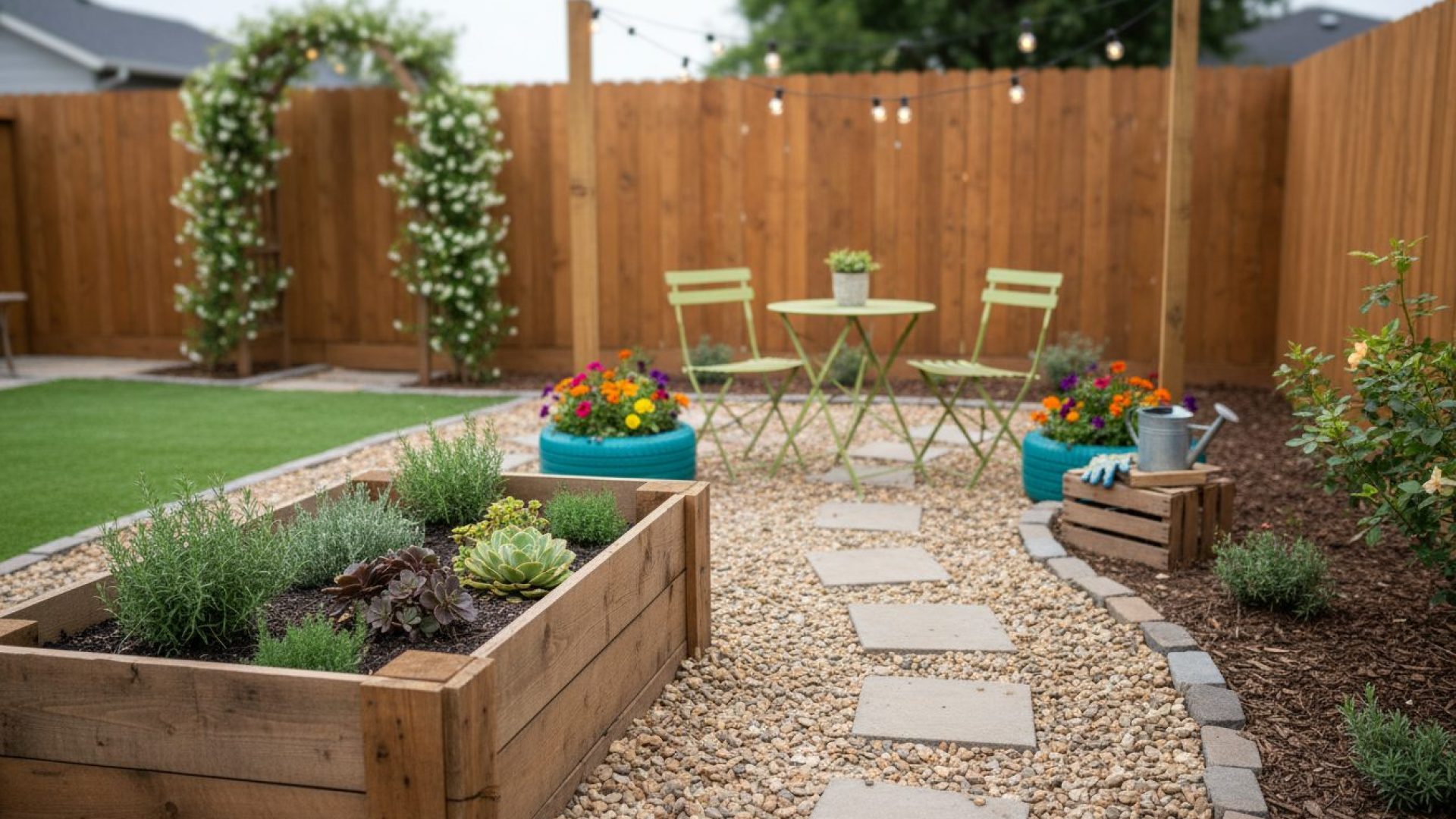
There’s something uniquely satisfying about stepping out your back door and feeling like you’ve entered a tiny oasis that didn’t break the bank. If you’re working with a small backyard and an even smaller budget, I get it—I’ve been there, staring at a patch of patchy grass, wondering what on earth could make it feel fresh and exciting. Here’s the thing: small backyard landscaping on a budget isn’t about settling. It’s about getting clever, prioritizing what matters, and enjoying every process mishap and surprise. Let’s dig in—literally and figuratively—and explore how a modest outdoor space can deliver big on beauty and comfort.
Understanding Your Yard: Size, Sun, and Soil
Why Analysis Matters (And Why We Rarely Do It)
I’ll admit, when I first started landscaping, my instinct was just to buy stuff. I’d haul home a bargain bin rose bush, slap down a cheap patio stone, and cross my fingers. But after seeing how quickly that can go sideways—drowned plants, wobbly pavers, you name it—I started taking analysis more seriously.
Here’s what I look for:
- Sun exposure: How many hours does each part of your yard get?
- Soil quality: Is it clay, sand, or delightfully loamy? Shovel up a handful; is it sticky? Gritty?
- Microclimates: Is there a wind tunnel by the shed? A soggy pocket in that back corner?
- Space layout: Every foot counts in a small space. Grab some graph paper or use a free online tool, and sketch things out. You’d be surprised how much this helps prevent costly mistakes later.
Why do the boring homework first? Because it saves money—period. If you know your south bed gets roasted, you won’t waste cash on ferns doomed to crisp. About 30-40% of landscape mishaps (in my unscientific estimate) come from good intentions meeting bad placement!
Budget Landscaping: Where to Spend and Where to Save
Ranking Priorities for Maximum Impact
When cash is tight, every choice matters. Let’s break down the basic areas where you can invest—modestly or ambitiously:
- Pathways & Pavers: Durable pavers seem expensive at first, but they offer lasting structure. Cheap mulched paths can get you started, especially with a good weed barrier.
- Seating Areas: One well-placed bench or cafe set can transform a dull corner into a destination.
- Plant Selection: Native perennials save you on water and replacement costs. Annuals are “pretty, but pricey” long term.
- Mulch & Ground Cover: Suppresses weeds, retains moisture, and can be free (hello, local tree trimmers).
- Lighting: A handful of solar lanterns pack a mood-boosting punch.
My personal bias? Prioritize soil health and multi-season plants. That’s a backbone you can build on over years, not a single season.
Case Study: A $350 Backyard Makeover
The Real Math of a Modest Transition
A neighbor of mine actually invited me along last summer as she made over her 12×18-foot backyard on a total budget of $350. Here’s how it shook out:
- Used Bricks for Path: $50 (Craigslist haul—it took elbow grease, but the character was unbeatable.)
- Craigslist Bench: $30
- Native Plant Plugs (sale): $120 (These will fill in fast in a small space!)
- Wood Chip Mulch: Free (local tree company dump!)
- String Lights (end-of-season clearance): $20
- DIY Herb Planter (old dresser): Repurposed from the garage
- Annual Color: $30 (marigolds and zinnias for that first-year pop)
- Soil/Compost: $60 (local municipal compost)
The result wasn’t a magazine photo shoot. But—honestly? The effect was transformative. There was structure, seating, lushness, and a whimsical feel (especially at dusk when the string lights went up). When it rained, the path guided water well; during a dry stretch, the mulch helped hold moisture. Expenses were kept firmly in check by reusing materials and leaning on local resources—no trendy gadgets or imported stone required.
Small Backyard Landscaping on a Budget: Design Hacks That Actually Work
Layering for Depth (in Tiny Spaces!)
Here’s something people often miss: you don’t need a sprawling half-acre to create a sense of journey. Simple, staggered planting (tall in the back, low at the front) tricks the eye into seeing “more.” I usually go with a three-layer approach:
- Tall anchors: Small trees (serviceberry, dwarf crabapple), trellised vines.
- Mid-layer: Shrubby perennials, ornamental grasses.
- Front edge: Creeping ground covers, snug clusters of annual color.
Even on a patio-only yard, you can use pots at different heights—some on old crates, some hanging, others right on the ground. Vertical gardening is your friend; it’s cost-effective and feels alive.
Budget-Friendly Features That Steal the Show
Let’s list a few surprisingly high-impact, low-cost tricks:
- Salvaged containers: Old buckets or wash basins can be charming planters. I’ve seen a toolbox-turned-herb-garden steal the show at more than one party.
- DIY stepping stones: Concrete, mosaic, or even painted wood slices. Each one costs a few bucks tops.
- Herb spiral or raised bed: Built from everyday bricks or scrap wood—great for keeping things tidy and productive.
- Mirrors or old windows on fences: These can visually double your space. Try it—and prepare to get questions from friends!
Edible Landscaping: Saving Cash and Savoring Results
Including edibles isn’t just trendy; it’s practical. One summer, just three tomato plants and a pot of basil can easily save $20–30 on grocery bills. Chives, thyme, sorrel—tiny in size but mighty in both beauty and flavor. Think about blending edibles right into your ornamental beds for that “secret garden” vibe.
Common Mistakes to Avoid When Landscaping on a Budget
We all mess up—it’s just part of gardening. Here are pitfalls I often see (and sometimes commit):
- Impulse buying: Those BOGO deals might not fit your space or climate. Better to plan, even if it’s just on a notepad.
- Overcrowding: Jamming plants together looks great at first but leads to crowding, disease, and wasted dollars by year two.
- Neglecting the soil: Soil is everything. Compost is cheap (sometimes free) and pays you back handsomely.
- Going too trendy: Trends fade, and what looks “modern” this year might look sadly dated fast. Classic choices hold up best.
Sourcing Materials for Less: Real Strategies
The Treasure Hunt Principle
I sometimes wonder if half the fun for budget landscapers is the hunt. Here’s where my best finds usually come from:
- Craigslist, Facebook Marketplace, Freecycle
- Local “Buy Nothing” groups (search Facebook or Nextdoor)
- Garden club plant sales—prices are far below garden centers
- Community composting programs (sometimes offering free or low-cost mulch/soil)
- Construction site off-cuts (with permission—old bricks, pavers, even lumber)
- Neighborhood curb alerts after home renovations
About 40-50% of my backyard’s “bones” came from these channels. Not only do you save, but you give new life to old materials—and that narrative always gives a garden soul.
Landscape Design Principles: Small Space, Big Feel
Repetition and Rhythm
We don’t talk enough about the power of repetition. Three of the same pot, stepping stones at equal intervals—it’s visually calming. Even if everything’s mismatched, repeating a single color or material brings harmony. It helps a small space feel intentional rather than cluttered.
Focal Points: Less Really Is More
One bold container, a painted gate, or even a single dramatic perennial can shape the entire vibe. Don’t overdo it. I see a lot of tiny yards overwhelmed with “features.” Pick one or two. The rest should support—not compete with—it.
Quick Tips for Year-Round Appeal on a Dime
- Plant evergreen elements: Boxwoods, junipers, or dwarf conifers mean you’re not staring at bare twigs in winter.
- Choose long-bloomers: Coneflowers or coreopsis bloom for months with minimal fuss.
- Add seasonal color through containers: Easy to update as your tastes or budget allow.
- Install a bird bath or shallow water feature: DIY versions can be as simple as a glazed pot saucer—and the visiting wildlife is endlessly entertaining.
Small-Scale, Big Reward: Psychological Tricks
Here’s something you might not expect: there’s solid science behind how landscaping affects your mood. According to a 2022 survey, 65% of homeowners felt more relaxed, while 42% claimed their productivity at home improved after sprucing up their backyards. In smaller yards, because every inch is visible, even small upgrades (say, a pop of orange calendula or a cozy DIY bench) feel dramatically impactful. It’s a classic case of “less is more”—fewer elements, but each one counts.
Frequently Asked Questions
What’s the cheapest way to add privacy in a small backyard?
Bamboo fencing (if it’s permitted in your area), living screens like fast-growing privet or even a row of tall planters with grasses are low-cost alternatives to standard fencing. Sometimes, just draping outdoor fabric can create a secluded nook for less than $50.
Do I need to hire a landscape designer for small spaces?
Nope. For most budget small yards, a little sketching, some online inspiration, and advice from a nursery or extension office is plenty. Designers are great for complex projects—but don’t be intimidated! Your own touch makes it personal.
How do I keep my landscaping from looking “cheap”?
Focus on cohesion: repeat plant colors, stick with one or two hardscape materials, and avoid too many scattered decorations. Even budget elements look upscale when they feel intentional and unified. Neatness (well-edged beds, mulched paths) always elevates a small space.
Can I use artificial turf to save money?
Short term, yes—it can offer quick greenness. But long-term, it tends to fade and needs replacement. It can also get scorching hot in summer. For most real-life budgets, groundcovers (like clover or creeping thyme) are prettier, pollinator-friendly, and last for years.
What’s the best low-cost plant for constant color?
Marigolds, zinnias, and nasturtiums pump out blooms all summer with little effort, and the seeds are dirt cheap. For perennials, try daylilies or black-eyed Susans—they come back yearly and are nearly foolproof.
Final Thoughts: Why Small, Budget-Friendly Spaces Matter More Than Ever
Here’s my take after years of gardening and countless early-morning coffee breaks in my own tiny patch: The most memorable backyards are rarely the most expensive or expansive. They’re the spaces that reflect genuine care, quirky resourcefulness, and actual, lived-in joy. That small bench you wrestled home from a curb alert or the row of basil thriving in old paint cans? They’ve got stories—and they make even a petite backyard sing. So don’t stress about your budget or your square footage. If you add a little patience, a bit of creativity, and maybe a neighbor’s extra mulch, you’ll find that your little backyard can feel every bit as rewarding as a grand estate. And personally, I’d take a lived-in nook with personality over a showroom garden any day.