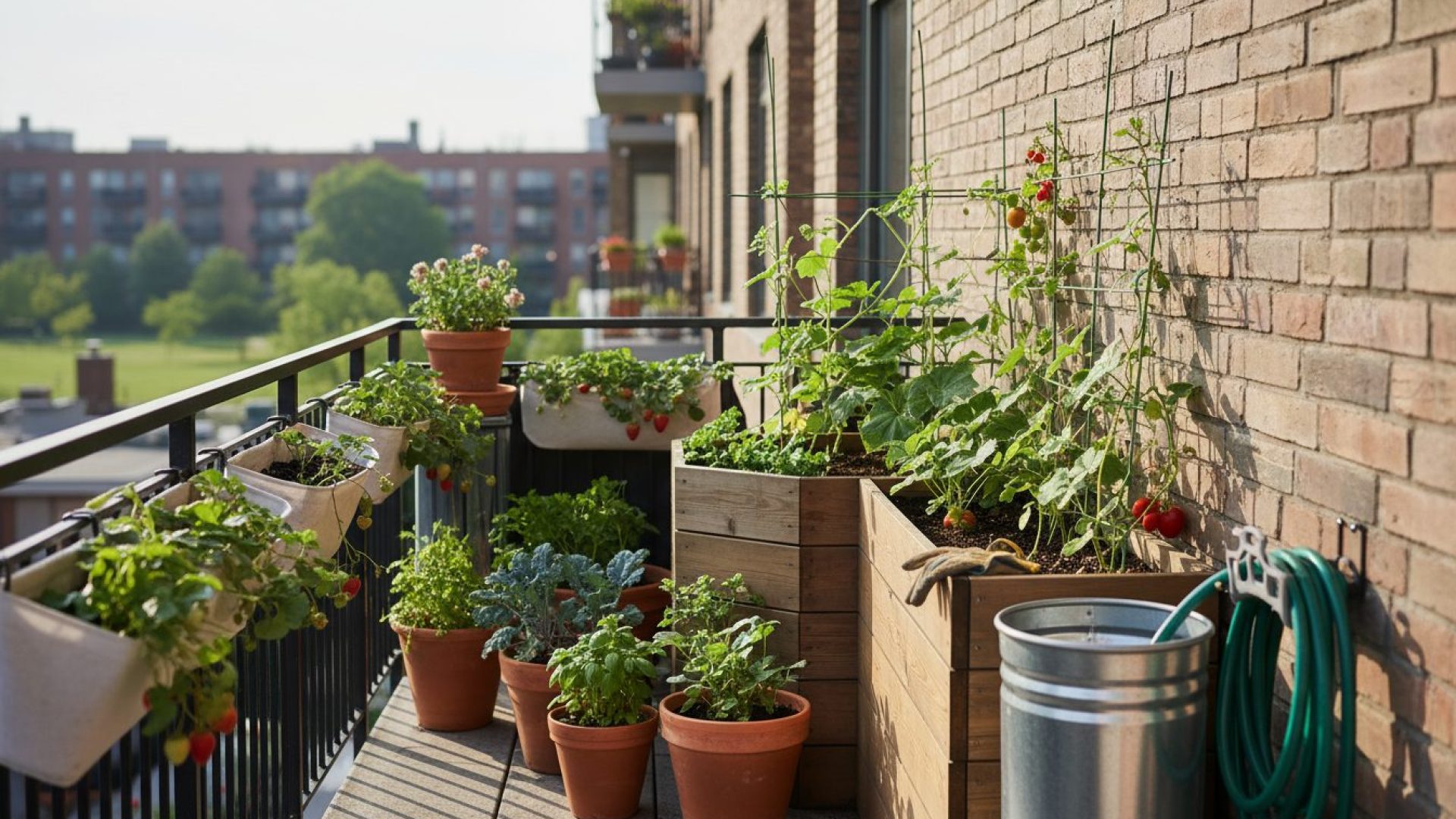
There’s something almost magical about harvesting your own lettuce or plucking tomatoes from a plant roots-deep in your own backyard soil—especially when you don’t have a ton of space to work with. Over the years, I’ve seen urban patios and narrow side yards produce more vegetables than some suburban plots double their size. But successful vegetable garden layout for small spaces isn’t about luck or fairy dust—it’s a mix of smart choices, creative design, and a bit of “make do with what you have” spirit.
If you ever thought about starting a veggie plot but got discouraged by a lack of room, trust me, there’s hope—and you’ve got more options than you probably realize. Let’s dig into how you can turn even the stingiest patch of ground (or balcony!) into a productive, beautiful food garden.
Why Garden Size Doesn’t Always Matter (If You’re Smart About Layout)
The funny thing? A tight space can actually be a huge advantage if you approach it with the right mindset. I’ve seen raised beds crammed into city parterres that yield fresh salads all summer, while some spread-out gardens seem to fizzle. The secret: thoughtful placement, plant pairing, and using every vertical and horizontal inch.
- Efficiency over excess: In a small garden, there’s no room for wasted space. Every foot needs to work double-duty.
- Microclimate mastery: Smaller areas often mean you can more easily observe sun, shade, moisture, and wind patterns—then put those details to work.
- Ease of care: Fewer steps between your sink and your spinach patch means you’re more likely to nip out for a quick harvest or pest check.
Here’s something people often miss: studies from places like the National Gardening Association show that intensive gardening methods—like raised beds or container groupings—can boost productivity per square foot by over 100% compared to conventional rows. That’s a game-changer for small space growers.
First Steps: Sizing Up Your Space and Sunlight
Before you even start picturing zucchinis climbing your porch railings, get practical. Grab a notebook, walk around, and jot down:
- Where the sun falls from morning to evening (at least 6 hours of sun is gold for most vegetables)
- The true, usable area—measure it, even if it’s only a few feet wide
- Windy corners, drippy roofs, or shady patches
- Any built-in features you could repurpose (fences, railings, steps, or even a sunny wall)
The difference between wishful thinking and real garden success? Honest observation. (Yeah, I learned this the hard way after grilling my first tomato in full afternoon sun under an A/C drip pipe!)
Intensive Planting: The Key to Small-Space Abundance
Forget those wide, empty rows you see in old farm photos. For small gardens, the goal is intensive planting—packing in as many thriving plants as possible without crowding or sacrificing health.
Three Proven Intensive Layout Styles:
- Raised Beds: Build up instead of out. You can grow the same amount in a 4×8 foot bed as you would in triple the area planted in single rows.
- Square Foot Gardening: Divide your growing space into 1-foot squares, each dedicated to a certain crop. This method, popularized by Mel Bartholomew, often boosts yield and makes crop rotation easier.
- Container Grouping: Large pots, buckets, window boxes—even old laundry baskets—can house surprisingly productive plants if kept close together for easy watering and care.
I sometimes wonder why this isn’t taught more in schools. It just makes sense: compact spaces beg for creative density, much like city apartments that double as offices, gyms, and cozy hangouts all in one.
Vertical Growing: Your Secret Weapon for More Veggies
If your horizontal space is limited, it’s time to look up. Many great-tasting vegetables thrive on trellises, cages, and upright supports. Plus, the air flow up high means less mildew and easier picking.
Smart Vertical Options:
- Trellising peas, beans, and cucumbers on fences, timber frames, or even old ladders
- Staking indeterminate tomatoes for up to six feet of fruit
- Using vertical wall planters for lettuce, herbs, or strawberries
- Hanging baskets for trailing cherry tomatoes or herbs (I’ve had mint practically waterfall down from an old wire fruit bowl!)
Gardens with lots of “up” space can sometimes outproduce flat plots twice their size—and they look amazing, too. Think of your compact garden as a living tapestry, not just a stripe of ground.
Picking the Right Crops for a Tight Garden
This might sound obvious, but some plants just aren’t built for small quarters. Think: cabbages sprawling like umbrellas, corn shadowing out everything, or pumpkin vines claiming half your patio. The heroes of small-space gardens are quick-growing, high-yield, or vertical-loving varieties.
Best Crops for Small Spaces:
- Lettuce mixes, spinach, and swiss chard (cut-and-come-again types yield for weeks)
- Bush-type tomatoes, dwarf peppers, or eggplants
- Green onions, radishes, and baby carrots
- Herbs like basil, chives, cilantro, and thyme
- Beans or peas that love climbing
- Compact zucchini (“Golden Egg,” “Patio Star,” etc.)
One of my favorite “case studies” is from a friend’s 3×6 foot raised bed. In just a single season, she grew:
- 18 heads of lettuce (staggered plantings—harvested over two months)
- 10 bush beans plants (sown between late lettuce rows)
- 2 dwarf cherry tomato bushes (centered to minimize shade on others)
- Several pots of basil and parsley tucked along the edge
Her secret? Layering crops by time and height. The stones between the bed and the fence stayed toasty at night, so the early lettuce pushed up fast, while the tomatoes filled in later. She was eating homegrown greens while other folks were just sowing seeds.
Optimized Layouts: Real-Life Patterns That Actually Work
Designing a small-space vegetable garden is a bit like playing Tetris—you slot in each piece to use every nook, but you’ve got to plan ahead. Let’s look at a couple “Tetris moves” that actually work, including their pros and (honestly) their cons.
1. Zig-Zag Paths with Crops on Either Side
- Pros: Maximal planting area, minimizes compacted soil from walking.
- Cons: Narrow paths can get muddy or tricky to weed without crushing things.
2. U-Shaped Beds Against a Fence or Wall
- Pros: Great for vertical growing, easy reach to all plants.
- Cons: Lack of airflow in the “U’s” corners can sometimes mean more mildew in very humid climates.
3. The “Grid” Square Foot Method (4×4 or 4×8 Feet Examples)
- Pros: Simple planning, yields lots of variety, easy succession planting.
- Cons: Some root crops won’t have enough depth, may restrict larger plants.
Whichever approach you take, use removable stepping stones (flat rocks, bricks, or even tiles) so you don’t compress the soil or make weeding miserable.
Clever Tricks to Squeeze More from Less
- Succession Planting: After you harvest radishes or spinach, plant summer beans or dwarf tomatoes. You might double or triple your annual harvest.
- Interplanting: Mix quick growers (like greens) between slower crops (like peppers). By the time the slowpokes fill out, you’ve already picked the early arrivals.
- Companion Planting: Some combos, like basil with tomatoes or carrots with onions, naturally resist pests and can help maximize yields without added chemicals.
- Reflective Surfaces: Pale fences, mirrors, or even recycled white boards can boost light for leafy crops in partly shaded areas.
There’s no single “right” way. Every season, I try something new—like repurposing a broken office chair base for a bean tower. It’s clunky, sure, but it grows more than plain old dirt ever could.
Small-Space Pitfalls—and How to Avoid Them
- Overcrowding: It’s so tempting to over-pack beds, but it can lead to stunted plants and weird tasting veggies. Follow spacing guidelines or try the “stretch your palm” method—don’t plant anything so close that your outstretched hand can’t fit between mature plants.
- Poor Soil: Small beds can lose nutrients fast. Mix in compost, leaf mold, or worm castings each season. Container gardeners: feed your soil every month!
- Water Woes: Small gardens dry out quicker, so mulch heavily and consider drip irrigation or self-watering pots.
- Ignoring the Vertical: If you’re only growing flat, you’re missing at least half your potential.
Frequently Asked Questions About Vegetable Garden Layout for Small Spaces
Do small-space gardens really produce enough to be worth it?
Absolutely! You might not feed your whole street, but even a few square feet can yield dozens of salads or pounds of beans over a season. Plus, with clever succession planting or container growing, you can stretch the harvest months. I’ve watched 3×8 raised beds produce more herbs and greens than my old “big” backyard did with wide, weedy rows.
How can I avoid diseases when everything’s so close together?
Two words: airflow and sanitation. Use vertical supports to lift foliage, prune out crowded leaves, and clear away any sick or fallen plant material. Also, rotate crops every season if you can—even a different container location helps.
Is it possible to grow root vegetables in containers?
Totally. Choose deeper pots (at least 12-18 inches for carrots or beets), use a loose, well-draining soil mix, and keep an even watering schedule. My gardening neighbor grows crazy-tasty carrots in an old wine barrel each spring. Just avoid the biggest “storage” varieties and pick shorter types if you’re tight on depth.
What are some mistakes first-time small-gardeners make?
Planting too much, too soon; forgetting to monitor sun/shade patterns; and using garden soil (instead of a rich potting mix) in containers are all common blunders. It’s normal to experiment and learn as you go—just don’t get discouraged by a few scraggly first tries. Even seasoned gardeners mess up sometimes (me included; ever tried to grow pumpkins in a shoebox-sized planter? Doesn’t work!).
How do I deal with limited sunlight?
First, map your sun patterns—some crops (like leafy greens and herbs) are fine with 4-6 hours per day. Use reflective surfaces to bounce more light around. Or, grow quick veg like lettuce, spinach, or radishes in the shadier areas and reserve the sunniest spots for tomatoes or peppers.
Human Thoughts: Why Small Gardens Still Matter
Every season, when I tuck seeds into a narrow bed or string beans up a makeshift trellis, I’m reminded that gardening isn’t about how much space you have—it’s about what you do with it. There’s deep satisfaction in cultivating a pocket of green in a concrete jungle or watching neighbors pause to peek at your tidy rows of basil and peppers. A small-space vegetable garden teaches us to observe, adapt, and appreciate the bounty in every inch, whether you’re growing a feast or a single salad at a time.
So, no matter how small your plot (or pot!), there’s potential right under your nose. Start with what you have, experiment boldly, and let your garden surprise you. In the end, it’s not just vegetables that grow—it’s your confidence, creativity, and connection to the world around you.