How to Grow Parsley Indoors and Out
On this page
Grow parsley in rich, moist, well-drained soil in full sun to partial shade. Soak the seeds overnight and sow them in spring, then wait up to six weeks for germination. Cut stems from the outside of the plant often, and keep soil evenly moist. In pots, use a deep container and a sunny window.
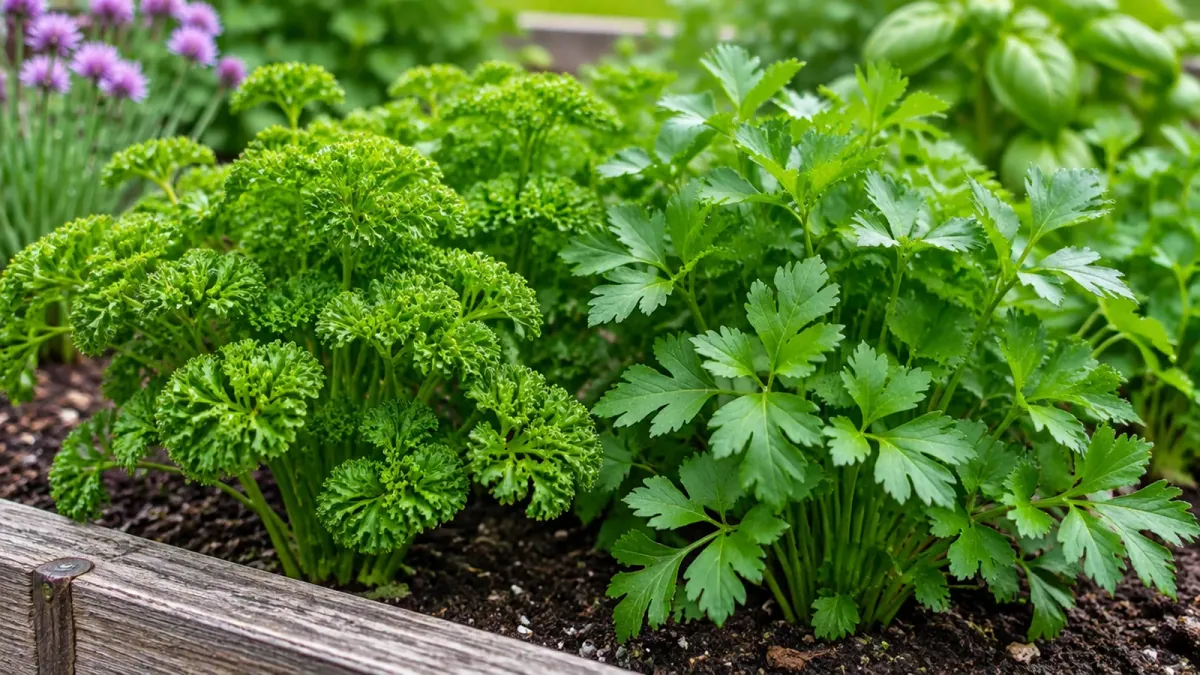
Types of parsley
| Type | Flavor | Notes |
|---|---|---|
| Flat-leaf (Italian) | Strong, fresh | Best for cooking; grows tall |
| Curly | Mild | Attractive; good as garnish and in pots |
| Hamburg (root) parsley | Parsley-parsnip flavor | Grown for its edible root |
| Japanese parsley (mitsuba) | Different species; celery-like | Likes shade |
Curly and flat-leaf are both Petroselinum crispum. For more herb guides, visit our herbs hub.
When to plant
Sow outdoors from early spring, once soil is about 50 to 60°F, and again in summer for a fall crop. Parsley tolerates light frost. In mild climates it grows through the winter. Starting indoors 8 to 10 weeks before the last frost helps, though parsley transplants unevenly because of its taproot, so use biodegradable pots.
Growing from seed
- Soak seeds in warm water overnight to soften the hard coat.
- Sow ¼ inch deep, a few seeds per spot.
- Keep the soil constantly moist. Don’t let it dry out during the long germination.
- Thin to 6 to 10 inches apart.
- Be patient: 3 to 6 weeks is normal.
Buying nursery plants shortcuts the wait.
Where and how to grow
| Need | Details |
|---|---|
| Light | Full sun in cool climates; partial shade in hot ones |
| Soil | Rich, deep, well drained, with compost |
| pH | About 6.0 to 7.0; see our guide to testing soil pH |
| Water | Keep evenly moist; about 1 inch a week |
| Feeding | Balanced fertilizer every 4 to 6 weeks |
| Spacing | 6 to 10 inches apart |
Parsley has a deep taproot, so loosen soil to at least 8 inches.
Growing parsley in pots
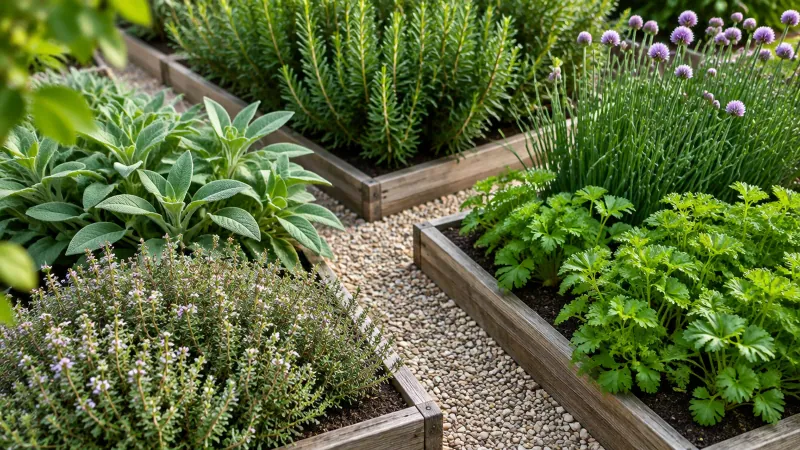
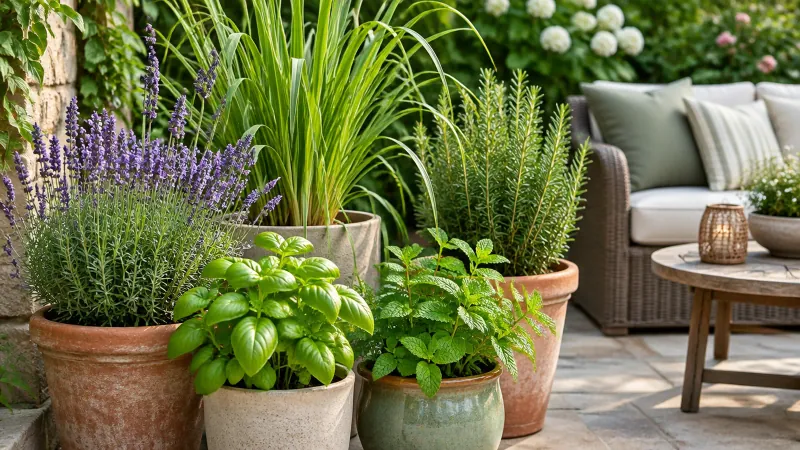
Choose a pot at least 10 to 12 inches deep with drainage holes. Use good potting mix and keep it evenly moist. Pots dry out quickly in summer, so check daily. Parsley grows well with other herbs in a mixed container, but keep it separate from thirsty or drought-loving types; see our herb garden layout ideas.
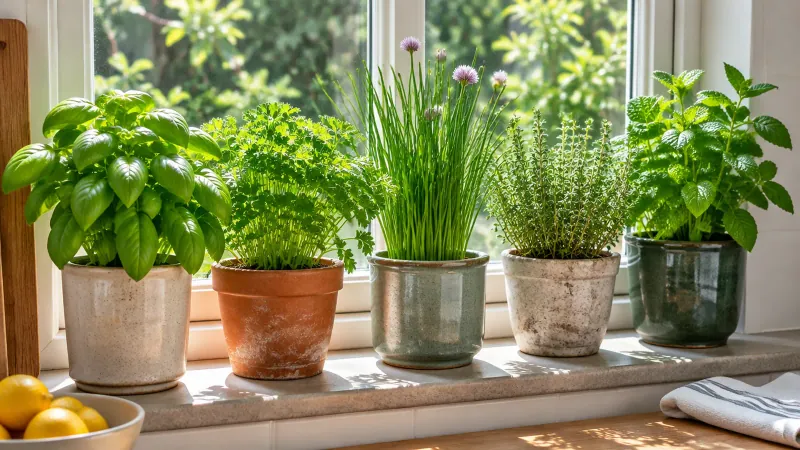
Growing parsley indoors
- Light: a south or west window or a grow light for 10 to 12 hours.
- Temperature: 60 to 70°F is ideal.
- Water: keep moist, never soggy.
- Harvest lightly: indoor plants grow slowly.
- Feed every few weeks with a diluted liquid fertilizer.
See our list of best herbs to grow indoors, and our guide to perennial herbs for plants that return every year.
Harvesting parsley
Start when plants have at least three sets of leaves, around 10 to 12 weeks from sowing. Cut outer stems at the base, leaving the inner ones to grow. Never take more than a third at once. Regular cutting keeps plants productive. Harvest in the morning for the best flavor.
Overwintering and the second year
In mild climates, parsley survives winter and resumes growth in spring. In cold areas, mulch plants heavily or move pots to a cool, bright spot. In its second spring, plants rush to flower, and the leaves become bitter and tough. Pull them out and replant, or let a few flower for seed and to attract beneficial insects, especially swallowtail butterflies, whose caterpillars feed on parsley.
Pests and problems
| Problem | Cause | Fix |
|---|---|---|
| Yellow leaves | Overwatering, poor drainage, low nitrogen | Improve drainage; feed |
| Bolting | Second-year growth, heat | Replant |
| Aphids | Sap-sucking insects | Water spray; insecticidal soap |
| Swallowtail caterpillars | Black swallowtail larvae | Share, or move caterpillars to wild carrot family plants |
| Leaf spot | Wet, humid foliage | Water at the base; space plants |
| Slow germination | Old seed or cold soil | Soak seed; use fresh |
Storing parsley
Stand stems in a jar of water in the fridge, loosely covered. Freeze chopped leaves in ice cube trays or dry them for later. Fresh keeps its flavor best.
Pet note
The ASPCA lists parsley as toxic to dogs, cats and horses, so grow it out of reach of pets that chew plants.
Quick-start schedule
| Time | Task |
|---|---|
| 8–10 weeks before last frost | Start seeds indoors in deep biodegradable pots, or buy plants |
| Early spring | Sow outdoors; harden off indoor seedlings |
| Late spring | Thin and mulch; start light harvests |
| Summer | Water in dry spells; shade from afternoon heat |
| Late summer | Sow a fall crop |
| Fall | Harvest heavily before hard frost; mulch overwintering plants |
| Second spring | Harvest early leaves, then replace bolting plants |
Feeding and soil care
Parsley is leafy, so it likes steady nitrogen. Work compost into the bed before planting and top-dress again in midsummer. In pots, use a diluted liquid feed every three to four weeks. Avoid very strong fertilizer, which gives weak, watery growth. If leaves turn pale, test the soil before adding more.
Frequently asked questions
Why is parsley so slow to germinate?
Parsley seed takes 3 to 6 weeks to sprout, which is normal. Cold soil slows it further. Soaking seeds in warm water overnight, or sowing when the soil is about 60°F, speeds things up. Keep the soil evenly moist throughout. Buying nursery transplants is a quick alternative if you don’t want to wait.
Is parsley an annual or a biennial?
Parsley is a biennial, meaning it grows leaves in its first year and flowers and sets seed in the second. Most gardeners treat it as an annual, because leaves turn bitter after the plant flowers. In mild climates plants can overwinter and give a second year of leaves in early spring before bolting.
Which is better, curly or flat-leaf parsley?
Both are the same species. Flat-leaf (Italian) parsley has a stronger, more robust flavor and is preferred for cooking. Curly parsley is milder and mainly used as garnish, but it is attractive and a little hardier. Many gardeners grow both, and either can be grown in pots or in the garden.
Can parsley grow indoors?
Yes. Give it a bright windowsill with at least 4 to 6 hours of sun, or a grow light, and a deep pot because of its taproot. Keep soil evenly moist and cut stems from the outside. Indoor parsley grows more slowly than outdoor plants, so harvest lightly and feed every few weeks.
Is parsley safe for pets?
The ASPCA lists garden parsley (Petroselinum crispum) as toxic to dogs, cats and horses, so keep pets from eating plants in quantity. Parsley that is eaten in normal food amounts is a different matter, but if your pet chews the plant, contact your vet. Consider growing it out of reach.