Perennial Herbs That Come Back Every Year
On this page
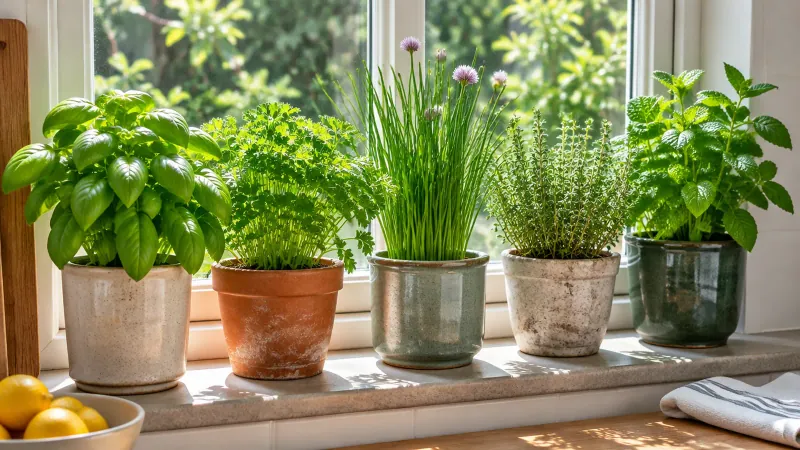
Perennial herbs that come back every year include chives, thyme, oregano, sage, mint, lemon balm, tarragon and lovage, along with rosemary and lavender in milder climates. Plant them once in a sunny, well-drained spot, trim them regularly, and divide or replace them every few years. They save money and work compared with growing annual herbs from seed each spring.
Why grow perennial herbs?
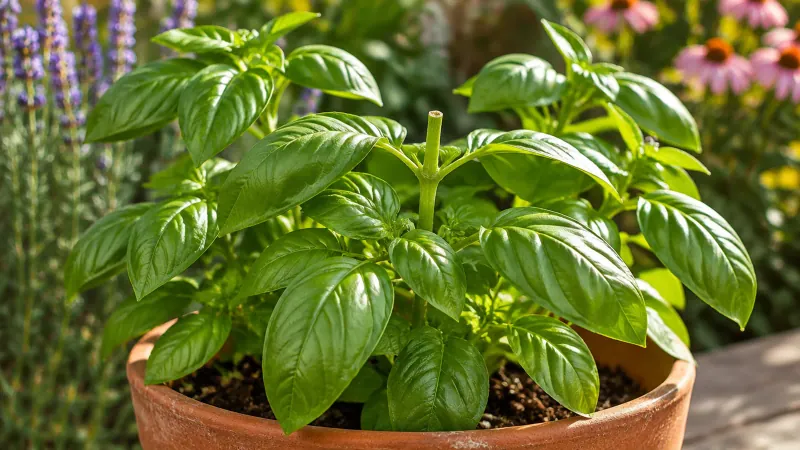
Annual herbs such as basil and cilantro have to be sown again each year. Perennial herbs come back on their own, getting bigger and more productive as they settle in. Many also start growing in early spring, long before annual herbs, and some stay green through mild winters. They suit permanent herb beds, borders, containers and kitchen gardens. For more herb guides, visit our herbs hub.
Perennial herbs compared
Zones are typical for garden plants and vary by variety. Check the label for your area.
| Herb | USDA zones | Sun | Soil | Notes |
|---|---|---|---|---|
| Chives | 3–9 | Sun to part shade | Average, moist | Cut to the ground after flowering |
| Mint | 3–8 | Sun to part shade | Moist | Spreads; grow in pots |
| Lovage | 3–8 | Sun to part shade | Rich, moist | Tall; celery-like flavor |
| Sorrel | 3–9 | Sun to part shade | Moist | Lemony leaves |
| Oregano | 4–9 | Full sun | Lean, well-drained | Spreads gently |
| Thyme | 4–9 | Full sun | Lean, sharply drained | Low and woody |
| Sage | 4–8 | Full sun | Well-drained | Replace every 4–5 years |
| Tarragon (French) | 4–8 | Full sun | Well-drained | Prefers dry feet |
| Lemon balm | 4–9 | Sun to part shade | Average | Self-sows |
| Sweet marjoram | 9–10 | Full sun | Well-drained | Tender perennial; grown as an annual elsewhere |
| Winter savory | 5–9 | Full sun | Lean, well-drained | Peppery; evergreen |
| Rosemary | 7–10 | Full sun | Sharply drained | Pot-grow in cold zones |
| Lavender (English) | 5–8 | Full sun | Gritty, alkaline | Needs sharp drainage |
| Bay laurel | 8–10 | Sun to part shade | Well-drained | Grow in a pot in cold zones |
| Fennel | 4–9 | Full sun | Average | Grow apart from other plants |
Hardy perennial herbs for cold climates
1. Chives
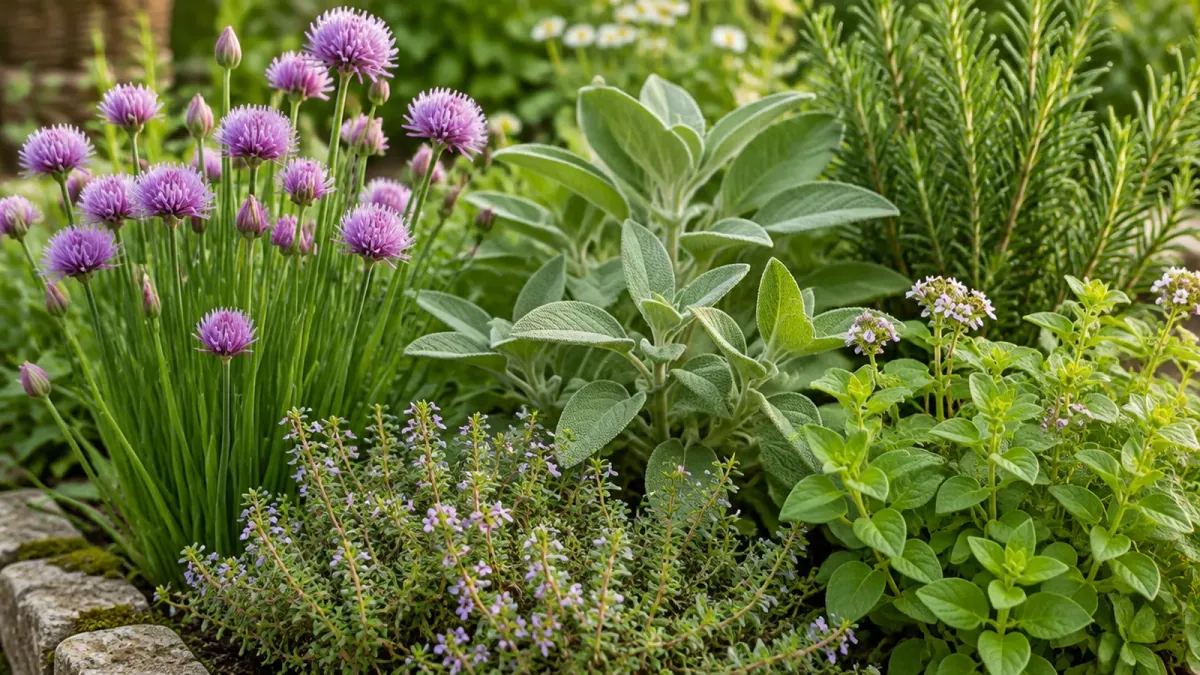
Grassy leaves with pink-purple pom-pom flowers that bees love. Chives return reliably every spring and can be cut repeatedly. Divide clumps every few years. Chives are toxic to cats and dogs.
2. Mint
The toughest of all culinary herbs, mint thrives in almost any soil but spreads aggressively. Always grow it in a container. Our guide to growing mint in pots shows how.
3. Lovage
A tall, celery-flavored herb that grows 5 to 6 feet and returns every year. A little goes a long way in soups and stews.
4. Sorrel
Lemony leaves for salads and sauces. Remove flower stalks to keep leaves tender.
5. Oregano
A tough, spreading herb for sunny, well-drained spots. Pinch stems to keep plants compact, and trim back after flowering. Greek oregano has the strongest flavor.
6. Thyme
A low, woody herb ideal for edging and gaps between paving. It needs sharp drainage and hates wet feet. Trim lightly after flowering, always cutting into green stems.
7. Sage
A handsome gray-green shrub with leaves for cooking and flowers for bees. Prune lightly in spring and replace plants that become woody after about four to five years.
8. French tarragon
The best culinary tarragon grows only from cuttings or divisions, not seed. It likes sun and well-drained soil. Divide every three years.
9. Lemon balm
A lemon-scented mint relative that is easy in sun or part shade. Cut it back hard before it sets seed to stop it self-sowing everywhere.
10. Winter savory
A low, evergreen shrub with peppery leaves, hardy in most areas. A good, tidy edging herb.
11. Fennel
A tall, feathery perennial grown for its leaves and seeds. Grow it on its own, since it can inhibit nearby plants.
Herbs for mild climates (or pots)
12. Rosemary
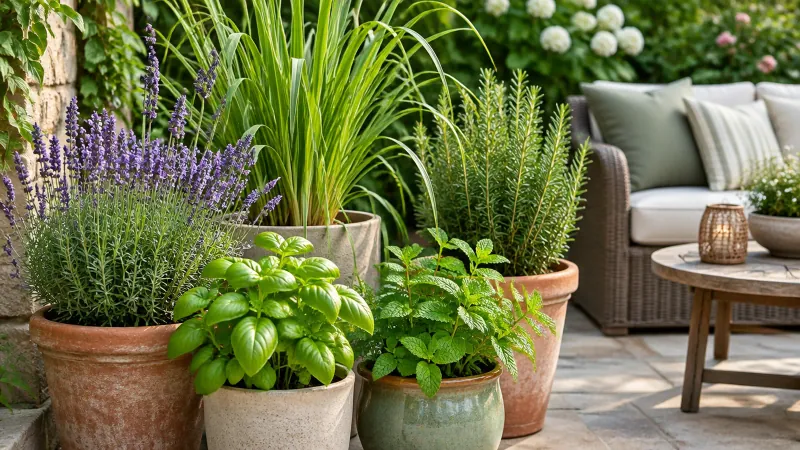
An evergreen shrub with needle-like leaves, hardy in roughly zones 7 to 10. In colder areas, grow it in a pot and bring it indoors. See our guide to growing rosemary.
13. Lavender
English lavender is hardy in about zones 5 to 8 and needs full sun, gritty soil and good drainage. Trim lightly after flowering.
14. Marjoram
A sweeter, milder relative of oregano. Sweet marjoram is a tender perennial, hardy only in about zones 9 to 10, and is grown as an annual elsewhere. Pot it up and bring it indoors for winter, or sow fresh seed each spring. Hardy oregano is the better choice for a permanent bed in colder zones.
15. Bay laurel
A slow-growing evergreen shrub for zones 8 to 10. In cold climates, grow it in a large pot and move it indoors for winter. Bay is toxic to pets.
How to grow perennial herbs
- Pick the right spot. Most perennial herbs need at least six hours of sun and good drainage. Raised beds help on heavy clay.
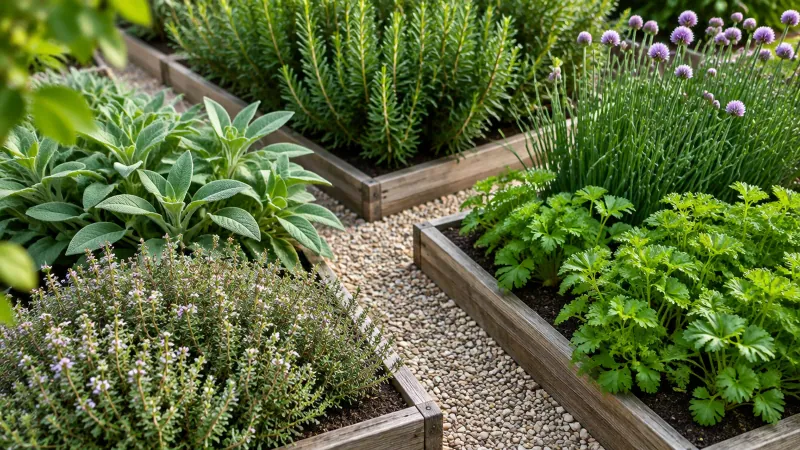
- Group by needs. Put Mediterranean herbs (thyme, sage, oregano, rosemary, lavender) together in lean, gritty soil, and moisture-lovers (chives, mint, sorrel, lemon balm) in richer soil. Our herb garden layout ideas show how.
- Plant in spring or early fall, leaving time for roots to settle before winter.
- Go easy on fertilizer. Too much fertilizer makes soft, less flavorful growth, especially in Mediterranean herbs.
- Trim regularly. Light, frequent harvesting keeps herbs bushy.
- Contain spreaders. Grow mint and lemon balm in pots, or sink a bottomless pot into the soil.
Winter care
Hardy perennial herbs usually need little protection within their zones. Leave stems standing in fall, which protects crowns, and cut them back in early spring. In colder zones, add a loose layer of mulch after the ground freezes. Wet soil is a bigger risk than cold for Mediterranean herbs, so make sure drainage is good. Bring tender perennials in before the first hard frost.
Renewing perennial herbs
- Divide clumps of chives, oregano, mint and lemon balm every two to three years in spring or fall.
- Take cuttings of thyme, sage, rosemary and lavender in early summer to replace aging plants.
- Replace woody herbs every three to five years once the centers become bare.
Perennial herbs also make good companions for vegetables and flowers; see our guide to herb companion planting for combinations that work. If you want herbs that repel pests, our guide to herbs that repel insects explains what to plant, and annuals such as basil can fill in around them each summer.
Frequently asked questions
What are the easiest perennial herbs to grow?
Chives, mint, oregano, thyme, sage and lemon balm are the easiest perennial herbs for most gardens. They survive cold winters across a wide range of zones, tolerate average soil and need little care beyond occasional trimming. Mint and lemon balm spread vigorously, so grow them in pots or contain them to stop them taking over.
Which herbs come back every year?
Hardy perennial herbs that return each year include chives, thyme, oregano, sage, mint, lemon balm, tarragon, lovage, sorrel, winter savory and fennel. Rosemary and lavender return in milder climates, roughly zone 7 and warmer, and sweet marjoram is hardy only in about zones 9 to 10; all can be overwintered in pots indoors. Basil, cilantro and dill are annuals, although dill and cilantro often self-sow.
Do perennial herbs need to be replanted?
Not every year, but most benefit from renewal every few years. Woody herbs such as thyme, sage and lavender get leggy and less productive after about three to five years, so replace them or take cuttings. Clump-forming herbs such as chives, oregano and mint can be dug up and divided every two to three years to keep them vigorous.
Is rosemary a perennial?
Yes, rosemary is a perennial evergreen shrub, but it is only reliably hardy in about zones 7 to 10, with some hardier varieties surviving zone 6 with shelter. In colder climates, grow it in a pot and bring it indoors to a cool, bright spot for winter, or treat it as an annual.
How do I overwinter perennial herbs?
Hardy perennial herbs such as chives, thyme, oregano and sage need little protection in their hardiness zones; leave stems standing over winter and trim in spring. Mulch lightly in cold zones, and avoid wet, poorly drained soil, which kills more herbs than cold. Move tender perennials such as rosemary and lemon verbena indoors before the first hard frost.