How to Grow Rosemary in Pots and Gardens
On this page
To grow rosemary, give it full sun, gritty, very well-drained soil and infrequent watering. Plant a young nursery plant in spring in the ground (zones 7 to 10) or a terracotta pot, water only when the top inch or two of soil is dry, and trim lightly after flowering. In cold climates, grow it in a pot and bring it indoors for winter.
Why rosemary can be tricky
Rosemary comes from dry, rocky Mediterranean hillsides, so it is happiest in conditions that suit few other herbs: lots of sun, lean, gritty soil, good airflow and little water. Almost every problem comes from treating it like a leafy herb, with rich soil, frequent watering and shade. Give it the dry, sunny life it expects and it is a long-lived, nearly maintenance-free plant.
For more herb growing guides, visit our herbs hub.
Choose the right rosemary
| Type | Habit | Notes |
|---|---|---|
| ‘Tuscan Blue’ | Upright, 4–6 ft | Strong flavor; popular for cooking |
| ‘Arp’ | Upright, 3–4 ft | Among the hardiest; may survive zone 6 |
| ‘Hill Hardy’ | Upright, 2–4 ft | Cold-hardy selection |
| ‘Spice Islands’ | Upright | Good for cooking |
| ‘Prostratus’ (creeping) | Trailing, 1–2 ft tall | Cascades over walls and pots |
| ‘Blue Boy’ | Compact, small leaves | Good for pots and indoors |
Hardiness varies with winter conditions, especially drainage, so treat zones as a guide only.
How to start rosemary
Rosemary is slow and unreliable from seed, so buy a small nursery plant or take cuttings. To root cuttings, snip 3 to 4 inches of new growth in late spring or early summer, strip the lower leaves and push the stem into a pot of gritty, moist mix. Keep it in bright light and rooting usually takes several weeks.
Planting rosemary in the garden
- Plant in spring after frost, in full sun, ideally near a south-facing wall.
- Check drainage. Rosemary hates wet roots. In heavy clay, plant on a mound or in a raised bed, and mix in plenty of grit or coarse sand.
- Space plants 2 to 3 feet apart for upright types.
- Plant at the same depth as in the nursery pot and water well.
- Mulch with gravel rather than organic material to keep crowns dry.
Growing rosemary in pots
Pots suit rosemary well, especially in cold climates and on heavy soils.
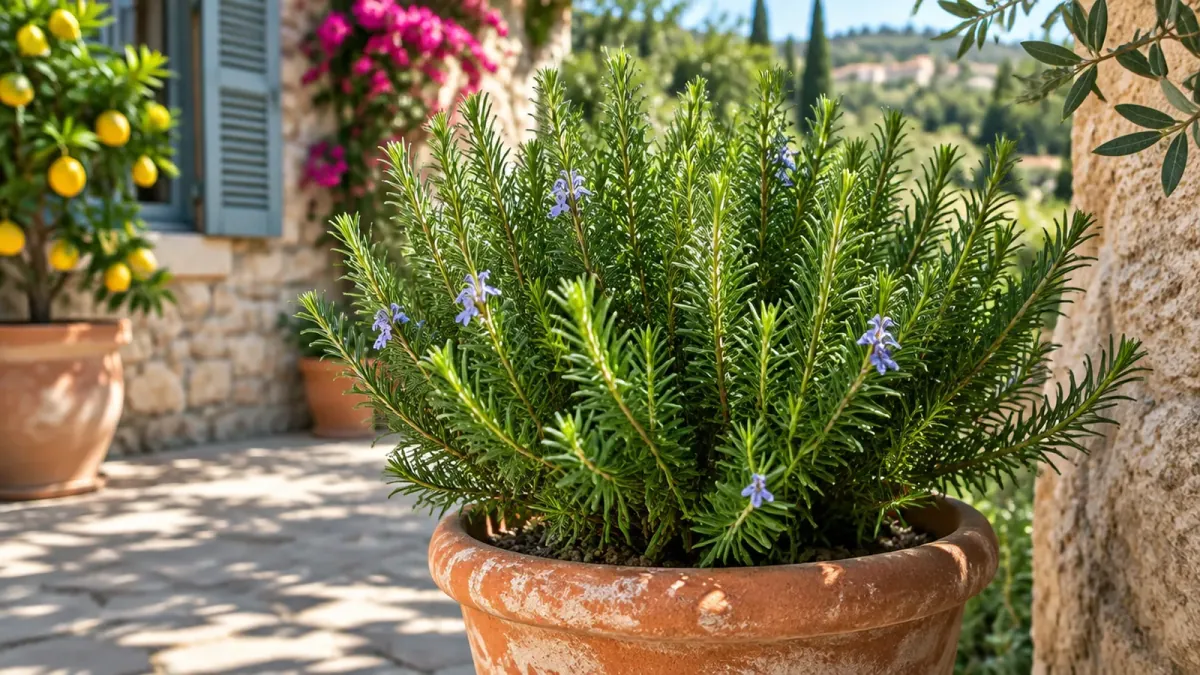
- Choose a pot at least 10 to 12 inches wide with big drainage holes. Terracotta is ideal because it dries quickly.
- Use a gritty mix: two parts potting mix to one part perlite, pumice or coarse grit. Our guide to the best soil for indoor plants explains mixes that drain quickly.
- Place in the sunniest spot, such as a south-facing patio.
- Repot every two to three years into a pot one size larger.
Watering and feeding
Water only when the top inch or two of soil is dry, then water deeply and let it drain. Potted rosemary may need water about once a week in summer, much less in winter. Established plants in the ground rarely need watering.
Rosemary needs little feeding. A light application of balanced fertilizer in spring is enough; too much produces soft growth with weaker flavor.
Pruning and harvesting
- Harvest sprigs year-round, cutting from the growing tips. Never take more than about a third of the plant at once.
- Prune lightly after flowering, trimming back to green growth. Rosemary rarely regrows from old, bare wood, so avoid cutting into it.
- Shape in spring to keep plants bushy.
- Replace very woody, leggy plants after about ten years, or take cuttings from them first.
To keep harvested sprigs, dry fresh herbs by hanging small bunches in a warm, airy spot, or freeze whole sprigs.
Overwintering rosemary
In zones 7 and warmer, rosemary stays outdoors. In cold climates:
- Bring pots inside before the first hard frost.
- Place in your brightest, coolest window, or under a grow light, in a room that stays around 50 to 60°F if possible.
- Water sparingly. Let the soil dry well between waterings.
- Keep air moving to avoid powdery mildew; avoid crowding plants.
- Move outdoors again after the last frost, hardening plants off gradually.
Growing rosemary indoors
Indoors, rosemary struggles with low light and stagnant, humid air. Give it your sunniest window or a grow light for about 12 to 14 hours a day, ensure good airflow and water carefully. Our guide to the best herbs to grow indoors covers easier alternatives if rosemary keeps failing.
Common rosemary problems
| Problem | Likely cause | Fix |
|---|---|---|
| Needles browning from the base up | Overwatering or poor drainage | Let soil dry; repot into gritty mix |
| Dry, brown tips | Underwatering or hot, dry wind | Water deeply, then wait until dry again |
| Leggy, sparse growth | Too little light | Move to a sunnier spot; prune lightly |
| White powder on leaves | Powdery mildew | Improve airflow; avoid overhead watering |
| Sticky leaves, tiny insects | Aphids or spittlebugs | Rinse with water; use soap spray |
| Plant dies over winter | Wet soil and cold | Improve drainage; protect or move indoors |
Using rosemary
Rosemary is a classic with roasted potatoes, lamb, chicken, breads and olive oil. Woody stems make aromatic skewers for the grill. It also makes a good companion for beans, cabbage and carrots, as described in our guide to herb companion planting, and its scent is traditionally used to deter some pests, as covered in our article on herbs that repel insects.
Herbs to grow with rosemary
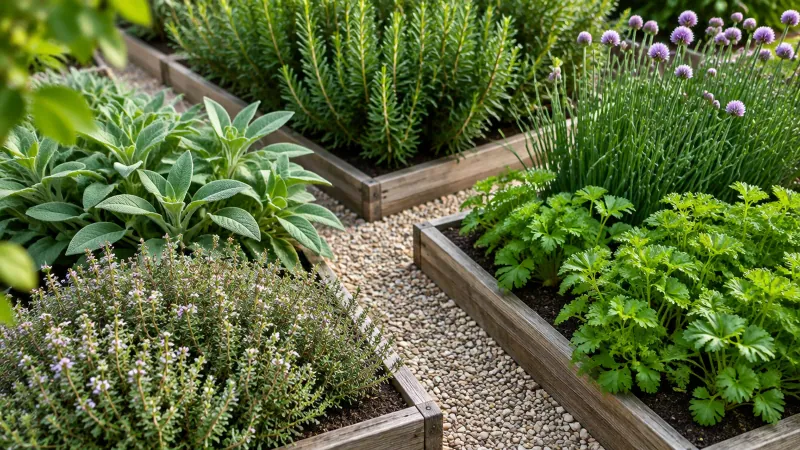
Rosemary pairs naturally with other sun-loving, drought-tolerant herbs. Thyme shares its need for sun and sharp drainage, and it is easy to start from nursery plants, cuttings or divisions.
Frequently asked questions
Why is my rosemary turning brown?
Brown rosemary is usually caused by watering problems. Overwatering and poor drainage cause root rot, which turns needles brown from the base up, while a plant that has completely dried out browns from the tips. Check the soil: if it is soggy, let it dry and improve drainage; if bone dry, water deeply. Cold damage, drafts and heavy pruning into old wood can also cause browning.
How often should you water rosemary?
Water rosemary only when the top inch or two of soil is dry, then water deeply and let excess drain. In pots that may be about once a week in summer and every two to three weeks in winter, depending on conditions. In the ground, established rosemary rarely needs watering except in long droughts. Overwatering is the most common way to kill it.
Can rosemary survive winter?
Rosemary is reliably hardy in about zones 7 to 10, and some hardier varieties, such as ‘Arp’ and ‘Hill Hardy’, may survive zone 6 with a sheltered spot and good drainage. In colder zones, grow it in a pot and bring it indoors to a bright, cool room before the first hard frost, watering sparingly until spring.
Can you grow rosemary indoors?
Yes, but it is one of the trickier herbs indoors. Rosemary needs very bright light (a south-facing window or a grow light), good air circulation and careful watering, because stagnant, humid air and soggy soil encourage mildew and root rot. A terracotta pot and a gritty, fast-draining mix help. Many people grow it outdoors in summer and indoors in winter.
Is rosemary toxic to cats and dogs?
Rosemary is listed as non-toxic to cats and dogs by the ASPCA, and small amounts are fine. Concentrated rosemary essential oil is a different matter and can be harmful, so keep oils away from pets. Rosemary is not recommended for medicinal use in large amounts, and some people with allergies react to it.