Raised Garden Bed Ideas for Every Budget
On this page
Good raised garden bed ideas fit your budget and space: a no-dig mound or stone-edged bed costs little, untreated pine or pressure-treated boards are moderate, and cedar, metal or masonry beds cost more but last longer. Keep beds about 4 feet wide, 10 to 12 inches deep for most vegetables, in full sun, filled with a topsoil and compost mix.
Why use raised beds?
Raised beds warm up earlier in spring, drain better, make it easy to control soil quality and keep you from compacting the soil by walking on it. They suit poor, heavy or contaminated ground, and they bring planting to a comfortable height. They cost more up front than planting in the ground, and soil in beds dries faster in summer, so plan to water regularly. For more garden design ideas, browse our landscaping hub, and if you are growing food, see our guide to vegetable gardening for beginners.
Choosing a size and shape
| Feature | Recommended | Why |
|---|---|---|
| Width | 3–4 ft | You can reach the middle from either side |
| Length | 4–12 ft | Standard lumber lengths; long beds are harder to cross |
| Depth | 10–12 in typical | Enough for most roots; deeper for carrots and tomatoes |
| Path width | 2–3 ft | Room for a wheelbarrow and kneeling |
| Position | Run beds north to south | Even sun on both sides |
| Corners | Square or gently rounded | Easy to build and plant |
Raised bed ideas by budget
Low-cost ideas
1. No-dig mound bed. Lay cardboard over grass, pile on compost and topsoil in a mound 8 to 12 inches high, and plant straight away. It costs almost nothing but soil and wears down over a few years.
2. Sheet-mulched bed. Layers of cardboard, compost, straw and soil smother grass and weeds. Plant in a few weeks.
3. Stone or brick-edged bed. Collect rocks, broken concrete or reclaimed brick to edge a bed. Low walls hold the soil and last for decades.
4. Log or branch edging. Logs make rustic, free edging that rots over several years.
5. Straw bale garden. Bales soaked and conditioned for two weeks make a temporary raised planting. Good for the first year of a new garden.
Mid-range ideas
6. Untreated pine or fir boards. Inexpensive and easy to build, but they rot within about three to seven years.
7. Pressure-treated lumber. Lasts longer; many extension services consider modern residential treated lumber acceptable for vegetable beds.
8. Composite lumber. Resistant to rot, though more costly.
9. Concrete block beds. Blocks are cheap, strong and easy to stack. Hollow cores can hold herbs or flowers.
10. Galvanized metal beds. Corrugated metal beds are durable and modern looking. In very hot climates they can warm the soil edges.
Premium ideas
11. Cedar or redwood beds. Naturally rot-resistant and attractive; these can last 10 to 20 years.
12. Kits. Ready-to-assemble beds from steel, cedar or composite save design time.
13. Stone or masonry walls. Mortared stone or brick walls make permanent, handsome beds, and the tops can serve as seats.
14. Raised tables. A waist-high planter on legs suits wheelchair users, small spaces and patios. Keep depth at least 8 inches.
15. Keyhole beds. Circular beds with a path cut to the center reduce path area and make reaching easier.
16. Tiered or terraced beds. Beds stepped up a slope give level planting and prevent erosion.
Materials compared
| Material | Lifespan | Cost | Notes |
|---|---|---|---|
| Untreated pine | 3–7 years | Low | Easy to build; rots sooner |
| Cedar or redwood | 10–20 years | High | Naturally rot-resistant |
| Pressure-treated lumber | 10–20 years | Moderate | Residential types are modern; some gardeners line it |
| Composite | 20+ years | Moderate to high | Doesn’t rot; can be heavy |
| Galvanized steel | 15–25 years | Moderate | Durable; may heat in full sun |
| Concrete blocks | Decades | Low to moderate | Heavy; can affect pH slightly |
| Stone or brick | Decades | Varies | Permanent; labor-intensive |
| Railroad ties | Avoid | n/a | May contain creosote; not recommended for edibles |
How to build a simple raised bed
- Choose a sunny, level spot with at least six hours of sun and nearby water.
- Mark the footprint with string and stakes, keeping it 4 feet wide or less.
- Clear the area by mowing grass short and laying cardboard to smother it. Overlap pieces.
- Build the frame, for example four boards screwed to corner posts, and check that it is level.
- Fill the bed with your soil mix, leaving a couple of inches below the rim.
- Water thoroughly to settle, and top up.
- Mulch after planting.
What to fill a raised bed with
A common mix is about 60 percent topsoil, 30 percent compost and 10 percent aeration material (coarse sand, perlite or coconut coir). To save money, fill the bottom of deep beds with logs, branches and leaves (the “hügelkultur” method), then topsoil and compost on top. Avoid filling beds with only clay or with garden soil that is full of weeds. Our guides on how to improve garden soil and composting for beginners at home explain how to build fertility.
Raised bed layout ideas
- Row layout: two or three parallel 4-by-8 beds with paths between them.
- Square-foot grid: divide a bed into 1-foot squares and plant a set number per square.
- Block planting: plant crops in blocks rather than rows to use space well.
- Combination beds: herbs along one edge, vegetables in the middle. See our herb garden layout ideas.
- Trellis at the north end: grows climbing crops without shading the rest. Try cucumbers on a trellis; see how to grow cucumbers vertically.
Looking after raised beds
- Water regularly. Beds dry out faster than ground soil, so check often in summer. Drip irrigation saves time.
- Add compost every year to replace what plants use and soil settles.
- Mulch to hold moisture and cut weeds; see our guide to types of mulch.
- Rotate crops each year to avoid disease build-up.
- Keep paths weed-free with mulch or gravel.
Raised beds for accessibility
Raised beds can make gardening comfortable for people with limited mobility. Beds 24 to 30 inches high suit gardeners who sit or use a wheelchair, and beds about 30 to 36 inches high let people stand without bending. Keep beds narrow, about 2 to 3 feet, so the center is within reach, leave paths at least 3 feet wide for wheelchairs, and use a smooth, firm path surface such as compacted gravel or pavers. A wide, flat edge to sit on adds comfort.
Raised bed ideas for small spaces and patios
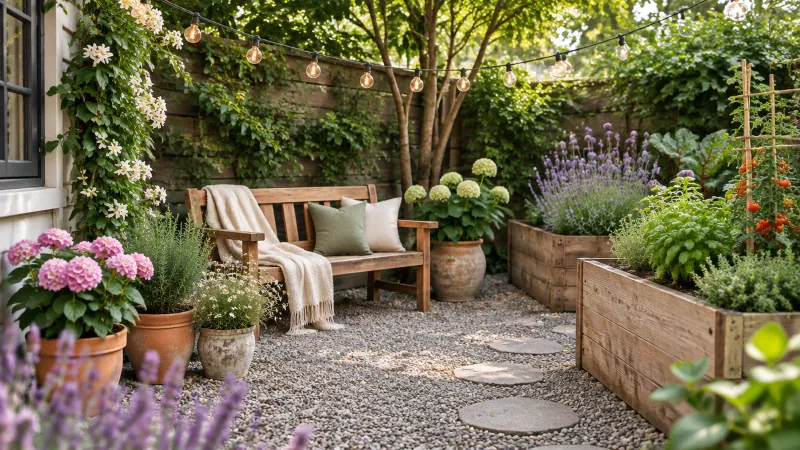
If your yard is small, raised beds can still work. A 2-by-4-foot bed or a pair of 2-by-6-foot beds fits against a fence or wall. On a patio, use sturdy raised planters with solid bottoms and drainage holes, and mind weight limits on decks and balconies. Our small backyard landscaping ideas on a budget and creative planter box ideas show how to fit growing space into tight areas, and a bed can also sit within a simple, neat lawn and garden layout.
Common raised bed mistakes
| Mistake | Problem | Fix |
|---|---|---|
| Too wide | Can’t reach the middle | Keep beds to 4 ft or less |
| In shade | Poor vegetable growth | Choose a sunny site |
| Cheap, poor soil | Weak plants | Use topsoil and compost mix |
| No weed barrier at the base | Grass and weeds grow up | Lay cardboard before filling |
| Too shallow for roots | Stunted carrots and tomatoes | Build deeper beds for deep-rooted crops |
| Forgetting water access | Hard to water | Put beds near a tap or install drip |
Frequently asked questions
How deep should a raised garden bed be?
Most vegetables grow well in a bed 10 to 12 inches deep, and 6 to 8 inches is enough for lettuce, herbs and radishes. Deeper beds, 18 inches or more, suit carrots, parsnips and tomatoes, and help where the ground below is poor, though roots will also grow into the soil beneath if it is loosened. Deeper beds cost more to fill.
How wide should a raised bed be?
Make beds no wider than about 4 feet so you can reach the middle from either side without stepping on the soil. If one side is against a wall or fence, keep it to about 2 to 3 feet. Length is flexible, and 8 feet is common because lumber comes in standard lengths. Leave 2 to 3 feet between beds for paths and wheelbarrows.
What is the cheapest way to build a raised bed?
The cheapest option is a no-dig mound or a bed edged with reclaimed materials such as stone, brick or logs. Untreated pine boards cost little but rot within a few years. Layer cardboard, compost and soil over grass instead of digging. Fill beds with a mix of topsoil and compost, and shop for bulk soil, which is cheaper than bagged.
What is the best soil mix for raised beds?
A common mix is about 60 percent topsoil, 30 percent compost and 10 percent aeration material such as coarse sand, perlite or coconut coir, though recipes vary. The goal is a loose, fertile mix that drains well and holds moisture. Avoid filling beds with garden clay alone or only bagged potting mix, which can be expensive and dry out quickly.
Is pressure-treated wood safe for raised beds?
Modern pressure-treated lumber for residential use no longer contains arsenic, and many extension services consider it acceptable for vegetable beds. Some gardeners prefer to avoid it, or to line the inside with plastic, for peace of mind. Naturally rot-resistant woods such as cedar and redwood are alternatives. Never use old railroad ties, which may contain creosote.