Vegetable Gardening for Beginners: Start Your First Garden
On this page
To start a vegetable garden as a beginner, choose a spot with 6 to 8 hours of sun and a water source, start small (a 4-by-8-foot bed or a few containers), build rich soil with compost, grow easy crops such as lettuce, radishes, beans, zucchini and cherry tomatoes, plant by your frost dates, then water, mulch and check for pests weekly.
Step 1: Decide what you want to grow
Start with vegetables you actually eat and that cost a lot at the shop, such as salad greens, herbs and tomatoes. Make a short list of five to eight crops. Growing what you like keeps you motivated. For more small-space growing guides, visit our vegetables and small-space gardening hub.
Step 2: Choose the right spot
| Need | What to look for |
|---|---|
| Sun | 6–8 hours of direct sun for fruiting crops; 4–6 hours for greens |
| Water | A tap or hose within reach |
| Drainage | Avoid low spots where water pools |
| Shelter | Some protection from strong wind |
| Convenience | Close to the house so you will visit daily |
| Safety | Away from roots of big trees and from areas with contaminated soil |
Watch your yard through a day to see where the sun falls. Shade from buildings and trees changes through the year.
Step 3: Choose a garden type
| Type | Good for | Notes |
|---|---|---|
| Raised bed | Most beginners; poor soil | Easy to control soil; see raised garden bed ideas |
| In-ground bed | Good soil, large space | Cheapest; needs soil preparation |
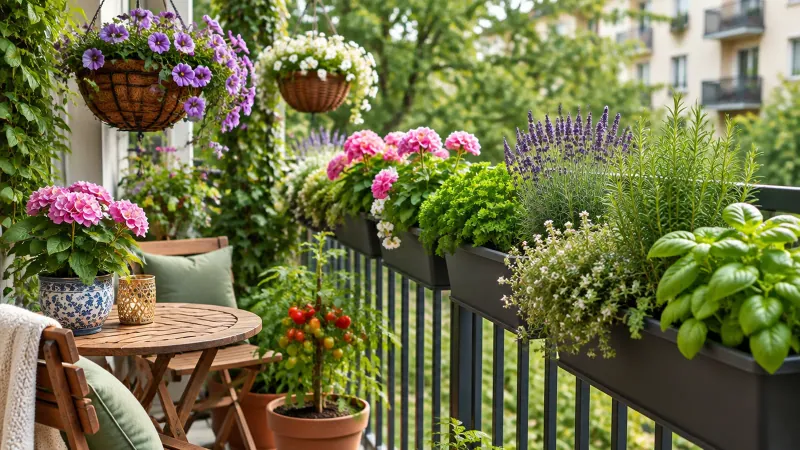
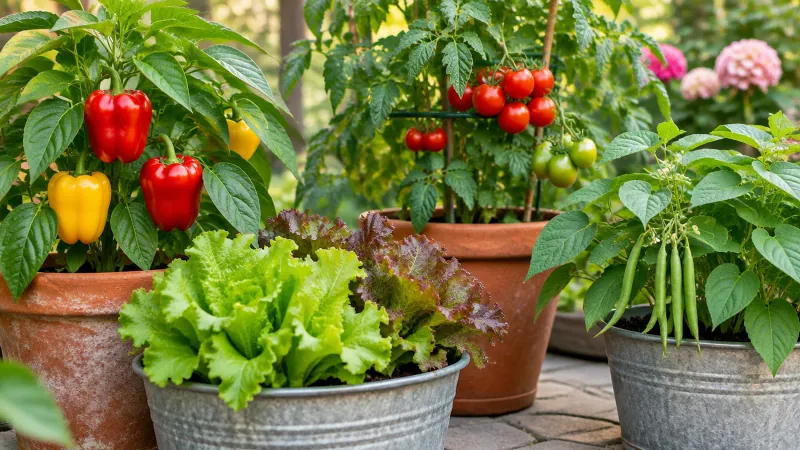
| Containers | Patios, balconies | See our guide to vegetables to grow in containers |
| Vertical garden | Small spaces | See vertical vegetable garden ideas |
Step 4: Build good soil
Good soil is the foundation of a successful garden. Vegetables like loose, fertile soil with a pH of about 6.0 to 7.0.
- Clear the area of grass and weeds.
- Loosen the soil to about 8 to 12 inches with a garden fork.
- Add 2 to 3 inches of compost and mix it in.
- Test the soil if you can; extension services offer inexpensive tests. See our guide on how to test soil pH.
- Level and rake smooth before planting.
Our guides to composting for beginners and improving garden soil cover more.
Step 5: Know your frost dates
Your average last spring frost and first fall frost dates tell you when to plant. Cool-season crops such as lettuce, peas, spinach and radishes can go in a few weeks before the last frost. Warm-season crops such as tomatoes, peppers, cucumbers, beans and squash go in after the last frost, when the soil is warm. Your local extension service or an online frost-date tool for your zip code gives dates.
Step 6: Pick easy crops
| Crop | Sow or plant | Days to harvest | Notes |
|---|---|---|---|
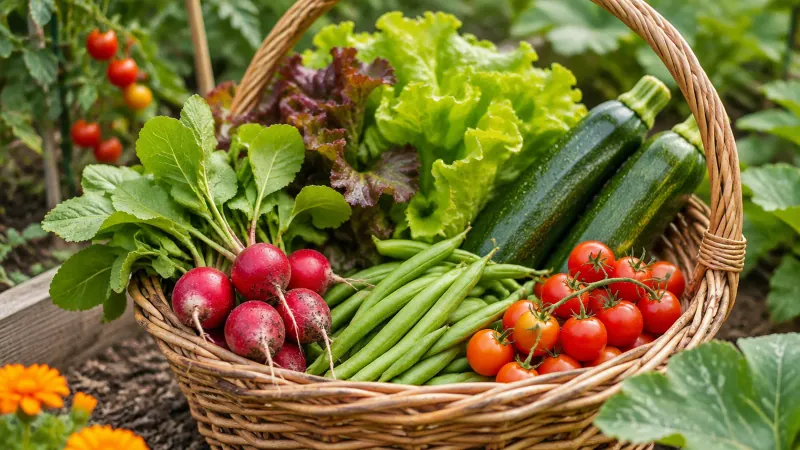
| Lettuce | Early spring or fall | 30–60 | Cut-and-come-again leaves |
| Radish | Early spring or fall | 25–30 | Fastest crop; great for impatience |
| Green beans (bush) | After last frost | 50–60 | Productive and easy |
| Zucchini | After last frost | 45–60 | One or two plants are plenty |
| Cherry tomatoes | After last frost, as plants | 60–80 | Needs support; see tomato guides |
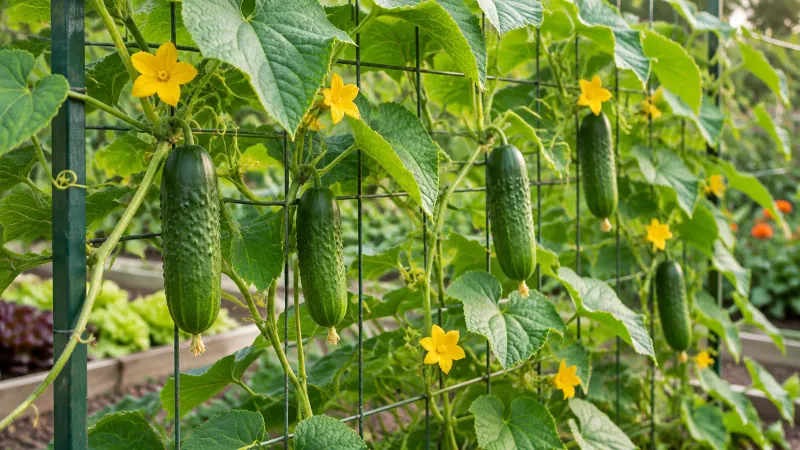
| Cucumbers | After last frost | 50–70 | Grow up a trellis |
| Peas | Early spring | 55–70 | Cool-season; need support |
| Kale and chard | Spring or fall | 50–60 | Long harvests |
| Herbs (basil, chives) | After frost / anytime | 30–60 | Easy and useful |
Our guide to the easiest vegetables to grow goes into more detail.
Step 7: Plan your layout
- Put tall crops on the north side (in the Northern Hemisphere) so they don’t shade shorter ones.
- Group crops by water needs and by planting time.
- Use succession planting: sow a few lettuce seeds every two weeks.
- Allow space as per seed packets.
- Companion planting: some plants grow well together; see our companion planting chart.
- Rotate crops each year to reduce pests and disease.
Step 8: Plant
Seeds sown directly: carrots, beans, peas, radishes, lettuce, cucumbers, squash. Transplants: tomatoes, peppers, broccoli. Read each packet for depth and spacing, water gently after sowing, and harden off indoor-grown seedlings for a week before planting out.
Step 9: Water, mulch and feed
- Water deeply about 1 to 2 inches a week, more in heat. In containers, check daily.
- Water at the base, in the morning.
- Mulch with 2 to 3 inches of straw, shredded leaves or compost to hold moisture and suppress weeds. See types of mulch.
- Feed hungry crops such as tomatoes, squash and cabbage with compost or a balanced organic fertilizer at planting and again when they begin to fruit.
Step 10: Watch for pests and problems
Walk the garden every few days and check leaf undersides. Remove pests by hand, use row covers on young plants and grow flowers to attract beneficial insects. See our guides to homemade pest control for plants and companion planting for natural options.
| Problem | Likely cause | Quick fix |
|---|---|---|
| Seedlings eaten overnight | Slugs or cutworms | Hand-pick; use collars around stems |
| Holes in leaves | Caterpillars, beetles | Hand-pick; row covers |
| Yellow leaves | Overwatering, lack of nutrients | Check drainage; feed |
| Wilting in heat | Dry soil | Water deeply; mulch |
| White powder on squash leaves | Powdery mildew | Space plants; water at the base |
Step 11: Harvest
Pick regularly. Many crops, such as beans, zucchini, cucumbers and lettuce, produce more the more you pick. Harvest in the morning, and pick promptly before vegetables become overgrown or tough.
Tools you actually need
| Tool | Used for |
|---|---|
| Hand trowel | Planting seedlings, small digging |
| Garden fork or spade | Loosening and turning soil |
| Hoe | Slicing off small weeds |
| Rake | Smoothing seedbeds, spreading mulch |
| Watering can or hose with a gentle nozzle | Watering seedlings and beds |
| Pruners or snips | Harvesting and trimming |
| Gloves | Protecting hands |
| Plant labels and a marker | Remembering what you planted |
You can start with only a trowel, a watering can and a fork, and add tools over time.
How much time does a vegetable garden take?
A small beginner garden of about 32 to 100 square feet usually needs 20 to 40 minutes a day in the growing season. Busy times are planting in spring and harvest in late summer; the rest is watering, weeding and picking. Mulch, drip irrigation and picking little and often reduce the time. If you have only a short time, start with containers or a single raised bed.
Starting plants: seeds or transplants?
| Method | Best for | Notes |
|---|---|---|
| Direct sowing | Carrots, radishes, beans, peas, lettuce, cucumbers, squash | Cheap; sow at the right time; thin seedlings |
| Transplants (bought) | Tomatoes, peppers, broccoli, eggplant | Easiest start for slow crops |
| Starting seeds indoors | Tomatoes, peppers, brassicas | Starts 6–8 weeks before last frost; needs light |
Buying a few transplants of tomatoes and peppers and sowing everything else from seed is a good beginner plan. Our guide on the easiest vegetables to grow lists the crops to start with.
Extending the season
Gardening doesn’t have to stop in fall. Sow fast greens such as lettuce, spinach and radishes in late summer for fall harvests, protect plants from the first light frosts with row cover or old sheets, and pick green tomatoes before a hard freeze to ripen indoors. Cold frames and low tunnels extend the season further. In spring, covering soil with clear plastic for a couple of weeks warms it for earlier planting.
Keeping a garden journal
A simple notebook pays off. Note planting dates, varieties, what grew well, pests, weather and harvest weights. Next year you will know when to sow, which varieties to repeat and what to change. Sketch the layout each year so you can rotate crop families to a new bed.
A beginner’s season calendar
| Season | Tasks |
|---|---|
| Late winter | Plan; order seeds; start tomatoes and peppers indoors |
| Early spring | Prepare soil; sow peas, lettuce, radishes, spinach |
| Late spring | Plant tomatoes, beans, squash, cucumbers after frost |
| Summer | Water, weed, mulch, harvest; sow quick crops |
| Fall | Sow lettuce, kale, spinach; harvest; add compost |
| Winter | Clean tools; plan next year |
What to do about weeds
Weeds compete with vegetables for water, light and nutrients, but a few habits keep them manageable. Prepare beds well and remove perennial weeds with their roots before planting. Mulch bare soil as soon as plants are established. Hoe small weeds on a dry day, when they shrivel quickly, and pull larger ones after rain, when they come out easily. Never let weeds set seed. A few minutes every few days is much easier than a big weekend clear-out.
Reading seed packets
Seed packets hold most of what you need: when to sow, depth, spacing, days to germination and days to maturity. Check “days to maturity” against your growing season length, since long-season crops such as melons and some tomatoes need many warm weeks. Note whether a variety is bush or vining, determinate or indeterminate, and whether it suits containers. Choose varieties described as disease-resistant where problems are common in your area, and pick up seed from a local supplier whose varieties have been tested in your climate.
Watering by method
| Method | Pros | Cons |
|---|---|---|
| Hand watering with a can or hose | Cheap; you check each plant | Time-consuming; easy to skip |
| Soaker hose | Waters at the soil; efficient | Needs a hose connection |
| Drip irrigation with timer | Most reliable; saves water | Setup cost; check for clogs |
| Overhead sprinkler | Covers large areas | Wastes water; wets leaves and encourages disease |
Common beginner mistakes
- Starting too big. A small garden you keep up beats a big one you neglect.
- Planting in shade. Most vegetables need sun.
- Poor soil. Add compost.
- Planting too early. Wait for frost to pass.
- Overcrowding. Space plants.
- Uneven watering. Water consistently.
- Skipping mulch. It saves time.
- Giving up after one failure. Keep notes and try again.
Quick lettuce tip
If you want a fast, forgiving first crop, sow lettuce in cool weather and harvest the outer leaves; our guide to how to grow lettuce explains the cut-and-come-again method.
Frequently asked questions
How do I start a vegetable garden for beginners?
Choose a spot with 6 to 8 hours of sun and access to water. Start small, such as a 4-by-8-foot bed or a few containers. Build fertile soil with compost, pick easy crops like lettuce, radishes, beans, zucchini and tomatoes, check your last frost date, and plant at the right time. Water consistently, mulch, and watch for pests weekly.
How big should a beginner vegetable garden be?
Start small so you can keep up with it. A 4-by-8-foot raised bed, or about 100 square feet, is plenty for a beginner and can feed a household with salad greens, herbs and a few fruiting crops. Containers on a patio are another good start. You can always expand next year once you know how much time you have.
What vegetables are easiest for beginners?
Lettuce, radishes, green beans, zucchini, cherry tomatoes, cucumbers, peas, kale, chard and herbs such as basil and chives are the easiest. They germinate quickly, grow without much fuss and reward you in weeks. Avoid slow or fussy crops such as celery, cauliflower and melons in your first season.
When should I plant my vegetable garden?
Timing depends on your last spring frost date. Plant cool-season crops such as lettuce, peas, spinach and radishes a few weeks before the last frost. Plant warm-season crops such as tomatoes, peppers, beans, cucumbers and squash after the last frost, when soil has warmed. Your extension service or a local frost-date chart gives dates for your area.
How often should I water a vegetable garden?
Most vegetables need about 1 to 2 inches of water a week, from rain or watering, and more in hot weather or in containers. Water deeply less often rather than lightly every day, at the base of plants in the morning. Mulch to hold moisture, and check soil by pushing a finger in about two inches.