Easiest Vegetables to Grow for Beginners
On this page
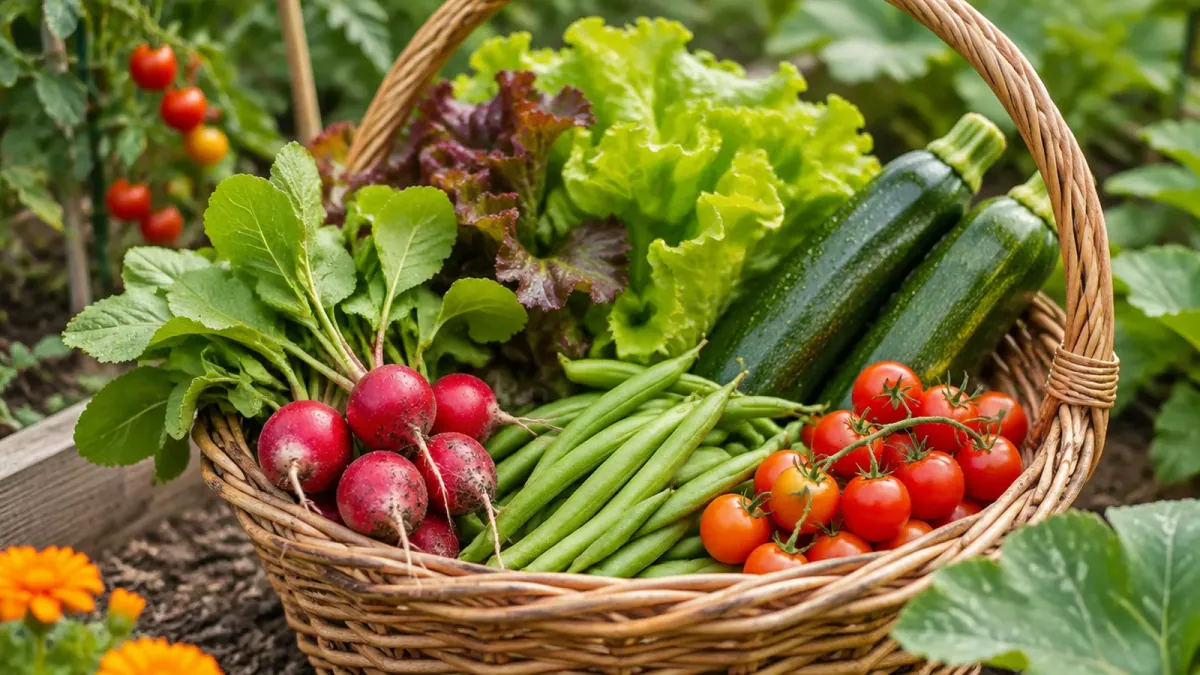
The easiest vegetables to grow for beginners are radishes, leaf lettuce, bush beans, zucchini, cherry tomatoes, peas, kale, chard, cucumbers and herbs such as basil and chives. They germinate reliably, grow quickly and forgive small mistakes. Plant cool-season crops in early spring and warm-season crops after your last frost, in sunny, well-drained, compost-enriched soil.
What makes a vegetable easy?
Easy vegetables share a few traits: seeds that germinate reliably, fast growth so you see results quickly, tolerance of average soil and a little neglect, and few serious pests or diseases. Fast crops help beginners stay motivated. For more guides, visit our vegetables and small-space gardening hub, and if this is your first garden, read our guide to vegetable gardening for beginners.
The easiest vegetables compared
| Vegetable | Season | Days to harvest | Sow | Sun | Container-friendly |
|---|---|---|---|---|---|
| Radish | Cool | 25–30 | Direct | Sun to part shade | Yes |
| Leaf lettuce | Cool | 30–45 | Direct | Sun to part shade | Yes |
| Arugula | Cool | 30–40 | Direct | Sun to part shade | Yes |
| Spinach | Cool | 35–50 | Direct | Sun to part shade | Yes |
| Peas | Cool | 55–70 | Direct | Full sun | Yes, with support |
| Kale | Cool | 50–60 | Direct or transplant | Sun to part shade | Yes |
| Swiss chard | Cool to warm | 50–60 | Direct | Sun to part shade | Yes |
| Bush beans | Warm | 50–60 | Direct | Full sun | Yes |
| Zucchini | Warm | 45–60 | Direct | Full sun | Large pot |
| Cucumbers | Warm | 50–70 | Direct | Full sun | Yes, with trellis |
| Cherry tomatoes | Warm | 60–80 | Transplant | Full sun | Yes |
| Carrots | Cool | 60–80 | Direct | Full sun | Deep pots |
| Beets | Cool | 50–60 | Direct | Sun to part shade | Yes |
| Green onions | Cool | 30–60 | Direct | Full sun | Yes |
| Herbs (basil, chives) | Warm / any | 30–60 | Direct or transplant | Full sun | Yes |
15 easy vegetables to grow
1. Radishes
The fastest crop in the garden. Sow seeds ½ inch deep every two weeks from early spring. Harvest when roots are about 1 inch across; larger ones turn woody.
2. Leaf lettuce
Cut-and-come-again leaves give months of salad from one sowing. It bolts in heat, so sow in spring and fall, and give it afternoon shade in summer.
3. Arugula
Peppery leaves in about a month. Sow thickly and pick young leaves.
4. Spinach
Loves cool weather and bolts when days lengthen. Sow in early spring and fall.
5. Peas
Sweet pods and shoots from early spring plantings. Give them a trellis or netting. Sow as soon as the soil can be worked.
6. Kale
A very hardy, nutritious green that keeps producing through frost. Pick outer leaves first.
7. Swiss chard
Colorful stems, heat tolerant and productive from spring until the following winter in mild areas.
8. Bush beans
Compact plants that crop heavily without staking. Sow after the last frost, and pick often.
9. Zucchini
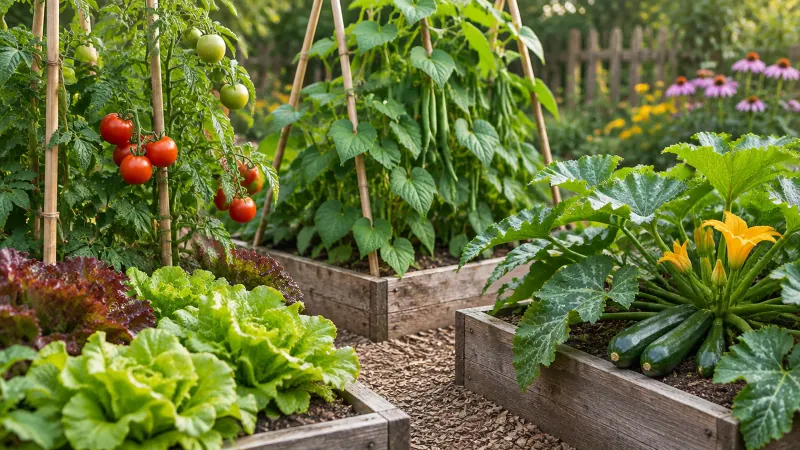
Prolific. One or two plants feed a family. Pick fruit small, at 6 to 8 inches, to keep plants producing. See our guide on how to grow zucchini for details.
10. Cucumbers
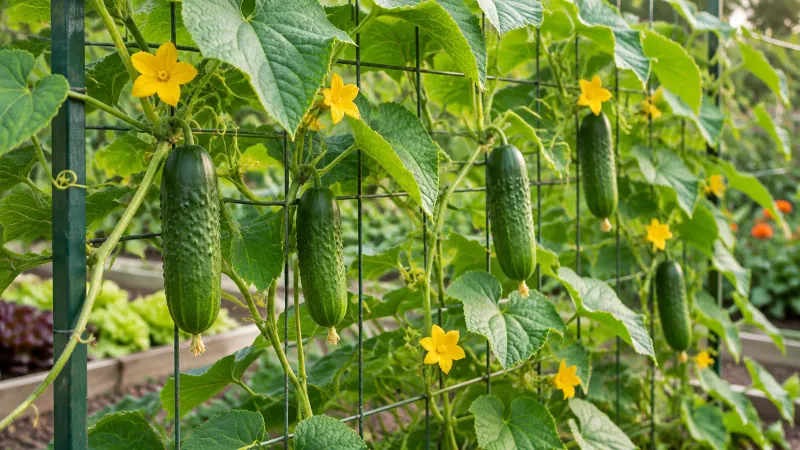
Grow on a trellis to save space and keep fruit clean. See our guide to growing cucumbers vertically.
11. Cherry tomatoes
The easiest tomatoes. Buy transplants, give them a sturdy support and water evenly. See our list of cherry tomato varieties.
12. Carrots
Easy in loose, stone-free soil. Thin seedlings and keep the soil evenly moist during germination, which can take two to three weeks.
13. Beets
Both roots and greens are edible. Soak seeds before sowing to help germination.
14. Green onions
Grow from seed or from the cut roots of store-bought onions placed in soil or water.
15. Herbs
Basil, chives, parsley and mint are easy and useful in any garden. See our guide to growing basil at home.
Easy vegetables by situation
| Situation | Best choices |
|---|---|
| In a hurry | Radishes, arugula, microgreens |
| Partial shade | Lettuce, spinach, kale, chard, radish |
| Small space | Lettuce, radish, green onions, herbs, bush beans |
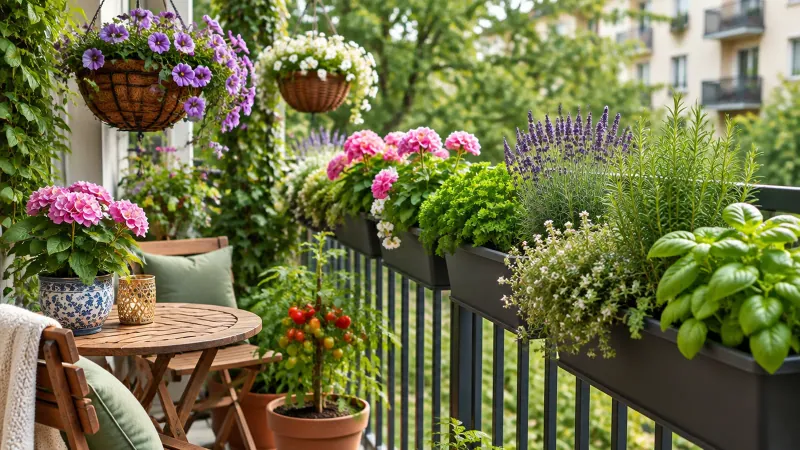
| Containers | Lettuce, cherry tomatoes, peppers, herbs; see vegetables to grow in containers |
| Cool climate | Peas, kale, lettuce, spinach, beets |
| Hot climate | Okra, Swiss chard, sweet potatoes, southern peas (check local advice) |
| Kids | Radishes, sunflowers, peas, cherry tomatoes |
When to sow: a simple calendar
| Season | Sow or plant | Notes |
|---|---|---|
| Early spring (4–6 weeks before last frost) | Peas, spinach, radishes, lettuce, kale, onions | Soil workable; cool-season crops |
| Mid-spring (around last frost) | Carrots, beets, chard, more lettuce | Succession sow every two weeks |
| After last frost | Bush beans, zucchini, cucumbers, tomatoes, herbs | Wait for warm soil |
| Midsummer | Another round of bush beans, carrots, beets | Keeps harvest going |
| Late summer | Lettuce, spinach, arugula, kale, radishes | For fall harvest |
| Fall | Garlic in mild and cold zones | Harvest next summer |
Succession sowing for a steady harvest
Fast crops finish quickly, so sow small batches rather than one big row. Sow lettuce, radishes, arugula and bush beans every two to three weeks from spring until about two months before your first fall frost. Replace finished crops with a different family: after peas, plant beans or cucumbers; after lettuce, plant carrots or chard. This keeps the garden productive and helps prevent pests and disease building up.
Feeding easy vegetables
Most easy crops do well in soil enriched with 2 to 3 inches of compost. Heavy feeders such as zucchini, tomatoes and kale benefit from a side dressing of compost or balanced fertilizer when they start to flower or when growth slows. Light feeders such as radishes, lettuce and beans need less, and too much nitrogen gives beans leaves instead of pods. Our guide to improving garden soil explains how to build fertility.
Harvest tips
| Vegetable | Pick when |
|---|---|
| Radish | Root about 1 inch across |
| Lettuce | Outer leaves 4–6 inches long |
| Bush beans | Pods firm, slender and snap crisply |
| Zucchini | 6–8 inches long |
| Cucumbers | Firm, green, 6–8 inches for slicing types |
| Kale | Outer leaves dark and about hand-sized |
| Cherry tomatoes | Fully colored and slightly soft |
| Peas | Pods plump but still bright green |
Tips for success
- Start small. Pick five or six crops.
- Prepare the soil with compost.
- Sow at the right time. Check frost dates.
- Don’t plant too deep. A rule of thumb is two to three times the seed’s width.
- Thin seedlings to the spacing on the packet.
- Water consistently. Seeds need steady moisture to germinate.
- Mulch to suppress weeds and retain moisture.
- Succession sow fast crops every two weeks.
Common problems with easy vegetables
| Problem | Crop | Fix |
|---|---|---|
| Bolting (flowering early) | Lettuce, spinach, arugula | Sow in cool weather; provide shade |
| Tough, woody roots | Radish, carrot | Harvest on time; keep water even |
| Few fruits | Zucchini, cucumber | Attract bees; hand-pollinate |
| Powdery mildew | Zucchini, cucumber, peas | Space plants; water at the base |
| Pests | Many | Check weekly; see our guide to homemade pest control for plants |
Frequently asked questions
What is the easiest vegetable to grow?
Radishes are often called the easiest: they sprout in days and are ready in about 25 to 30 days. Leaf lettuce, bush beans, zucchini and herbs such as chives and basil are also very easy. They don’t need special equipment, germinate reliably and give a harvest quickly, which makes them ideal first crops.
What vegetables grow fastest?
Radishes (about 25 days), baby salad greens and microgreens (1 to 4 weeks), arugula (about 30 days), spinach in cool weather (about 40 days), leaf lettuce (about 30 to 45 days), bush beans (about 50 days) and zucchini (about 50 days). Fast crops are ideal for beginners and for filling gaps between slower plants.
What vegetables can I grow in the shade?
Leafy greens such as lettuce, spinach, arugula, kale, chard and bok choy tolerate partial shade, with about four hours of sun, as do radishes, peas and herbs such as mint and parsley. Fruiting crops such as tomatoes, peppers and squash need six to eight hours of sun, and won’t do well in shade.
What are the easiest vegetables to grow in pots?
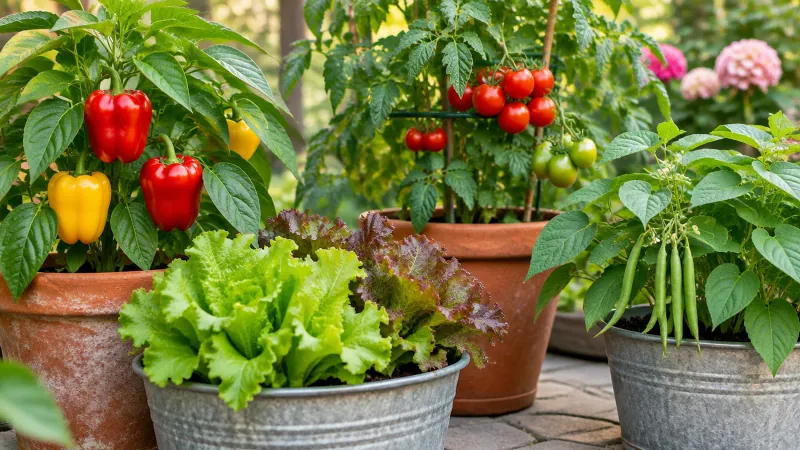
Lettuce, radishes, bush beans, cherry tomatoes, peppers, herbs, kale and chard all grow well in containers. Use pots with drainage holes, quality potting mix and a large enough container: at least 5 gallons for tomatoes and peppers. Water more often than in the ground, since containers dry out quickly.
What vegetables grow back every year?
Asparagus, rhubarb, artichokes (in mild climates), horseradish, perennial herbs and some onion relatives such as walking onions and garlic chives return each year. Most common vegetables are annuals and must be replanted. Perennial vegetables need a permanent spot and a year or two to establish, but reward patient gardeners.