Best Cherry Tomato Varieties to Grow
On this page
The best cherry tomato varieties for most gardens are ‘Sungold’ for sweetness, ‘Sweet Million’ and ‘Supersweet 100’ for huge crops, ‘Black Cherry’ for rich flavor, ‘Matt’s Wild Cherry’ for toughness, and ‘Tiny Tim’ or ‘Tumbling Tom’ for small pots and baskets. Most cherry tomatoes are vigorous indeterminate vines that crop from midsummer until frost and need tall support.
Why grow cherry tomatoes?
Cherry tomatoes are the easiest tomatoes for most gardeners. They ripen earlier than large slicers, produce heavily over a long season, cope better with cool or short summers, and are less troubled by some problems that affect big fruit. A couple of plants can supply handfuls of tomatoes every day for months.
For more tomato varieties and growing guides, browse our tomato plants hub.
Cherry tomato varieties compared
Habit and type are as typically described by seed suppliers; always check the packet, because selections vary.
| Variety | Color | Type | Habit | Known for |
|---|---|---|---|---|
| ‘Sungold’ | Orange | Hybrid | Indeterminate | Exceptional sweetness; can split |
| ‘Sun Sugar’ | Orange | Hybrid | Indeterminate | Very sweet; good crack resistance |
| ‘Sweet Million’ | Red | Hybrid | Indeterminate | Long clusters; heavy crops |
| ‘Supersweet 100’ | Red | Hybrid | Indeterminate | Very productive; sweet |
| ‘Gardener’s Delight’ | Red | Open-pollinated | Indeterminate | Classic, reliable flavor |
| ‘Sweetie’ | Red | Open-pollinated | Indeterminate | Very sweet, high sugar |
| ‘Black Cherry’ | Dusky purple-brown | Open-pollinated | Indeterminate | Rich, complex flavor |
| ‘Isis Candy’ | Gold with red marbling | Open-pollinated | Indeterminate | Striking color; sweet |
| ‘Snow White’ | Pale cream-yellow | Open-pollinated | Indeterminate | Mild, sweet; unusual color |
| ‘Yellow Pear’ | Yellow | Heirloom | Indeterminate | Pear-shaped; mild |
| ‘Matt’s Wild Cherry’ | Red, very small | Open-pollinated | Indeterminate | Very vigorous; tough plants |
| ‘Juliet’ | Red | Hybrid (grape type) | Indeterminate | Crack-resistant; long-keeping |
| ‘Tumbling Tom’ | Red or yellow | Hybrid | Determinate, trailing | Hanging baskets and window boxes |
| ‘Tiny Tim’ | Red | Open-pollinated | Dwarf determinate | Small pots and windowsills |
The best cherry tomato varieties
Sweetest cherry tomatoes
‘Sungold’ is the benchmark for flavor: bright orange, intensely sweet and fruity. Its thin skin can split after heavy rain, so pick fruit as soon as it colors.
‘Sun Sugar’ is another sweet orange cherry, often chosen by gardeners who find ‘Sungold’ cracks too easily.
‘Sweetie’ is an open-pollinated red cherry with very high sweetness, and you can save its seed.
Most productive
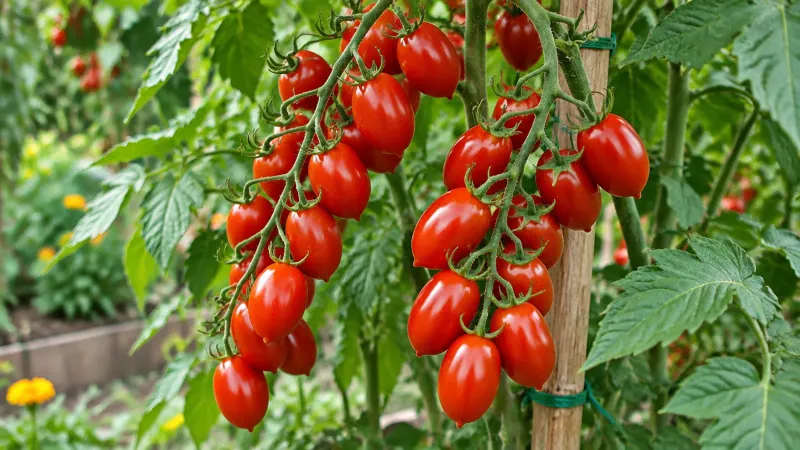
‘Sweet Million’ produces long trusses of red cherries over a long season. A single plant can supply a household.
‘Supersweet 100’ is a heavy-cropping red cherry with sweet fruit in long clusters, an improved version of the older ‘Sweet 100’.
‘Matt’s Wild Cherry’ bears tiny, intensely flavored red fruits in enormous numbers. The plants are very vigorous and tough, but the small fruit takes time to pick.
Classic and heirloom favorites
‘Gardener’s Delight’ is a reliable open-pollinated red cherry with a well-balanced, old-fashioned tomato flavor.
‘Yellow Pear’ is an heirloom with small, pear-shaped yellow fruits and a mild flavor, attractive mixed with red cherries in salads.
Unusual colors
‘Black Cherry’ has dusky purple-brown fruit with the rich, complex flavor of larger dark tomatoes.
‘Isis Candy’ produces gold fruit marbled with red, often with a starburst pattern at the blossom end.
‘Snow White’ gives pale cream to light yellow fruit with a mild, sweet flavor, an eye-catching addition to a mixed bowl.
Grape tomatoes
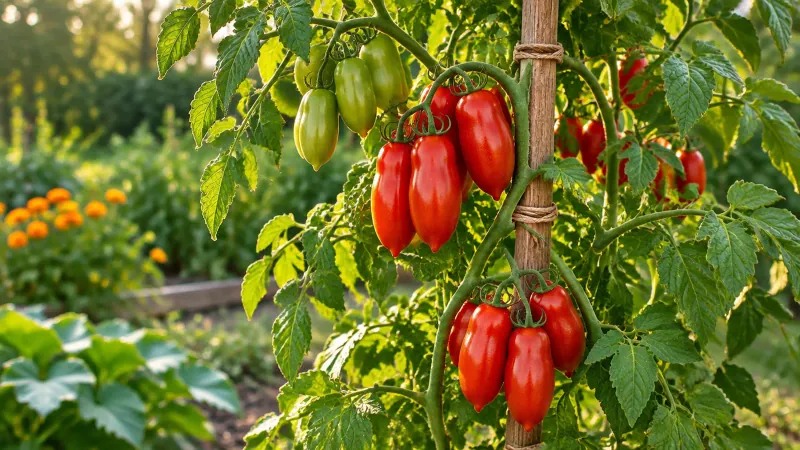
Grape tomatoes are close cousins of cherry tomatoes, with oblong, firmer fruit. The best-known is the crack-resistant Juliet tomato, which is larger than most grape types and keeps well.
Best cherry tomatoes for pots and baskets
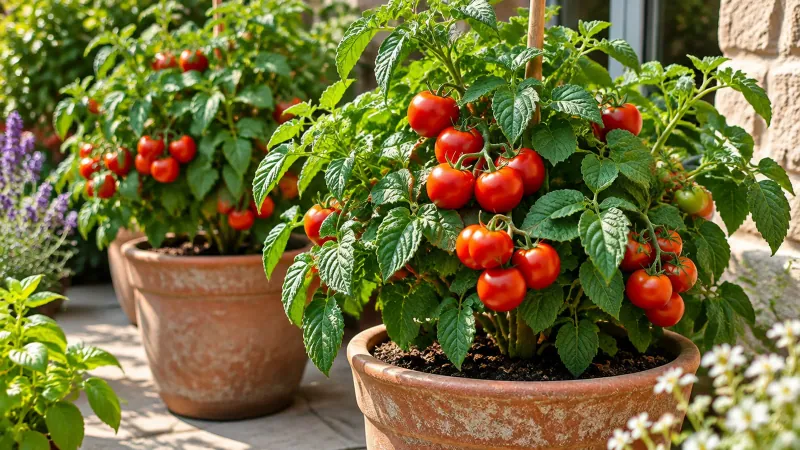
‘Tumbling Tom’ has trailing stems that spill over the edge of hanging baskets and window boxes, covered in small red or yellow fruits.
‘Tiny Tim’ is a very compact dwarf plant for small pots and sunny windowsills. For more compact types, see our guide to patio tomato plants.
How to choose cherry tomato varieties
- Flavor: for the sweetest fruit, start with ‘Sungold’, ‘Sun Sugar’ or ‘Sweetie’.
- Space and support: most cherries are indeterminate and need 6-foot supports. If space is tight, choose a determinate or dwarf type. Our guide to determinate vs indeterminate tomatoes explains the difference.
- Crack resistance: in rainy climates, look for varieties described as crack-resistant, or grow grape types.
- Disease: if leaf diseases are a problem where you live, look for varieties listing disease resistance or tolerance on the packet.
- Seed saving: open-pollinated varieties come true from saved seed; hybrids don’t.
- Color: a mix of red, orange, yellow and dark cherries makes salads look and taste more interesting.
Growing tips for cherry tomatoes
- Plant in full sun after the last frost, in rich soil improved with compost. Our guide to when to plant tomatoes gives timing by zone.
- Space indeterminate plants 24 to 36 inches apart, or about 18 to 24 inches if pruned to one or two stems and staked.
- Support early. Put a tall stake, strong cage or trellis in at planting. Our comparison of tomato cages vs stakes helps you choose.
- Prune lightly. Removing some side shoots on indeterminate cherries keeps the plants manageable and improves airflow.
- Water evenly and mulch to reduce splitting.
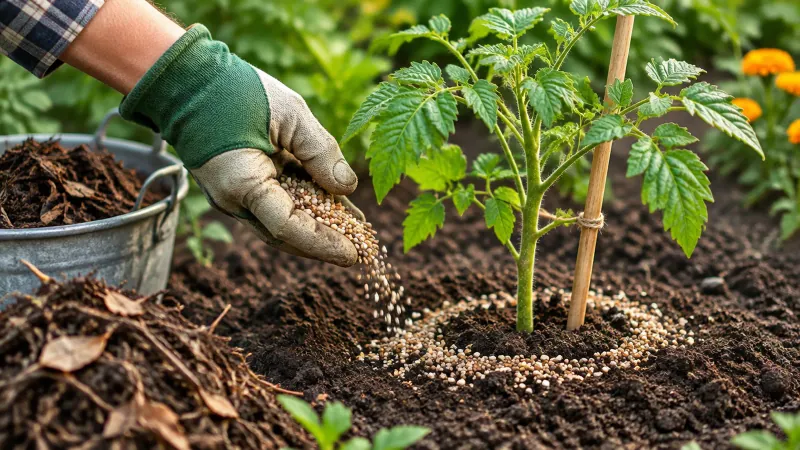
- Feed once fruit sets with a tomato fertilizer that isn’t too high in nitrogen.
- Grow in containers with at least 10 to 20 gallons of potting mix for indeterminate types; see our guide on how to grow tomatoes in pots.
Common cherry tomato problems
| Problem | Likely cause | Fix |
|---|---|---|
| Split fruit | Rain or heavy watering after dry weather | Water evenly; mulch; pick ripe fruit promptly |
| Huge plants, few flowers | Too much nitrogen or too little sun | Switch to a lower-nitrogen feed; move to full sun |
| Flowers drop without fruit | Very hot days or cold nights | Fruit set usually resumes in milder weather |
| Yellowing lower leaves with spots | Leaf diseases such as early blight | Remove affected leaves; water at the base; improve airflow |
| Bland flavor | Too much water, too little sun or early picking | Grow in full sun; let fruit color fully on the vine |
Growing cherry tomatoes in short seasons
Cherry tomatoes are the best choice where summers are short or cool, because small fruit ripens quickly. Start seeds indoors six to eight weeks before your last frost, choose varieties with shorter days to maturity, and plant in the warmest, sunniest spot you have. A south-facing wall or a large container on a sunny patio gives plants extra warmth. In late summer, pinch out the growing tips so plants ripen the fruit they already carry before frost.
Harvesting cherry tomatoes
Pick cherry tomatoes when they have fully colored and come away easily. Check plants every day or two in midsummer, because ripe fruit can split or drop if left too long. With long-truss varieties, you can snip whole clusters once most fruits are ripe. Store them at room temperature for the best flavor.
Cherry tomatoes are excellent fresh, halved in salads, roasted whole, blistered in a hot pan, or slow-dried in a low oven.
Frequently asked questions
What is the sweetest cherry tomato variety?
‘Sungold’ is the cherry tomato most often described as the sweetest, with a fruity, almost tropical flavor. ‘Sun Sugar’, ‘Supersweet 100’ and ‘Sweet Million’ are also known for high sweetness. Flavor depends on growing conditions as well as variety: full sun, steady but not excessive watering, and letting fruit ripen fully on the vine all bring out sweetness.
Which cherry tomatoes are best for pots?
Compact determinate and dwarf varieties are best for small pots and hanging baskets, such as ‘Tiny Tim’ for small pots and ‘Tumbling Tom’ for baskets and window boxes. Vigorous indeterminate cherries such as ‘Sungold’ and ‘Sweet Million’ can grow in pots too, but they need at least 10 to 20 gallons of mix and a tall, sturdy cage or stake.
How many cherry tomato plants do I need?
For most households, two or three vigorous indeterminate cherry tomato plants supply plenty of fruit for salads and snacking through the summer, because each plant produces large numbers of small tomatoes over a long season. Grow more if you want to roast, dry or preserve them, or try a few different colors for variety.
Why do my cherry tomatoes split?
Cherry tomatoes split when the fruit takes up water faster than the skin can stretch, usually after heavy rain or watering following a dry spell. Thin-skinned, very sweet varieties such as ‘Sungold’ are especially prone. Water deeply and evenly, mulch to keep moisture steady, and pick ripe or nearly ripe fruit before heavy rain. Crack-resistant varieties help too.
What is the difference between cherry and grape tomatoes?
Cherry tomatoes are round and usually juicier, with thinner skins and a burst of sweetness. Grape tomatoes are oblong, with firmer, meatier flesh and thicker skins, so they crack less and keep longer. Both are small tomatoes grown the same way, and many gardeners grow one of each. ‘Juliet’ is a popular, larger grape-type example.