When to Plant Tomatoes: Timing by Climate and Zone

On this page
Plant tomato transplants outdoors one to two weeks after your average last spring frost, once nights stay above about 50°F and soil is at least 60°F. Start seeds indoors six to eight weeks before that date. In hot-summer climates, plant early or in fall to avoid heat that stops fruit set, and in short-season areas choose early varieties and protect young plants.
The simple rule: wait for warmth, not the calendar
Tomatoes come from warm climates and hate cold. A single frost can kill them, and cold nights or cold soil stall growth even if the plants survive. Planting a week too early often gives you smaller plants than planting on time, so being patient usually pays off. Use your average last frost date as the starting point and check the forecast and soil temperature before planting. For more tomato guides, visit our tomato plants hub.
Find your last frost date
Your local extension service or an online frost-date tool gives the average last spring frost for your zip code. This is the date after which the chance of frost is about 50 percent or less, so it is an average, not a guarantee. Watch the forecast.
Tomato planting timeline
| Task | When | Notes |
|---|---|---|
| Sow seeds indoors | 6–8 weeks before the last frost | Warm (70–80°F) and bright |
| Pot up seedlings | After first true leaves | Bury stems deeper |
| Start hardening off | 1 week before planting | Increase outdoor time daily |
| Plant out | 1–2 weeks after the last frost | Nights above 50°F; soil 60°F+ |
| Add supports | At planting | See tomato cages vs stakes |
| First fruit | About 60–90 days after planting | By variety |
Planting dates by climate
These are typical windows for transplants. Always adjust to your own last frost date.
| Climate or USDA zone | Last frost (approx.) | Plant tomatoes | Notes |
|---|---|---|---|
| Zones 3–4 (very cold) | Late May to early June | Early to mid June | Choose early, short-season varieties; use covers |
| Zones 5–6 | Late April to mid May | Mid May to early June | Start seeds indoors in March |
| Zones 7–8 | Late March to mid April | Mid April to early May | Long season; can plant a second crop |
| Zones 9–10 | February to March | February to April | Heat limits summer fruit set; plant early |
| Zone 11 and frost-free areas | None | Fall to winter | Grow in the cooler months |
Hot climates: plant early, or plant twice
In places with long, very hot summers, tomatoes often stop setting fruit when daytime temperatures stay above about 90°F or nights stay above about 75°F. Plant as early as the frost allows, choose heat-tolerant varieties, provide afternoon shade and mulch heavily. A second planting in midsummer for fall harvest often does better than a late spring planting in these areas.
Cold climates and short seasons
If you have fewer than about 90 frost-free days:
- Choose early varieties labeled 55 to 70 days to maturity. Cherry tomatoes such as ‘Sungold’ and compact types are good bets; see our list of cherry tomato varieties.
- Start seeds indoors at the right time, and don’t rush.
- Warm the soil with black plastic or clear plastic for a couple of weeks before planting.
- Protect plants with cloches, row covers or wall-of-water on cold nights.
- Plant deep, burying the stem so roots form along it.
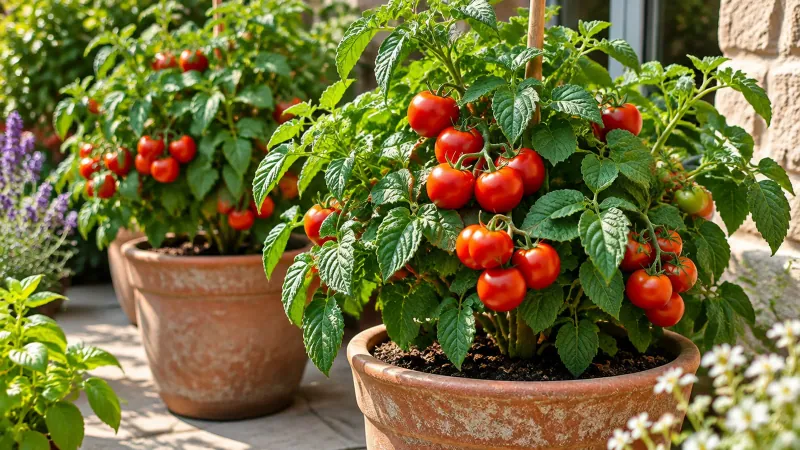
- Grow in containers that can be moved indoors on cold nights; see our guide to growing tomatoes in pots.
- Top plants late in the season so they ripen existing fruit before frost.
Sowing seeds indoors
- Count back 6 to 8 weeks from your last frost date.
- Sow seeds ¼ inch deep in seed-starting mix, and keep at 70 to 80°F.
- Give strong light as soon as seedlings emerge: a grow light a few inches above them.
- Pot up into larger containers when seedlings have their first true leaves, burying stems deeply.
- Harden off for a week before planting outdoors.
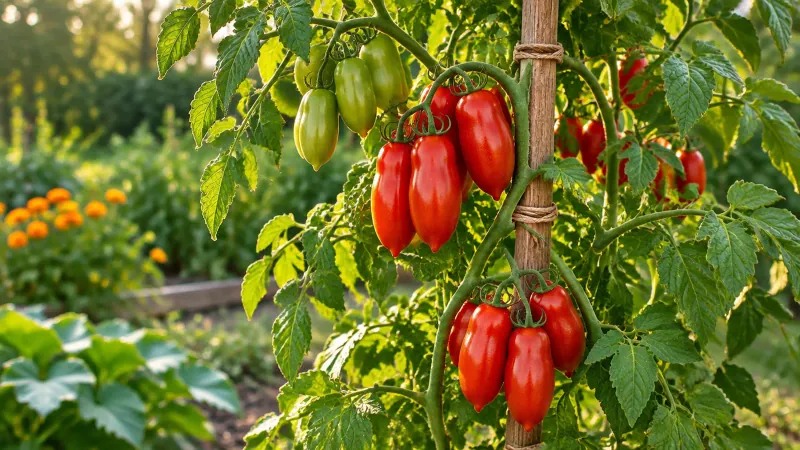
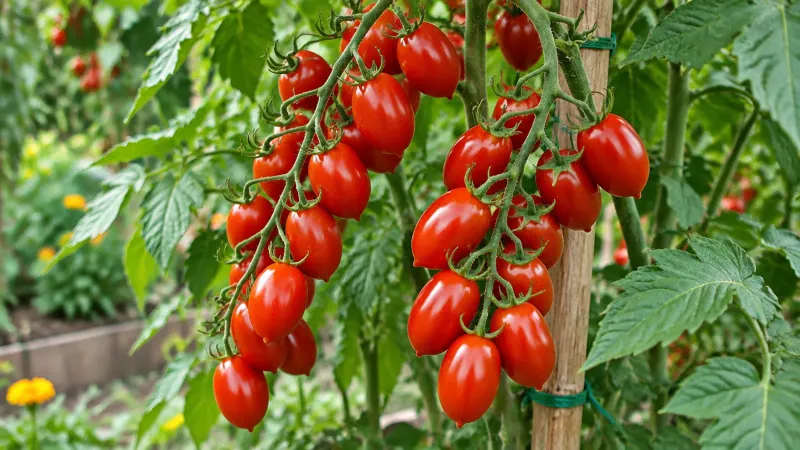
Determinate paste types such as Roma ripen their crop over a short window, which suits short seasons; see Roma vs San Marzano to choose between compact and vining paste tomatoes.
Should you buy transplants?
Garden centers sell tomato transplants in spring. Buy healthy, stocky plants about 6 to 10 inches tall, with dark green leaves and no flowers or fruit yet. Avoid tall, leggy plants and any with spots on the leaves. Transplants save you the work of starting seeds, but variety choice is limited compared with seed catalogs.
How to plant tomatoes
- Choose a sunny spot with 6 to 8 hours of sun and rich, well-drained soil.
- Check the weather: nights above 50°F, with no frost in the forecast.
- Plant on a cloudy day or in the evening to reduce transplant shock.
- Bury the stem deeply, removing the lowest leaves, so roots form along it.
- Space plants correctly; see our guide to tomato plant spacing.
- Add supports now.
- Water well and mulch once soil has warmed.
What if there’s an unexpected frost?
Cover plants overnight with sheets, buckets, row cover or cloches, and remove the cover in the morning. Water the soil beforehand, since moist soil holds heat. Damaged plants that were hit lightly may recover; wait a few days before deciding whether to replant.
Fall planting for warm climates
In zones 8 to 11, a fall crop can be very productive. Start seeds in midsummer, or plant transplants in late summer, aiming for fruit to ripen as nights cool. Provide shade for young plants through the late summer heat and keep them well watered. Our guide on how often to water tomato plants covers hot-weather watering.
Frequently asked questions
What is the best month to plant tomatoes?
There is no single month, because it depends on your last spring frost. As a rule, plant tomato transplants one to two weeks after the average last frost, once nights stay above about 50°F and the soil is at least 60°F. That is April or May in much of the United States, earlier in warm climates and June in cold ones.
Can you plant tomatoes before the last frost?
You can if you protect them, but it is risky. Tomatoes are very frost-tender, and even a light frost can kill young plants. Wall-o-water covers, row covers or cloches let experienced gardeners plant a couple of weeks early. Without protection, wait until frost danger has passed and nights stay above about 50°F.
When should I start tomato seeds indoors?
Sow tomato seeds indoors about six to eight weeks before your average last frost date. Start earlier than that and seedlings become leggy and root-bound before it is warm enough to plant them out. Keep seed trays warm, around 70 to 80°F, give seedlings strong light and harden them off for a week before transplanting.
Can you plant tomatoes in summer?
In warm climates with long seasons, yes. A second planting in early to midsummer can give a fall crop, as long as plants have enough days to ripen fruit before frost. Choose early varieties, water well and shade young plants from extreme heat. Very hot weather above about 90°F can stop flowers setting fruit.
What temperature is too cold for tomatoes?
Tomatoes stop growing well below about 50°F at night and can be damaged by chilling even without frost. Frost at 32°F kills foliage. Soil below roughly 60°F slows root growth, so cold soil can stall even healthy transplants. Warm nights above 55°F and warm soil give the best start.