How to Grow Zucchini: Planting to Harvest
On this page
To grow zucchini, plant seeds or transplants after the last frost in full sun and rich, well-drained soil, spacing plants 2 to 3 feet apart. Water at the base, mulch, feed lightly, hand-pollinate if fruit isn’t setting and pick zucchini at 6 to 8 inches, checking plants every day or two.
Why zucchini is a good starter crop
Zucchini grows quickly, produces heavily and rewards even beginners. A couple of plants can feed a household and neighbors. Because it is so productive, it suits small kitchens and big pots alike. For more guides, visit our vegetable gardening hub, and see our guide to vegetable gardens for beginners.
Types of zucchini
| Type | Examples | Notes |
|---|---|---|
| Dark green | ‘Black Beauty’, ‘Raven’ | Classic, productive |
| Light green | ‘Costata Romanesco’, ‘Cocozelle’ | Ribbed, nutty flavor |
| Yellow | ‘Golden Zucchini’ | Bright, easy to spot |
| Round | ‘8 Ball’, ‘Ronde de Nice’ | Good for stuffing; compact |
| Bush types | ‘Astia’, ‘Bush Baby’ | For small spaces and pots |
| Mildew-resistant | Many modern hybrids | Longer season |
When and where to plant
Zucchini loves heat and hates frost. Wait until the last frost has passed and the soil is at least 60 to 65°F. In cold climates, warm the soil with black plastic, and start seeds indoors three to four weeks before planting out, using biodegradable pots, since zucchini dislikes root disturbance.
Choose a sunny spot with 6 to 8 hours of sun and rich, well-drained soil. Work in compost beforehand; see our guide to how to improve garden soil. Rotate crops, and avoid planting zucchini where squash, pumpkins or cucumbers grew last year.
How to plant zucchini
- Prepare mounds or rows: make low hills about 3 feet apart or plant in rows.
- Sow seeds 1 inch deep, 2 or 3 per hill, or set transplants carefully.
- Thin to the strongest seedling per hill.
- Water well and mulch after the soil warms.
- Protect young plants from cold and pests with row cover, removing it when flowers appear so pollinators can reach them.
Zucchini can also grow in large containers of at least 5 gallons, with compact varieties. See our list of vegetables to grow in containers and our guide to the easiest vegetables to grow.
Watering and feeding
| Need | Details |
|---|---|
| Water | About 1 to 2 inches a week; deep and regular |
| Method | At the base; avoid wetting leaves |
| Mulch | 2–3 in of straw or similar, to hold moisture |
| Feeding | Compost at planting; a balanced feed at flowering |
| Soil | Rich and moist; pH about 6.0 to 7.5 |
Even moisture helps prevent blossom end rot on young fruit, and avoiding wet foliage helps prevent powdery mildew.
Pollination
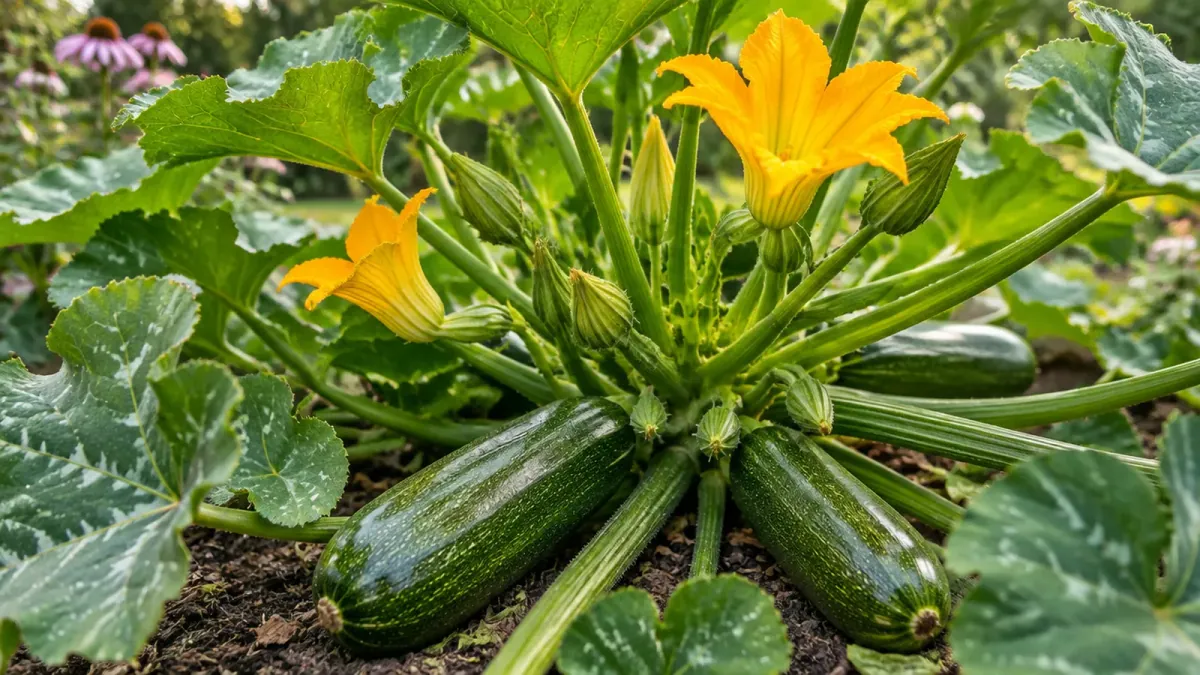
Zucchini plants have separate male and female flowers. Male flowers appear first, on thin stalks. Female flowers have a tiny fruit at the base. Bees usually carry the pollen. If you see female flowers shriveling without fruit, hand-pollinate.
- In the morning, pick a freshly opened male flower and remove its petals.
- Touch the center of the male flower (the anther) to the center of an open female flower.
- Repeat for each female flower.
Planting flowers nearby to attract bees helps.
Harvesting zucchini
Pick fruit when it is 6 to 8 inches long, firm and glossy, cutting the stem with a knife about an inch above the fruit. Check plants daily in summer, since zucchini can double in size in a day or two. Regular picking keeps plants producing. The flowers are also edible, and picking male flowers does not harm the crop.
| Size | Use |
|---|---|
| 4–6 in | Tender, great for grilling and salads |
| 6–8 in | Standard; best all-round |
| 10 in and over | Seedy; best grated for baking |
Common problems
| Problem | Cause | Fix |
|---|---|---|
| Flowers but no fruit | Poor pollination, early male flowers | Hand-pollinate; wait for female flowers |
| Fruit rots at the tip | Poor pollination or uneven watering | Water evenly; improve pollination |
| White powder on leaves | Powdery mildew | Space plants; water at the base; resistant varieties |
| Wilting plants with holes at the base | Squash vine borer | Check stems; slit and remove larvae; cover young plants |
| Yellow speckled leaves | Squash bugs | Hand pick; remove egg clusters |
| Chewed leaves, spotted fruit | Cucumber beetles | Cover; trap |
| Small fruit | Lack of water or nutrients | Water and feed |
| Blossom end rot | Uneven watering | See blossom end rot |
Squash vine borers
Squash vine borers lay eggs at the base of stems, and the larvae tunnel into the stem, causing sudden wilting. Look for orange-and-black moths in early summer and sawdust-like frass. Prevent with row cover until flowering, and wrap stem bases with foil. If you find damage, slit the stem lengthwise, remove the larva and bury the stem in moist soil to root.
Succession planting
Zucchini can decline in late summer. Plant a second batch six to eight weeks after the first for fresh plants, or start a few seedlings in midsummer. Remove old, diseased plants.
Cooking and storing
Use fresh zucchini within a week, stored in the fridge. Slice, shred and freeze for winter baking. Excess large fruit can be shredded for breads.
Pets
Zucchini (Cucurbita pepo) is listed by the ASPCA as non-toxic to cats and dogs. Keep slug bait and pesticides away from pets.
Growing zucchini vertically or in small spaces
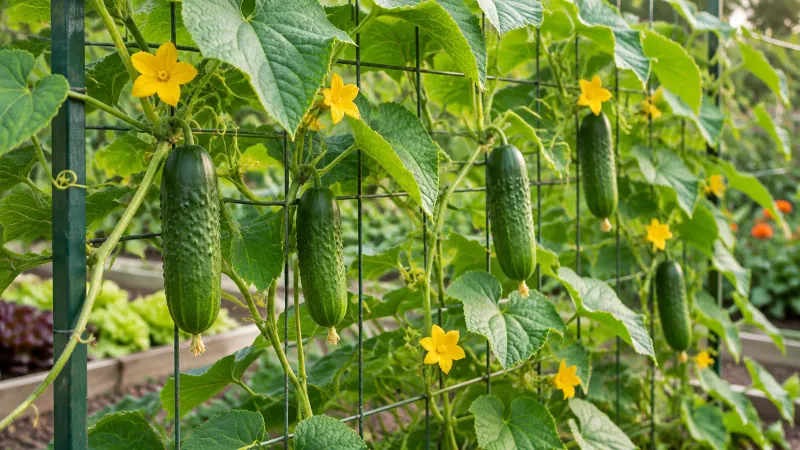
Bush types need room, but vining varieties can be trained up a sturdy trellis, saving space and keeping fruit clean. Tie stems loosely and support heavy fruit with slings; see vertical vegetable garden ideas for more space-saving layouts. In small gardens, choose compact bush varieties and give each plant a 5- to 10-gallon container. Feed regularly, since pots lose nutrients with watering.
Using the glut
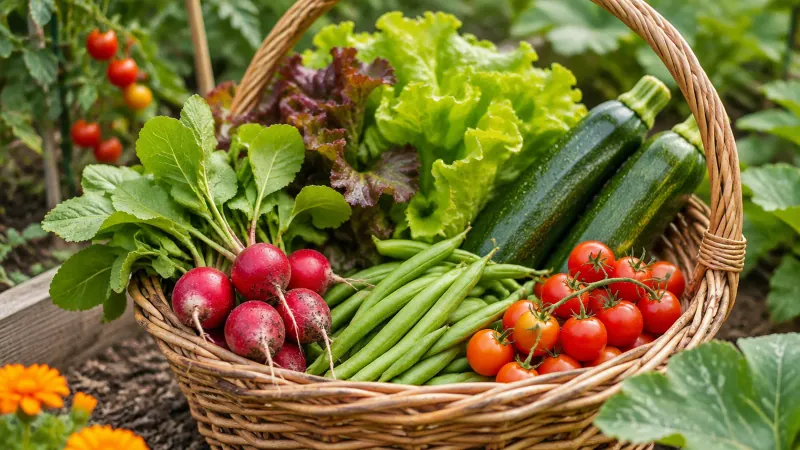
Zucchini produces more than most people can eat. Grill slices, spiralize, bake into bread, grate and freeze in recipe-size bags, or share with neighbors. Pick small fruit often to keep plants producing, and compost or discard oversized fruit if you don’t need seed.
Frequently asked questions
When should I plant zucchini?
Plant zucchini after the last frost, when the soil is at least 60 to 65°F and nights stay above about 50°F. Sow seeds directly in the garden about one inch deep, or start them indoors three to four weeks before planting out. Zucchini grows fast, so there is no need to rush it in cold soil.
How many zucchini plants do I need?
One or two plants are enough for most households, because each plant can produce a lot of fruit over a season. Space plants 2 to 3 feet apart, with rows 3 to 4 feet apart. A third plant planted a few weeks later extends the harvest, but you’ll likely have more than you can eat.
Why does my zucchini have flowers but no fruit?
Zucchini plants make male flowers first, which never set fruit, and female flowers (with a tiny fruit at the base) a bit later. If female flowers don’t set fruit, it is usually poor pollination. Hand-pollinate by transferring pollen from a male flower to the female with a small brush, and attract bees by planting flowers nearby.
How big should I let zucchini get?
Harvest zucchini when it is about 6 to 8 inches long for the best flavor and tender skin. Fruits left to grow become large, seedy and watery, and they slow down the plant’s production. Check plants every day or two in summer, since fruit grows very quickly.
What is eating or killing my zucchini plants?
Common culprits include squash bugs, cucumber beetles, squash vine borers and powdery mildew. A sudden wilt with sawdust-like frass at the stem base points to vine borers. Check plants often, remove eggs and pests by hand, cover young plants with row cover, water at the base and choose resistant varieties.