Blossom End Rot on Tomatoes: Causes and Prevention
On this page
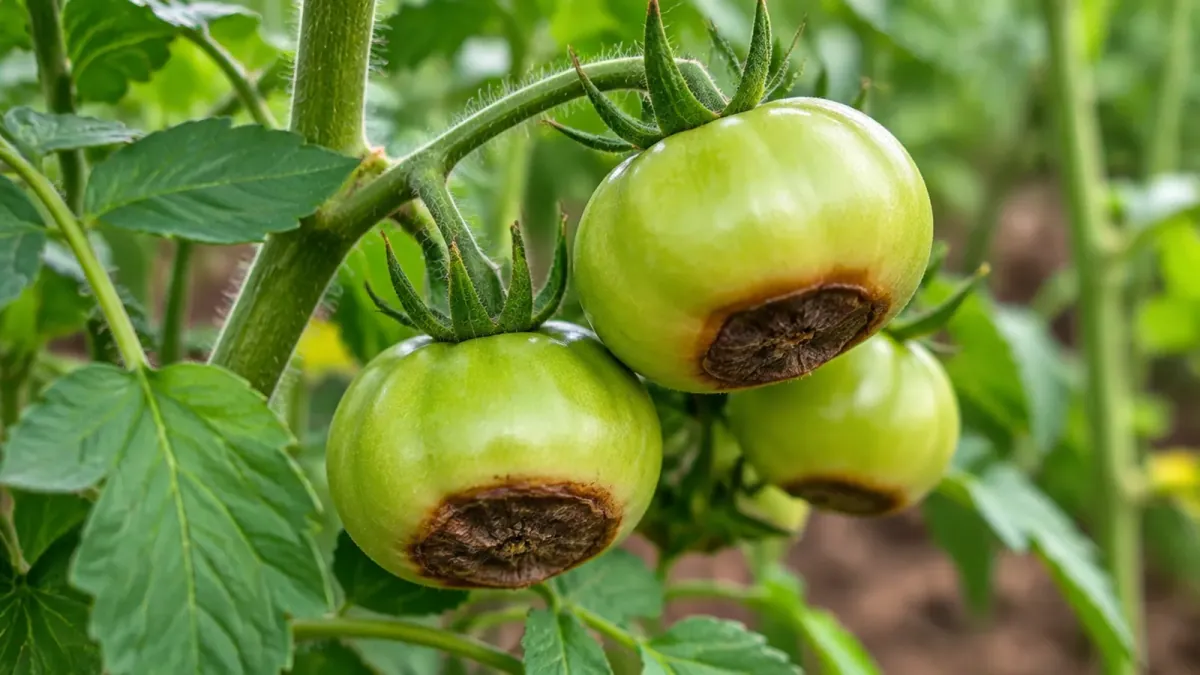
Blossom end rot is a dark, sunken, leathery patch on the bottom of a tomato, caused by too little calcium reaching the developing fruit. It is usually triggered by uneven watering rather than a shortage of calcium in the soil, so steady moisture, mulch and the right soil pH are the main fixes.
What blossom end rot looks like
It starts as a small, water-soaked spot on the bottom of green or ripening fruit, opposite the stem. The spot grows into a dark brown or black, sunken, leathery patch. It can cover a third or more of the fruit. Sometimes it also forms internally with no outside sign. It is most common on the first fruit of the season and on paste and large-fruited varieties. For more tomato guides, visit our tomato plants hub.
What causes it
Calcium moves through the plant in water, and fruit gets calcium last because it loses little water compared with leaves. If water supply swings from dry to soaked, or roots are damaged, not enough calcium reaches fast-growing fruit. The tissue at the blossom end then breaks down.
| Cause | How it triggers the problem |
|---|---|
| Uneven watering | Interrupts calcium flow to the fruit |
| Drought or heat | Plants take up less water and calcium |
| Waterlogged soil | Damaged roots can’t absorb calcium |
| Too much nitrogen | Lush growth takes calcium from fruit |
| Salty or very acidic soil | Locks up or reduces calcium uptake |
| Root damage from cultivation | Fewer roots to absorb water |
| Low calcium in soil | Rare, but possible in very sandy or acidic soil |
How to fix it
- Water deeply and evenly. Aim for 1 to 2 inches a week, delivered in a couple of good soakings. See our guide to how often to water tomato plants.
- Mulch with 2 to 3 inches of straw or shredded leaves to keep soil moisture steady.
- Remove affected fruit so the plant can put energy into healthy tomatoes.
- Test your soil and adjust the pH to about 6.2 to 6.8 if needed.
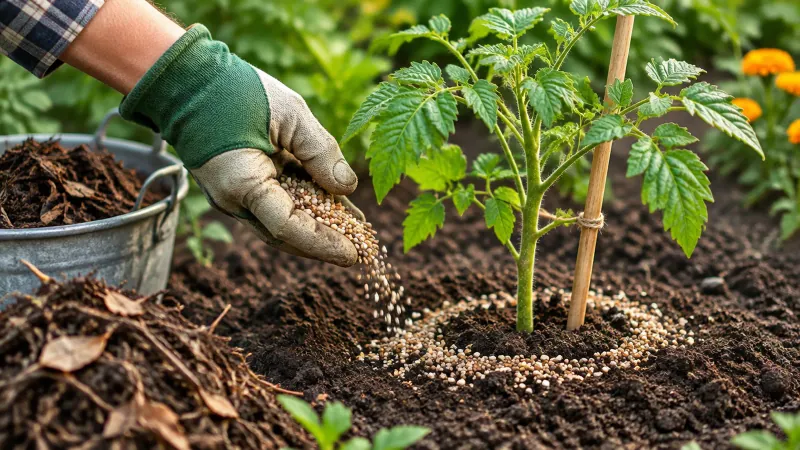
- Ease off nitrogen, and feed with a balanced fertilizer; see the best fertilizer for tomato plants.
- Avoid disturbing roots with deep cultivation near plants.
- Keep containers well drained and watered consistently.
Does calcium help?
Adding calcium to soil that already has enough does little. If a soil test shows low calcium, gypsum (calcium sulfate) or lime (if pH is also low) can help over time. Calcium sprays on leaves have little evidence behind them, because calcium does not move from leaves to fruit well. Fixing watering is almost always the better first step.
| Treatment | Likely effect |
|---|---|
| Steady watering and mulch | Best fix |
| Soil test and pH correction | Helps if soil is out of range |
| Gypsum or lime | Only if the test shows low calcium |
| Calcium foliar sprays | Limited evidence |
| Epsom salt | Doesn’t add calcium; may make things worse |
| Crushed eggshells | Too slow to help this season |
Blossom end rot in containers
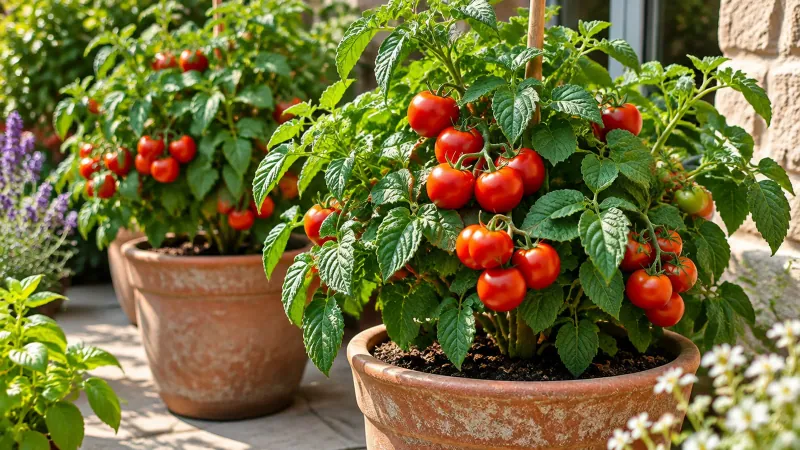
Pots swing between wet and dry more than garden beds, so rot is common in containers. Use large pots (at least 5 gallons, more for big varieties), a good potting mix and consistent watering, and mulch the surface. Self-watering containers help. See our guide to growing tomatoes in pots.
Which tomatoes are most prone?
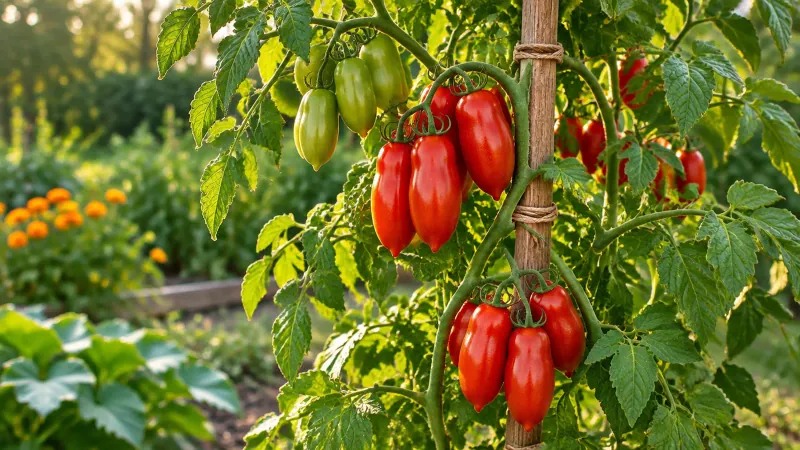
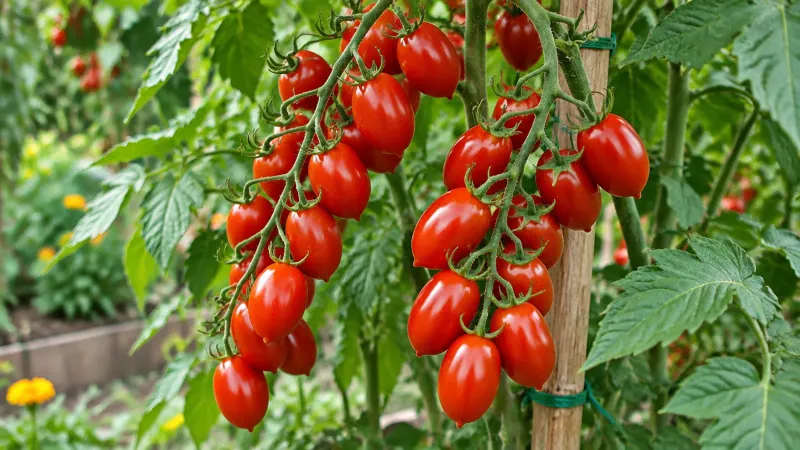
Large and elongated paste types often get it more than cherries. Some roma-type and paste tomatoes such as San Marzano are known for it, as the fruit is long and grows fast. Cherry tomatoes rarely show it. It is common on first fruit, then often fades as the season goes on.
Blossom end rot or something else?
| Problem | Where it appears | Difference |
|---|---|---|
| Blossom end rot | Bottom of fruit | Dark, sunken, leathery, no fuzzy mold at first |
| Sunscald | Side facing the sun | Pale, papery patch |
| Catfacing | Blossom end | Puckered, scarred fruit, not dark and sunken |
| Anthracnose | Ripe fruit | Small sunken circles with spores |
| Late blight | Fruit shoulders | Firm brown patches; also on leaves |
Prevention checklist
- Prepare soil with compost before planting.
- Plant at the right time and spacing: see when to plant tomatoes and tomato plant spacing.
- Water deeply and regularly, especially during fruit set.
- Mulch.
- Avoid heavy nitrogen feeding.
- Grow well-drained beds or pots.
- Test soil every couple of years.
Can you eat the fruit?
Yes. Cut off the rotted part and use the rest of the tomato. If the patch is moldy, soft or smells bad, discard it. Don’t compost heavily rotted fruit if you suspect other diseases.
When to stop worrying
Blossom end rot often appears on the first tomatoes of the season and then disappears as plants settle and the weather steadies. If you correct watering and the problem continues on many fruits, do a soil test and check for root damage or very high salt levels from over-fertilizing.
Frequently asked questions
What causes blossom end rot on tomatoes?
Blossom end rot happens when the fruit does not get enough calcium while it is developing. The cause is usually not a lack of calcium in the soil but uneven watering, which stops the plant moving calcium to the fruit. Root damage, high nitrogen, salty soil and extreme heat or cold can also contribute.
Can you eat tomatoes with blossom end rot?
Yes, as long as you cut away the dark, leathery area. The rest of the fruit is safe to eat if it is otherwise firm and has no mold. Fruit with rot often ripens early and may be smaller. If the rotted patch has turned moldy or soft, discard the tomato.
Does Epsom salt cure blossom end rot?
No. Epsom salt is magnesium sulfate, which adds magnesium rather than calcium, and extra magnesium can actually compete with calcium uptake. Blossom end rot usually comes from inconsistent watering, not a calcium shortage in the soil. Fix watering first, test your soil and add calcium only if a test shows it is low.
Will blossom end rot go away on its own?
Affected fruit will not heal, but later fruit often comes through clean once watering is steady and the weather settles. It is common on the first fruit of the season. Remove affected tomatoes so the plant does not waste energy on them, then keep soil evenly moist, mulch and avoid heavy nitrogen feeding.
Does blossom end rot spread to other plants?
No. It is a physiological disorder, not a disease caused by a fungus or bacteria, so it does not spread from plant to plant. If several plants show it, it is because they share the same conditions such as watering swings, hot weather or soil that is too salty or acidic. Fix the conditions and the problem eases.