How to Grow Lettuce (Cut-and-Come-Again)
On this page
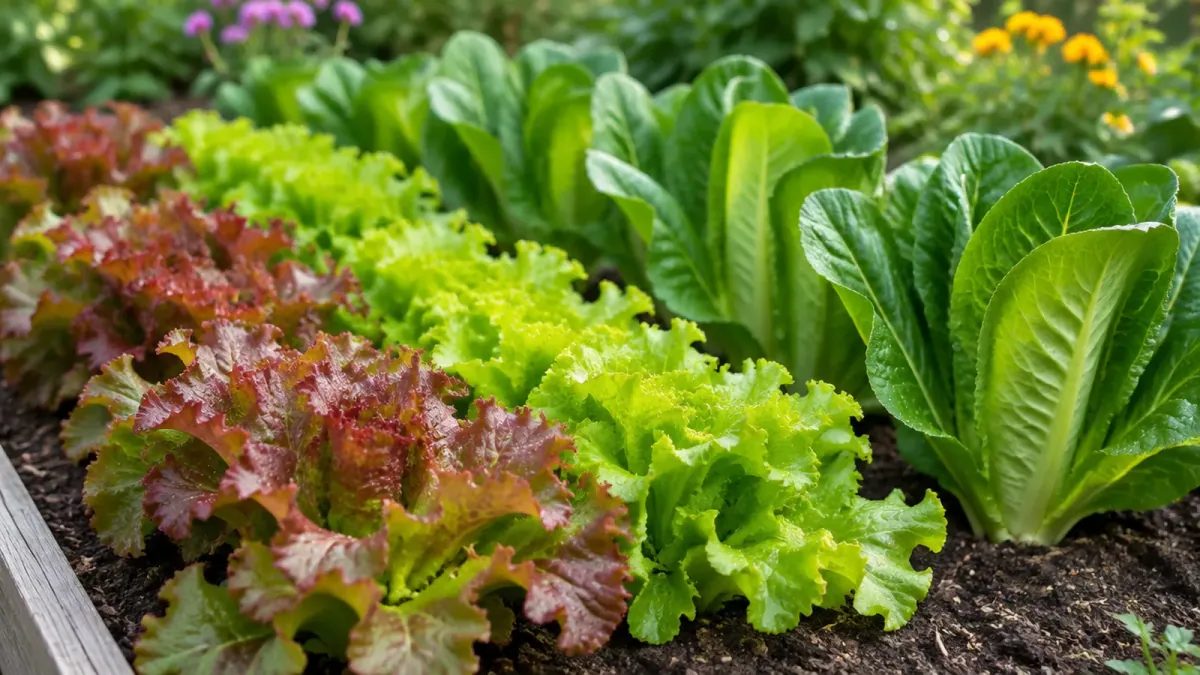
To grow lettuce, sow seeds in cool weather in rich, moist, well-drained soil, thin seedlings, keep them evenly watered and harvest outer leaves as the plant grows. Give afternoon shade in warm weather to prevent bolting, and sow every two weeks for a steady supply. Loose-leaf types regrow best.
Why lettuce is easy
Lettuce is quick, compact and productive, giving the first harvest in a month. It tolerates light frost, grows in pots and beds and fits between slower crops. It likes cool, moist conditions, so timing and watering are the keys. For more guides, visit our vegetable gardening hub. It is also one of the easiest vegetables to grow, and a fine first crop in a vegetable garden for beginners.
Types of lettuce
| Type | Examples | Notes |
|---|---|---|
| Loose-leaf | ‘Black Seeded Simpson’, ‘Red Sails’, ‘Salad Bowl’ | Fastest; best for cut-and-come-again |
| Butterhead | ‘Buttercrunch’, ‘Bibb’ | Soft, tender heads; moderate heat tolerance |
| Romaine (cos) | ‘Parris Island’, ‘Little Gem’ | Upright, crisp; more heat tolerant |
| Crisphead (iceberg) | ‘Iceberg’ types | Slower; needs cool, steady weather |
| Oakleaf | ‘Oakleaf’ | Mild, heat tolerant |
| Baby leaf mixes | Mesclun | Sow thickly for young leaves |
Choose heat-tolerant, slow-bolt varieties if your springs warm up fast.
When to plant
| Climate | Sowing windows |
|---|---|
| Cold-winter areas | Early spring (as soon as soil can be worked), late summer for fall |
| Mild areas | Early spring and fall |
| Hot-summer areas | Fall through winter; early spring only |
| Short seasons | Spring and fall; protect with covers |
Lettuce seed germinates best at 40 to 75°F; above about 80°F, germination slows or stops. In summer, sow indoors or in shade, or chill seeds for a day before planting.
How to grow lettuce from seed
- Prepare the bed: loosen soil and add compost. Aim for pH about 6.0 to 7.0; see how to test soil pH.
- Sow seeds about 1/4 inch deep, thinly, in rows or bands.
- Keep the soil moist until seeds sprout in 4 to 10 days.
- Thin seedlings to the spacing for your type, eating the thinnings as baby greens.
- Succession sow every two weeks.
- Mulch lightly to hold moisture.
Seeds are small, so mix them with a little sand for even sowing. You can also start transplants indoors three to four weeks before planting out.
Light, water and soil
| Need | Details |
|---|---|
| Light | Full sun in cool weather; part shade in warm weather |
| Water | Keep evenly moist; about 1 in a week |
| Soil | Rich, moist, well drained |
| Feeding | A light feed or compost every few weeks; lettuce likes nitrogen |
| Temperature | 45–75°F is ideal |
Shallow roots dry out fast, so don’t let soil dry out. Water at the base in the morning.
Cut-and-come-again harvesting
This method gives repeated harvests from the same plant.
- Wait until leaves are 3 to 4 inches long for baby leaves, or 6 inches for larger leaves.
- Cut outer leaves about an inch above the base, leaving the center.
- Or cut the whole head 1 to 2 inches above the soil, leaving the crown to regrow.
- Water and feed lightly after cutting.
- Harvest again in 1 to 3 weeks.
Plants usually give two to four harvests before turning bitter or bolting. Replace them with a new sowing.
Preventing bolting
Bolting means the plant sends up a flower stalk, usually in response to heat and long days. The leaves become bitter.
- Plant in cool weather and in the right season.
- Provide afternoon shade with shade cloth or taller plants.
- Keep soil moist and mulched.
- Choose slow-bolt varieties.
- Harvest regularly and before plants mature.
- Sow often, so there are always young plants.
Growing lettuce in containers
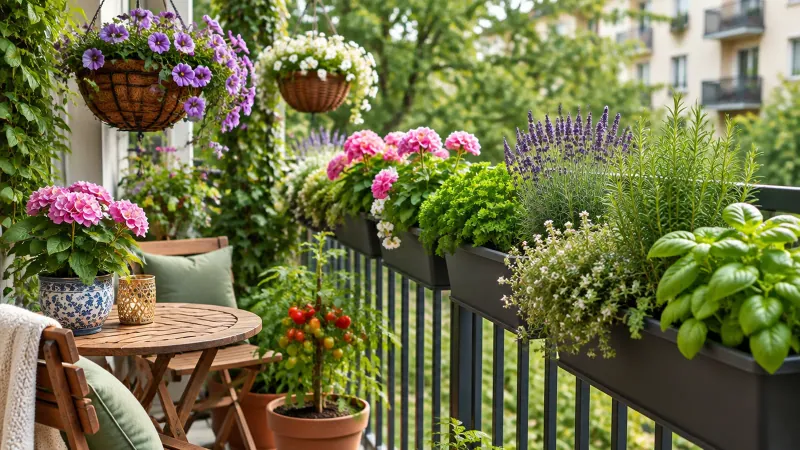
Use a pot or window box at least 6 inches deep with drainage. Fill with potting mix, sow or transplant at the right spacing and water regularly, since pots dry out quickly. Move containers into afternoon shade as weather warms, or tuck them into a tiered stand; see vertical vegetable garden ideas for stacked planters and towers. Our list of vegetables to grow in containers has more pot crops. Lettuce also grows well in water systems; see our guide to hydroponic lettuce.
Companions
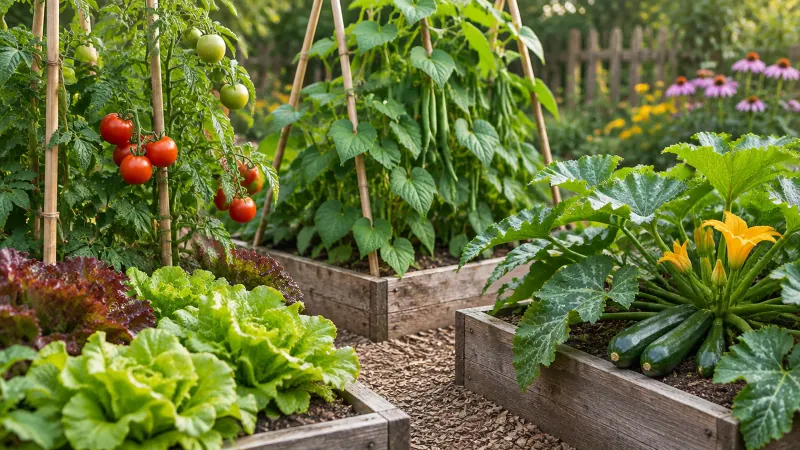
Lettuce grows well beside radishes, carrots, chives and taller crops such as tomatoes, which shade it in summer. Taller crops such as tomatoes provide welcome summer shade.
Pests and problems
| Problem | Cause | Fix |
|---|---|---|
| Slugs and snails | Moist conditions | Hand pick at dusk; use barriers or traps |
| Aphids | Soft new growth | Rinse with water; soap spray |
| Bolting | Heat, long days | Shade; resow; use slow-bolt types |
| Bitter leaves | Heat, drought | Water evenly; harvest early |
| Tipburn | Calcium problems, fast growth | Steady water; avoid excess nitrogen |
| Downy mildew | Cool, wet weather | Space plants; water at the base |
| Rabbits and deer | Hungry wildlife | Fence or cover |
Harvesting and storing
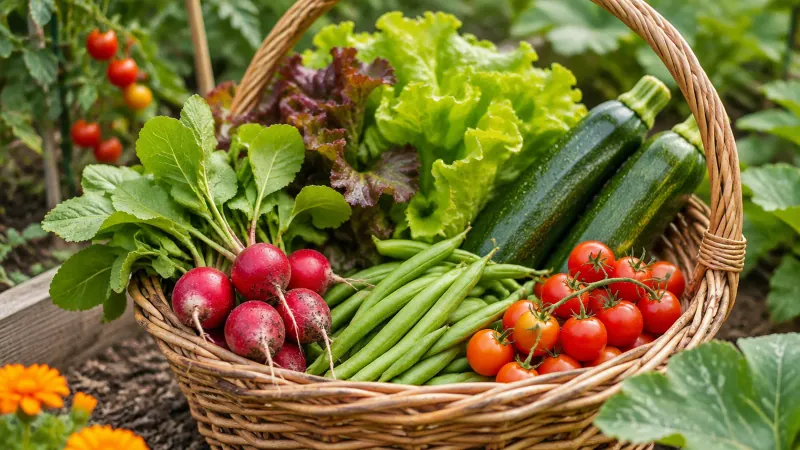
Harvest in the morning when leaves are crisp. Rinse, spin dry and store in the fridge in a container lined with a paper towel for up to a week. Cooling lettuce quickly helps keep it fresh.
Pets
Lettuce is not on the ASPCA list, so use ordinary caution. Check any companion plants you grow nearby, and keep slug baits and pesticides away from pets.
Quick lettuce tips
Pick a variety for the season: heat-tolerant types for late spring, cold-tolerant types for fall. Sow a few seeds every week rather than a whole packet at once, and harvest young. Plant a row beside slower crops such as peppers, and by the time they spread, the lettuce is gone.
Frequently asked questions
When should I plant lettuce?
Sow lettuce in cool weather: in early spring, as soon as the soil can be worked, and again in late summer or fall. It grows best at 45 to 75°F and bolts in heat. In mild-winter areas it grows through winter. Sow a short row every two weeks for a continuous supply.
How do I harvest lettuce so it keeps growing?
Use the cut-and-come-again method: cut outer leaves about an inch above the base, leaving the center growing, or cut the whole plant 1 to 2 inches above the soil. Plants regrow in a couple of weeks. Do this before plants bolt. Loose-leaf varieties work best for repeated harvests.
Why is my lettuce bitter?
Bitterness usually comes from heat, drought stress or bolting, which makes lettuce produce a milky, bitter sap. Plant in cool weather, give afternoon shade in warm spells, keep soil evenly moist and harvest before plants send up a flower stalk. Harvest in the morning and chill leaves promptly.
Can I grow lettuce in pots?
Yes. Lettuce has shallow roots and does well in containers at least 6 inches deep. Fill with potting mix, sow seeds thinly or set transplants about 6 inches apart, and keep soil evenly moist. Place pots where they get morning sun and afternoon shade in warm weather. Containers are great for cut-and-come-again harvests.
How far apart should I plant lettuce?
Space loose-leaf lettuce 4 to 6 inches apart and head lettuce such as romaine or butterhead 8 to 12 inches apart. For baby leaves, sow thickly in a band and harvest young. Thin seedlings early, since crowded plants grow slowly and are more prone to disease.