Vegetable Companion Planting Chart
On this page
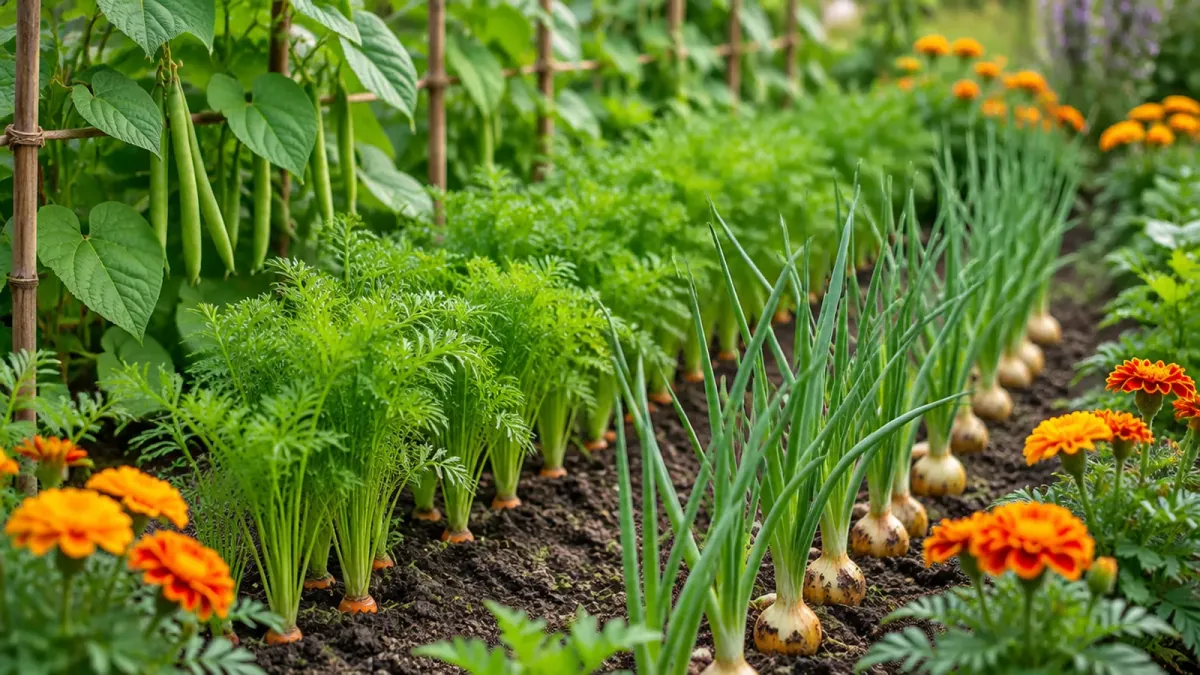
In a vegetable companion planting chart, good pairings include tomatoes with basil, carrots with chives, cucumbers with nasturtiums and corn with beans and squash, while fennel, and onions near beans or peas, are traditional bad neighbors. Some benefits, such as flowers attracting pest predators, are well supported; others are traditional, so use the chart as a guide, not a rule.
How to use this chart
Companion planting is as much tradition as science. Some pairings work because plants fill different spaces, such as tall with short, deep-rooted with shallow-rooted, or shade-lovers under taller crops. Others help by attracting beneficial insects or confusing pests. Many claims about scent or flavor have little evidence. Use the chart as a starting point, watch your own garden and adjust. For more small-space growing guides, visit our vegetables and small-space gardening hub.
Vegetable companion planting chart
| Vegetable | Good companions | Keep apart | Why |
|---|---|---|---|
| Tomatoes | Basil, parsley, chives, carrots, marigolds, nasturtiums, borage, lettuce | Brassicas, fennel, corn, potatoes | Basil shares conditions; flowers attract beneficials |
| Peppers | Basil, onions, carrots, parsley | Fennel, brassicas | Similar warm needs |
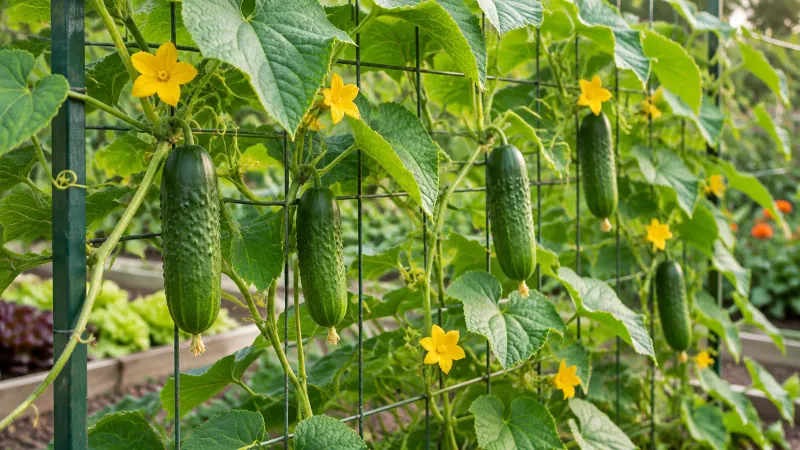
| Cucumbers | Nasturtiums, radishes, dill, beans, sunflowers | Potatoes, aromatic herbs such as sage | Radishes and nasturtiums may deter cucumber beetles |
| Squash and zucchini | Nasturtiums, corn, beans, marigolds | Potatoes | Three sisters; flowers attract pollinators |
| Corn | Beans, squash, cucumbers | Tomatoes | Beans climb corn; fix nitrogen |
| Beans (pole) | Corn, carrots, cucumbers, marigolds | Onions, garlic, fennel | Corn gives support |
| Peas | Carrots, radishes, turnips, lettuce, mint | Onions, garlic | Peas fix nitrogen |
| Carrots | Chives, onions, leeks, rosemary, sage, lettuce | Dill (when mature), fennel | Alliums may confuse carrot flies |
| Lettuce | Carrots, radishes, onions, strawberries, tall crops | Few | Tall crops give shade |
| Spinach | Peas, strawberries, radishes | Few | Cool-season partners |
| Radishes | Lettuce, peas, cucumbers, carrots | Hyssop | Quick crop between slower ones |
| Onions and garlic | Carrots, beets, lettuce, tomatoes, brassicas | Peas, beans | Strong scent; take little room |
| Cabbage family | Onions, dill, thyme, sage, chamomile, nasturtiums | Strawberries, tomatoes | Aromatic herbs and flowers may confuse pests |
| Potatoes | Beans, corn, cabbage, horseradish | Tomatoes, squash, cucumbers | Avoid shared diseases |
| Beets | Onions, lettuce, kohlrabi | Pole beans | Different root depth |
| Strawberries | Spinach, lettuce, borage, thyme | Cabbage family | Borage may attract pollinators |
| Eggplant | Beans, peppers, thyme | Fennel | Similar needs |
Why companion planting can work
Attracting beneficial insects
Flowers and herbs such as dill, fennel, cilantro, alyssum, marigold and calendula supply nectar and pollen for hoverflies, lacewings, ladybugs and parasitic wasps, which prey on aphids and caterpillars. This is among the best-supported benefits. See our guide to beneficial insects for the garden.
Using space well
Pairing fast crops such as radishes and lettuce with slow crops such as tomatoes or carrots uses the same space twice. Tall crops provide shade for cool-season greens in summer.
Supporting climbers
Corn and sunflowers can support pole beans and cucumbers, reducing the need for trellises.
Confusing or trapping pests
Some strongly scented plants may mask crops from pests, and trap crops such as nasturtiums draw aphids away. Evidence is mixed, so treat these as bonuses. See our guide to herbs that repel insects for what the evidence says.
The three sisters
Corn, beans and squash grown together is a traditional Native American method. Plant corn first, add pole beans when the corn is about 6 inches tall, and squash a little later. Corn supports the beans, beans add nitrogen in association with root bacteria, and squash leaves shade soil and suppress weeds. It needs a sunny plot with enough room and suitable varieties.
Herbs as companions
Herbs are the best all-round companions because they take little space, attract beneficial insects and can be eaten. Basil with tomatoes, chives with carrots and roses, dill with cabbage family crops and parsley with asparagus are classic. See our guide to herb companion planting for how herbs combine with each other.
Companion planting for tomatoes
Tomatoes are the most popular subject. Good companions include basil, parsley, chives, carrots, marigolds, nasturtiums and borage. Avoid planting them near brassicas, fennel or corn, and don’t plant tomatoes where potatoes or tomatoes grew last year. See our guide to companion plants for tomatoes for details.
Simple companion planting layouts
| Layout | How |
|---|---|
| Interplanting rows | Alternate rows of lettuce or radish with slower crops |
| Border planting | Edge beds with marigolds, nasturtiums, alyssum and chives |
| Trap crop corner | Plant nasturtiums at the edge of beds to attract aphids |
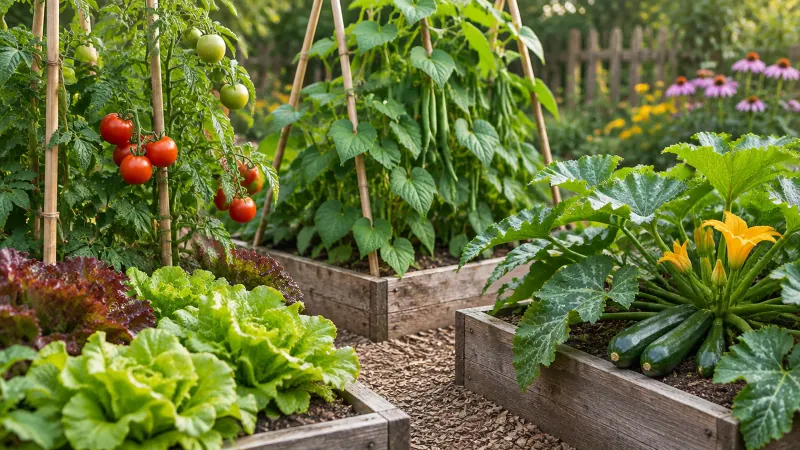
| Under tall crops | Plant lettuce or spinach in the shade of tomatoes or beans |
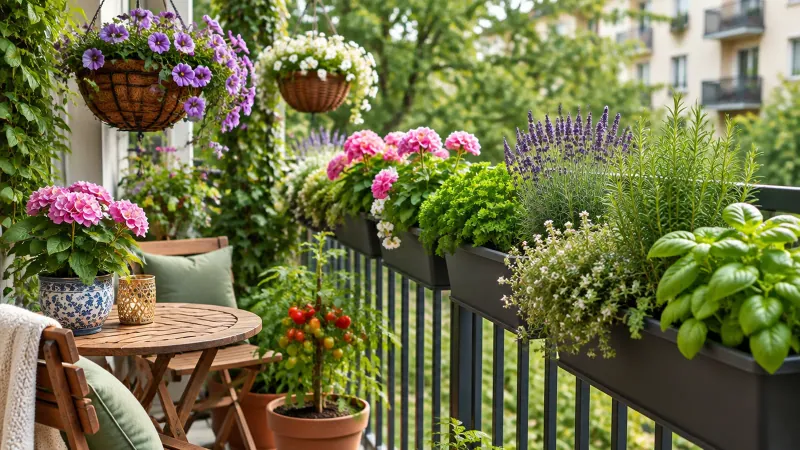
| Container pairing | Tomato with basil and a trailing nasturtium in a large pot |
Companion plants that help others
| Plant | What it may do | Good with |
|---|---|---|
| Marigolds | Attract hoverflies; may deter some nematodes | Tomatoes, peppers, cucumbers |
| Nasturtiums | Act as a trap crop for aphids; edible | Squash, cucumbers, brassicas |
| Borage | Attracts bees and beneficial insects | Tomatoes, strawberries, squash |
| Alyssum | Feeds hoverflies and parasitic wasps | Most vegetable beds |
| Dill and cilantro | Flowers feed beneficial insects | Brassicas, carrots |
| Beans and peas | Fix nitrogen in association with soil bacteria | Corn, brassicas, carrots |
| Tall sunflowers or corn | Provide shade and support | Lettuce, cucumbers, beans |
| Chives and garlic | Strong scent may confuse some pests | Roses, carrots, tomatoes |
Bad neighbors explained
Most “bad neighbor” advice has a practical reason. Plants that share the same diseases, such as potatoes and tomatoes, spread blight to each other. Heavy feeders crowded together compete for nutrients. Fennel releases compounds that can slow the growth of nearby plants. Onions and garlic may stunt peas and beans in some gardens, though results vary. Tall crops can also shade out sun-loving neighbors, which isn’t a chemical effect at all.
A sample companion planting plan for a 4 by 8 foot bed
| Row | Plants |
|---|---|
| North row (back) | Pole beans on a trellis with cucumbers; sunflowers at the corner |
| Second row | Tomatoes (staked) with basil at the base |
| Third row | Carrots interplanted with chives and radishes |
| South row (front) | Lettuce and spinach in the shade; marigolds and nasturtiums along the edge |
This puts tall crops on the north so they don’t shade the rest, pairs plants with similar needs and edges the bed with flowers for beneficial insects. Adjust to your climate and what you eat; see our vertical vegetable garden ideas for trellis designs and how to grow cucumbers vertically.
Tracking what works in your garden
Because results vary with climate and soil, keep notes on each pairing you try: what you planted together, how both crops performed, and what pests appeared. After a season or two you will know which combinations earn their space. If a pairing doesn’t help, move on without regret; good soil, even watering and crop rotation will do far more for your harvest than any single companion.
Mistakes to avoid
- Overcrowding. Companions still need space and airflow.
- Relying on myths. A traditional pairing isn’t a pest control plan.
- Ignoring needs. Pair plants with similar sun and water needs.
- Forgetting rotation. Rotate families each year to reduce disease.
- Aggressive neighbors. Mint and other spreaders can take over; grow them in pots.
Companion planting and crop rotation
Companion planting works alongside crop rotation. Move plant families to a different bed each year, in a cycle of at least three years, so soil-borne diseases and pests don’t build up. Group beans and peas (legumes), brassicas, tomatoes and relatives (nightshades), squash and cucumbers (cucurbits) and roots in separate beds, and rotate them. Our guide to vegetable gardening for beginners shows how to plan beds.
Frequently asked questions
What is companion planting?
Companion planting is growing different plants close together so they help each other, for example by attracting beneficial insects, shading soil, supporting climbers or making better use of space. Some effects are well supported, such as flowers attracting predators of pests. Others are traditional, with limited evidence. It works best as one of several tools, not a guarantee.
What vegetables should not be planted together?
Common advice is to keep onions and garlic away from peas and beans, fennel away from most vegetables, brassicas away from strawberries and tomatoes, and potatoes away from tomatoes (they share diseases) and from squash. Walnut trees produce juglone that harms tomatoes and other plants. Treat these as cautions, not strict rules.
What are good companion plants for tomatoes?
Basil, parsley, chives, carrots, marigolds, nasturtiums, borage and lettuce are traditional tomato companions. Basil shares tomatoes’ warm, sunny conditions, and flowers such as marigolds and borage attract pollinators and beneficial insects. Keep brassicas, fennel and corn away, and avoid planting tomatoes where potatoes recently grew.
Does companion planting really work?
Partly. Some benefits are well documented: flowering plants attract pest predators, diverse plantings can reduce pest outbreaks, and tall plants shade cool-season crops. Claims that scent hides crops from pests or improves flavor are mostly traditional and results vary. Companion planting is worth trying but should not replace good soil, watering and pest monitoring.
What is the three sisters method?
The three sisters is a traditional Native American method of growing corn, beans and squash together. Corn gives beans a pole to climb, beans add nitrogen to the soil in association with root bacteria, and squash leaves shade the ground to suppress weeds and hold moisture. It works best on large, sunny plots with suitable varieties.