Beneficial Insects for the Garden
On this page
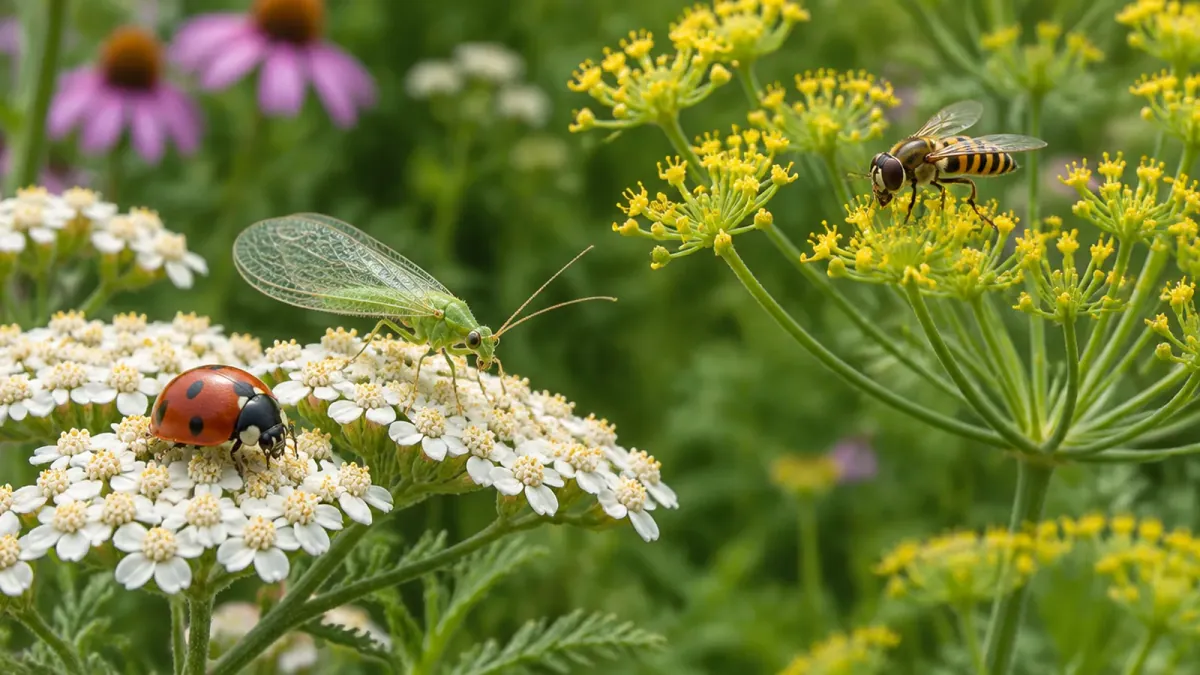
Beneficial insects, such as ladybugs, lacewings, hoverflies, parasitic wasps, ground beetles and pollinating bees, eat or parasitize garden pests or pollinate crops. Attract them with a steady supply of small, open flowers, shelter and water, and protect them by avoiding broad-spectrum pesticides and tolerating a few pests.
Why beneficial insects matter
A garden is an ecosystem. Plant-eating insects, such as aphids, caterpillars and mites, are food for predators and parasites that keep their numbers in check. When you spray broad-spectrum insecticides, you kill both pests and helpers, and pests often rebound faster than predators. Building habitat for beneficial insects gives long-term, low-cost pest control. For more guides, visit our garden care hub.
12 beneficial insects and what they do
| Insect | What it does | Eats or helps with |
|---|---|---|
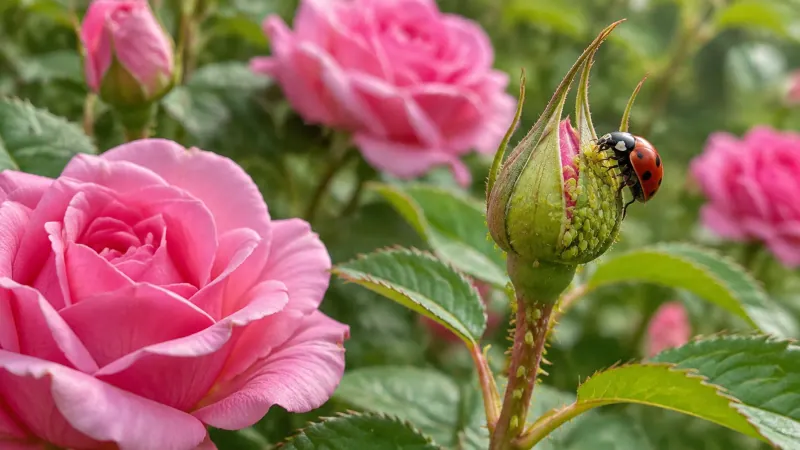
| Ladybugs (lady beetles) | Adults and larvae are predators | Aphids, mites, small soft-bodied pests |
| Green lacewings | Larvae are “aphid lions” | Aphids, mites, small caterpillars, thrips |
| Hoverflies (syrphid flies) | Larvae are predators; adults pollinate | Aphids |
| Parasitic wasps (tiny) | Lay eggs in pests | Aphids, caterpillars, whiteflies |
| Ground beetles | Hunt at night on the soil | Slugs, cutworms, root maggots |
| Soldier beetles | Adults and larvae feed on pests | Aphids, caterpillars, grubs |
| Minute pirate bugs | Tiny predators | Thrips, mites, small caterpillars |
| Predatory mites | Eat pest mites | Spider mites |
| Assassin bugs | Predators | Many insects, but also some beneficial ones |
| Praying mantises | Generalist predators | Many insects, including helpers |
| Spiders | Predators | Flies, moths, beetles |
| Bees and other pollinators | Pollinate crops and flowers | Fruit and seed set |
Praying mantises and assassin bugs eat anything they can catch, including other beneficials, so they are fun but not targeted pest control.
Ladybugs
Both the spotted adults and the alligator-like larvae eat aphids. A single larva may consume many aphids as it develops. Look for yellow egg clusters on the undersides of leaves. See our guide to how to get rid of aphids naturally.
Lacewings
Adults are delicate, green, with lacy wings, and feed on nectar and pollen. The larvae are voracious predators of aphids and other soft-bodied pests.
Hoverflies
Hoverflies look like small bees or wasps, but they don’t sting. Adults hover at flowers, feed on nectar and pollinate, while their slug-like larvae eat aphids.
Parasitic wasps
These tiny wasps are harmless to people. They lay eggs in or on pests such as aphids, whiteflies and caterpillars, and the developing larvae kill the host. Look for bloated, bronze “mummified” aphids, a sign that parasites are at work. Leave them alone.
Ground beetles
Ground beetles hide under stones, mulch and leaf litter, and hunt at night for slugs, snails, cutworms and other pests. Keep some undisturbed ground cover and avoid heavy tilling to protect them.
Plants that attract beneficial insects
Many adult beneficials need nectar and pollen, and small, open flowers give easy access.
| Plant | Attracts |
|---|---|
| Sweet alyssum | Hoverflies, parasitic wasps |
| Dill and fennel | Lacewings, hoverflies, parasitic wasps, ladybugs |
| Yarrow | Lacewings, ladybugs, hoverflies |
| Cosmos | Hoverflies, lacewings, ladybugs |
| Calendula | Hoverflies, ladybugs |
| Cilantro and parsley (in flower) | Lacewings, hoverflies, parasitic wasps |
| Zinnias and marigolds | Many pollinators and predators |
| Goldenrod and asters | Late-season predators and pollinators |
| Buckwheat and clover | Hoverflies and parasitic wasps; good cover crops |
| Mints and thyme (in flower) | Many small beneficials |
Pairing flowers with vegetable beds brings helpers close to pests. Our lists of bee-friendly flowers and the companion planting chart show good partners.
Habitat and shelter
| Need | How to provide it |
|---|---|
| Food | Continuous bloom from spring to fall |
| Water | A shallow dish with pebbles |
| Shelter | Leaf litter, logs, stones, ground covers, perennial borders |
| Overwintering | Leave some stems and leaves standing in fall |
| Nesting | Bare soil patches and hollow stems for solitary bees |
| Corridors | Hedgerows and flower strips link habitats |
Protect your helpers
- Avoid broad-spectrum insecticides, including many “natural” sprays, which also kill beneficials.
- If you must spray, choose the narrowest product, spray in the evening when bees are not active and avoid flowers.
- Tolerate a few pests. A small aphid population feeds predators and keeps them around.
- Don’t clean up too thoroughly, since beneficial insects overwinter in leaf litter and stems.
- Reduce tilling, which disrupts ground-dwelling insects.
- Use mulch, which shelters ground beetles.
For gentler pest options, see our guides to neem oil for plants and homemade pest control for plants, and remember that even gentle sprays can harm helpers if sprayed directly.
Buying beneficial insects
Mail-order lacewing eggs, predatory mites and parasitic wasps are used in greenhouses and sometimes in gardens. They work best in enclosed spaces where they cannot fly away, and where you have a known pest problem. For outdoor gardens, building habitat is usually more reliable and cheaper.
How to recognize helpers vs pests
| Looks like | Usually |
|---|---|
| Alligator-like black and orange larvae | Ladybug larvae, a helper |
| Spiny, flat green larvae with pincers | Lacewing larvae, a helper |
| Flies that hover near flowers, bee-like but no sting | Hoverflies, helpers |
| Bronze, swollen aphids | Parasitized aphids; leave them |
| Dark beetles under stones | Ground beetles, helpers |
| Chewing caterpillars with white eggs on their backs | Parasitized by wasps; leave them |
If in doubt, look it up before you spray.
Pets and plants
Several plants that attract beneficial insects are on ASPCA lists: yarrow is listed as toxic to dogs and cats, while dill, fennel, sweet alyssum and calendula are listed as non-toxic. Cosmos is not on the ASPCA list, so use caution if pets chew plants. Keep pets away from any sprays until they dry.
Frequently asked questions
What are beneficial insects?
Beneficial insects are insects that help gardeners, either by eating or parasitizing pests (predators and parasitoids) or by pollinating plants. Ladybugs, lacewings, hoverflies, ground beetles and parasitic wasps are examples. A garden with plenty of them often needs fewer pesticides, because natural enemies keep many pests in check.
How do I attract beneficial insects to my garden?
Plant a variety of flowers that bloom through the season, especially small-flowered plants such as alyssum, dill, yarrow and cosmos. Provide water, shelter such as leaf litter and undisturbed corners, and avoid broad-spectrum pesticides, which kill helpers along with pests. Tolerating a few pests gives predators something to eat.
Should I buy ladybugs for my garden?
It often disappoints. Purchased ladybugs tend to fly away within days, and those sold in stores are usually collected from the wild. A better approach is to attract native ladybugs by planting pollen- and nectar-rich flowers, tolerating some aphids and avoiding pesticides. Releasing them in the evening after watering plants helps if you do buy them.
Are all insects in the garden bad?
No. Most insects are harmless or helpful. Many are pollinators, predators or decomposers. Before spraying, identify what you see, because some insects that look scary are helpers. Removing pests by hand or with water often does less harm than spraying, and protecting your beneficial insects saves work over time.
Do beneficial insects need flowers?
Yes, most adults of beneficial species such as hoverflies, lacewings and parasitic wasps feed on nectar and pollen, even though their young eat pests. Plants with small, open flowers, such as members of the carrot and daisy families, give accessible food. A garden with continuous bloom keeps them around.