How to Get Rid of Aphids Naturally
On this page
To get rid of aphids naturally, spray them off with a strong jet of water, remove heavily infested tips, spray insecticidal soap or a mild soap solution on the rest, repeat every few days and encourage ladybugs, lacewings and hoverflies. Avoid heavy nitrogen feeding and control ants, which protect aphids.
What are aphids?
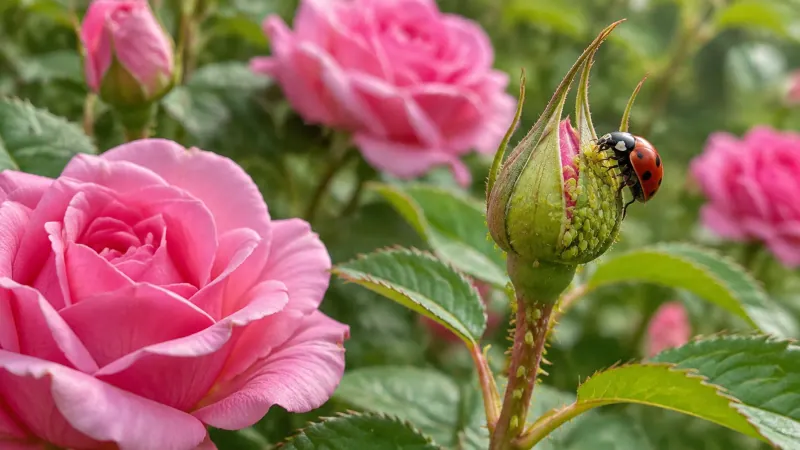
Aphids are small, soft-bodied, pear-shaped insects, usually 1 to 3 millimeters long, in green, black, yellow, brown or white. They cluster on new shoots, buds and leaf undersides and suck sap, which causes curled, distorted leaves and stunted growth. They excrete sticky honeydew, which can lead to black sooty mold and attract ants. Some species also spread plant viruses. For more guides, visit our garden care hub.
How to spot aphids
| Sign | What it means |
|---|---|
| Clusters of tiny insects on new growth | Aphids feeding |
| Curled, puckered or yellow leaves | Feeding damage |
| Sticky leaves and surfaces | Honeydew |
| Black, sooty coating | Mold growing on honeydew |
| Ants running up stems | Ants farming aphids |
| White shed skins | Aphids molting |
| Stunted shoots and buds | Heavy infestation |
Natural ways to get rid of aphids
1. Spray them off with water
A strong jet of water from the hose knocks aphids off, and many cannot get back. Spray in the morning so leaves dry, and repeat every two to three days for a week or two. This is the simplest, cheapest method and works well on sturdy plants.
2. Wipe or squish them
On small plants, wipe aphids off with a damp cloth or your fingers, or pinch off badly infested shoot tips and dispose of them in the trash.
3. Insecticidal soap
Insecticidal soaps are made from fatty acid salts and kill soft-bodied pests on contact. Follow the label, spray thoroughly (especially undersides of leaves), repeat every five to seven days and avoid spraying in hot sun. Test a few leaves first.
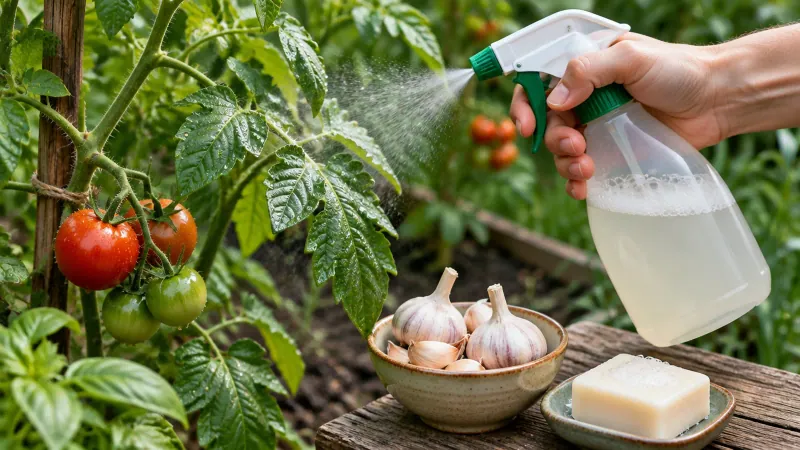
4. Homemade soap spray
A mild solution of about 1 teaspoon of pure liquid soap in 1 quart of water can work. Use a mild soap without degreasers, bleach or antibacterial additives, test first and don’t use on stressed plants or in hot weather. Rinse with plain water after a few hours if plants look stressed.
5. Neem oil
Neem oil can reduce aphid numbers and feeding, but works best repeatedly and early. See our guide to neem oil for plants for safe use.
6. Rubbing alcohol (for houseplants)
On houseplants, dab small colonies with a cotton swab dipped in rubbing alcohol. Test on a leaf first, since some plants are sensitive. See our guide to houseplant pests.
7. Prune and discard
Cut off badly infested stems and bag them. This removes many aphids and reduces spread.
Treatments compared
| Method | Speed | Effect on helpful insects | Notes |
|---|---|---|---|
| Water spray | Quick | Minimal | Start here; repeat |
| Hand removal | Quick | Minimal | Good for small plants |
| Insecticidal soap | Quick on contact | Can harm if sprayed directly | Repeat; avoid blooms |
| Homemade soap spray | Quick on contact | Can harm if sprayed directly | Test first; mild soap only |
| Neem oil | Slower | Can harm if sprayed directly | Repeat; evening use |
| Pruning | Immediate | None | For localized infestations |
| Beneficial insects | Slow but lasting | Helps | Best long-term approach |
Attract natural enemies
Aphids have many predators. Encourage them rather than spraying everything.
| Helper | What it does |
|---|---|
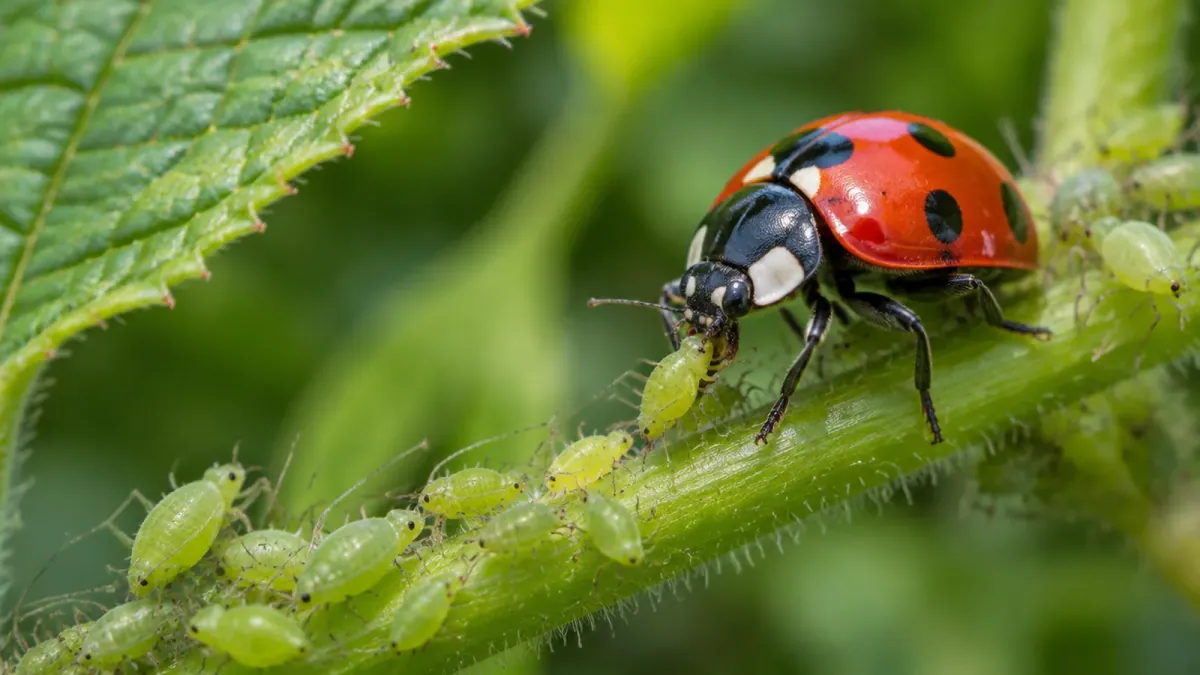
| Ladybugs (adults and larvae) | Eat many aphids |
| Lacewings (larvae) | Voracious aphid eaters |
| Hoverfly larvae | Eat aphids; adults pollinate |
| Parasitic wasps | Lay eggs in aphids; leave “mummies” |
| Soldier beetles | Eat aphids |
| Birds | Eat many insects |
Plant nectar-rich flowers, including sweet alyssum, dill, yarrow, calendula and cosmos, and avoid broad-spectrum pesticides. See our guide to beneficial insects for the garden. Buying ladybugs often disappoints, because they fly away, so attracting them with plants works better.
Control ants
Ants protect aphids from predators in return for honeydew. If ants are climbing your plants, aphids will persist. Block ants with sticky barriers on tree trunks, remove nests and clean up honeydew.
Prevent aphids
- Avoid heavy nitrogen fertilizer, which makes soft, aphid-friendly growth.
- Check plants regularly, especially new growth and undersides of leaves.
- Space plants for airflow.
- Use trap crops such as nasturtiums to draw aphids away, then remove them.
- Reflective mulch can confuse aphids on vegetables.
- Keep plants healthy with proper watering and soil care.
- Rotate crops in vegetable gardens.
- Wash new plants before bringing them near others.
For more on healthy soil, see our guide to how to improve garden soil.
Aphids on specific plants
| Plant | Tips |
|---|---|
| Roses | Rinse with water; encourage ladybugs; see pest control for rose plants |
| Vegetables | Remove infested leaves; cover seedlings; avoid heavy nitrogen |
| Fruit trees | Prune infested shoots; control ants |
| Houseplants | Isolate; wipe; spray with soap; repeat |
| Herbs | Rinse and wash before use; avoid oils on delicate leaves |
When to worry
Most aphid populations are manageable. Intervene early on young plants, seedlings and plants showing distorted growth. For large, widespread infestations, repeat treatments over several weeks.
Pets
Insecticidal soaps, neem oil and alcohol can irritate pets if licked or eaten. Keep pets away until sprays dry, and store products out of reach.
A simple weekly routine
| Day | Task |
|---|---|
| Day 1 | Rinse plants with water; prune badly infested tips |
| Day 3 | Check undersides; rinse again |
| Day 5–7 | Spray with insecticidal soap if aphids remain |
| Week 2 | Recheck; repeat soap if needed |
| Weeks 3–4 | Continue checking weekly; add flowers for beneficial insects |
Why aphids come back
Aphids reproduce quickly, and many are born live and already pregnant. A few missed on the undersides of leaves can rebuild a colony in days. Winged forms fly in from other plants. That is why repeated treatments, early detection and encouraging natural predators matter. Check the tips of shoots and the undersides of leaves weekly during the growing season, and act as soon as you see a small cluster.
Aphid colors and what they target
| Color | Common plants |
|---|---|
| Green | Roses, peppers, many vegetables |
| Black | Beans, nasturtiums, cherries |
| Gray or woolly | Apples, some trees |
| Yellow | Milkweed |
| Brown and orange | Various ornamentals |
Identifying the aphid helps you understand where it came from, but treatments are similar for most.
Frequently asked questions
What is the fastest way to get rid of aphids?
Knock them off with a strong spray of water, which removes many at once, and repeat every few days. For heavier infestations, spray thoroughly with insecticidal soap, covering undersides of leaves. Pinch off badly infested tips. Repeat treatments are needed, since survivors and new arrivals can quickly rebuild populations.
Does dish soap kill aphids?
A mild solution of liquid soap and water can kill aphids on contact by breaking down their protective coating, and many gardeners use about 1 teaspoon per quart of water. However, dish detergents vary and can damage some plants, so test first on a few leaves, and avoid using it in hot sun. Commercial insecticidal soap is formulated to be safer.
What attracts aphids to my plants?
Aphids are attracted to soft, lush new growth, which is often caused by heavy nitrogen fertilizer. Stressed plants, crowded plants and plants that ants protect are also more prone to attack. Ants farm aphids for their honeydew, so controlling ants helps. Healthy, balanced plants suffer less.
What eats aphids?
Ladybugs and their larvae, lacewing larvae, hoverfly larvae, parasitic wasps, soldier beetles and some birds all eat aphids. Planting flowers such as alyssum, dill, yarrow and cosmos attracts these helpers, and avoiding broad-spectrum pesticides protects them. A healthy garden often lets beneficial insects take care of aphids.
Will aphids go away on their own?
Sometimes, if natural enemies move in, but populations can explode quickly, so don’t count on it. Check plants regularly. Light infestations can be handled by hand or with water, and early action prevents sticky honeydew, sooty mold and distorted growth. If ants are present, aphids tend to persist.