Neem Oil for Plants: How and When to Use It
On this page
Neem oil is a plant-based product used to control soft-bodied pests such as aphids, mites and whiteflies and some fungal diseases such as powdery mildew. Mix it with a little mild soap according to the label, test on a few leaves, spray tops and undersides in the evening and repeat every 7 to 14 days. Avoid use in heat and on blooming plants visited by bees.
What is neem oil?
Neem oil is pressed from the seeds of the neem tree (Azadirachta indica). It contains compounds such as azadirachtin that deter feeding and disrupt the growth and reproduction of many insects, and the oil also coats and smothers soft-bodied pests and fungal spores. It is used by organic gardeners, though “natural” does not mean harmless, so use it with care. For more guides, visit our garden care hub.
What neem oil can and cannot do
| Works on (when applied properly) | Doesn’t work well on |
|---|---|
| Aphids, mealybugs, whiteflies | Large pests such as caterpillars (limited effect) |
| Spider mites and thrips | Beetles with hard bodies (limited effect) |
| Scale insects (young stages) | Established, heavy infestations |
| Powdery mildew, black spot, rust | Soilborne diseases |
| Preventing some pests on vulnerable plants | Pests hidden under bark or in roots |
Neem oil works best early and repeatedly. It is not a quick knockdown product, and results vary by pest and conditions. Combine it with other methods, such as water sprays and removing damaged leaves. See our guides to how to get rid of aphids naturally and houseplant pests.
Types of neem products
| Product | What it is | Notes |
|---|---|---|
| Cold-pressed neem oil (raw) | Whole oil, needs emulsifier | Solidifies when cool; warm to liquefy |
| Clarified hydrophobic neem oil | Processed oil, often with azadirachtin removed | Works mainly as an oil that smothers |
| Ready-to-use sprays | Pre-mixed | Convenient; follow the label |
| Concentrates | Mixed with water | Cost-effective for larger areas |
| Neem seed meal or cake | Soil amendment | Different use; not a spray |
Check the label: some products are not approved for edible crops, and concentrations differ.
How to mix neem oil
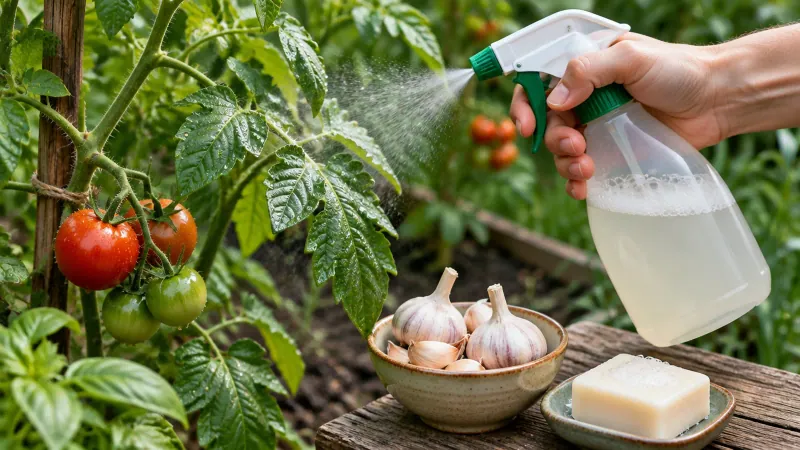
Always follow the label of the product you buy. A commonly used home recipe is:
- 1 to 2 teaspoons of neem oil
- About 1 teaspoon of mild liquid soap (as an emulsifier)
- 1 quart of warm water
- Warm the neem oil if it has solidified.
- Add soap to warm water and mix.
- Add neem oil and shake well.
- Use immediately, since the mixture separates and loses strength after a few hours.
Use a mild, plain soap without degreasers, and make small batches. Some plants are sensitive to soap, so test first.
How to apply neem oil
- Test first: spray a few leaves and wait 24 to 48 hours to check for leaf damage.
- Choose the time: early morning or evening, or on a cool, overcast day. Avoid hot weather above about 90°F, and don’t spray in direct sun.
- Shake the sprayer often, since the oil separates.
- Spray thoroughly, covering tops and undersides of leaves and stems until they drip.
- Repeat every 7 to 14 days as needed.
- Stop when the pest problem is controlled, or before harvest as the label directs.
Wear gloves and eye protection when mixing and spraying, and wash hands afterward.
When to use neem oil
| Situation | Approach |
|---|---|
| First signs of aphids or mites | Spray soon and repeat weekly |
| Powdery mildew starting on leaves | Spray at the first sign; improve airflow |
| Houseplant pests | Test a leaf; apply out of direct sun; repeat |
| Preventive use on vulnerable plants | Monthly, where labels allow |
| Heavy infestation | Combine with pruning, water sprays and other methods |
When not to use neem oil
- In hot, sunny weather, which can burn leaves.
- On stressed plants, such as those in drought.
- On plants in bloom with bees visiting.
- Right before harvest, unless the label allows.
- On plants known to be sensitive, including some herbs with delicate leaves, young seedlings and some ferns and succulents. Test first.
- If it will run off into ponds or streams, since neem can harm aquatic life.
Protecting bees and beneficial insects
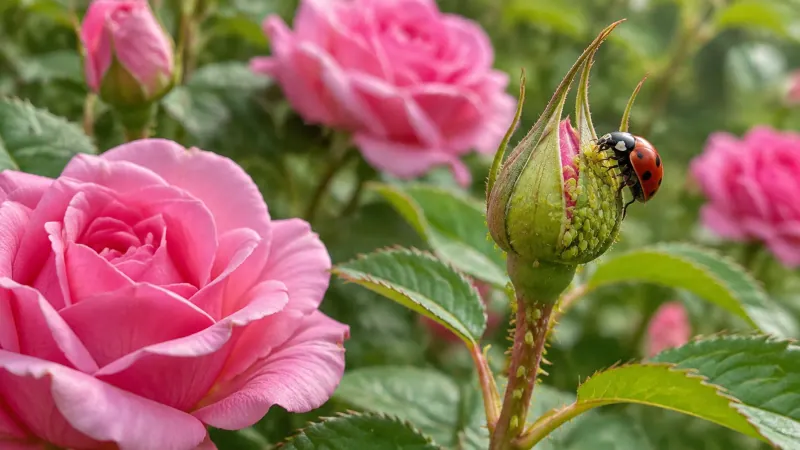
Neem oil is generally gentler than many insecticides, but it can still harm beneficials such as ladybugs, lacewings and bee larvae when sprayed directly. Apply in the evening when bees are inactive, avoid open flowers and let sprays dry before pollinators return. Learn about helpful insects in our guide to beneficial insects for the garden.
Neem oil for specific plants
| Plant group | Notes |
|---|---|
| Roses | Used against aphids and black spot; spray in the evening |
| Vegetables | Use only products labeled for food crops, and follow harvest waiting times |
| Houseplants | Test first; apply out of direct sun; keep pets away until dry |
| Fruit trees | Follow the label and avoid bloom time |
| Herbs | Delicate herbs can burn; test first |
See our guide to pest control for rose plants without chemicals for rose-specific options.
Safety and storage
- Read and follow the label.
- Keep neem oil away from children and pets.
- Store in a cool, dark place, tightly closed.
- Don’t mix with other pesticides unless the label allows.
- Wash produce before eating.
Pets
Neem oil can cause stomach upset or other problems if pets lick or eat it or treated plants, and cats are especially sensitive to some oils. Keep pets away until sprayed plants are dry, store the product out of reach and call your vet if your pet has swallowed some.
Frequently asked questions
What does neem oil do for plants?
Neem oil is a plant-derived product used against many soft-bodied pests such as aphids, mealybugs, whiteflies and spider mites, and against some fungal diseases such as powdery mildew. It acts mainly by coating pests, interfering with feeding and growth and, in some cases, smothering them. It works best on small infestations and when used repeatedly.
How do I mix and apply neem oil?
Follow the product label first, since concentrations vary. A common homemade mix is 1 to 2 teaspoons of neem oil and about 1 teaspoon of mild liquid soap per quart of water, shaken well and used right away. Test on a few leaves, then spray the tops and undersides in the evening, avoiding heat and bright sun.
How often should I use neem oil?
For active pest problems, many labels recommend applying every 7 to 14 days until the problem clears, and then monthly for prevention, but follow your product’s directions. Don’t spray more than the label allows, and avoid using it in hot weather or on stressed plants. Repeat applications are needed because eggs survive.
Is neem oil safe for bees and beneficial insects?
Neem oil is less harmful to bees than many synthetic pesticides, but it can still harm beneficial insects that are sprayed directly, including bee larvae and ladybugs. Apply in the evening when bees are not active, avoid spraying open flowers and don’t spray near hives or on plants in bloom that bees are visiting.
Can I use neem oil on edible plants?
Yes, if the product is labeled for edible crops, but follow the label’s directions on rates and the time to wait before harvesting, and wash produce well before eating. Some people dislike the smell or taste if sprayed shortly before harvest. Choose products that list neem oil as an approved use on food crops.