Garden Edging Ideas: Materials, Costs and Looks
On this page
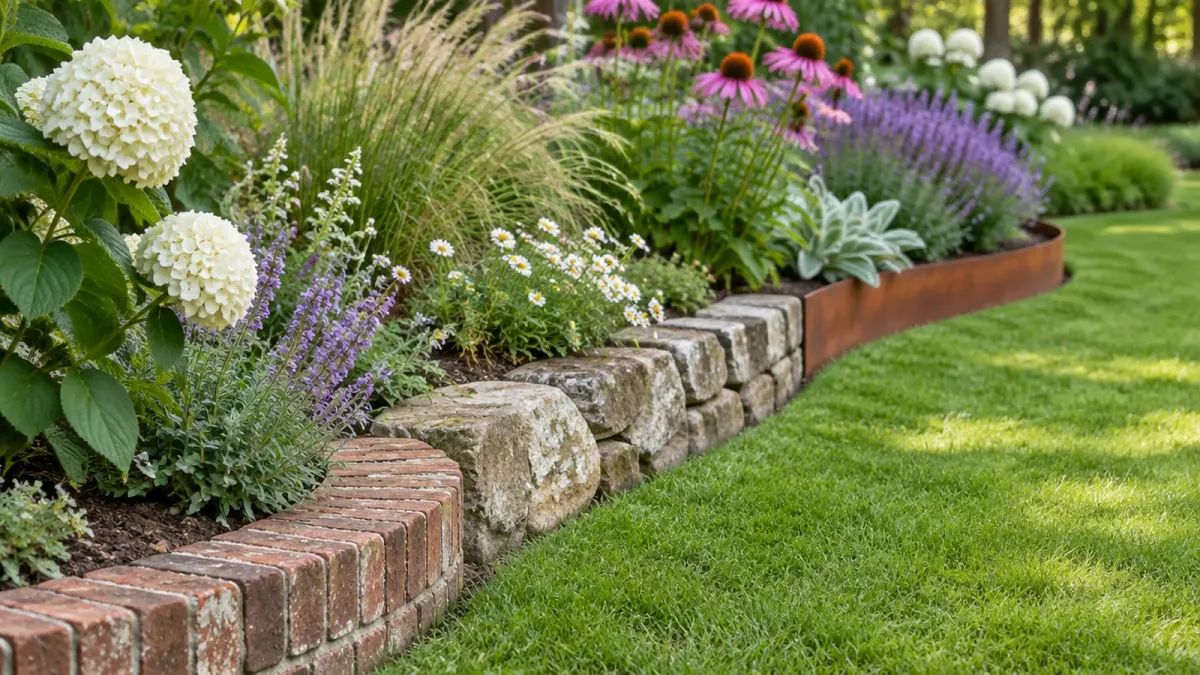
Garden edging ideas include steel and aluminum strips, brick, stone, wood, plastic and simple trench edges. Metal gives the cleanest, longest-lasting line, brick and stone give a classic, sturdy look, wood is natural but short-lived, plastic is low-cost and a dug edge costs only effort. Choose by style, durability, and how much you need to hold back grass.
What edging does
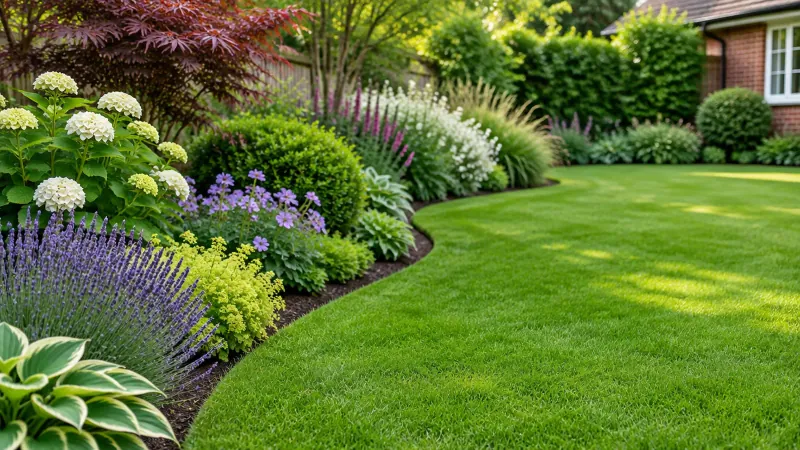
Edging separates beds from lawn and paths, keeps mulch in place, keeps grass out of borders and gives a neat finish. It can also guide mowing and highlight curves. The best edging suits your style and the job it must do. For more guides, visit our landscaping hub.
Edging materials compared
Costs here are relative (low, moderate, high) because prices vary by region and supplier.
| Material | Look | Relative cost | Lifespan | Best for |
|---|---|---|---|---|
| Steel or aluminum strip | Thin, modern line | Moderate | Many years | Curves, clean modern beds |
| Brick | Traditional, warm | Moderate to high | Many years | Formal beds, cottage gardens |
| Natural stone or fieldstone | Rustic, natural | Moderate to high | Very long | Informal and rock gardens |
| Pavers and concrete edging | Uniform, tidy | Moderate | Long | Mowing strips, paths |
| Wood (landscape timbers, boards) | Natural, rustic | Low to moderate | Years, varies by wood | Raised beds, straight lines |
| Plastic (rolled or rigid) | Plain, flexible | Low | Short to moderate | Budget and curves |
| Rubber (recycled) | Flexible, flat | Low to moderate | Moderate | Curves, playful areas |
| Natural trench | Soft, free | Very low | Needs yearly renewal | Casual beds |
| Living edges (plants) | Soft, green | Low | Long, with care | Cottage and herb gardens |
Metal edging
Steel and aluminum strips are thin, strong and disappear into the landscape. They bend into smooth curves and hold their line for years, and they block grass roots well when buried deep. Steel may rust to an attractive brown, while aluminum stays bright. Use stakes to hold sections and cover joints neatly.
Brick and stone edging
Bricks set on end or at an angle make a traditional border. Natural stones create a rustic look and can double as a low seat or step. Set them in a trench on a base of sand or gravel, and tamp firmly. Wider bricks or pavers also work as a mowing strip: a flat band flush with the soil that lets the mower wheel run along it.
Wood edging
Wood boards, logs and landscape timbers give a natural, simple look and suit raised beds. Choose rot-resistant types or treated wood designed for garden use, and keep in mind that wood will eventually rot in damp soil. Avoid old railroad ties, which may contain harmful preservatives, particularly near edible plants.
Plastic and rubber edging
These are lightweight, flexible and cheap, which makes them good for tight curves and large budgets. They can heave in frost or crack in sun, and cheaper ones look less refined. Choose thicker, UV-stable products and bury them well.
Natural and living edges
A trench edge is a V-shaped channel cut with a spade between lawn and bed, about 3 to 4 inches deep. It costs nothing and gives a crisp, natural line, but needs re-cutting once or twice a year. Living edges use low plants such as thyme, creeping sedum, lavender or box-like shrubs. See our list of ground cover plants for low-growing choices.
Edging for specific jobs
| Job | Good choices |
|---|---|
| Keep grass out of beds | Deep steel, thick plastic or buried brick |
| Hold mulch or gravel in | Steel, stone or wood at least 3 in high |
| Define a path | Brick, stone, pavers or steel; see garden path ideas |
| Make mowing easier | A flush paver or brick mowing strip |
| Circle a tree | Flexible metal, stone or brick; see landscaping around trees |
| Raised vegetable beds | Wood, stone or metal; see raised garden bed ideas |
| Curved beds | Steel, plastic, rubber or a trench |
| Formal beds | Brick, clipped hedges |
How to install edging
- Plan the line: lay out curves with a garden hose or rope, and view from several angles.
- Cut a trench along the line with a flat spade, matching the depth of your edging.
- Set a string line or level for straight sections.
- Place the edging: set it in the trench so the top is at the height you want.
- Backfill and pack the soil firmly on both sides, tamping as you go.
- Stake or secure metal and plastic at intervals, as directed.
- Mulch the bed up to the edging, and trim the lawn edge.
For stone or brick, put a few inches of compacted gravel and sand in the trench first. A rubber mallet and level help keep pieces even.
Mistakes to avoid
- Not burying edging deeply enough, so grass spreads underneath.
- Choosing a material that doesn’t suit curves.
- Leaving no room for the mower wheel.
- Using untreated wood for permanent edges in wet soil.
- Making sharp corners that are hard to mow.
- Skipping the base under brick or stone, which lets pieces shift.
Maintenance
Check edging each spring: reset heaved sections, cut back grass roots, refresh mulch and re-cut natural trenches. Keep soil from piling over the top edge, and replace broken pieces promptly.
Pets
Choose smooth edges without sharp corners if pets run through the yard. If you edge beds with plants, check each plant against the ASPCA list; for example, lavender is listed as toxic to dogs and cats, while thyme is listed as non-toxic.
Edging and weed control
Edging only helps with weeds if it is deep enough and if you maintain the strip beside it. Keep a narrow band of mulch or gravel on the bed side, trim lawn grass along the outer side and pull any grass runners that cross the barrier. Mowing strips set flush with the soil are especially useful, because the mower wheel runs on the paver and the blades cut right to the edge.
Frequently asked questions
What is the best material for garden edging?
It depends on your style, budget and soil. Steel and aluminum give a thin, clean line and last for years. Brick and stone are classic and durable but need more labor. Wood is natural but rots eventually, while plastic is cheap and flexible but looks less refined. A simple dug trench edge costs nothing but needs upkeep.
How deep should garden edging be installed?
For a barrier that stops grass spreading, bury edging at least 4 to 6 inches deep, with the top an inch or two above the soil. Decorative edging that doesn’t need to block roots can be shallower. Bury it deeper if you are fighting aggressive spreaders such as bermudagrass or running bamboo.
What is the cheapest garden edging?
A natural trench edge is the cheapest, since you only need a spade. Lightweight plastic or rolled edging is also low-cost. Reclaimed bricks, stones from your property and recycled materials can lower costs. Cost depends on your region, so compare local options before choosing, and factor in installation time.
How do I stop grass growing into flower beds?
Install a deep barrier edge, such as steel, thick plastic or a buried row of bricks, at least 4 to 6 inches deep, and keep a gap or mulch strip beside it. Trim the lawn edge regularly, and cut back any roots that cross the edge. A mowing strip of pavers also keeps the mower off the grass edge.
Can I install garden edging myself?
Yes. Most edging is a weekend project with basic tools: a spade, a rubber mallet, a level and a string line. Flexible materials are easiest, and rigid types such as brick or stone take more time. Plan the curve with a hose, dig a neat trench and tamp soil firmly on both sides.