Lawn Alternatives: Clover, Moss, Meadow and More
On this page
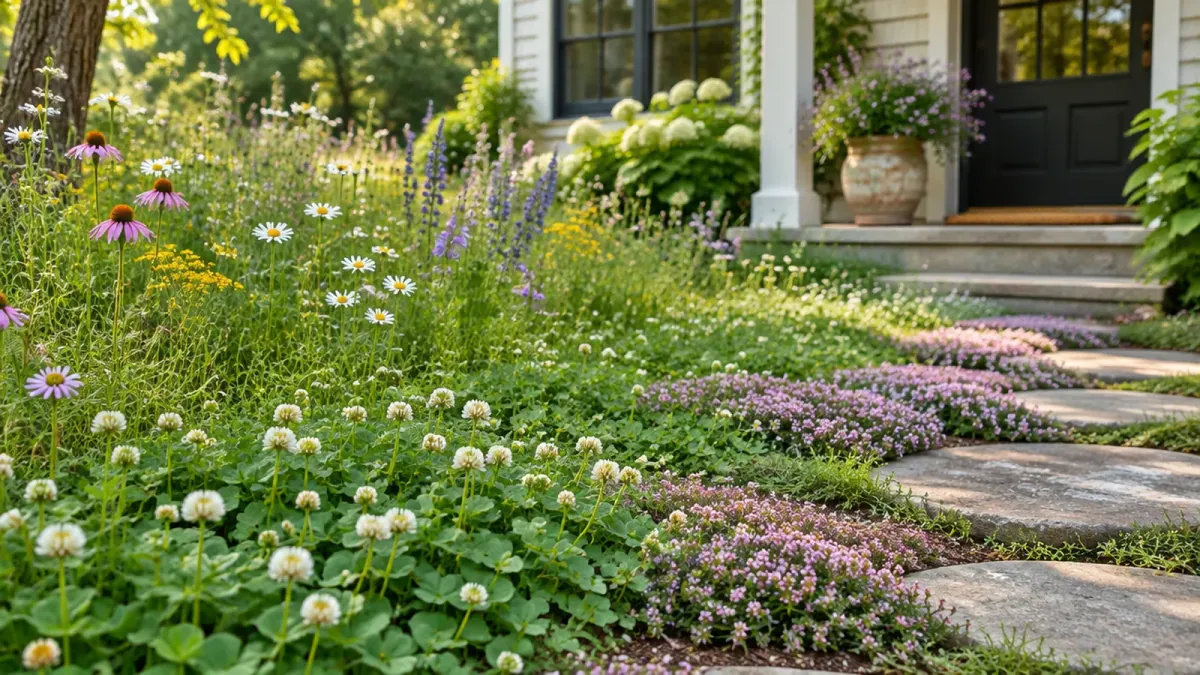
Lawn alternatives include clover, creeping thyme, native sedges, moss, sedum, native meadow plantings, mulch and gravel. White clover or microclover stays green with little care, thyme suits sunny paths, sedges and moss suit shade, and meadows suit larger areas. Choose by sun, soil, foot traffic and how much upkeep you want, and remove grass properly first.
Why look for alternatives?
A traditional lawn uses water, fertilizer, mowing time and often herbicides. It can also struggle in shade, on slopes and in dry climates. Alternatives can cut inputs, support pollinators and make a yard more interesting. None is a perfect match for a sports field, but for most yards, a mix of lawn and alternatives gives the best result. For more yard design ideas, browse our landscaping hub.
Lawn alternatives compared
| Alternative | Light | Foot traffic | Water | Mowing | Best for |
|---|---|---|---|---|---|
| White clover | Sun to part shade | Light to moderate | Low | Optional | Replacing or mixing with grass |
| Microclover | Sun to part shade | Moderate | Low | Occasional | Mixing with grass seed |
| Creeping thyme | Full sun | Light | Very low | None | Sunny paths and small areas |
| Corsican mint | Part shade | Light | Moderate | None | Between pavers |
| Native sedges | Shade to sun | Light | Low to moderate | Occasional | Shade and dry sites |
| Moss | Shade | Light | Moist, not wet | None | Shady, acidic, compact soil |
| Sedum | Full sun | None | Very low | None | Slopes and hot spots |
| Native meadow | Full sun | None | Low once established | Once or twice a year | Large areas |
| Mulch | Any | Moderate | None | None | Under trees and in borders |
| Gravel | Any | Moderate | None | None | Paths, patios, dry gardens |
| Artificial turf | Any | High | None | None | High-traffic areas; heat and cost concerns |
Clover and microclover
White clover was once a standard part of lawn seed mixes and is now making a comeback. It stays green through dry spells, fixes nitrogen from the air, tolerates mowing and feeds pollinators. Microclover is a smaller-leaved, less flowery variety designed to mix with grass.
Pros: inexpensive, green, little fertilizer. Cons: flowers attract bees (an issue for barefoot play), can stain, may not tolerate heavy wear.
Creeping thyme and other herbs
Creeping thyme forms a fragrant, flowering carpet for sunny areas and tolerates light foot traffic. It needs sharp drainage and doesn’t like wet soil. Corsican mint suits damper, partly shaded paths. See our ground cover plants guide for more.
Native sedges and grass-like plants
Many native sedges, such as Pennsylvania sedge, form soft, mowable swards in shade and part shade. They need less water and fertilizer than turf. Check which species are native to your region with your extension service.
Moss
A moss lawn suits shady, moist, acidic and compacted soil, where grass struggles. It isn’t planted so much as encouraged: remove debris, keep the area clear and moist, and avoid fertilizer. It tolerates light foot traffic but not heavy use or hot sun.
Sedum and succulents
Low sedums make tough, drought-tolerant mats for hot, dry spots and slopes. They don’t tolerate foot traffic. They suit gravel gardens and dry borders; see our guide to drought-tolerant landscaping.
Native meadow
A meadow of native grasses and wildflowers needs no regular mowing, little water and no fertilizer once established, and supports birds and pollinators. It suits larger areas in full sun. It needs a plan: choose a seed mix suited to your region and soil, prepare the ground, weed in the first year and mow once or twice a year. Mow a neat edge or path so it looks intentional, and check local rules about vegetation height. Our guide to butterfly-friendly flowers lists useful nectar plants.
Mulch and gravel
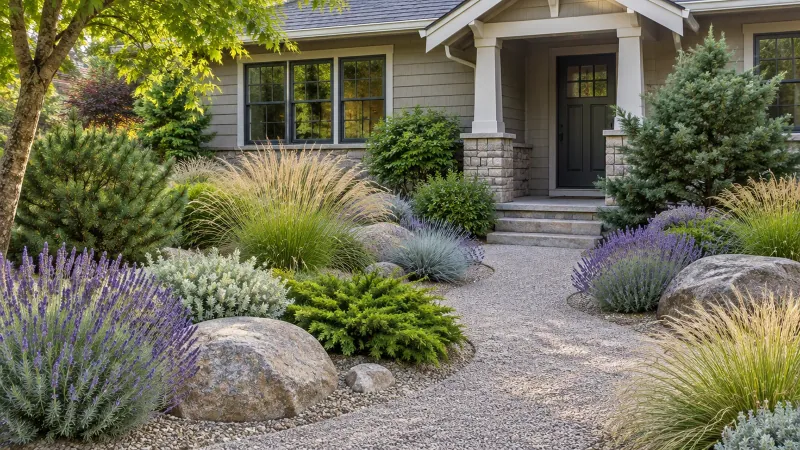
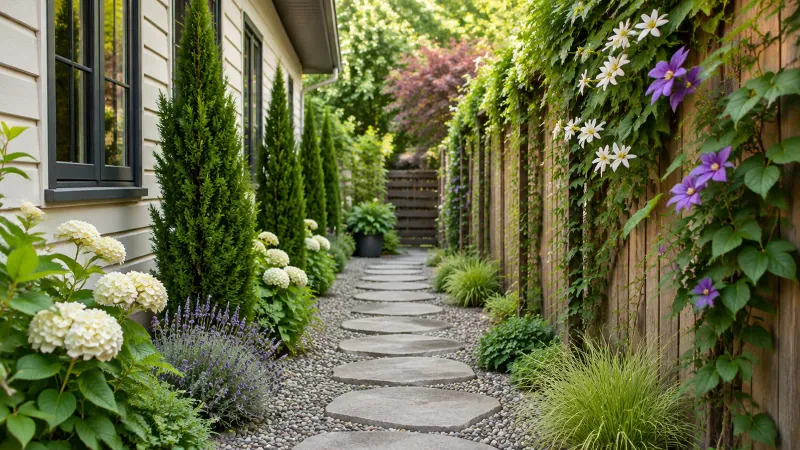
For areas where nothing will grow, such as under trees or along a fence, mulch or gravel is a simple option. Organic mulch improves the soil; gravel lasts longer. Our guide to types of mulch compares materials.
How to replace your lawn
- Decide where. Start with the area that gives you the most trouble: shade, a slope or a hard-to-mow strip.
- Remove the grass. Options include smothering with cardboard and 4 to 6 inches of mulch for several months, solarizing under clear plastic in hot weather, or cutting sod.
- Prepare the soil. Loosen the top few inches and mix in compost.
- Plant or sow. Sow seed in fall or early spring, or plant plugs of ground cover.
- Water regularly for the first season.
- Weed in the first year, since weeds compete before plants fill in.
- Edge to define the area.
Keeping part of the lawn
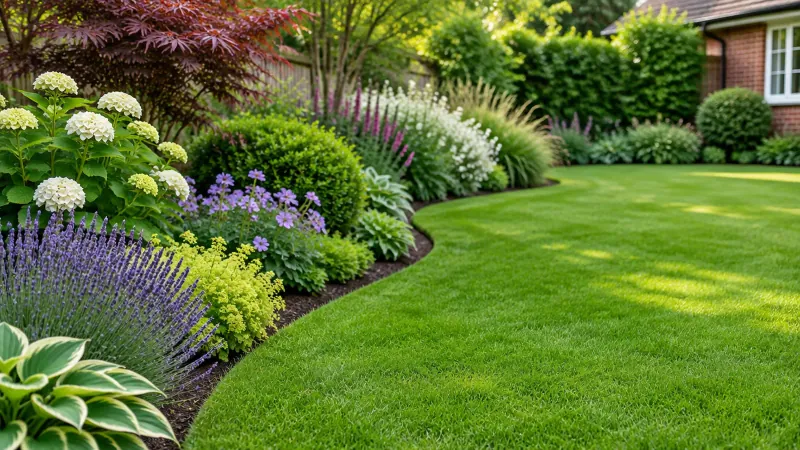
You don’t have to remove all of it. Many people keep a small, simple lawn for play and replace grass in difficult places. Our guide to lawn and garden landscaping shows how to size and shape what remains.
Cost and effort over time
| Option | Up-front effort | Ongoing effort | Typical lifespan |
|---|---|---|---|
| Clover | Low: sow seed | Low | Self-renews if allowed to seed |
| Thyme or sedum | Medium: plants and spacing | Low | Many years |
| Sedges | Medium | Low | Many years |
| Moss | Low to medium | Low | Long, in the right place |
| Meadow | High: ground prep and weeding | Low after year two | Many years with annual mowing |
| Mulch | Low | Top up every 1–2 years | Needs renewing |
| Gravel | Medium | Low | Many years |
Whatever you choose, the first year takes the most work. Weeding and watering in that first season determine how well the planting establishes.
Lawn alternatives for specific problems
- Shade under trees: sedges, moss, or a mulch ring. See landscaping around trees.
- Steep slopes: creeping juniper, sedum, creeping phlox or daylilies.
- Hot, dry front strips: creeping thyme, sedum and gravel.
- Dog areas: mulch, gravel or tough grasses; many ground covers don’t tolerate dog traffic or urine.
- Between stepping stones: thyme, Corsican mint or creeping Jenny.
- Large, sunny yards: native meadow or a mixed clover lawn.
Pollinators and wildlife
Lawn alternatives that flower, such as clover, thyme and meadow plantings, feed bees and other pollinators. Mowing less often helps even more: mowing every two to three weeks instead of weekly lets clover and other low flowers bloom. If you have children or pets who play barefoot, consider keeping a small mown grass area for play and planting the rest for wildlife.
Common problems
| Problem | Cause | Fix |
|---|---|---|
| Weeds in the new planting | Weeds move in before plants fill the space | Mulch and hand-weed regularly |
| Bare patches | Too much foot traffic | Add stepping stones |
| Clover gets patchy | Shade or compacted soil | Overseed; improve soil |
| Moss fails | Too sunny or dry | Choose a different option for sun |
| Complaints from neighbors or HOA | Rules about height or appearance | Check rules; keep neat edges |
Frequently asked questions
What is the best alternative to a grass lawn?
It depends on your site and how you use the space. White clover or microclover mixes stay green with little water and tolerate light traffic. Creeping thyme suits sunny, low-traffic areas. Native sedges suit shade. Moss suits shady, moist, acidic soil. Meadow plantings need no mowing but need a different kind of care. Mulch or gravel suits areas you don’t want planted.
Is clover a good lawn replacement?
Often yes. White clover and microclover stay green in dry spells, fix nitrogen, need less mowing and feed bees when they flower. They tolerate moderate foot traffic but can stain clothing and can attract bees where children play barefoot. Mixing clover with grass is a popular compromise that reduces fertilizer and water.
How do you replace a lawn with a meadow?
Remove or smother the grass, prepare bare soil, and sow a locally appropriate native wildflower and grass mix in fall or early spring. Keep it weeded and watered in the first year. Mow once or twice a year and edge or mow a path to show the meadow is intentional. Check local rules about height limits first.
How do you get rid of grass without chemicals?
Smother it with cardboard or layers of newspaper topped with 4 to 6 inches of mulch or compost for several months, or solarize it under clear plastic during hot weather. You can also dig it out with a sod cutter. These methods avoid herbicides but take time, so start in fall or spring ahead of planting.
Do lawn alternatives save water?
Many do. Drought-tolerant options such as thyme, sedum, native sedges and meadow plants need little or no irrigation once established, compared with turf that may need an inch of water a week. Water savings depend on climate and plant choice, and new plantings need regular watering for the first season.