Signs of Overwatering Plants (and How to Save Them)
On this page
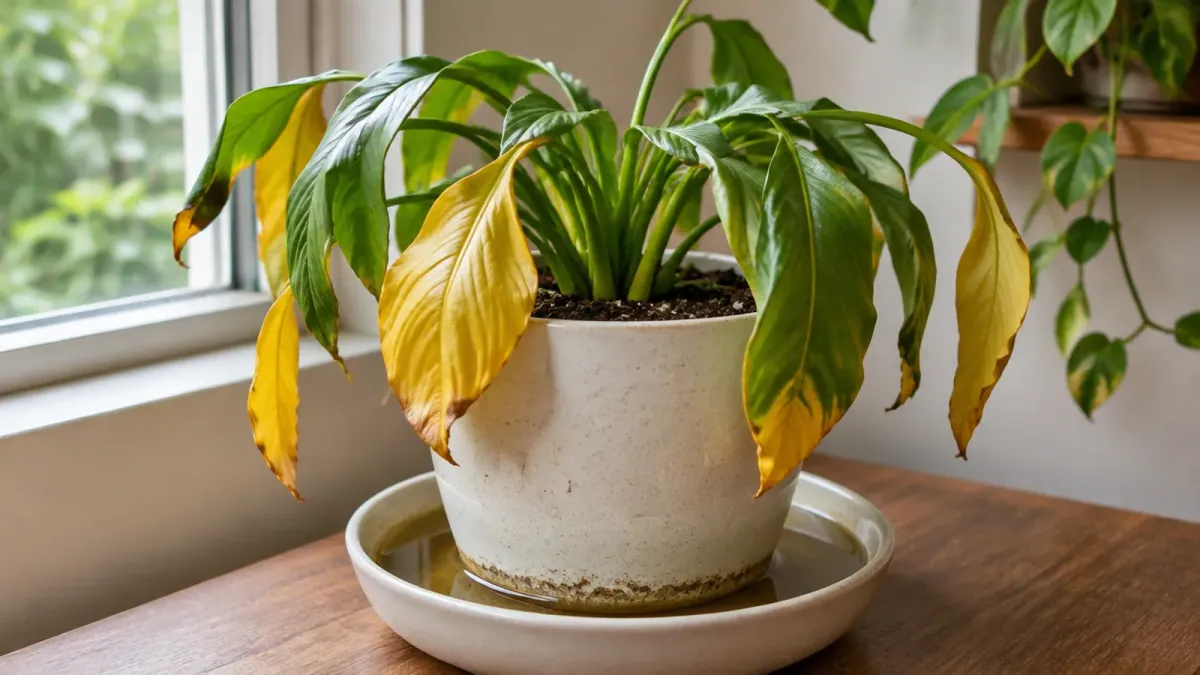
The main signs of overwatering plants are yellowing lower leaves, limp or soft leaves despite wet soil, soil that stays damp for days, a sour smell, mushy black stems at the base, fungus gnats and mold on the surface. To save the plant, stop watering, let the soil dry, check the roots and repot into fresh, free-draining mix if they are rotting.
Why overwatering is so harmful
Roots need oxygen as well as water. When soil stays saturated, air spaces fill with water and roots suffocate. Weakened roots can’t take up water, so the plant wilts even though the soil is wet. Fungi and bacteria that cause root rot then thrive in the soggy conditions. Overwatering is the most common cause of houseplant death, and many plants die of too much care rather than neglect. For more houseplant guides, visit our indoor plants hub.
Signs of overwatering
On the leaves
- Yellowing leaves, often the lower ones first, and sometimes all over.
- Soft, limp or drooping leaves that look waterlogged or translucent.
- Brown, mushy spots or brown edges that feel soft rather than crispy.
- Leaf drop, with green leaves falling off.
- Edema: small blisters or corky bumps on leaf undersides where cells burst from excess water.
In the soil and pot
- Soil that stays wet for many days or never seems to dry.
- A sour, musty or rotten smell.
- Mold, a white fuzz or green algae on the soil surface.
- Fungus gnats, small black flies hovering around the plant.
- Water pooling in the saucer or pot with no drainage.
At the stem and roots
- A mushy, dark or black stem base.
- Soft, brown or black roots that smell bad and fall apart. Healthy roots are firm and white or tan.
- Stunted growth or no new leaves.
Overwatering vs underwatering
| Sign | Overwatered | Underwatered |
|---|---|---|
| Leaves | Yellow, soft, limp | Dry, crispy, curled |
| Leaf edges | Brown and soft | Brown and crispy |
| Soil | Wet, heavy, smelly | Dry, pulling away from pot sides |
| Wilting | Wilts even with wet soil | Wilts and perks up after watering |
| Stems | Mushy, dark at base | Dry, shriveled |
| Pot weight | Heavy | Very light |
If you aren’t sure, push a finger two inches into the soil. Wet soil with drooping leaves means overwatering; bone-dry soil means thirst.
How to save an overwatered plant
- Stop watering immediately and move the plant out of strong direct sun, which stresses it further.
- Check the drainage. Make sure the pot has holes and empty any water from the saucer.
- Let it drain and dry. If the soil is just wet and roots are healthy, let it dry out until the top two inches (or more for succulents) are dry before watering again.
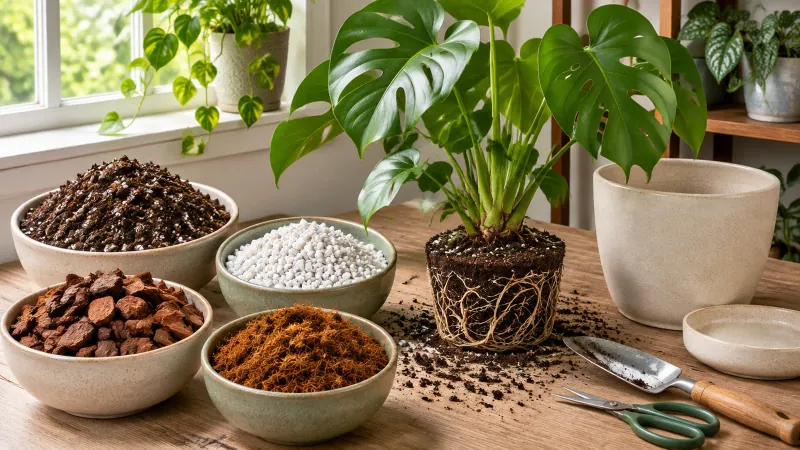
- Remove the plant and inspect the roots if the soil is soggy, smells bad or the plant is declining. Gently knock away the old soil.
- Trim the damage. Cut off soft, brown or black roots with clean scissors, and remove yellow or mushy leaves.
- Repot into a clean pot with drainage holes and fresh, free-draining potting mix. See our guides to how to repot a plant and the best soil for indoor plants. Don’t pick a pot much bigger than the roots.
- Water lightly after repotting, then wait until the soil dries before watering normally.
- Be patient. Recovery can take weeks. Don’t fertilize until you see new growth.
Quick rescue for succulents and cacti
Succulents rot quickly. If the base is mushy, cut healthy tissue above the rot with a clean knife, let the cutting dry for several days until callused, and root it in dry, gritty mix.
If the whole plant is rotting
Cut healthy stems for propagation. Pothos, philodendron and many other plants root easily in water; start fresh in clean mix.
How to prevent overwatering
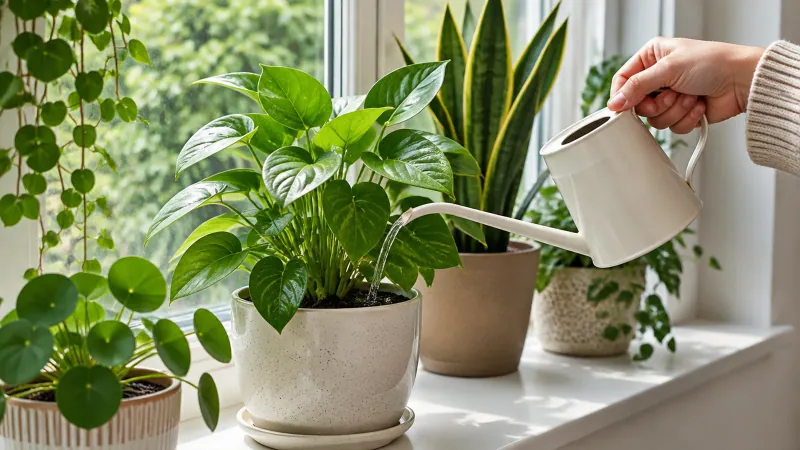
- Check before you water. Use your finger, a wooden skewer or by lifting the pot. Our houseplant watering schedule gives typical timings.
- Always use drainage holes. If a decorative pot has none, keep the plant in a nursery pot inside and tip out excess water after watering.
- Use a free-draining mix with perlite or bark.
- Pot size matters. A pot too big for the roots holds too much wet soil.
- Water less in winter and in low light. See our guide to low-light indoor plants, which are especially prone to overwatering.
- Water thoroughly but infrequently, rather than a little every day.
- Empty saucers within 30 minutes of watering.
Plants that hate wet roots most
Snake plants, ZZ plants, succulents, cacti, jade plants, aloe, ponytail palms and rosemary are the most vulnerable. They store water and need to dry out. Moisture-lovers such as ferns, calatheas and prayer plants rot too if left standing in water; they want evenly damp, not soggy, soil. Easier choices for beginners are in our guide to easy houseplants.
Overwatering signs by plant type
| Plant type | Typical sign | What to do |
|---|---|---|
| Snake plant, ZZ plant | Soft, mushy leaves at the base; yellowing | Stop watering; cut away rotten tissue; repot |
| Succulents and cacti | Translucent, squishy leaves; black base | Cut healthy tissue, let it callus, reroot |
| Pothos, philodendron | Yellowing lower leaves; black stem base | Take cuttings above the rot; repot in fresh mix |
| Ferns, calatheas | Browning fronds; limp growth | Let the top inch dry; improve drainage |
| Orchids | Wrinkled leaves; brown, mushy roots | Remove rotten roots; repot in fresh bark |
| Herbs (rosemary, thyme) | Needles browning from the base | Improve drainage; water less; use gritty mix |
Dealing with fungus gnats and mold
Fungus gnats breed in constantly damp soil. Let the surface dry between waterings, and the gnats usually disappear. Yellow sticky cards catch adults. A thin layer of sand or grit on top of the soil can discourage egg-laying. Surface mold is harmless but a sign of too much moisture: scrape it off, improve airflow and water less. For other pests, see our guide to houseplant pests.
Overwatering outdoors and in containers
The same rules apply to patio containers and garden beds. In pots, heavy rain plus poor drainage can drown plants; make sure outdoor containers drain well and raise them on feet. In clay garden soil, plants that need sharp drainage, such as lavender and rosemary, may need a raised bed or gravel. Our guide to how often to water tomato plants shows how to water deeply but not too often in the garden.
Frequently asked questions
How do I know if I’m overwatering my plant?
Common signs of overwatering are yellowing lower leaves, leaves that look limp or soft even though the soil is wet, soil that stays damp for days, a sour smell from the pot, mushy or black stems at the base, fungus gnats and mold on the soil. If the plant wilts and the soil is wet, the roots are probably rotting and can’t take up water.
Can an overwatered plant recover?
Often, if you act early. Stop watering, let the soil dry, improve drainage and remove any soft, brown or black roots. If more than about half the roots are rotten, recovery is harder but still possible with fresh, well-draining mix and careful watering. Plants with healthy white or tan firm roots usually recover well.
What is the difference between overwatering and underwatering?
Overwatered plants have yellow, soft, drooping leaves, damp soil and sometimes a rotten smell. Underwatered plants have dry, crispy, curling leaves, dry soil that pulls from the pot sides, and recover quickly after watering. Both can make a plant wilt, so always check the soil before deciding.
How long should soil dry out between waterings?
It depends on the plant. Succulents, snake plants and ZZ plants prefer the soil to dry out completely. Most foliage plants want the top one to two inches dry. Moisture-loving plants such as ferns and calatheas should never dry completely. Water less often in winter and in low light, when plants use less water.
Should I repot an overwatered plant?
Repot if the soil is soggy, smells sour or the roots are rotting. Remove the plant, rinse away the old mix, cut off soft or brown roots with clean scissors, and repot into fresh, free-draining mix in a pot with drainage holes. If roots are healthy and only the top is wet, simply stop watering and let it dry.