Flower Color Meanings: What Each Color Symbolizes
On this page
Flower color meanings are traditions rather than rules: in Western custom, red suggests love, pink affection, yellow friendship, white purity, orange enthusiasm, purple admiration and blue calm. Meanings differ by culture, by flower type and by period, so use them as a guide to enjoy rather than a code to follow.
Where color meanings come from
People have linked flowers with feelings for centuries, but the best-known system is Victorian floriography. In the 1800s, small books listed the “meaning” of each flower, and bouquets were sometimes used to send quiet messages. Those books often disagreed, and modern meanings drift further from them. Add cultural differences, and you get a rich, but not precise, language. For more flower guides, visit our flowers hub.
Flower color meanings at a glance
| Color | Common Western meanings | Typical examples |
|---|---|---|
| Red | Love, passion, courage, respect | Roses, tulips, poppies |
| Pink | Affection, gratitude, admiration, grace | Peonies, carnations, cherry blossoms |
| Orange | Enthusiasm, energy, warmth, excitement | Marigolds, orange lilies, zinnias |
| Yellow | Friendship, joy, optimism, new energy | Sunflowers, daffodils, yellow roses |
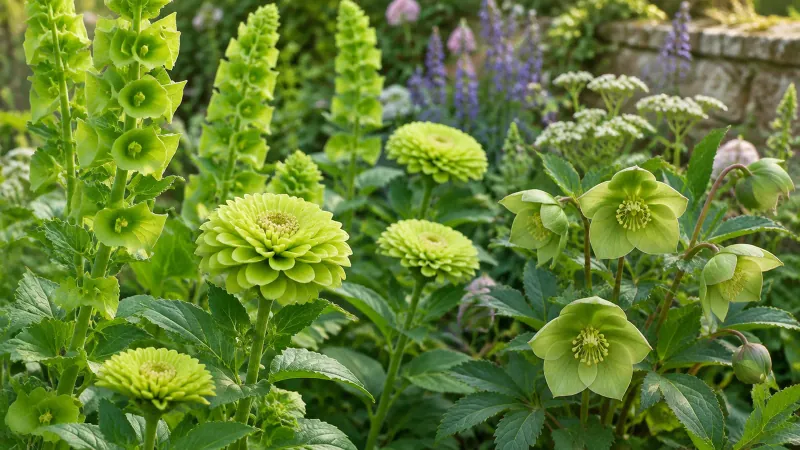
| Green | Renewal, health, good fortune | Hydrangeas, green zinnias, bells of Ireland |
| Blue | Calm, trust, peace, mystery | Delphiniums, hydrangeas, forget-me-nots |
| Purple | Admiration, dignity, creativity, royalty | Lavender, irises, lilacs |
| White | Purity, innocence, sympathy, new beginnings | Lilies, daisies, white roses |
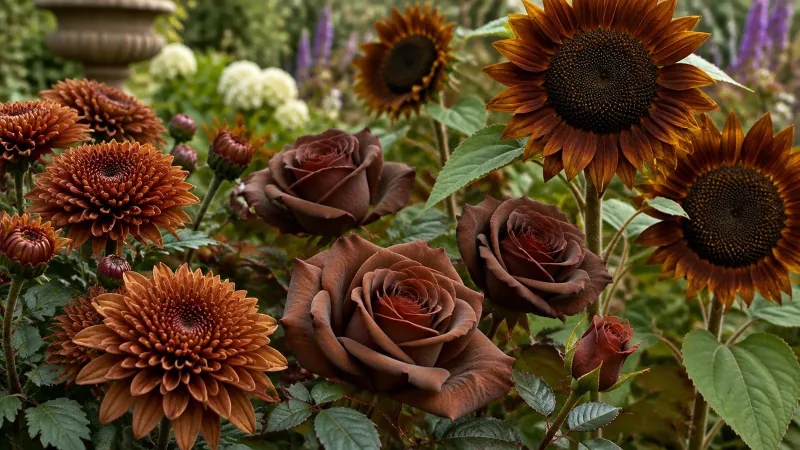
| Black and very dark | Mystery, elegance, endings | Black tulips, dark dahlias, scabiosa |
Red flowers
Red is the classic color of romantic love. Red roses are the best-known gift for romance, and red tulips are also linked with love. In many cultures red also stands for courage, luck or celebration. See our list of red flowers for plants to grow.
Pink flowers
Pink is softer than red and often means affection, appreciation or gratitude. Light pink suggests sweetness and grace, while deep pink can say thanks or admiration. Pink peonies and carnations are common gifts for Mother’s Day and anniversaries. Explore our guide to pink flowers.
Yellow flowers
Yellow is bright and cheerful, so it is often linked with friendship, happiness and optimism. Sunflowers, daffodils and yellow roses are common get-well and friendship flowers. In some Victorian lists yellow roses signified jealousy, a good reminder that meanings changed over time. See yellow flowers.
White flowers
White flowers often mean purity, innocence, sympathy or new beginnings, which is why they are used for weddings and for funerals in many Western settings. In some cultures, especially in parts of East Asia, white is the color of mourning, so white chrysanthemums can be a funeral flower. Read more in our guide to white flowers.
Purple and blue flowers
Purple has long been linked with royalty, dignity and admiration. Lavender shades can mean enchantment or grace. Blue flowers are rarer in nature, so they are often seen as mysterious, calm or trustworthy. Forget-me-nots mean remembrance in many traditions. See our guides to purple flowers and blue flowers.
Orange, green and black flowers
Orange stands for energy, enthusiasm and warmth, making it a good choice to celebrate and to cheer someone up. Green flowers such as hydrangeas and green zinnias often suggest renewal, health or good luck. Very dark flowers, often called black, can look dramatic and symbolize mystery or elegance. Some people link them with endings or mourning.
Meanings of specific flowers
Individual flowers often carry their own meanings beyond color.
| Flower | Common meaning |
|---|---|
| Rose | Love, with color adding a shade |
| Tulip | Perfect love (red), cheerfulness (yellow) |
| Sunflower | Adoration, loyalty, warmth |
| Lily | Purity, devotion, sympathy |
| Daffodil | New beginnings, hope |
| Chrysanthemum | Cheer in some regions; mourning in others |
| Iris | Faith, wisdom, hope |
| Carnation | Fascination, gratitude, love |
| Forget-me-not | Remembrance, faithful love |
| Lavender | Calm, devotion |
| Marigold | Warmth; remembrance in some cultures |
Cultural differences to remember
| Place or tradition | Notes |
|---|---|
| Western Europe and North America | Red roses for romance; white for weddings and sympathy |
| Parts of Europe and East Asia | Chrysanthemums are often funeral flowers |
| Mexico | Marigolds are used in Day of the Dead remembrance |
| India | Marigolds are used in celebrations and ceremonies |
| China and Japan | Red for luck; white often for mourning |
Customs differ even within a country, so when giving flowers to someone from another culture, ask or choose a mixed, cheerful bouquet.
Choosing flowers for an occasion
| Occasion | Colors and flowers to consider |
|---|---|
| Romance, anniversary | Red or deep pink roses, tulips |
| Friendship, thanks | Yellow, orange, pink; sunflowers, gerbera |
| Birthday | Bright mixed colors |
| Get well | Yellow, orange, sunny bouquets |
| Sympathy | White or soft pastels, lilies, roses |
| New baby | Soft pink, blue, white, or neutral |
| Wedding | White, cream, blush, with accent colors |
| Graduation | Bright, bold mixes |
Using color meanings in your own garden
Plant colors that make you happy. A bed of mixed warm colors feels energetic, cool blues and purples feel calm, and whites glow at dusk. Meanings add a story, but design principles, such as height, texture and bloom time, matter more.
Pets
If you give or keep cut flowers in a home with pets, check the ASPCA toxic plant list. For example, lilies in the Lilium group are especially dangerous to cats, and tulips and daffodils are listed as toxic to dogs and cats.
Mixed bouquets and the message they send
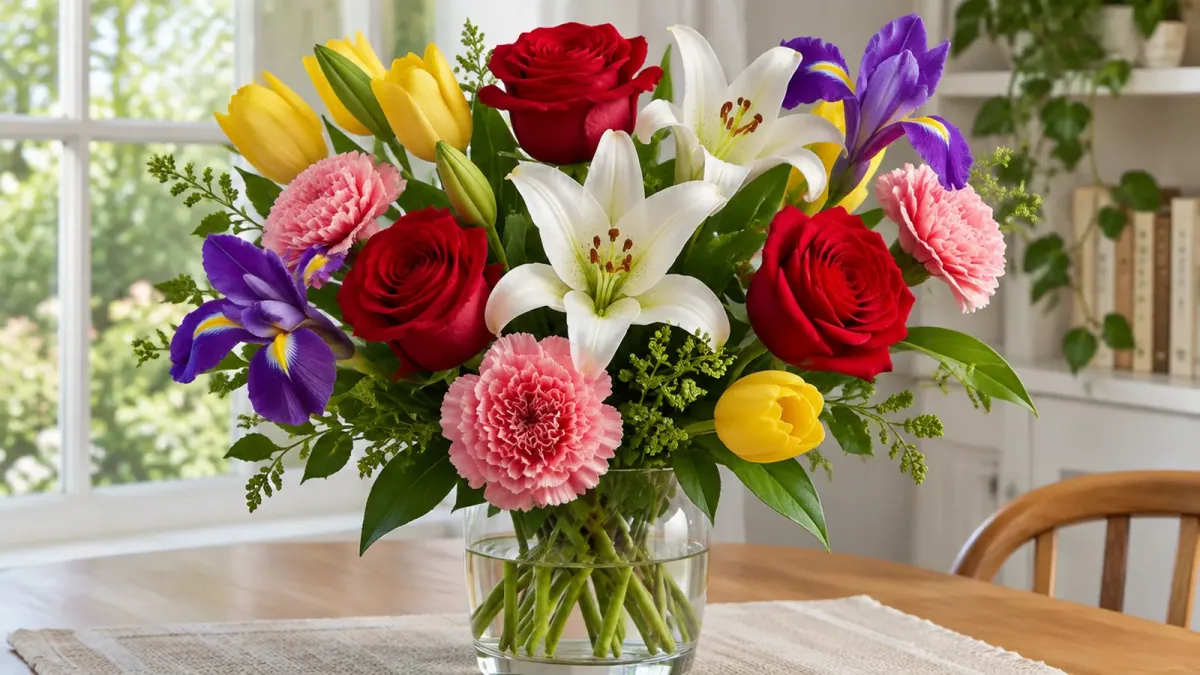
Most gift bouquets mix colors, which softens any single meaning. A rule of thumb is to pick a main color for the message (red for romance, yellow for friendship), then add white or green as neutral support. Odd numbers of stems look natural, and a few seasonal stems from the garden make a bouquet personal.
Meanings and plant care
If you are growing flowers for meaning, choose plants that suit your site first. A flower that struggles won’t send a message of anything. An easy flowers-from-seed list helps you pick reliable bloomers in the color you want, from sunny yellow zinnias to bold red poppies.
How reliable are these meanings?
Flower meanings are folk traditions. The same flower may have several meanings in different books, and many modern “meanings” were invented by florists and writers. Use them for fun, and don’t assume the recipient knows any of them. The best flower message is the one you write on the card.
Frequently asked questions
What do the different flower colors mean?
In Western tradition, red often stands for love and passion, pink for affection and gratitude, yellow for friendship and joy, white for purity and remembrance, orange for enthusiasm, purple for admiration and royalty, and blue for calm and trust. These meanings are customs rather than rules, and they vary by culture and by the specific flower.
Do flower color meanings differ between cultures?
Yes, a lot. White chrysanthemums are linked with mourning in parts of Europe and East Asia, while white flowers are associated with weddings in the West. Yellow can mean friendship in one place and jealousy or sadness elsewhere in older traditions. If you give flowers across cultures, check local customs first.
What is floriography?
Floriography is the language of flowers, a Victorian-era practice of assigning meanings to flowers and using bouquets to send messages. Published dictionaries of flower meanings were popular in the 1800s, but they often disagreed with each other. Modern meanings are loosely based on those traditions, so treat them as fun rather than definitive.
What flower color means friendship?
Yellow is the flower most often linked with friendship and cheerfulness in modern Western gifting, with yellow roses a classic example. Some older Victorian sources gave yellow roses a negative meaning such as jealousy, which shows how meanings shift over time. A mixed bouquet of bright colors also reads as friendly and joyful.
Which flower colors should I avoid for certain occasions?
Avoid red roses where you do not want a romantic message, and check local customs before giving chrysanthemums, lilies or white flowers in cultures where they are associated with funerals. For hospital visits, check the policy, since some wards restrict flowers. When in doubt, bright mixed bouquets in cheerful colors are a safe choice.